A Juvenile Betta Fish
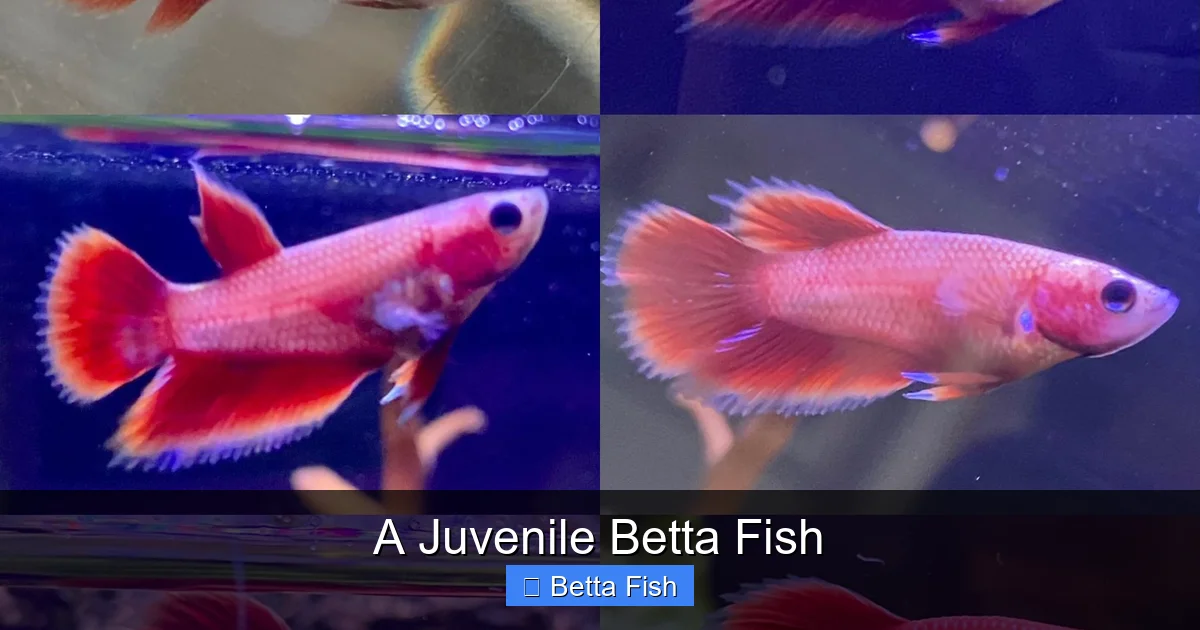
Raising a juvenile betta fish is a rewarding adventure that starts with the right tank, water conditions, and nutrition. Follow these simple steps to give your young betta the best start, and watch it blossom into a dazzling adult.
Key Takeaways
- Tank size matters: A minimum 5‑gallon tank gives a juvenile room to swim and grow.
- Stable temperature: Keep water between 76‑80°F (24‑27°C) for optimal health.
- Gentle feeding: Small, frequent meals of high‑quality betta food prevent over‑feeding.
- Water quality is crucial: Weekly 25‑30% water changes keep ammonia low.
- Monitor growth: Track length and behavior to catch health issues early.
- Social considerations: Juvenile bettas are usually solitary; avoid mixing with aggressive tank mates.
- Regular health checks: Look for signs of disease, fin rot, or stress and act fast.
📑 Table of Contents
Introduction: Why the Juvenile Stage Is So Important
Bringing home a juvenile betta fish feels a bit like welcoming a tiny, colorful astronaut into your living room. At this stage—typically 1‑2 inches long—the fish is still developing its signature fins, colors, and personality. The choices you make now set the foundation for a healthy adult that can live 3‑5 years (or even longer) with vivid hues and a lively temperament.
Many new owners wonder how different caring for a juvenile is from caring for an adult. The answer is simple: the basics are the same—clean water, proper temperature, and good nutrition—but the details matter more. A juvenile’s immune system is still maturing, so stressors like sudden temperature swings or poor water quality can have a bigger impact.
1. Setting Up the Perfect Home
Choosing the Right Tank Size
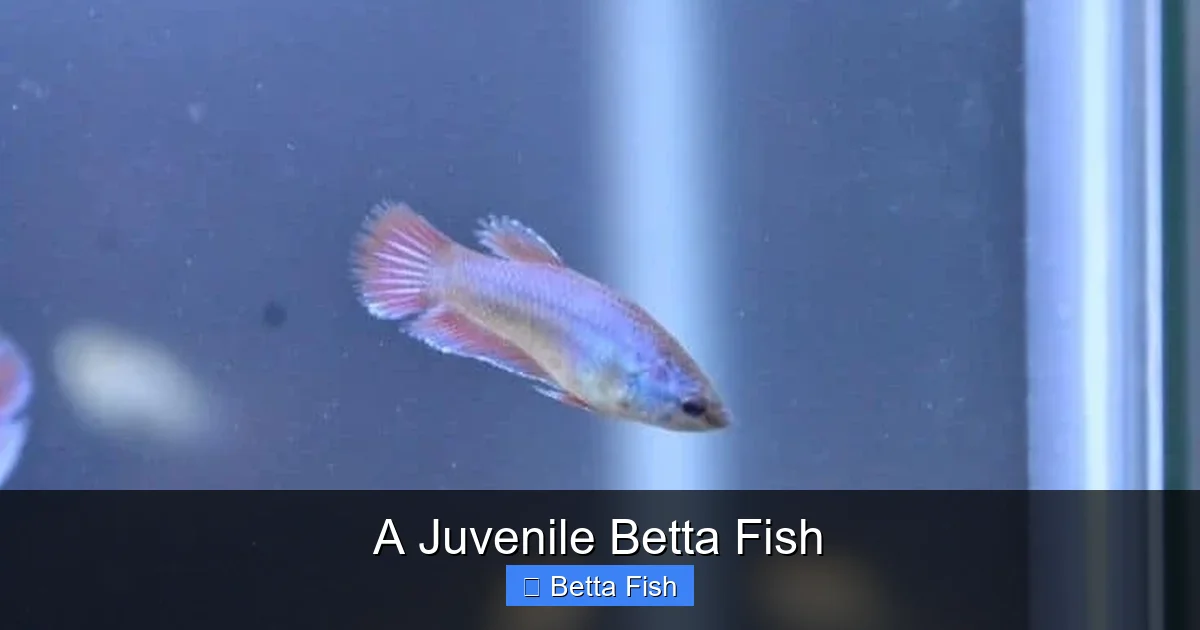
While adult bettas can survive in small bowls, a juvenile needs space to grow. A 5‑gallon (19‑liter) tank is the sweet spot. It provides enough room for swimming, stable water parameters, and a filtration system that won’t create a strong current.
Visual guide about A Juvenile Betta Fish
Image source: tankarium.com
For those with limited floor space, a long‑narrow tank works well, but make sure it’s at least 10 inches long so the fish can turn comfortably.
Water Parameters: Temperature, pH, and Hardness
Betta fish are tropical, thriving in water that mimics their native Southeast Asian habitats. Aim for a temperature of 76‑80°F (24‑27°C). If you’re unsure how to keep it steady, a reliable submersible heater with an adjustable thermostat is a must.
Maintain a pH between 6.5 and 7.5 and a hardness of 3‑4 dGH. These ranges keep the fish comfortable and support proper scale development.
For a deeper dive into temperature guidelines, check out our guide on what temperature should water be for a betta fish.
Filtration and Aeration
A gentle sponge filter works wonders. It removes waste without creating a strong current that could stress a young betta. You don’t need an air pump—betas can gulp air from the surface—but a small, quiet pump can help maintain oxygen levels if the tank is heavily stocked.
Decor and Hiding Spots
Live plants like Java fern or Anubias are excellent because they provide natural cover and help absorb nitrates. If live plants aren’t an option, silk plants are safe alternatives; avoid plastic leaves that can tear delicate fins.
Include smooth rocks, driftwood, or a small cave. Juveniles love to explore and feel secure, which reduces stress and promotes healthy growth.
2. Feeding Your Juvenile Betta
What to Feed
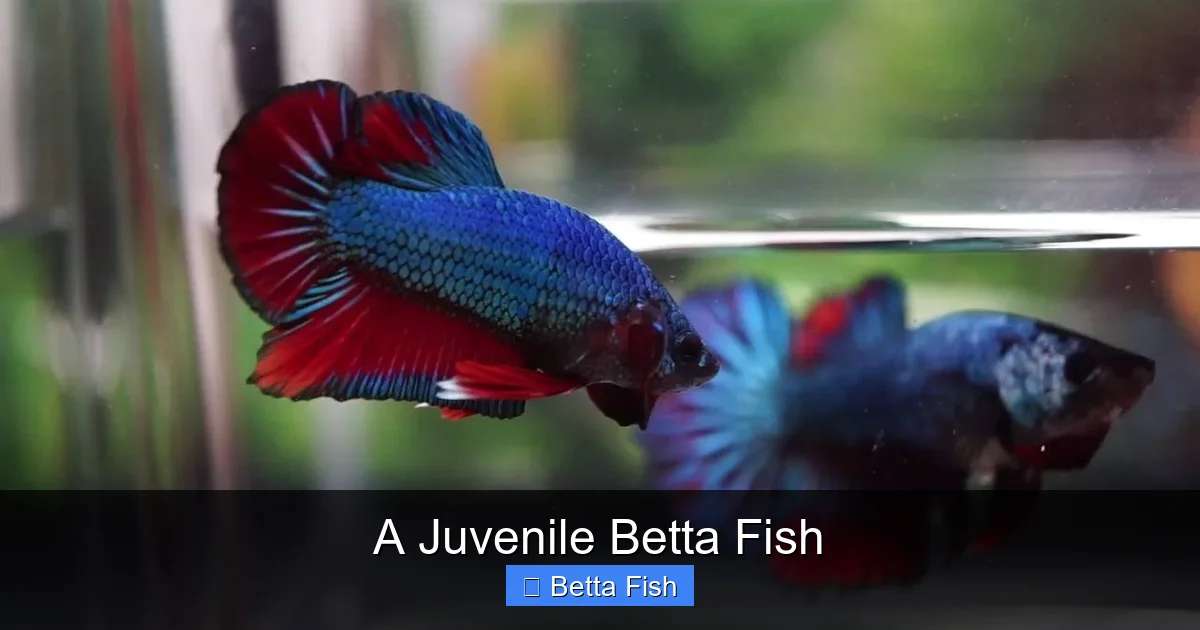
High‑quality betta pellets or micro‑pellets form the staple of the diet. Look for products with at least 40% protein and minimal fillers. Supplement with occasional treats like frozen bloodworms, daphnia, or brine shrimp to add variety.
Visual guide about A Juvenile Betta Fish
Image source: i.ytimg.com
Feeding Frequency and Portion Size
Young bettas have fast metabolisms. Feed 2‑3 small meals per day, offering only what they can consume in 2‑3 minutes. Over‑feeding leads to cloudy water and health problems.
As the fish grows, you can gradually increase portion size and reduce meals to twice daily.
Feeding Tips to Prevent Common Problems
- Use a feeding dish: It keeps food from scattering and makes cleanup easier.
- Observe eating habits: If a juvenile consistently ignores food, it may be stressed or ill.
- Rotate live foods: This mimics natural foraging and improves gut health.
3. Monitoring Growth and Health
Measuring Growth
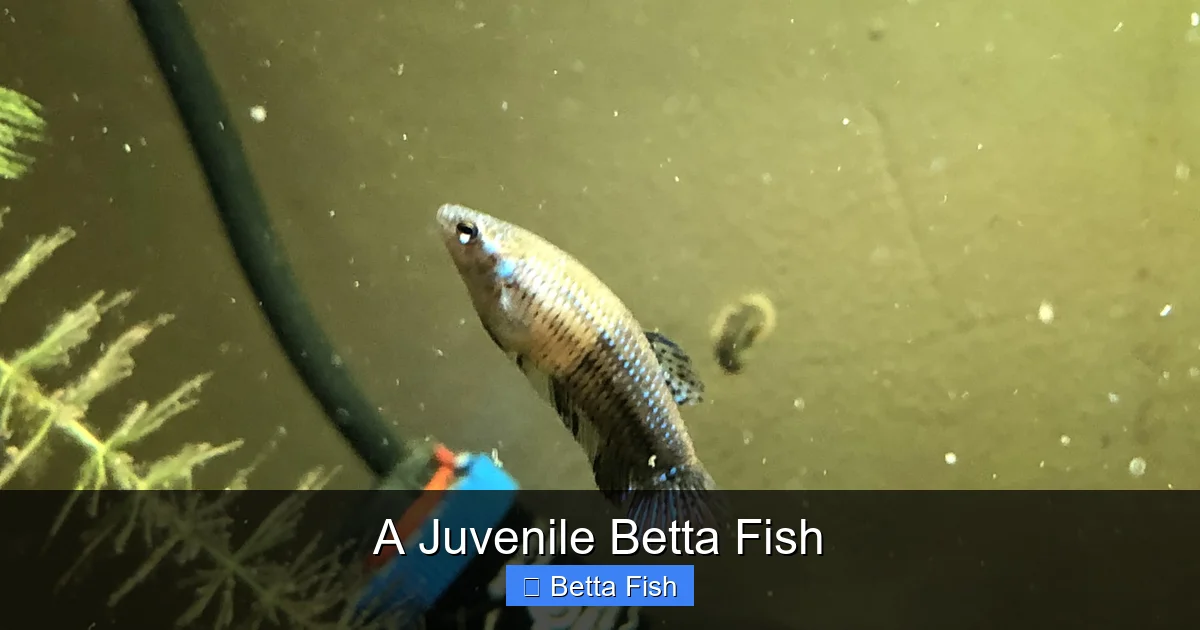
Place a ruler or a piece of graph paper behind the tank and gently compare the fish’s length once a week. Juveniles typically grow 0.2‑0.3 inches per month under good conditions.
Visual guide about A Juvenile Betta Fish
Image source: i.redd.it
Signs of a Healthy Juvenile
- Bright, clear eyes and intact fins.
- Active swimming with occasional pauses to rest near the surface.
- Consistent appetite and regular, small bowel movements.
Red Flags to Watch For
Look out for clamped fins, loss of color, excessive hiding, or rapid breathing. These can indicate poor water quality, disease, or stress. If you notice any of these signs, perform a quick water test and consider a partial water change.
For a quick health assessment, see our article on how to know if a betta fish is dying.
4. Water Maintenance Routine
Weekly Water Changes
Swap out 25‑30% of the tank water each week. Use a water conditioner to remove chlorine and chloramines. This routine keeps nitrate levels low and prevents ammonia spikes that are especially harmful to juveniles.
Testing Water Parameters
Invest in a basic test kit that measures ammonia, nitrite, nitrate, and pH. Test weekly, and after any major water change or addition of new décor.
Cleaning the Tank
Gently scrub algae from the glass with a soft algae pad. Avoid harsh chemicals; a simple rinse with dechlorinated water is enough.
5. Social Considerations: Should You Add Tank Mates?
Understanding Betta Temperament
Betas are naturally territorial, especially males. Juveniles are less aggressive, but as they mature, the instinct to defend space emerges.
Compatible Species (If You Insist)
If you have a larger tank (10+ gallons) and want companions, choose peaceful, mid‑water fish that won’t compete for surface space. Good options include small rasboras, kuhli loaches, or certain types of shrimp.
Never house a juvenile betta with fin‑nipping species like tiger barbs or other bettas. For a deeper look at compatible fish, read what fish is compatible with a betta fish.
Why a Single Betta Is Often Best
Keeping one juvenile betta alone eliminates stress and allows you to focus on optimal water conditions. It also prevents accidental injuries that can delay growth.
6. Transitioning From Juvenile to Adult
When to Expect Changes
Between 3‑4 months, you’ll notice the fins elongating and colors intensifying. This is the perfect time to reassess tank size—if you’re still in a 5‑gallon tank, consider upgrading to 10 gallons to give the adult space to display its full splendor.
Adjusting Care Routines
- Feeding: Reduce to twice daily with slightly larger portions.
- Water Changes: Maintain the 25‑30% weekly schedule, but test more frequently during the growth spurt.
- Lighting: Provide 8‑10 hours of gentle LED light to support plant growth and enhance coloration.
Conclusion
Caring for a juvenile betta fish is a blend of science and affection. By providing a stable environment, proper nutrition, and vigilant health monitoring, you give your young betta the best chance to flourish into a stunning adult. Remember, the effort you put in now pays off in vibrant colors, graceful fins, and years of companionship. Happy fish‑keeping!
Frequently Asked Questions
How often should I feed a juvenile betta fish?
Feed small amounts 2‑3 times a day, offering only what the fish can eat within a few minutes. This prevents over‑feeding and keeps the water clean.
What temperature is best for a juvenile betta fish?
Maintain water between 76‑80°F (24‑27°C). Consistent temperature supports healthy growth and immune function.
Can I keep a juvenile betta with other fish?
It’s safest to keep a juvenile alone. If you have a larger tank, choose peaceful, non‑fin‑nipping species and monitor behavior closely.
How do I know if my juvenile betta is sick?
Watch for clamped fins, loss of color, rapid breathing, or loss of appetite. Any of these signs merit a water test and possible treatment.
When should I upgrade the tank size?
Once the betta reaches about 2‑2.5 inches and shows full fin development (around 3‑4 months), consider moving to a 10‑gallon tank for extra space.
Do juvenile bettas need a heater?
Yes. A reliable submersible heater keeps the water in the optimal tropical range, which is crucial for growth and disease resistance.