How Many Breeds of Betta Fish
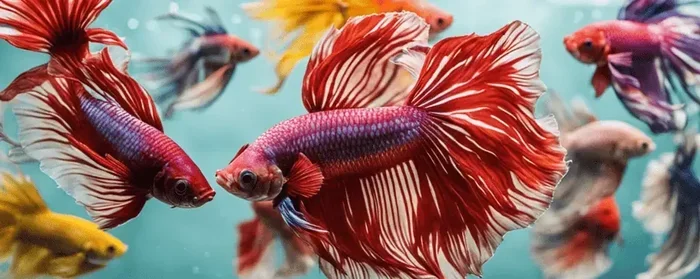
There are over 70 recognized breeds of betta fish, each with unique colors, tail shapes, and patterns. Understanding these betta fish varieties helps you choose the right fish for your tank and care routine.
Betta fish are some of the most beautiful and popular freshwater fish in the world. People love them for their bright colors and flowing fins. But have you ever wondered how many breeds of betta fish actually exist? The answer might surprise you. There are over 70 recognized betta fish breeds today, and new ones keep emerging through selective breeding.
If you are thinking about adding a betta to your tank or just curious about the different types, this guide covers everything. You will learn about the main categories, popular tail shapes, color patterns, and what makes each breed special. By the end, you will have a clear picture of the amazing diversity in the betta world.
So let us dive right in and explore the wonderful world of betta fish breeds.
Key Takeaways
- 70+ breeds exist: Betta fish come in dozens of recognized varieties, each with distinct traits.
- Tail shape matters most: Veiltail, crown tail, halfmoon, and plakat are the most popular types.
- Color and pattern variety is huge: From solid colors to complex patterns like marble and butterfly.
- Each breed has different care needs: Some varieties need more attention than others.
- Breeding created today’s varieties: Centuries of selective breeding in Southeast Asia produced the modern betta.
📑 Table of Contents
What Are Betta Fish Breeds?
Betta fish breeds are groups of betta fish that share specific physical traits. These traits include tail shape, fin length, body size, color, and pattern. Each breed has been developed over many years through careful breeding.
The scientific name for the common betta fish is Betta splendens. But within this species, there is a huge range of variation. Breeders in Southeast Asia, especially in Thailand and Malaysia, have spent decades refining different lines. Their work created the stunning variety we see today.
It is important to understand that betta fish breeds are not the same as species. All domestic bettas belong to the same species. But the different breeds look and sometimes behave very differently. Think of it like dogs. A Chihuahua and a Great Dane are the same species, but they look completely different. The same idea applies to betta fish varieties.
How Are Betta Fish Breeds Classified?
Betta fish are classified based on several key traits. The most important one is tail type. Other factors include fin length, body shape, color, and pattern. Together, these traits define each breed.
Most breeders and fish organizations use a combination of these traits to name and categorize a breed. For example, a betta might be called a “crown tail” because of its spiky tail fins. But it could also be a “red crown tail” if it has a red body color. This system helps fish keepers identify and discuss different types more easily.
Popular Betta Fish Tail Types
The tail type is the most obvious way to tell betta breeds apart. Each tail shape gives the fish a unique look and sometimes affects how it swims. Here are the most popular tail types found among betta fish breeds.
Veiltail Betta
The veiltail is the most common and recognizable betta breed. It has long, flowing tail fins that hang down like a wedding veil. This is where the name comes from. Veiltail bettas come in almost every color and pattern imaginable.
If you are new to betta fish, a veiltail is a great choice. They are widely available and generally hardy. How to take care of a veiltail betta fish is similar to caring for most betta breeds, but you should keep the water clean and warm.
Crown Tail Betta
Crown tail bettas have webbing between their tail rays that stretches out, giving a spiky or crown-like look. The rays extend beyond the webbing, creating a dramatic appearance. This breed is very popular among experienced fish keepers.
Crown tails come in many colors. Their unique tail shape makes them stand out in any tank. They require slightly more attention to water quality because their fins can be sensitive.
Halfmoon Betta
The halfmoon betta has a tail that spreads out to form a perfect 180-degree semicircle. This breed is a favorite among hobbyists who love show fish. The wide, flowing tail gives the halfmoon a graceful and elegant look.
Breeders take great pride in producing perfect halfmoon tails. The spread should be wide and symmetrical. This breed is often featured in betta competitions and shows.
Plakat Betta
Plakat bettas have short, compact tails that do not flow as much as other breeds. They look closer to wild bettas. In fact, the original wild betta fish had a plakat-like tail.
Plakats are very active swimmers. They have a more streamlined body shape compared to long-finned breeds. Many people choose plakats because they are hardier and less prone to fin damage. If you want a more natural-looking betta, the plakat is worth considering.
Double Tail Betta
Double tail bettas have two separate tail fins instead of one. This gives them a unique and eye-catching appearance. The split tail can be wide or narrow, depending on the individual fish.
Double tails are less common than other breeds. They are also more delicate and require careful tank setup. Avoid sharp decorations that could tear their split fins.
Crowntail vs. Halfmoon vs. Veiltail Comparison
| Breed | Tail Shape | Care Level | Popularity |
|---|---|---|---|
| Veiltail | Long, flowing, asymmetrical | Easy | Very High |
| Crown Tail | Spiky, extended rays | Moderate | High |
| Halfmoon | 180-degree spread | Moderate | High |
| Plakat | Short, compact | Easy | Medium |
| Double Tail | Two separate fins | Difficult | Low |
Betta Fish Colors and Patterns
Color is another major way betta breeds are categorized. The sheer number of color combinations is amazing. Breeders have developed thousands of color variations through selective breeding.
Solid Color Betta Fish
Solid color bettas have one uniform color across their entire body and fins. Common solid colors include red, blue, green, and white. These are some of the most sought-after betta fish varieties because of their clean, vibrant look.
Red bettas are the most classic and popular. Blue bettas come in several shades, from steel blue to royal blue. Green bettas have an iridescent glow that looks stunning under aquarium lights.
Multi-Color and Patterned Betta Fish
Many bettas display multiple colors in interesting patterns. Some of the most common patterns include:
- Butterfly: Two colors split evenly across the fins
- Marble: Random blotches of color that shift over time
- Koi: White body with red and orange patches
- Cambodian: Pale body with red or blue fins
- Dragon: Thick, metallic scales with a bold look
Each pattern gives the betta a completely different appearance. Marble bettas are especially fun because their colors can change throughout their life. If you want a fish that keeps surprising you, a marble pattern betta is a great pick.
If you want to bring out the best colors in your betta, check out our guide on how to enhance the color of betta fish. Proper diet and lighting make a big difference.
How Many Breeds of Betta Fish Really Exist?
The exact number of betta fish breeds is hard to pin down. Different organizations and breeders recognize different numbers. Most experts agree there are at least 70 distinct breeds. Some counts go well beyond 100 when you include every color and pattern variation.
The International Betta Congress and other breeding groups maintain official standards. They judge bettas based on specific criteria for each breed. These standards help keep breeding consistent and quality high.
Why the Number Keeps Growing
New betta breeds keep appearing because of ongoing selective breeding. Breeders cross different lines to create new colors, tail shapes, and patterns. Each successful cross can produce a new variety.
Some breeds are very recent. Others have been around for decades. The pace of new breed development has sped up in recent years as interest in betta fish grows worldwide.
Wild vs. Domestic Betta Fish
It is worth noting the difference between wild bettas and domestic breeds. Wild bettas are found in the shallow waters of Thailand, Cambodia, and Vietnam. They have shorter fins and more muted colors compared to domestic breeds.
Domestic breeds have been selectively bred for appearance over many generations. Their fins are longer, their colors brighter, and their shapes more dramatic. Most pet store bettas are domestic breeds.
Caring for Different Betta Fish Breeds
While all betta fish share basic care needs, different breeds can have slightly different requirements. Understanding these differences helps you provide the best home for your fish.
Tank Setup for Long-Finned Breeds
Long-finned breeds like veiltails, halfmoons, and crown tails need special attention. Their flowing fins can get caught on sharp decorations or pulled by strong filter currents. Use smooth decorations and gentle filtration.
A tank of at least 5 gallons is recommended for all betta breeds. Larger tanks are even better because they provide more stable water conditions. If you are unsure about tank size, check out our article on how many gallons for a betta fish.
Feeding Different Breeds
All betta breeds are carnivores. They need a protein-rich diet. Pellets and frozen or live foods like brine shrimp work well. Feed your betta 2 to 3 times a day in small amounts.
Long-finned breeds may eat a bit slower than short-finned ones. Watch your fish during feeding to make sure everyone gets enough food. If you have a male betta, be especially careful about overfeeding. Learn more about how to take care of a betta male fish for specific feeding tips.
Water Quality and Temperature
Betta fish need warm, clean water to stay healthy. Keep the temperature between 76 and 82 degrees Fahrenheit. Use a heater to maintain a stable temperature.
Regular water changes are essential. Change about 25 to 30 percent of the water each week. This helps remove toxins and keeps your betta thriving. For a detailed schedule, read our guide on how many times to change water for betta fish.
Common Mistakes When Choosing a Betta Fish Breed
Many new fish keepers make mistakes when picking a betta. Avoid these common pitfalls to give your fish the best start.
- Choosing based only on looks: Some beautiful breeds need more care. Research before you buy.
- Ignoring tank size: Even small bettas need at least 5 gallons. Tiny bowls are not acceptable.
- Mixing breeds carelessly: Male bettas should never be housed together. They will fight.
- Overfeeding: Bettas have small stomachs. Feed small amounts and remove uneaten food.
- Skipping water changes: Dirty water leads to illness and stress in all betta breeds.
If you are not sure about the gender of your fish, proper identification helps. Learn how to identify gender of betta fish to make informed decisions about housing and care.
Final Thoughts on Betta Fish Breeds
The world of betta fish breeds is vast and fascinating. With over 70 recognized breeds and countless color variations, there is always something new to discover. Whether you prefer the classic veiltail or the dramatic halfmoon, there is a betta breed for everyone.
Understanding the different breeds helps you make better choices. You can pick a fish that fits your experience level and tank setup. You can also provide the right care for your specific breed.
Remember that each betta fish is an individual. Even within one breed, fish can have unique personalities and preferences. Take time to observe your fish and adjust your care routine as needed.
If you are new to betta keeping, start with a hardy breed like the veiltail or plakat. These are forgiving and great for beginners. As you gain experience, you can explore more delicate and rare breeds.
The most important thing is to give your betta a clean, warm, and stress-free home. With proper care, your betta fish can live a happy and healthy life.
Frequently Asked Questions
What is the most popular betta fish breed?
The veiltail betta is the most popular breed worldwide. Its long, flowing tail and wide range of colors make it a favorite among beginners and experts alike.
How many colors of betta fish are there?
There are dozens of recognized betta fish colors, including red, blue, green, white, black, and copper. When you combine colors with different patterns, the possibilities are nearly endless.
Can you keep two different betta breeds together?
Generally, no. Male bettas are territorial and should never be housed together. Female bettas can sometimes live in groups called sororities, but this requires careful planning and a large enough tank.
Are wild betta fish different from domestic breeds?
Yes. Wild bettas have shorter fins and duller colors compared to domestic breeds. They have been selectively bred over centuries to develop the long fins and bright colors we see today.
What is the easiest betta breed for beginners?
Plakat and veiltail bettas are the easiest breeds for beginners. They are hardy, active, and less prone to fin damage compared to long-finned varieties.
Do different betta breeds need different food?
No, all betta breeds eat the same types of food. They are all carnivores and thrive on pellets, frozen bloodworms, brine shrimp, and other protein-rich foods. The feeding amount may vary based on fish size.