How Do I Setup a Betta Fish Bowl
Setting up a betta fish bowl is easier than most people think. You just need the right supplies, clean water, and a few simple steps to follow. This guide walks you through everything from choosing the perfect bowl to adding plants and maintaining a healthy environment. By the end, you will feel confident creating a safe and beautiful home for your betta fish.
Setting up a betta fish bowl does not have to be complicated. Whether you are a complete beginner or a first-time fish owner, this guide will walk you through every step. You will learn what supplies you need, how to prepare the water, and how to create a comfortable home for your betta. By following these simple steps, you can give your fish a healthy and happy place to live.
A betta fish bowl setup is all about creating a safe environment that mimics your fish’s natural habitat. Bettas are tropical fish that come from warm, slow-moving waters in Southeast Asia. They need clean water, gentle lighting, and enough space to swim around. The good news is that setting up a betta fish bowl properly does not require a lot of money or experience. With the right approach, you can have a beautiful and thriving aquarium in just one afternoon.
Key Takeaways
- Choose the Right Bowl: A minimum of 2.5 gallons gives your betta enough space to swim and stay healthy.
- Prepare Water First: Always treat tap water with a conditioner before adding it to the bowl.
- Add Gentle Décor: Use smooth gravel, live plants, and hiding spots to make your betta feel safe.
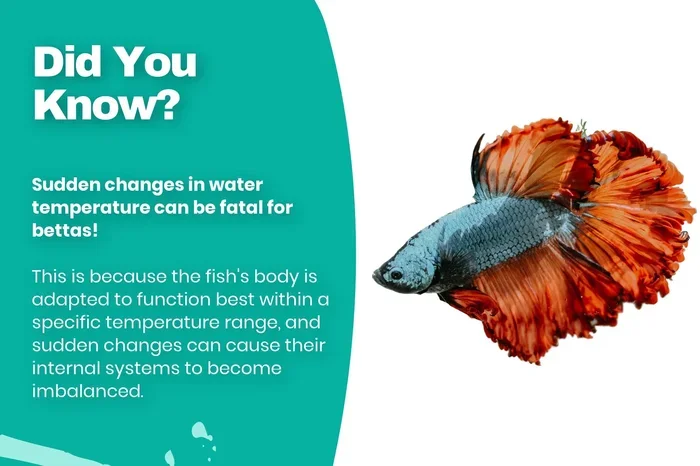
- Keep the Temperature Stable: Bettas thrive in water between 76 and 82 degrees Fahrenheit.
- Maintain Regularly: Weekly water changes and cleaning keep the bowl fresh and your fish happy.
- Avoid Common Mistakes: Skip small bowls under 1 gallon and never use untreated tap water.
- Start Simple: You do not need a fancy filter or heater to get started with a basic bowl setup.
📑 Table of Contents
- Why Setting Up a Betta Fish Bowl the Right Way Matters
- What You Need Before You Start
- Step-by-Step Guide to Setup a Betta Fish Bowl
- Choosing the Right Decorations and Plants
- Maintaining Your Betta Fish Bowl After Setup
- Common Mistakes to Avoid When Setting Up a Betta Fish Bowl
- Expert Tips for a Thriving Betta Bowl
- Final Thoughts on How to Setup a Betta Fish Bowl
Why Setting Up a Betta Fish Bowl the Right Way Matters
Many people think bettas can survive in tiny cups or bowls. That is a common myth. While bettas are hardy fish, they still need proper conditions to thrive. A poorly setup bowl can lead to stress, illness, and a much shorter lifespan. On the other hand, a well-planned betta fish bowl setup gives your fish the best chance to live a long and healthy life.
Your betta fish needs more than just water in a container. The bowl should have stable temperature, clean water, and a comfortable layout. When you take the time to set things up correctly, you will notice your betta swimming more actively and showing brighter colors. A proper setup also makes daily care much easier for you. Instead of constantly fixing problems, you will spend time enjoying your fish.
What You Need Before You Start
Before you begin, gather all the supplies you will need. Having everything ready saves time and prevents stress later. Here is a simple checklist of items you should have on hand before starting your betta fish bowl setup.
Essential Supplies for a Betta Fish Bowl
- A Bowl or Tank: Choose a bowl that holds at least 2.5 gallons. Larger is always better, but 2.5 gallons is the minimum for a single betta.
- Water Conditioner: This removes chlorine and harmful chemicals from tap water. It is essential for any betta fish bowl setup.
- Gravel or Substrate: Use smooth, fine gravel that is easy to clean. Avoid rough or sharp gravel that could hurt your fish.
- A Small Heater: Bettas need warm water between 76 and 82 degrees Fahrenheit. A small aquarium heater helps maintain a stable temperature.
- A Thermometer: This lets you check the water temperature easily and make adjustments when needed.
- Live or Silk Plants: Plants give your betta places to hide and explore. Live plants also help keep the water clean naturally.
- A Small Net: You will need this for water changes and gently moving your fish if necessary.
- Fish Food: High-quality betta pellets or flakes are the best food for your fish.
You do not need every fancy accessory out there. A simple and clean setup works best for bettas. If you are unsure about what to buy, check out our guide on what all you need for a betta fish tank for more ideas on essential supplies.
Step-by-Step Guide to Setup a Betta Fish Bowl
Now that you have your supplies, it is time to start setting up. Follow these steps in order for the best results. Each step builds on the one before it, so do not skip ahead.
Step 1: Choose the Right Location
Place your bowl in a quiet spot away from direct sunlight and drafts. Direct sunlight can cause the water temperature to spike, which is dangerous for your betta. Cold drafts from windows or air vents can also lower the temperature too quickly. A stable room temperature area works best for your betta fish bowl.
Also, choose a spot where you can easily observe your fish. Bettas are curious and enjoy watching their surroundings. Placing the bowl at eye level on a sturdy table or shelf makes it easy to enjoy and monitor your fish every day.
Step 2: Rinse the Bowl and Gravel
Before adding anything, rinse the bowl with clean water. Do not use soap or any cleaning chemicals. Soap residue is toxic to fish and can be fatal. Next, rinse the gravel thoroughly under running water until the water runs clear. This removes dust and debris that could cloud your water later.
Spread the rinsed gravel evenly across the bottom of the bowl. Aim for a layer about one to two inches deep. This gives your betta a natural-looking floor and provides a surface for beneficial bacteria to grow.
Step 3: Add Water and Condition It
Fill the bowl slowly with room-temperature water. Pouring water directly onto the gravel can disturb it, so use a plate or your hand to diffuse the flow. Fill the bowl until it is about one inch from the top, leaving room for water displacement when you add decorations.
Now add your water conditioner following the dosage instructions on the bottle. This step is critical because tap water contains chlorine and chloramine that are harmful to bettas. Let the water sit for a few minutes after adding the conditioner to allow it to work fully. For more tips on water preparation, see our article on how to do a water change for a betta fish.
Step 4: Install the Heater and Thermometer
Place your small aquarium heater near the bottom of the bowl and set it to 78 degrees Fahrenheit. This is the ideal temperature for most bettas. Attach the thermometer on the opposite side of the bowl so you can easily read it.
Wait at least 15 to 30 minutes before moving on. This gives the heater time to bring the water to the right temperature. Check the thermometer to make sure the water is stable. If you are concerned about heating, our guide on how to warm a betta fish bowl offers helpful tips for keeping the water at the perfect temperature.
Step 5: Add Decorations and Plants
This is the fun part. Add your plants, hiding spots, and any other decorations to the bowl. Arrange them so there is an open swimming area in the middle and some sheltered spots near the edges. Bettas love to explore and also need places to rest and hide.
If you are using live plants, make sure they are betta-safe. Avoid plants with sharp edges or thorny leaves. Silk plants work well too, but live plants are better because they help filter the water naturally. For detailed ideas on decorating, check out our article on how to decorate a betta fish bowl.
Step 6: Cycle the Bowl Before Adding Your Betta
This step is often overlooked but very important. Cycling means letting the water run for 24 to 48 hours before adding your fish. This allows beneficial bacteria to start forming and helps stabilize the water parameters. It also gives you time to check the heater and make sure everything is working correctly.
During this time, test the water temperature and make sure it stays steady. If the temperature drops or rises significantly, adjust your heater. Once the water is stable and the temperature is consistent, your bowl is ready for your betta fish.
Step 7: Introduce Your Betta Fish
When you bring your betta home, float the bag it came in on the surface of the bowl for about 15 to 20 minutes. This helps the fish adjust to the new water temperature gradually. Then, gently scoop your betta out of the bag using a small net and release it into the bowl.
Do not pour the bag water into your bowl. The bag water may contain bacteria or contaminants from the store. After releasing your fish, observe it for a few hours. A healthy betta will explore the bowl and start looking for food within the first day.
Choosing the Right Decorations and Plants
The decorations you choose for your betta fish bowl setup do more than just look pretty. They also provide enrichment and make your fish feel secure. Bettas are curious creatures that enjoy having things to explore and hide behind.
Best Plants for a Betta Bowl
- Java Fern: A hardy live plant that grows well in low light. Bettas love to rest on its broad leaves.
- Anubias: Another easy-to-grow plant that adds greenery without taking over the bowl.
- Silk Plants: A great alternative if you are not ready to care for live plants. Make sure they have no rough edges.
- Amazon Sword: A larger plant that works well in bowls of 5 gallons or more.
Décor Ideas That Work Well
When choosing decorations, always prioritize your betta’s safety. Avoid anything with sharp edges, rough surfaces, or small openings that could trap your fish. Smooth rocks, driftwood, and gentle caves make excellent choices. The goal is to create a natural-looking environment that also keeps your fish safe and stress-free.
If you want to add extra comfort, consider placing a betta leaf hammock near the surface. Bettas love to rest just below the water line, and a hammock gives them a perfect spot to relax. Keep the décor simple and avoid overcrowding the bowl. Your betta needs open space to swim freely.
Maintaining Your Betta Fish Bowl After Setup
Setting up the bowl is only half the battle. Regular maintenance keeps the environment healthy for your fish. A clean bowl means a happy betta. The good news is that maintenance does not take much time once you build a routine.
Weekly Water Changes
Plan to change about 25 to 30 percent of the water every week. Use a siphon or small cup to remove the old water gently. Replace it with fresh, conditioned water at the same temperature as the bowl. This prevents the buildup of ammonia and nitrates that can harm your fish.
For step-by-step instructions on water changes, visit our guide on how to do a betta fish water change. Consistency is key here. Skipping water changes is one of the most common mistakes new betta owners make.
Cleaning the Bowl
In addition to weekly water changes, give the bowl a light cleaning every two weeks. Use a soft sponge or cloth to wipe down the inside of the bowl. Never use soap or chemical cleaners. If you have gravel, use a small vacuum to remove debris from the surface.
If you do not use a filter, cleaning becomes even more important. Without a filter, waste particles can build up faster. For tips on keeping a bowl clean without a filter, check out our article on how to clean a betta fish bowl without filter.
Feeding Your Betta Properly
A proper feeding routine supports the overall health of your betta. Feed your fish once or twice a day with a small amount of food. Only give what your betta can eat in two to three minutes. Overfeeding is one of the leading causes of water quality problems and health issues in bettas.
For more detailed feeding guidance, see our article on how much do I feed a betta fish. A well-fed betta will have bright colors, a healthy appetite, and plenty of energy.
Common Mistakes to Avoid When Setting Up a Betta Fish Bowl
Even the best intentions can lead to mistakes. Here are some common errors that new betta owners make and how to avoid them.
- Using a Bowl That Is Too Small: Bowls under 1 gallon do not provide enough space or stable water conditions. Always aim for at least 2.5 gallons.
- Skipping Water Conditioner: Tap water can be deadly for bettas. Always treat the water before adding it to the bowl.
- Overcrowding the Bowl: Bettas are solitary fish. Do not add other fish to a small bowl unless you have a lot of experience.
- Placing the Bowl in Direct Sunlight: This causes temperature swings and encourages algae growth. Choose a spot with indirect light instead.
- Neglecting Regular Maintenance: Even the best setup falls apart without routine care. Stick to your weekly water change schedule.
- Using the Wrong Substrate: Rough or jagged gravel can damage your betta’s delicate fins. Always choose smooth, rounded gravel.
Avoiding these mistakes sets your betta up for success. If you ever feel unsure about your setup, remember that every experienced fish owner started as a beginner. Take your time, do your research, and your betta will thrive.
Expert Tips for a Thriving Betta Bowl
Here are a few extra tips from experienced betta keepers that can make a big difference in the long run.
First, always quarantine new plants before adding them to your bowl. Live plants can carry pests or parasites that harm your fish. Rinse them gently and inspect the leaves before placing them in the water. Second, consider adding a few drops of aquarium salt during water changes. This helps boost your betta’s immune system and promotes healthy fin growth. Just use aquarium-specific salt and follow the dosage instructions carefully.
Finally, pay attention to your betta’s behavior. A happy betta will be active, curious, and have vibrant colors. If your fish seems lethargic or hides constantly, check the water temperature and quality first. Small adjustments can make a huge difference. For more information on betta behavior and health signs, read our article on how do you know a betta fish is dying to learn what warning signs to watch for.
Final Thoughts on How to Setup a Betta Fish Bowl
Setting up a betta fish bowl properly is one of the most rewarding things you can do as a fish owner. It gives you the chance to create a beautiful little underwater world while keeping your betta healthy and happy. The process is straightforward once you know what supplies you need and what steps to follow. Start with a good-sized bowl, prepare clean and conditioned water, add gentle décor, and maintain a consistent care routine.
Remember that every bowl setup is a little different, and that is perfectly fine. What matters most is that your betta feels safe, comfortable, and well-cared for. Take the time to learn, observe your fish, and adjust as needed. With patience and attention, you will build a thriving environment that both you and your betta can enjoy for years to come.
Frequently Asked Questions
What size bowl do I need for a betta fish?
A minimum of 2.5 gallons is recommended for a single betta fish. While bettas can survive in smaller containers, a larger bowl gives them more room to swim and helps maintain stable water conditions. The bigger the bowl, the easier it is to keep the water clean and healthy for your fish.
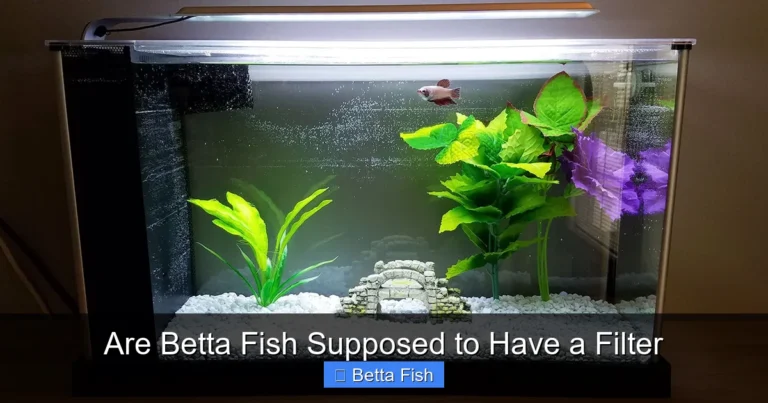
Do I need a filter for a betta fish bowl?
A filter is not strictly necessary for a betta fish bowl, but it does make maintenance much easier. Filters help remove waste and keep the water clean between water changes. If you choose not to use a filter, you will need to do more frequent water changes to keep the bowl clean and your fish healthy.
Can I put other fish in the same bowl as my betta?
It is generally not recommended to house other fish with a betta in a small bowl. Bettas are territorial and can become aggressive toward other fish. In a small space, this can lead to stress and fighting. If you want to keep multiple fish, consider a larger tank with plenty of hiding spots and space.
How often should I change the water in my betta fish bowl?
You should change about 25 to 30 percent of the water every week. This helps remove waste buildup and keeps the water parameters stable. Always use water conditioner when adding fresh water, and make sure the replacement water is the same temperature as the bowl water.
Do betta fish need a heater in their bowl?
Yes, bettas are tropical fish and need warm water to stay healthy. The ideal temperature range is between 76 and 82 degrees Fahrenheit. A small aquarium heater helps maintain a consistent temperature, especially in rooms that tend to get cold. Without proper heating, your betta may become stressed or develop health problems.
What kind of plants are safe for a betta fish bowl?
Java fern, anubias, and silk plants are all safe and popular choices for betta bowls. Live plants like java fern and anubias are low-maintenance and help improve water quality. Avoid plants with sharp edges or thorny leaves that could damage your betta’s delicate fins. Always rinse new plants before adding them to the bowl.