How Many Bones Are in a Betta Fish
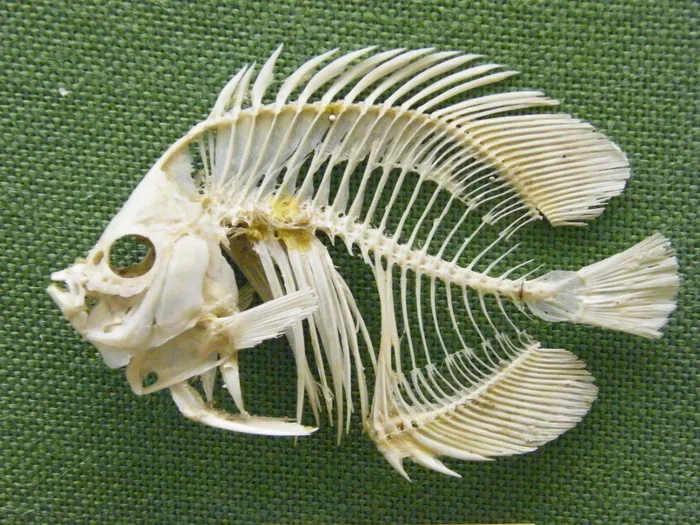
A betta fish has approximately 24 to 30 bones in its spine, along with hundreds more forming its skull, jaw, and fin structures. Understanding betta fish anatomy helps owners provide better care for their pets. The betta fish skeleton is lightweight yet strong, designed for graceful movement through water.
Have you ever wondered what’s happening beneath those flowing fins and brilliant colors? The betta fish is one of the most popular pets in the aquarium world. But beneath that stunning exterior lies a remarkable fish skeleton that makes everything possible. If you have ever held a betta or watched one glide through the water, you might have asked yourself, “how many bones are in a betta fish?”
The answer is more fascinating than you might think. A betta fish has a complex skeletal system made up of dozens of individual bones. These bones work together to support the body, protect vital organs, and allow for the graceful movements bettas are famous for. In this article, we will explore the betta fish anatomy in detail. You will learn exactly how many bones are in a betta fish and why each one matters for your pet’s health and happiness.
Key Takeaways
- A betta fish has around 24 to 30 vertebrae forming its spinal column, plus additional bones in the skull and jaw.
- The betta fish skeleton is lightweight and flexible, which allows for the flowing fins and vibrant swimming patterns these fish are known for.
- Fish bones serve essential functions including protecting organs, supporting the body, and enabling movement.
- A betta fish’s bone structure differs from mammals and other pets, making it uniquely adapted to aquatic life.
- Understanding fish anatomy helps betta owners provide better tank conditions and healthier diets.
- Common bone-related health issues in bettas include spinal deformities caused by poor nutrition or genetics.
- Proper tank setup with enough space supports healthy bone development in betta fish.
📑 Table of Contents
Understanding Betta Fish Anatomy
The betta fish anatomy is built for life in water. Unlike humans or dogs, bettas have a skeleton made entirely of bone and cartilage. This fish skeleton is lightweight but strong. It is designed to help the fish move smoothly through water without using too much energy. Understanding this basic structure helps us appreciate how amazing these little creatures really are.
Bettas belong to a group of animals called vertebrates. This means they have a backbone. Their fish vertebral column runs from the head to the tail. Along this column, individual bones called vertebrae are stacked on top of each other. Each vertebra connects to the next, forming a flexible rod that gives the betta its shape and allows it to bend and swim with ease.
The Skull and Jaw
The skull of a betta fish protects the brain and sensory organs. It is made up of several small bones fused together. The jaw is also made of bone and is designed for grabbing and crushing food. Bettas are carnivores by nature, so their jaw structure is built to handle small insects, larvae, and pellets. The skull bones are delicate but strong enough to protect the brain during swimming and feeding.
The Fin Bones
One of the most beautiful parts of a betta is its fins. But did you know that fins contain bones too? These bones are called fin rays. They are thin, flexible, and made of a material called keratin. Fin rays give the fins their shape and allow them to move gracefully through the water. The dorsal fin, tail fin, and pectoral fins all have these tiny bones. Without them, a betta would not be able to swim or steer properly.
How Many Bones Are in a Betta Fish
Now let us get to the main question. How many bones are in a betta fish? The exact number can vary slightly from fish to fish. However, most bettas have between 60 and 80 bones in total. This includes bones in the spine, skull, jaw, fins, and ribs. It might sound like a lot for such a small fish, but each bone has a specific job to do.
Counting the Vertebrae
The spine is the largest collection of bones in a betta. Most bettas have around 24 to 30 vertebrae. These small bones stack on top of each other and form the backbone. Each vertebra has a small opening where the spinal cord passes through. This is how the brain communicates with the rest of the body. The number of vertebrae can vary depending on the betta’s size and species. Wild bettas might have slightly different counts than selectively bred pet bettas.
The Rib Cage
Bettas also have small ribs that protect their internal organs. These ribs are not as prominent as human ribs. They are thin and lightweight. The rib bones help shield the heart, liver, and other organs from damage. They also provide structural support for the middle section of the body.
Skull and Facial Bones
The skull of a betta fish is made up of many small bones. These include bones around the eyes, the operculum (the bony cover over the gills), and the jaw. Counting all the facial bones, a betta might have around 15 to 20 skull bones. These bones work together to protect the brain and give structure to the head.
Fin Rays and Other Small Bones
The fin rays make up a large portion of the total bone count. Each fin has multiple rays. A betta’s tail fin might have 15 to 20 individual rays. The dorsal fin and pectoral fins also have many rays. When you add up all the fin rays, skull bones, vertebrae, and ribs, the total reaches around 60 to 80 bones. This is a remarkable number for a fish that fits in the palm of your hand.
| Body Part | Approximate Bone Count | Function |
|---|---|---|
| Vertebrae (Spine) | 24 to 30 | Supports body, protects spinal cord |
| Ribs | 10 to 15 | Protects internal organs |
| Skull and Facial Bones | 15 to 20 | Protects brain, supports jaw |
| Fin Rays | 15 to 20 | Enables swimming and steering |
| Other Small Bones | 5 to 10 | Supports gills and other structures |
| Total | 60 to 80 | Full skeletal framework |
Why Bones Matter for Betta Health
Just like in humans, bones play a vital role in a betta fish’s overall health. A healthy betta fish skeleton means a healthy, active fish. When bones are weak or damaged, it can lead to serious problems. Understanding what keeps bones strong helps you be a better betta owner.
Nutrition and Bone Strength
Diet has a direct impact on bone health. Bettas need a balanced diet rich in protein and minerals. Calcium is especially important for strong bones. In the wild, bettas get calcium from eating small crustaceans and insects. In a home tank, you can support bone health by offering high-quality pellets and occasional treats like brine shrimp or bloodworms. A well-fed betta will have a stronger skeleton and more vibrant colors.
Common Bone Problems in Bettas
Bettas can develop bone-related issues just like any other animal. One common problem is spinal deformity. This happens when the vertebrae become curved or misshapen. It can be caused by genetics, poor nutrition, or physical injury. Fish with spinal deformities may have difficulty swimming. They might tilt to one side or struggle to stay upright. While some deformities are not treatable, early detection and better care can prevent worsening.
Another issue is broken fin rays. This can happen if a betta bumps into sharp decorations or gets caught on rough surfaces. Fin rays usually grow back over time if the tank environment is safe. Keeping your tank free of rough edges and sharp objects helps prevent this.
The Role of the Swim Bladder
While not a bone, the swim bladder is closely connected to the skeletal system. The swim bladder is an internal organ that helps bettas control their buoyancy. It works with the bones and muscles to keep the fish at the right depth. If the swim bladder is not working properly, the betta may float upside down or sink to the bottom. This is often confused with a bone problem, but it is actually an organ issue. Feeding bettas properly and avoiding overfeeding helps keep the swim bladder healthy.
Betta Fish Bones Compared to Other Fish
Every fish has a different bone structure. Bettas are part of a group called gouramis. Their fish anatomy shares some features with other gouramis but also has unique traits. For example, bettas have more fin rays than many other tropical fish. This is what gives them those long, flowing fins that make them so popular.
Compared to goldfish, bettas have fewer total bones. Goldfish can have over 100 bones because they are larger and have more complex body structures. Compared to mammals like dogs or cats, fish bones are much simpler. Mammals have hollow bones filled with marrow. Fish bones are solid and lightweight. This difference is what makes fish so agile in water.
If you are curious about other fish species, check out our guide on how many gallons for a betta fish. Proper tank size supports healthy bone development and overall well-being.
How Tank Setup Affects Bone Health
You might be surprised to learn that the tank environment affects a betta’s bones. A well-maintained tank reduces stress and promotes healthy growth. Here are some key factors to consider.
- Tank Size: Bettas need enough room to swim freely. A cramped tank can cause stress, which weakens the immune system and affects bone health over time. Consider reading our guide on tank sizing for more details.
- Water Quality: Clean water with proper pH levels supports bone strength. Poor water quality can lead to infections that weaken the skeletal system. Regular water changes are essential.
- Decorations: Avoid sharp or rough decorations that can damage fins and bones. Smooth gravel and soft plants are better choices for your betta’s safety.
- Temperature: Bettas are tropical fish and need warm water. Cold water can slow down their metabolism and weaken their bones over time. Keeping the temperature between 76 and 82 degrees Fahrenheit is ideal.
A healthy tank environment is one of the best things you can do for your betta’s skeleton. When your fish feels safe and comfortable, it can focus its energy on growth and staying healthy.
Interesting Facts About Betta Fish Bones
Here are some fun and surprising facts about the betta fish skeleton that every fish lover should know:
- Bettas have a special bone called the operculum. This is the bony plate that covers the gills. It acts like a protective shield and helps the fish breathe efficiently.
- The bones in a betta’s fins are not true bones. They are called lepidotrichia, which are bony fin rays. They are flexible and can regrow if damaged.
- Betta vertebrae are much smaller than human vertebrae. Each one is only a fraction of a millimeter wide. Yet they work together to support the entire body.
- Bettas can feel pressure through their bones. Tiny bones in the head connect to the lateral line system, which detects vibrations in the water.
- The number of bones can vary by breed. Fancy bettas with long fins may have slightly more fin rays than standard bettas. This is one reason their fins look so dramatic.
If you are interested in how long your betta’s bones and body will last, check out our article on how long do betta fish live in a tank. Understanding lifespan helps you plan the best care routine for your fish.
How to Support Healthy Bones in Your Betta
Keeping your betta’s bones strong and healthy is not complicated. It comes down to a few simple habits. Here is what you can do every day to support your fish’s skeletal health.
- Feed a varied diet. Offer high-quality pellets as the base. Add frozen or live foods like brine shrimp and daphnia a few times a week. This provides the calcium and minerals needed for strong bones.
- Keep the water clean. Test the water regularly and change 20 to 30 percent of the water each week. Clean water prevents infections that can weaken bones.
- Maintain proper temperature. Use a reliable heater to keep the water in the ideal range. Stable temperatures reduce stress and promote healthy growth.
- Provide hiding spots. Bettas feel safer in tanks with plants and caves. Less stress means a stronger immune system and healthier bones.
- Avoid aggressive tank mates. If you are considering adding other fish, read our guide on can you put other fish in with a betta fish to make safe choices.
Small daily actions add up over time. A well-cared-for betta can live for several years with a strong and healthy skeleton. Your attention to detail makes all the difference.
When to See a Vet
Most betta owners will never need to worry about bones. But sometimes problems do arise. If you notice your betta swimming oddly, tilting to one side, or having trouble staying upright, it is worth investigating. These could be signs of a skeletal issue or a swim bladder problem.
Look for other symptoms too. Loss of appetite, faded colors, or visible swelling near the spine are all warning signs. A vet who specializes in fish can examine your betta and recommend treatment. Early intervention often leads to better outcomes. Do not wait too long if you suspect something is wrong.
Conclusion
The betta fish skeleton is a marvel of nature. With around 60 to 80 bones, every single one plays a role in keeping your fish healthy, active, and beautiful. From the vertebrae that form the backbone to the delicate fin rays that create those stunning flowing tails, the betta fish anatomy is truly remarkable. Understanding how many bones are in a betta fish gives you a deeper appreciation for these wonderful pets.
By providing proper nutrition, clean water, and a safe tank environment, you can support your betta’s bone health for years to come. Keep learning, keep caring, and enjoy the journey of being a betta fish owner. Your fish will thank you with vibrant colors and graceful swimming for a long time.
Frequently Asked Questions
How many bones does a betta fish have in its spine?
A betta fish typically has between 24 and 30 vertebrae in its spine. These small bones form the backbone and allow the fish to bend and swim gracefully through the water.
Can a betta fish break its bones?
Yes, betta fish bones can break, especially the delicate fin rays. This usually happens from physical injury caused by sharp decorations or rough tank mates. Most fin rays can regrow if the tank environment is made safe and stress-free.
Do betta fish have more bones than other tropical fish?
Not necessarily. The bone count depends on the species and size of the fish. Bettas have around 60 to 80 bones total, which is typical for a small tropical fish. Larger fish generally have more bones than smaller ones.
Can poor diet affect a betta’s bones?
Absolutely. A betta that does not get enough calcium and minerals in its diet may develop weaker bones over time. Feeding a balanced diet with high-quality pellets and occasional protein-rich treats helps keep bones strong and healthy.
Are betta fish bones visible to the naked eye?
Some bones are visible if you look closely, especially the fin rays. However, most bones are hidden beneath the skin and scales. X-rays would be needed to see the full skeleton clearly.
What causes spinal deformities in betta fish?
Spinal deformities in bettas can be caused by genetics, poor nutrition, or physical injury. In some cases, the condition is present from birth. In other cases, it develops over time due to environmental factors or an imbalanced diet.
=== META TITLE ===
How Many Bones Are in a Betta Fish? Complete Guide
=== URL SLUG ===
how-many-bones-are-in-a-betta-fish
=== INTERNAL LINKS USED ===