How Long Do Betta Fish Livegrey Accent Furniture

So how long do betta fish live? The average betta fish lifespan ranges from 3 to 5 years, but with the right care, some bettas can live up to 7 years or more. Your betta fish lifespan depends heavily on tank conditions, diet, water quality, and genetics. This guide covers everything you need to know to help your betta fish live a long and healthy life.
Have you ever wondered how long do betta fish live? If you are thinking about bringing a betta fish into your home, understanding their lifespan is the first step toward being a great fish parent. Betta fish are beautiful, colorful creatures that bring life to any room. But like any pet, they need proper care to thrive and live a full life.
The betta fish lifespan depends on many factors. These include tank setup, water quality, diet, and genetics. In this article, we will walk you through everything you need to know. By the end, you will have a clear picture of what it takes to help your betta fish live a long and happy life.
Many people buy bettas from pet stores without knowing much about their needs. This often leads to short, unhappy lives. But it does not have to be this way. With a little knowledge and effort, you can give your betta the best possible life. Let us dive in and explore the world of betta fish longevity together.
Key Takeaways
- Average betta fish lifespan: Most bettas live 3 to 5 years with proper care.
- Tank size matters: A 5-gallon tank or larger significantly improves betta fish lifespan.
- Water quality is critical: Regular maintenance and clean water prevent diseases that shorten lifespan.
- Male vs female betta fish live: Females often live slightly longer than males due to less stress from territorial behavior.
- Diet affects longevity: A varied, high-quality diet keeps bettas healthy and extends their life.
- Wild vs captive betta fish live: Wild bettas face shorter lifespans due to harsh environments and predators.
- Common mistakes shorten lifespan: Overcrowding, poor diet, and neglecting water changes are the top killers.
📑 Table of Contents
Understanding Betta Fish Lifespan
How Long Do Betta Fish Live on Average?
The typical betta fish lifespan in captivity is 3 to 5 years. However, this number can vary quite a bit. Some bettas live only 2 years, while others surprise their owners by reaching 7 years or more. The key difference lies in how well the fish is cared for.
When you ask how long do betta fish live, the honest answer is: it depends. A betta fish kept in a small bowl with no filter and infrequent water changes will likely live a shorter life. On the other hand, a betta in a well-maintained 5-gallon tank with a healthy diet can easily reach the upper end of the range.
If you want to learn more about the specifics of betta lifespan, check out our article on how long do betta fish live for a deeper dive.
What Affects Betta Fish Lifespan?
Several factors play a big role in determining how long betta fish live. Let us break them down so you can focus on what matters most.
- Tank Size: Bettas need at least a 5-gallon tank. Smaller bowls restrict movement and build up toxins quickly.
- Water Quality: Clean, properly filtered water prevents infections and stress. Dirty water is the number one killer of pet bettas.
- Temperature: Bettas are tropical fish. They need warm water between 76 and 82 degrees Fahrenheit. Cold water weakens their immune system.
- Diet: A varied diet of high-quality pellets, frozen bloodworms, and brine shrimp keeps bettas healthy and strong.
- Stress Levels: Aggressive tank mates, bright lights, and loud noises can stress bettas. Stress weakens their immune system and shortens their life.
- Genetics: Some bettas are simply bred stronger than others. Buying from reputable breeders improves your odds of a long-lived fish.
For more details on how tank size impacts lifespan, read our guide on how long do betta fish live in a 5 gallon tank.
How to Maximize Your Betta Fish Lifespan
Want your betta to live as long as possible? The good news is that there is a lot you can do. Proper care makes a huge difference. Below, we share the best tips for extending your betta fish lifespan.
Set Up the Right Tank Environment
Your betta fish tank is its entire world. Making it comfortable and safe is the foundation of a long life. Here is what you need to do.
- Choose a tank of at least 5 gallons. A larger tank gives your betta room to swim and explore.
- Add a gentle filter. Bettas do not like strong currents, so choose a filter with a sponge pre-filter.
- Use a heater to maintain a steady temperature of 78 degrees Fahrenheit.
- Add live or silk plants for hiding spots. Avoid sharp plastic decorations that can tear their fins.
- Perform 25 percent water changes every week. This keeps ammonia and nitrite levels at zero.
A well-set-up tank is the single best thing you can do for your betta. If you want to learn about proper maintenance routines, visit our article on how often do I clean a betta fish bowl.
Feed a Balanced and Nutritious Diet
What you feed your betta directly impacts its health and longevity. Bettas are carnivores. They need protein-rich food to thrive. Here is a simple feeding guide.
- Staple Food: High-quality betta pellets should make up the bulk of their diet. Look for pellets with real fish meal as the first ingredient.
- Treats: Offer frozen or live bloodworms, brine shrimp, or daphnia 2 to 3 times per week.
- Feeding Schedule: Feed small amounts twice a day. Overfeeding is a common mistake that leads to bloating and poor water quality.
- Fast Days: Skip one feeding per week. This helps prevent constipation and keeps their digestive system healthy.
For tips on feeding schedules, especially for specific breeds, check out our guide on how often do you feed a crowntail betta fish.
Keep Stress Levels Low
Stress is a silent killer for betta fish. A stressed betta is more likely to get sick and develop infections. Here are simple ways to keep your betta calm.
- Place the tank in a quiet area away from loud TVs and speakers.
- Avoid placing the tank in direct sunlight. It causes temperature swings and algae blooms.
- Do not keep two male bettas in the same tank. They will fight and injure each other.
- Use dim, soft lighting. Bettas prefer a slightly darker environment that mimics their natural habitat.
- Avoid tapping on the glass or startling your fish suddenly.
Male vs Female Betta Fish Lifespan
You might wonder if gender affects how long do betta fish live. The short answer is yes, there is a slight difference. Female bettas tend to live a bit longer than males on average. Here is why.
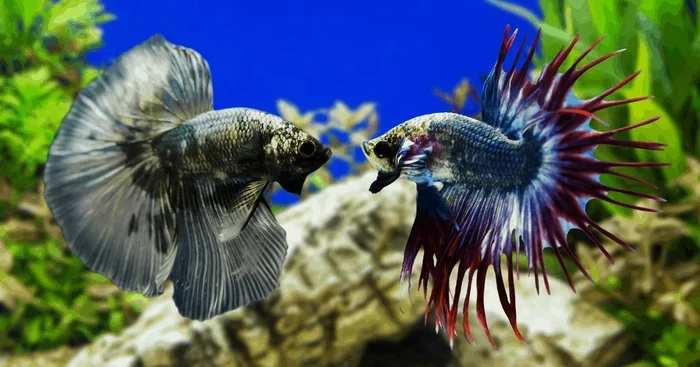
Male bettas are bred for their long, flowing fins and vibrant colors. While beautiful, these traits come at a cost. The long fins make males slower swimmers and more prone to fin rot and infections. They also tend to be more territorial and aggressive, which raises their stress levels.
Female bettas have shorter fins and a more streamlined body. This makes them slightly more agile and resilient. They also tend to handle stress a bit better. However, keeping multiple females together (a sorority) can introduce its own stress if the tank is too small or not set up correctly.
For more specific information on female betta lifespan, read our article on how long do female betta fish live.
If you are curious about male bettas specifically, we also cover this in our article on how long do male betta fish live.
Common Health Issues That Shorten Betta Fish Lifespan
Even with the best care, bettas can get sick. Knowing the common problems helps you catch them early. Early treatment often means the difference between a short illness and a life-threatening one.
Fin Rot
Fin rot is one of the most common issues bettas face. It causes the edges of the fins to look ragged, white, or frayed. Poor water quality is usually the culprit. Treating fin rot early with aquarium salt or medication can save your fish. If left untreated, it can spread to the body and become fatal.
Columnaris
Columnaris is a bacterial infection that looks like white patches or cotton-like growths on the body. It spreads quickly and can be deadly within days. Stress and poor water conditions make bettas vulnerable to this disease. Quick treatment with antibiotics can help, but prevention through clean water is always better.
Swim Bladder Disease
Swim bladder disease affects a betta’s ability to swim properly. The fish may float sideways, sink to the bottom, or struggle to stay upright. Overfeeding and constipation are the most common causes. Feeding a small amount of shelled pea can help relieve constipation in many cases.
Parasites
External parasites like ich (white spot disease) and velvet can attach to your betta’s skin and gills. These show up as tiny white or gold dots on the body. Quarantining new fish before adding them to your tank is the best way to prevent parasites from spreading.
If you notice any signs of illness, act fast. Learn more about recognizing sick fish in our article on how do you cure a sick betta fish.
Betta Fish Lifespan in the Wild vs Captivity
Wild bettas and pet bettas live very different lives. Understanding this contrast helps you appreciate what your fish goes through every day in your care.
In the wild, bettas live in shallow rice paddies, marshes, and slow-moving streams in Southeast Asia. Their betta fish lifespan in the wild is often shorter than in captivity. They face predators, food scarcity, extreme weather changes, and poor water conditions during droughts. Many wild bettas only live 1 to 2 years.
In captivity, bettas are protected from predators and receive regular meals. A clean tank and stable conditions allow them to live their full potential. This is why proper tank care is so important. You are giving your betta a life that is far safer and more comfortable than anything they would experience in the wild.
For a deeper look at wild betta lifespans, check out our article on how long do betta fish live in the wild.
Quick Tips to Extend Your Betta Fish Lifespan
Here is a quick cheat sheet of the most important things you can do to help your betta live a long life.
- Keep the tank at least 5 gallons. Bigger is always better.
- Test water parameters weekly. Ammonia and nitrite should always be at zero.
- Maintain a steady temperature of 78 degrees Fahrenheit.
- Feed a varied diet. Pellets, frozen foods, and occasional treats keep them healthy.
- Do regular water changes. A 25 percent change weekly works wonders.
- Avoid overcrowding. Bettas do best alone or with very peaceful tank mates.
- Watch for early signs of illness. Catching problems early saves lives.
Following these simple steps gives your betta the best chance at a long, healthy life. Your fish will thank you with vibrant colors and active behavior every single day.
Final Thoughts on Betta Fish Lifespan
So, how long do betta fish live? The answer is in your hands. With the right tank setup, a balanced diet, clean water, and a stress-free environment, your betta can live 5 years or more. The betta fish lifespan is not just a number. It is a reflection of the care and love you put into keeping your fish healthy.
Remember that every betta is different. Genetics, age at purchase, and past care all play a role. But by following the tips in this guide, you give your betta the best shot at a long and happy life. Start today. Your fish will live longer because of it.
If you are new to betta keeping or want to learn more, explore our full library of betta fish care articles. We are here to help you become the best fish parent you can be.
Frequently Asked Questions
What is the average betta fish lifespan?
The average betta fish lifespan is 3 to 5 years. With excellent care, some bettas can live up to 7 years. The key factors are tank size, water quality, and diet.
Can betta fish live longer than 5 years?
Yes, betta fish can live longer than 5 years. Many owners report their bettas reaching 6 or 7 years old. This usually happens when the fish is kept in a well-maintained 5-gallon tank with a healthy diet and stable water conditions.
How long do betta fish live in a small bowl?
Betta fish kept in small bowls often live only 1 to 2 years. Small bowls lack filtration and make it hard to maintain clean water. The stress and poor water quality significantly shorten their lifespan.
Do male or female betta fish live longer?
Female betta fish tend to live slightly longer than males. Males have longer fins that make them more prone to infections and fin rot. They also experience more stress from territorial behavior, which can impact their overall health.
What is the main reason betta fish die early?
The main reason betta fish die early is poor water quality. Dirty water leads to ammonia buildup, which damages their gills and weakens their immune system. Overfeeding and wrong tank temperature are also major contributors to early death.
How can I make my betta fish live longer?
You can make your betta fish live longer by keeping a tank of at least 5 gallons, performing regular water changes, feeding a varied and high-quality diet, and maintaining stable water temperature. Reducing stress and watching for early signs of illness also helps significantly.