How Do I Stop My Betta Fish from Fighting
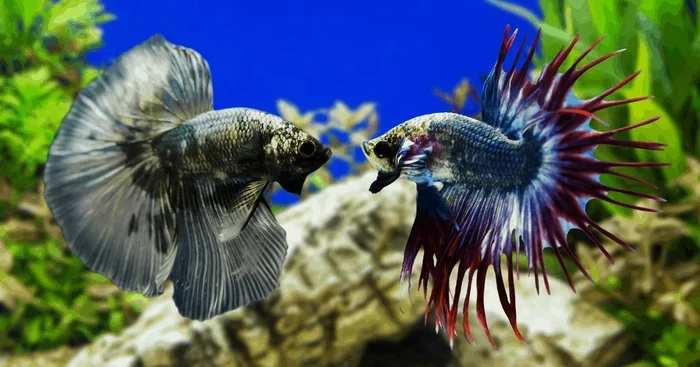
Stopping your betta fish from fighting starts with understanding why they fight in the first place. Male bettas are naturally territorial, so proper tank setup, enough space, and the right tank mates make all the difference. This guide gives you simple, actionable steps to reduce aggression and keep your fish healthy and stress-free.
Have you ever walked up to your betta fish tank and seen two fish flaring their gills, chasing each other, or even nipping at fins? It’s a stressful scene for any fish keeper. How do i stop my betta fish from fighting is one of the most common questions new and experienced aquarists ask.
Betta fish, also known as Siamese fighting fish, are beautiful but territorial. Their natural instinct to defend their space can lead to fights that cause injuries or worse. The good news is that with the right setup and a few smart changes, you can significantly reduce or even eliminate fighting behavior. This guide walks you through everything you need to know.
Whether you keep one betta or multiple fish in a community tank, understanding betta fish aggression is the first step. Let’s dive into practical solutions that work.
Key Takeaways
- Understanding Betta Aggression: Know why bettas fight so you can address the root cause effectively.
- Proper Tank Setup: A spacious tank with hiding spots dramatically reduces fighting behavior.
- Choosing the Right Tank Mates: Not all fish get along with bettas, and picking compatible species is essential.
- Feeding and Diet Matters: How and when you feed your betta impacts its aggression levels.
- Monitoring Behavior: Catching early signs of stress and aggression helps you act before problems escalate.
- Separate When Needed: Sometimes dividers or separate tanks are the safest solution.
📑 Table of Contents
Understanding Why Betta Fish Fight
Before you can stop the fighting, you need to understand what causes it. Bettas are not random fighters. Their aggression serves a purpose in the wild, and your tank environment can trigger or reduce that behavior.
The Territorial Nature of Bettas
In their natural habitat in Southeast Asia, bettas claim small territories in rice paddies, streams, and shallow ponds. A male betta will defend his space against other males fiercely. This is hardwired into their DNA. Even in a home aquarium, your betta sees its tank as its territory and reacts to any perceived threat.
Male bettas have long, flowing fins that make them look impressive but also make them targets. Other fish may nip at those fins, which triggers defensive aggression. Understanding this helps you see that fighting is not just “temper” — it’s survival instinct.
Common Triggers for Fighting
Several factors can set off aggressive behavior in your betta. Here are the most common ones:
- Overcrowding: Too many fish in a small tank creates constant stress and territorial disputes.
- Mirror exposure: Bettas see their own reflection and think it’s a rival male.
- Poor tank layout: Lack of hiding spots leaves bettas with nowhere to retreat.
- Bright lighting: Harsh lights increase stress and make bettas more alert and defensive.
- Incompatible tank mates: Adding fish that look similar or are too active can provoke attacks.
- Breeding instincts: During spawning, male bettas become extremely aggressive toward anything nearby.
Setting Up the Right Tank to Prevent Fighting
The single most effective way to reduce fighting is to design your tank properly. A well-planned tank layout gives your betta the space and security it needs to feel calm.
Tank Size Matters
Many people think bettas can live in tiny bowls. That’s a myth. A small bowl makes your betta feel trapped and increases territorial behavior. A tank of at least 5 gallons is recommended for a single betta. If you plan to keep a community tank, go bigger — 10 gallons or more gives everyone room to establish their own zones.
More water volume means diluted waste, more stable parameters, and less chance of your fish feeling crowded. When fish feel safe in their environment, they are far less likely to fight.
Adding Hiding Spots and Plants
Live or silk plants create natural barriers in your tank. Your betta will use these as visual breaks, which reduces the feeling that another fish is constantly invading its space. Driftwood, rocks, and caves also give your fish places to retreat when they feel threatened.
Avoid sharp decorations that could tear delicate fins. Soft plants like java fern, anubias, and amazon sword work great. These plants also improve water quality, which supports overall betta fish health.
Lighting and Water Conditions
Soft, dim lighting helps keep bettas relaxed. If your tank light is very bright, consider adding floating plants like duckweed or water lettuce. These create a natural canopy that filters the light and makes your betta feel more secure.
Keep the water temperature between 76 and 82 degrees Fahrenheit. Stable water parameters reduce stress, and a stress-free betta is a less aggressive betta. Regular water changes and proper filtration play a big role here too.
Choosing Compatible Tank Mates
If you want a community tank, picking the right companions for your betta is critical. Some fish species coexist peacefully, while others will trigger constant fighting.
Fish That Work Well with Bettas
These species are generally considered safe tank mates for bettas:
- Corydoras catfish: Peaceful bottom dwellers that stay out of your betta’s way.
- Neon tetras: Small, fast, and non-threatening when kept in groups.
- Kuhli loaches: Eel-like fish that keep to themselves and scavenge at night.
- Snails: Nerite snails and mystery snails add activity without any risk of conflict.
- Ghost shrimp: Inexpensive and mostly ignored by bettas.
Fish to Avoid
Some fish will provoke your betta or become targets for its aggression. Avoid these:
- Other male bettas — never house two males together.
- Fish with bright colors or long fins, like guppies or angelfish, which bettas may see as rivals.
- Very active, nippy fish like tiger barbs that will provoke defensive responses.
- Large fish that may bully or eat your betta.
If you’re unsure about compatibility, research each species carefully. Also, monitor your tank closely after adding new fish. If you notice persistent chasing or fin nipping, be prepared to rehome the problematic fish.
Feeding Strategies to Reduce Aggression
What and how you feed your betta has a surprising impact on its behavior. A well-fed betta is a calmer betta. Hunger and competition for food are major causes of fighting, especially in community tanks.
Feeding Schedule and Portions
Feed your betta small amounts twice a day. Overfeeding leads to health problems and poor water quality, which increases stress. Underfeeding causes your fish to become desperate and more aggressive toward tank mates competing for food.
High-quality betta pellets should form the base of the diet. Supplement with frozen or live foods like bloodworms and brine shrimp a few times a week. This variety keeps your betta healthy and satisfied.
If you keep multiple fish, feed the betta separately first to ensure it gets its share. Use a turkey baster or target feeding to give your betta food directly. This reduces competition and the chance of food-related fights.
Using Dividers and Separate Tanks
Sometimes the best solution is physical separation. If you have two male bettas or two fish that simply cannot coexist, a tank divider or separate tanks are the safest option.
Tank Dividers
A betta fish tank divider lets you keep two fish in the same aquarium without them coming into contact. Mesh or plastic dividers are affordable and easy to install. Your fish can still see each other, which satisfies some of their territorial curiosity, but they cannot fight.
Make sure the divider is secure and has no gaps. A curious betta may try to squeeze through. Also, ensure both sides have adequate filtration and space.
When to Use Separate Tanks
If a divider doesn’t work or your fish are extremely aggressive, separate tanks are the way to go. This is especially true for fish recovering from injuries caused by fighting. A quarantine tank gives your injured betta time to heal without stress or further attacks.
If you need guidance on setting up a quarantine or treatment setup, check out our article on how long to quarantine your betta fish after treatment for helpful tips.
Recognizing and Addressing Early Signs of Aggression
The earlier you catch fighting behavior, the easier it is to fix. Bettas give clear signals before a fight breaks out, and knowing these signs helps you intervene quickly.
Warning Signs to Watch For
Look out for these behaviors that indicate rising tension in your tank:
- Flaring: Your betta spreads its gills and fins to look larger. Occasional flaring is normal, but constant flaring at the same fish is a problem.
- Chasing: One fish relentlessly pursuing another is a clear sign of territorial aggression.
- Fin nipping: Torn or ragged fins suggest your betta or a tank mate is biting.
- Hiding: A fish that hides constantly may be stressed or afraid of a bully in the tank.
- Loss of appetite: Aggression often leads to stress, which causes fish to stop eating.
If you notice your betta isn’t eating, that’s a red flag. Stress from fighting can suppress their appetite quickly. For more information on this topic, visit our guide on what to do if your betta fish isn’t eating.
What to Do When Fighting Occurs
If you catch your fish in the middle of a fight, act fast. Remove the aggressor temporarily using a small container or net. Give both fish time to calm down before reintroducing them. In some cases, permanent separation is the only humane choice.
Also check your water parameters immediately after a fight. Stress hormones and injuries can spike ammonia levels quickly, which endangers all fish in the tank. Regular testing and maintenance keep your tank stable and safe.
Expert Tips for a Peaceful Betta Tank
Experienced fish keepers follow a few habits that make a big difference. Here are some insider tips to help you maintain a harmonious aquarium.
Rearrange Decorations Regularly
Bettas memorize their tank layout and defend specific zones. When you rearrange the decorations, you reset the territory map. This can reduce established aggression, especially in smaller tanks. Just be careful not to disturb your beneficial bacteria too much.
Add Visual Barriers
Even in a well-planted tank, adding a few extra obstacles helps. A piece of driftwood or a tall plant in the middle of the tank breaks sightlines and gives fish a sense of separate territories.
Keep a Routine
Bettas thrive on routine. Feed them at the same times each day. Perform water changes on a consistent schedule. A predictable environment reduces stress, and a less stressed betta is far less likely to fight.
If you want to learn more about daily betta care routines, our article on how to take care of a betta fish covers all the essentials.
Conclusion
Stopping your betta fish from fighting comes down to understanding their needs and creating the right environment. From tank size and layout to feeding schedules and tank mate selection, every choice you make impacts your fish’s behavior. There is no single magic fix — it’s the combination of all these factors that creates a peaceful aquarium.
Start by evaluating your current setup. Are there enough hiding spots? Is the tank big enough? Are your tank mates compatible? Small changes can lead to big improvements. Your betta deserves a calm, safe home, and you deserve the joy of watching a healthy, happy fish.
Be patient. Adjusting to new tank setups takes time for both you and your fish. Stick with these strategies, observe your fish closely, and make adjustments as needed. With consistency and care, you can enjoy a beautiful, harmonious aquarium where your betta thrives.
Remember, every betta is an individual. Some are more mellow than others, and some need extra attention to feel secure. Trust your instincts as a fish keeper, stay observant, and always prioritize your fish’s well-being.
Frequently Asked Questions
Why does my betta fish fight with other fish in the tank?
Betta fish are naturally territorial and see other fish as intruders, especially those with bright colors or long fins. Male bettas in particular have strong instincts to defend their space. Providing enough room, hiding spots, and compatible tank mates reduces this behavior significantly.
Can two female bettas live together peacefully?
Yes, female bettas can sometimes live together in groups called sororities, but it requires careful setup. You need a tank of at least 10 gallons with plenty of hiding spots and plants. Even then, some females may be too aggressive and need to be separated permanently.
How do I know if my betta fish is stressed from fighting?
Watch for signs like loss of appetite, faded colors, clamped fins, hiding constantly, or rapid breathing. These are clear indicators that your betta is under stress. Check your water parameters and reduce any sources of aggression in the tank immediately.
Is it okay to keep a mirror near my betta fish tank?
No, mirrors should be avoided. When a betta sees its reflection, it thinks it’s a rival male and flares constantly. This exhausts the fish and increases stress. Remove any mirrors or reflective surfaces near the tank to keep your betta calm.
What should I do if my betta fish gets injured in a fight?
Separate the injured fish immediately to prevent further harm. Check the wound for signs of infection like redness or swelling. Maintain clean water and consider adding aquarium salt to promote healing. If the injury doesn’t improve, consult a fish veterinarian or experienced aquarist.
Can changing my betta’s diet help reduce aggression?
Yes, diet plays a role in behavior. A well-fed betta with a varied diet of high-quality pellets, frozen foods, and live foods tends to be calmer. Avoid feeding just one type of food, and make sure your betta gets enough to eat without overfeeding, which can also cause health and behavioral problems.