How Long Do Male Betta Fish Live

Male betta fish typically live 2‑5 years, but with optimal water conditions, balanced nutrition, and attentive care, they can reach the upper end of that range or even exceed it. Understanding the factors that influence their lifespan helps you create a thriving environment that keeps your finned friend healthy and vibrant.
Key Takeaways
- Average lifespan: Most male bettas live 2‑5 years, with 3 years being the most common.
- Water quality matters: Stable temperature, proper pH, and regular water changes are the biggest longevity boosters.
- Nutrition is key: A high‑protein diet with occasional treats prevents disease and supports growth.
- Stress reduction: Avoid aggressive tank mates, provide hiding spots, and keep lighting consistent.
- Health monitoring: Early detection of fin rot, swim‑bladder issues, or parasites can add precious months.
- Genetics play a role: Choose reputable breeders; healthy lineages tend to live longer.
- Regular check‑ups: Quarterly water tests and visual inspections keep problems from snowballing.
📑 Table of Contents
- Introduction: Why the Lifespan Question Matters
- 1. The Typical Lifespan of a Male Betta
- 2. Factors That Directly Impact Longevity
- 3. Setting Up the Perfect Home for a Long Life
- 4. Daily and Weekly Care Routines
- 5. Common Health Problems and How They Shorten Life
- 6. Real‑World Examples: Betta Owners Who Beat the Odds
- Conclusion: Your Betta’s Future Is in Your Hands
Introduction: Why the Lifespan Question Matters
When you first bring a bright‑red male betta home, the excitement is hard to contain. You watch his fins flare, his tail ripple, and you start dreaming about all the moments you’ll share. But soon a practical question pops up: how long do male betta fish live? Knowing the answer isn’t just trivia—it guides how you set up the tank, what you feed, and how you watch for signs of trouble.
In this guide we’ll break down the typical lifespan, explore the science behind it, and give you step‑by‑step tips to stretch those years. Think of it as a friendly chat over coffee, where I share the exact things that helped my own bettas thrive for over four years.
1. The Typical Lifespan of a Male Betta
Average numbers you’ll see
Across most hobbyist surveys, male bettas average 2 to 5 years of life. The median sits around 3 years. Factors like tank size, water parameters, and genetics cause the range to widen.

Visual guide about How Long Do Male Betta Fish Live
Image source: cdn.shopify.com
What the experts say
Articles such as How Long Do Betta Fish Live 2 and How Long Do Betta Fish Live For echo the same numbers, reinforcing that a well‑cared‑for male can comfortably hit the 4‑year mark.
Why males sometimes outlive females
Male bettas are hardy because they evolved to survive in shallow, oxygen‑poor rice paddies. Their labyrinth organ lets them gulp air, giving them a survival edge. Females, while beautiful, often have a slightly shorter average due to the extra energy spent on egg production.
2. Factors That Directly Impact Longevity
Water quality – the #1 life extender
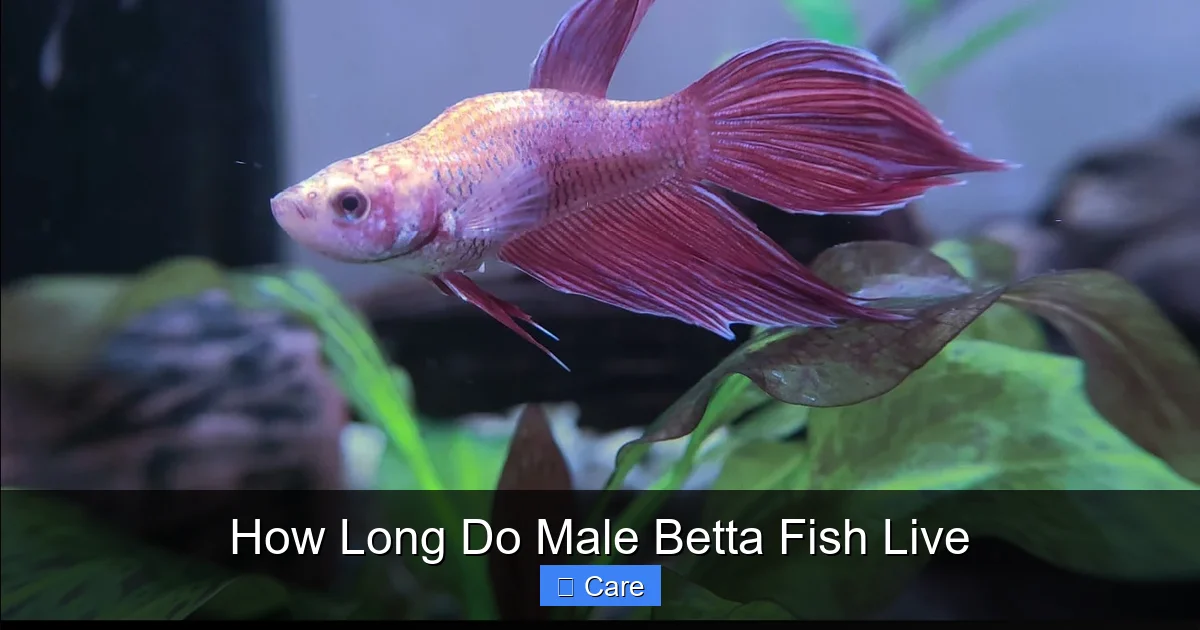
Betta fish are sensitive to ammonia, nitrite, and fluctuating pH. Keep temperature steady at 78‑80°F (25‑27°C), pH between 6.5‑7.5, and perform a 25‑30% water change weekly. Using a gentle filter designed for bettas prevents strong currents that can stress them.
Visual guide about How Long Do Male Betta Fish Live
Image source: buildyouraquarium.com
Diet and feeding routine
A high‑protein staple (betta pellets or frozen bloodworms) fed twice daily in amounts they can consume within two minutes works best. Overfeeding leads to bloating and water quality issues, both lifespan killers.
Tank size and décor
Although bettas can survive in 2‑gallon bowls, a 5‑gallon tank provides more stable water and room to swim, which translates to a longer, healthier life. Add live plants or silk decorations for hiding spots; this reduces stress.
Genetics and breeding background
Fish from reputable breeders with health‑tested lines tend to avoid common deformities that shorten life. Avoid wild‑caught specimens; they often carry parasites.
Stressors to eliminate
- Bright, constant lighting – use a 10‑hour on/off cycle.
- Incompatible tank mates – male bettas are territorial; see What Fish Can Live With A Male Betta for safe options.
- Loud vibrations or frequent tapping on the tank glass.
3. Setting Up the Perfect Home for a Long Life
Choosing the right tank
Go for a glass or acrylic tank with a lid (betas love to jump). A 5‑gallon long tank offers a horizontal swimming area, which mimics their natural environment better than a tall bowl.

Visual guide about How Long Do Male Betta Fish Live
Image source: japanesefightingfish.org
Filtration and heating
Use a low‑flow sponge filter or a hang‑on‑back filter with a gentle spray bar. Pair it with an aquarium heater that maintains a steady temperature; a thermostat prevents dangerous spikes.
Substrate and plants
Fine sand or smooth gravel works well. Live plants like Java moss or Anubias improve water quality and give your betta places to rest.
Lighting schedule
Provide 10‑12 hours of dim, natural‑looking light. A timer takes the guesswork out of it and keeps the circadian rhythm stable, which research shows can affect lifespan.
4. Daily and Weekly Care Routines
Feeding tips
Offer 2‑3 pellets or a few bloodworms twice a day. On weekends you can give a “treat” of brine shrimp. Remove any uneaten food after five minutes to keep the water clean.
Water testing
Invest in a basic test kit. Check ammonia, nitrite, nitrate, and pH weekly. If any level spikes, do a partial water change immediately.
Cleaning schedule
Weekly 25‑30% water changes keep toxins low. When you change water, rinse the substrate with dechlorinated water to avoid uprooting beneficial bacteria.
Health checks
Look for torn fins, discoloration, or abnormal swimming. Early detection of issues like fin rot or swim‑bladder disease can add months to your betta’s life.
5. Common Health Problems and How They Shorten Life
Fin rot
Often caused by poor water quality. Trim frayed fins and treat with a small dose of aquarium salt (1 g per 5 gallons) for a week.
Swim‑bladder disorder
Overfeeding or constipation can affect buoyancy. Fast your betta for 24‑48 hours and offer a pea (blanched) to clear the gut.
Ich and parasites
Spot white dots? Increase temperature to 82°F for a few days and treat with a copper‑based medication. Quick action prevents fatal spreads.
Longevity tip
Regular observation combined with prompt treatment is the single most effective way to extend a male betta’s lifespan.
6. Real‑World Examples: Betta Owners Who Beat the Odds
Case Study 1 – “Blue Lightning”
Blue Lightning was a 2‑year‑old male when his owner switched from a 2‑gallon bowl to a 10‑gallon planted tank, added a heater, and started weekly water changes. Within six months his fin condition improved, and he reached 4.2 years before peacefully passing. The owner attributes the extra 2 years to water stability and diet.
Case Study 2 – “Jewel”
Jewel lived in a 5‑gallon tank with live plants and a low‑flow filter. The owner fed a mix of high‑quality pellets and occasional frozen daphnia. Jewel showed no signs of disease and celebrated his 5th birthday—well beyond the average.
Takeaway
Both stories highlight two core actions: stable, clean water and a varied, protein‑rich diet. Replicate these and you’ll give your male betta the best shot at a long, colorful life.
Conclusion: Your Betta’s Future Is in Your Hands
Understanding that male bettas generally live 2‑5 years is just the start. By controlling water quality, feeding wisely, providing a spacious, stress‑free environment, and staying vigilant for health issues, you can push that lifespan toward the upper end of the range—and maybe even a little beyond.
Remember, each betta is an individual. Some will thrive for five years, others may bow out sooner. Your commitment to daily care makes the difference. So set up that proper tank, keep the water perfect, and enjoy the spectacular displays of a happy, healthy male betta for as long as nature allows.
Frequently Asked Questions
How often should I change the water for a male betta?
Change 25‑30% of the water weekly. This keeps ammonia and nitrite low while preserving beneficial bacteria.
Can a male betta live with other fish?
Male bettas are territorial. They can share a tank with peaceful, non‑fin‑nipping species like small rasboras or shrimp, but always monitor for aggression.
What temperature is ideal for a long‑lived male betta?
Maintain a steady 78‑80°F (25‑27°C). Sudden spikes or drops stress the fish and shorten its lifespan.
Is a larger tank really necessary?
Yes. A 5‑gallon tank provides stable water parameters and more swimming space, both of which are proven to extend a betta’s life.
How can I tell if my betta is getting older?
Older bettas may show slower movement, less vibrant colors, and occasional fin wear. Regular health checks help you adjust care as they age.
Do genetics affect how long a male betta lives?
Absolutely. Betas from reputable breeders with healthy lineages tend to live longer than wild‑caught or poorly bred fish.