How Long Do Betta Fish Livre
So, how long do betta fish live? On average, a betta fish lifespan ranges from 3 to 5 years, but with the right care, some bettas can live up to 7 years or more. Understanding what affects betta fish longevity — from tank setup to diet and water quality — is the key to giving your fish a long, healthy life.
If you have a betta fish or are thinking about getting one, you probably want to know how long do betta fish live. The answer is not as simple as a single number. Many factors play a role in determining your betta’s lifespan. Everything from the tank size to the food you feed matters more than you might think.
Betta fish, also known as Siamese fighting fish, are popular pets around the world. They are known for their bright colors and flowing fins. But behind those beautiful fins is a fish that needs proper care to thrive. Many new fish owners do not realize that bettas need more than just a small bowl. Giving your betta the right environment can make a huge difference in how many years you get to enjoy your fishy friend.
In this guide, we will walk through everything you need to know about betta fish lifespan. We will cover what affects how long betta fish live, common mistakes that shorten their life, and simple steps you can take to help your betta live a long and happy life. Whether you are a beginner or a seasoned betta owner, there is something here for you.
Key Takeaways
- Average lifespan: Most betta fish live between 3 and 5 years with proper care.
- Tank size matters: A 5-gallon tank or larger significantly improves your betta’s health and longevity.
- Water quality is critical: Keeping the water clean and at the right temperature helps prevent disease.
- Diet affects longevity: Feeding a balanced betta diet with variety supports a longer life.
- Stress shortens life: Avoiding overcrowding and aggressive tank mates keeps your betta healthy.
- Female bettas often live longer: With proper care, female betta fish can outlive males in some cases.
- Wild vs. captive lifespan: Wild bettas face more dangers, so captive bettas often live longer with good care.
📑 Table of Contents
How Long Do Betta Fish Live on Average?
The average betta fish lifespan is about 3 to 5 years. This is the typical range you will see in most care guides. But that number is just the starting point. Some bettas live shorter lives, while others surprise their owners by reaching 6 or even 7 years old.
The lifespan of a betta fish depends heavily on where it comes from. A betta bought from a pet store may have a different start in life compared to one bred at home. Pet store bettas often live in small cups with limited space, which can stress them out from a young age. This early stress can affect their overall health and how long they live.
On the other hand, bettas that are raised in proper aquarium conditions from birth tend to be healthier and live longer. The care they receive in their first few weeks of life sets the foundation for their future. If you want a betta that has the best chance of living a long life, consider buying from a reputable breeder who raises bettas in good conditions.
Betta Fish Lifespan in Captivity vs. the Wild
You might wonder how betta fish live in the wild compared to life in a home aquarium. Wild bettas face many challenges. They deal with predators, changing water conditions, and limited food sources. Because of these dangers, wild bettas often have a shorter life expectancy than pet bettas.
In captivity, bettas are protected from most threats. They get regular meals, clean water, and veterinary care when needed. However, captivity comes with its own risks. Poor tank maintenance, wrong water parameters, and unhealthy diets can all shorten a captive betta’s life. The key is to replicate their natural habitat as closely as possible while keeping things safe and stable.
If you want to learn more about how bettas survive in their natural homes, check out our guide on how long betta fish live in the wild. Understanding their natural environment helps you create a better home for them.
What Affects Betta Fish Lifespan?
Several factors determine how long your betta fish will live. Some of these factors are in your control, and some are not. Let us break down the biggest influences on betta fish longevity.
Tank Size and Setup
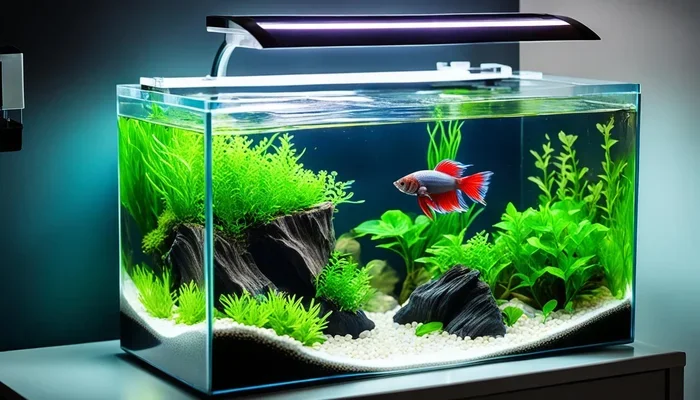
One of the most important factors is the size of your betta’s tank. Many people still believe that bettas can live happily in a tiny bowl. This is a myth. Bettas need space to swim and explore. A 5-gallon tank or larger is the minimum recommended size for a single betta. In a small bowl, water quality drops fast, and toxins build up quickly, which can make your betta sick.
A larger tank is easier to keep stable. It gives you more room for a filter and heater, both of which are essential. Stable water temperature and clean water are the building blocks of a long betta fish lifespan. If you want detailed tips on tank setup, our article on how long betta fish live in a 5-gallon tank covers this topic in depth.
Water Quality and Temperature
Bettas are tropical fish. They need warm water to stay healthy. The ideal temperature range is between 76°F and 82°F (24°C to 28°C). Water that is too cold can make your betta sluggish and prone to illness. Water that is too hot can stress them out and reduce oxygen levels.
Water quality is just as important. Ammonia and nitrite levels should always be at zero. Nitrate levels should stay below 20 parts per million. Regular water changes — about 25% every week — help keep these levels in check. Using a water conditioner to remove chlorine and chloramine is also essential. Poor water quality is one of the top reasons bettas get sick and their lifespan shortens.
Diet and Nutrition
What you feed your betta plays a big role in its health and longevity. Bettas are carnivores. They need a diet that is high in protein. Pellets made specifically for bettas are a great staple food. You can also offer frozen or live foods like brine shrimp and bloodworms as treats.
Overfeeding is a common mistake. Bettas have small stomachs, and eating too much can lead to bloating, constipation, and other health problems. Feed your betta 2 to 3 small meals per day, and only give them what they can eat in a few minutes. A balanced betta diet keeps their immune system strong and supports a longer, healthier life.
How to Help Your Betta Fish Live Longer
Now that you know what affects betta fish lifespan, let us talk about what you can do to help your betta live as long as possible. These tips are simple but powerful.
1. Keep the Tank Clean
Regular tank maintenance is the single best thing you can do for your betta. This means weekly water changes, cleaning the substrate, and checking your filter. A clean tank means fewer harmful bacteria and toxins in the water. Your betta will be less stressed and less likely to get sick.
2. Provide Enrichment
Bettas are curious creatures. They enjoy exploring their environment. Adding plants, caves, and places to hide makes their tank more interesting. Live plants are especially great because they help filter the water naturally. A stimulating environment keeps your betta active and mentally healthy, which contributes to a longer life.
3. Monitor Your Betta’s Health
Watch your betta every day. Look for changes in behavior, appetite, or appearance. If your betta stops eating, looks pale, or stays at the bottom of the tank, something might be wrong. Catching health issues early gives your betta the best chance of recovery. If you notice signs of illness, act quickly. Our guide on how to cure a sick betta fish can help you identify and treat common problems.
4. Avoid Stressors
Stress is a silent killer for bettas. Avoid placing the tank near loud speakers or in direct sunlight. Do not keep your betta with aggressive tank mates. Even bright lights can stress some bettas out. A calm, quiet environment helps your betta feel safe and stay healthy.
5. Quarantine New Fish and Plants
If you ever add new fish or plants to your tank, quarantine them first. New arrivals can carry diseases or parasites that spread to your betta. A quarantine tank lets you observe new additions for a couple of weeks before introducing them to your main tank. This simple step can prevent outbreaks that could shorten your betta’s life.
Male vs. Female Betta Fish Lifespan
You might have heard that male and female bettas have different lifespans. The truth is that both sexes can live long lives with proper care. However, there are some differences worth noting.
Male bettas are the ones most people think of when they picture a betta fish. They have long, flowing fins and vibrant colors. Because of their beauty, male bettas are the most commonly sold in pet stores. On average, male bettas live about 3 to 5 years. Their long fins can sometimes make them more prone to fin rot and other issues, which can affect their lifespan if not treated quickly.
Female bettas tend to have shorter fins and less vivid colors. But they are often hardier and may be slightly more resilient to certain diseases. With proper care, female betta fish can live just as long as males, and in some cases, even longer. If you want to learn more about this topic, check out our article on how long female betta fish live.
Both male and female bettas benefit from the same core care principles: clean water, proper diet, and a stress-free environment. Gender alone does not determine how long your betta will live. The care you provide makes the biggest difference.
Common Health Issues That Shorten Betta Fish Life
Even with the best care, bettas can still get sick. Knowing the common health problems helps you spot them early and take action. Here are the most frequent issues that can shorten a betta’s lifespan.
Fin Rot: This is a bacterial or fungal infection that affects the fins. It causes the fins to look ragged, discolored, or to slowly dissolve. Fin rot is often caused by poor water quality. Regular water changes and a clean tank are the best prevention.
Columnaris: This is a bacterial disease that causes white patches on the body and fins. It spreads quickly and can be fatal if not treated. Columnaris often strikes when water quality is poor or when the fish is stressed.
Swim Bladder Disease: This condition affects your betta’s ability to swim properly. The fish may float upside down or struggle to stay upright. Overfeeding and constipation are common causes. Feeding peas (with the skin removed) can sometimes help relieve constipation.
Ich (White Spot Disease): Ich shows up as tiny white spots on the body and fins. It is caused by a parasite and spreads easily. Raising the water temperature slightly and using medication can treat ich effectively.
Knowing these common diseases means you can act fast if you notice symptoms. Early treatment makes a huge difference in outcomes. For more information on recognizing when something is seriously wrong, read our article on how to know if your betta fish is dying.
Quick Tips to Extend Your Betta Fish Lifespan
Here is a quick list of simple habits that can help your betta live a longer, happier life:
- Keep the water temperature stable between 76°F and 82°F.
- Perform weekly water changes of 25% or more.
- Feed a varied diet of high-quality pellets, frozen foods, and occasional treats.
- Never overfeed. Remove any uneaten food after a few minutes.
- Use a gentle filter to keep the water clean without creating strong currents.
- Add live plants to improve water quality and provide hiding spots.
- Watch your betta daily for any signs of illness or stress.
- Avoid placing the tank near drafty windows or heat sources.
- Do not use bowls smaller than 5 gallons. A proper tank makes all the difference.
- Keep the tank away from loud noises and constant vibrations.
Following these tips consistently gives your betta the best possible chance at a long life. Small daily habits add up over time and make a big impact on your betta’s overall well-being.
Conclusion
So, how long do betta fish live? The answer is in your hands. With the right care, a clean tank, a good diet, and a stress-free environment, your betta can live a full and happy life of 5 years or more. The average betta fish lifespan of 3 to 5 years is just the baseline. Your betta can exceed that with the love and attention you give it.
Remember that every betta is different. Some are naturally hardier, while others may need extra care. The most important thing is to pay attention to your fish and respond quickly to any signs of trouble. A healthy betta is a happy betta, and a happy betta is one that will bring you joy for many years to come.
Take what you have learned from this guide and put it into action today. Check your water parameters, review your feeding routine, and make sure your tank setup is up to par. Your betta fish will thank you with years of colorful, lively companionship.
Frequently Asked Questions
Can betta fish live up to 10 years?
It is very rare for a betta fish to live past 7 years. While some owners report their bettas reaching 8 or 9 years, this is not common. Most bettas live between 3 and 5 years. To give your betta the best chance at a long life, focus on excellent water quality, proper diet, and a stress-free environment.
Why did my betta fish die so fast?
Many bettas die early because of poor living conditions. Small bowls, dirty water, wrong temperatures, and overfeeding are common causes. Stress and untreated diseases also shorten a betta’s life. If you have lost a betta, do not be too hard on yourself. Learning proper care helps you give your next betta a much better life.
Do betta fish live longer in bigger tanks?
Yes, bettas generally live longer in larger tanks. A 5-gallon tank or bigger provides more stable water conditions, better oxygen levels, and more space for your betta to swim. Larger tanks are also easier to maintain because water parameters fluctuate less. This stability reduces stress and helps your betta stay healthy for longer.
What is the oldest betta fish on record?
The oldest recorded betta fish lived to about 9 or 10 years old, though this is extremely rare. These exceptional cases usually involve excellent care from a dedicated owner. Most bettas live well within the 3 to 5 year range. But with the right setup and attention, you can give your betta the best possible chance at a long life.
How can I tell how old my betta fish is?
It can be hard to tell a betta’s exact age, especially if you bought it from a pet store. Young bettas have bright, vivid colors and upright fins. Older bettas may show faded colors, slower movement, and fins that look slightly worn. If you bought your betta as a juvenile, it is likely around 6 months to 1 year old. Knowing its approximate age helps you plan for its care needs.
Does food affect how long do betta fish live?
Absolutely. Diet is one of the most important factors in betta fish longevity. A balanced diet of high-quality betta pellets, frozen or live foods, and occasional treats keeps your betta healthy and strong. Overfeeding is the biggest dietary mistake. It leads to obesity, constipation, and poor water quality. Feed your betta small amounts 2 to 3 times a day for the best results.