How Long Do Betta Fish Live
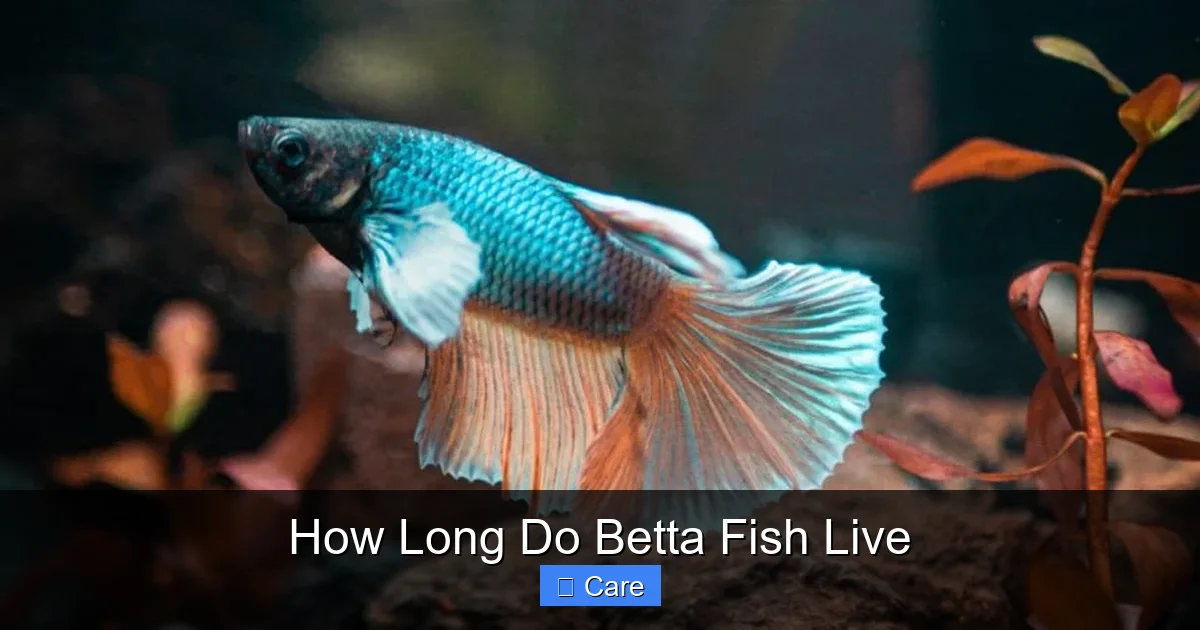
The average betta fish lives 2-4 years, but with optimal care, they often reach 5+ years. Their lifespan is primarily determined by genetics, water quality, diet, and tank environment—not just the myth that they’re ” disposable” pets. Providing a heated, filtered tank of at least 5 gallons, high-protein food, and regular maintenance is non-negotiable for longevity. Understanding their needs transforms your betta from a short-lived decoration to a long-term companion.
Key Takeaways
- Genetics set the baseline: A betta’s potential lifespan (3-5+ years) is inherited. Choose a healthy fish from a reputable source to start strong.
- Tank size and filtration are critical: A minimum 5-gallon heated, filtered tank is essential. Small bowls or unfiltered containers drastically shorten life due to toxic water.
- Water quality is the #1 factor: Weekly 25-50% water changes and a stable tropical temperature (78-80°F/25-27°C) prevent disease and stress.
- Diet matters more than you think: Feed high-quality pellets/frozen foods, avoid overfeeding, and never use plant-based “vegetarian” diets. Protein is key.
- Enrichment reduces stress: Bettas are intelligent. Provide plants, hiding spots, and gentle stimulation to prevent boredom and lethargy.
- Watch for signs of aging: As bettas age (3+ years), they may fade in color, slow down, and be more susceptible to illness. Adjust care accordingly.
- Owner responsibility defines the outcome: A betta in ideal conditions can outlive the “2-year myth.” Your daily choices directly determine their longevity.
📑 Table of Contents
The Surprising Truth About Betta Fish Lifespan
You’ve seen them, haven’t you? Those dazzling, flowing little fish perched in tiny cups or bowls at the pet store, labeled as “low-maintenance” or even “beginner pets.” The common belief is that betta fish, with their dramatic fins and bold personalities, are destined for a short, 1-2 year life. But what if we told you that with the right knowledge and care, your betta could be a vibrant, interactive companion for 5, 6, or even 7 years? The question “how long do betta fish live?” doesn’t have a single number. It has a range, and where your fish falls on that spectrum is almost entirely up to you.
Let’s clear the water right away. The myth of the betta fish living happily in a jar is just that—a myth, born from their unique ability to survive in poor conditions. Survival is not thriving. In the wild, bettas (Betta splendens) inhabit the shallow, warm, slow-moving waters of Thailand’s rice paddies and floodplains. These environments are vast, plant-rich, and have stable water parameters. Replicating even a fraction of that in captivity is the secret to unlocking their full lifespan potential. This article isn’t just about numbers; it’s a roadmap to giving your betta the life it deserves. We’ll dissect the factors you can control, debunk common misconceptions, and provide actionable steps to help your finned friend grow old with you.
Decoding the Lifespan: Genetics vs. Environment
To understand a betta’s lifespan, we must separate what we cannot change from what we absolutely can. Think of it like human longevity: great genes can give you a head start, but lifestyle determines the final outcome. For bettas, the split is roughly 40% genetics and 60% environment and care.

Visual guide about How Long Do Betta Fish Live
Image source: bestfishkeeping.com
The Genetic Blueprint: What You Start With
Not all bettas are created equal. The fish you bring home has a genetic history that influences its hardiness. A betta bred for extreme, flowing fins (like a half-moon or rose-tail) may have a more delicate constitution than a simpler plakat (short-finned) variety, simply because generations of selective breeding for ornamentation can sometimes come at the cost of robustness. Likewise, fish from large-scale commercial breeders focused on quantity may have weaker immune systems compared to those from dedicated, ethical hobbyist breeders who prioritize health alongside beauty.
Practical Tip: When selecting a betta, choose one that is active, alert, and has undamaged, flowing fins. Avoid fish that are listless, clamped, or have obvious tears or rot. A reputable local fish store (LFS) or a well-reviewed online breeder is often a better source than a big-box retailer, as their stock is typically fresher and less stressed from long shipping times.
The Environmental Equation: Your Power to Extend Life
This is where you come in. Environment encompasses everything from the size of the home you provide to the temperature of the water and the food you serve. It’s the daily, weekly, and monthly habits that compound into years of health or a cascade of problems. Let’s break down the pillars of environmental care.
- Tank Size and Cycling: The “bowl myth” is perhaps the most damaging. A betta in a 1-gallon bowl is like a human living in a closet. Ammonia builds up rapidly from waste and uneaten food, poisoning the fish and burning its gills. A properly cycled 5-gallon (19-liter) tank is the absolute minimum. Cycling means establishing beneficial bacteria that convert toxic ammonia into less harmful nitrates. This process takes 4-6 weeks and is non-negotiable for a healthy, long-lived betta.
- Heating and Filtration: Bettas are tropical fish. They require a stable water temperature of 78-80°F (25-27°C). A small, adjustable aquarium heater is essential. Cold water slows their metabolism, suppresses their immune system, and makes them prone to diseases like dropsy. A gentle filter (a sponge filter is ideal) is needed to cycle the tank and keep the water clear without creating a current too strong for their flowing fins.
- Water Quality and Maintenance: Even with a filter, toxins accumulate. A weekly water change of 25-50% is crucial. Use a water conditioner to remove chlorine and chloramines from tap water. Test water parameters regularly with an affordable liquid test kit (API Freshwater Master Test Kit is the gold standard). Ammonia and nitrite should always be at 0 ppm, and nitrates should be kept below 20 ppm.
The Pillars of Optimal Betta Care for Longevity
We’ve established the framework. Now, let’s build the house. Here is a detailed, actionable guide to creating a habitat that supports a long, healthy life.
Visual guide about How Long Do Betta Fish Live
Image source: petpad.net
Setting Up the Ultimate Betta Home
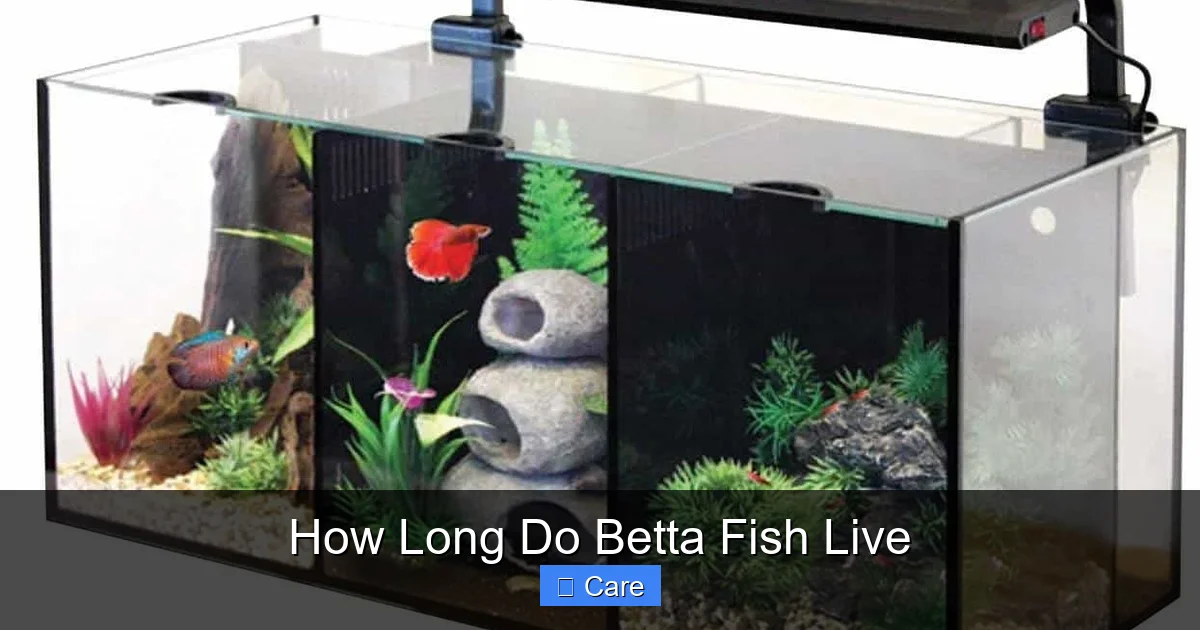
Forget the “betta in a vase” trend. Your goal is a stable, spacious, and enriched ecosystem. Start with a 5-gallon tank or larger. Long, shallow tanks (like a 10-gallon long) are better than tall, narrow ones, as they provide more surface area for oxygen exchange and swimming space. Use a soft, fine-grained substrate like sand or smooth gravel to protect their delicate fins and bellies.
Decoration is not just for looks; it’s for mental health. Bettas are intelligent and need places to explore and hide. Use live plants (like Anubias, Java fern, or Marimo moss balls) or high-quality silk plants. Live plants help absorb nitrates and improve water quality. Add structures like terracotta pots, coconut hides, or driftwood with gentle curves. Avoid anything with sharp edges. A secure lid is a must—betta fish are notorious jumpers.
Feeding for a Century (Or At Least 5 Years)
Bettas are carnivores, not vegetarians. Their short digestive tracts are designed for a protein-rich diet of insects and larvae in the wild. Feeding them flake food or “vegetarian” pellets is a recipe for constipation, bloating, and swim bladder issues.
What to Feed: High-quality betta-specific pellets or granules (New Life Spectrum, Hikari Betta Bio-Gold are excellent). Supplement 2-3 times a week with frozen or freeze-dried foods like bloodworms, daphnia, or brine shrimp. Daphnia is especially good as it has a mild laxative effect.
How to Feed: The “two-minute rule” is a good guide. Offer a small pinch of food (no more than 2-3 pellets or a few frozen bits) and remove any uneaten food after 2 minutes. Feed once or twice a day, maximum. Overfeeding is the fastest way to foul your water and harm your fish. A betta’s stomach is roughly the size of its eye.
The Non-Negotiable Routine: Water Changes & Testing
Consistency is the hallmark of an expert betta keeper. Your weekly routine should be:
- Test water parameters (ammonia, nitrite, nitrate, pH).
- Prepare new water in a clean container, conditioned with water conditioner. Match the temperature as closely as possible to the tank water.
- Use a gravel vacuum to siphon out 25-50% of the tank water, cleaning the substrate as you go to remove debris.
- Gently add the new, conditioned water back into the tank. Pour it slowly over a cup or your hand to avoid shocking the fish.
- Wipe down the glass and clean the filter media (rinse in old tank water, never tap water, to preserve bacteria).
This ritual prevents the silent killers—ammonia spikes and nitrate poisoning—that claim far more betta lives than any disease.
Common Health Threats and Prevention
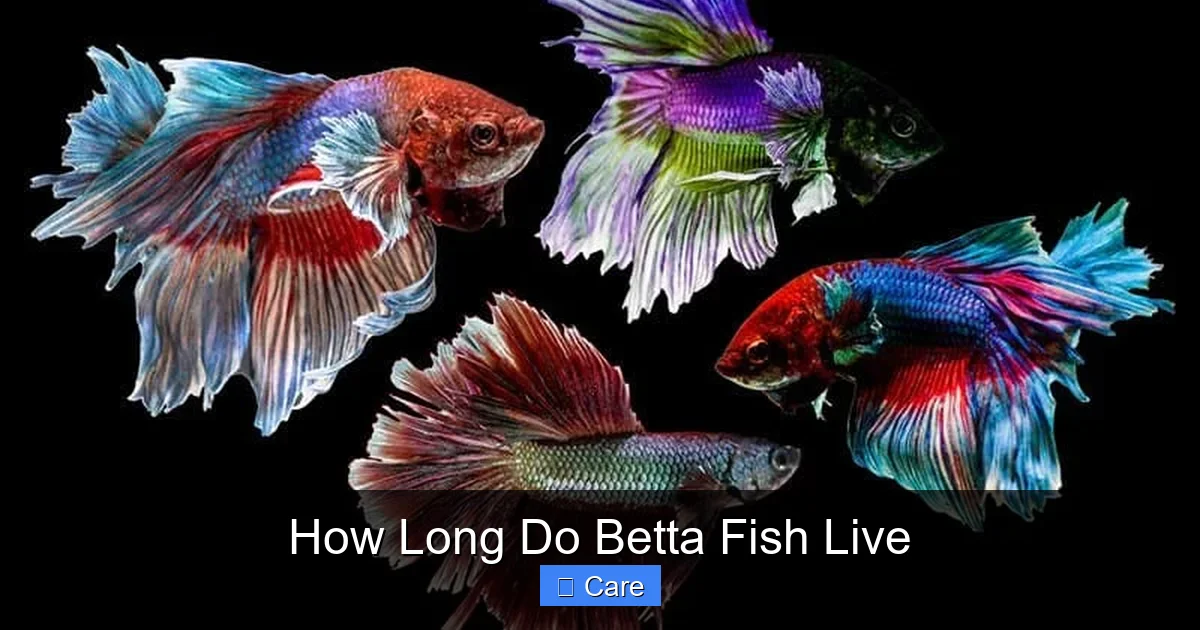
Even in the best home, bettas can fall ill. However, a strong immune system built on pristine water and good nutrition can fight off most issues. Prevention is always cheaper and more humane than treatment.
Visual guide about How Long Do Betta Fish Live
Image source: petpad.net
Recognizing the Big Three: Fin Rot, Ich, and Velvet
Fin Rot: Caused by bacteria, often due to poor water quality. Fins appear torn, frayed, and may have a white or black edge. Treatment involves pristine water, antibacterial medication (like Kanaplex or Furan-2), and salt baths (only in a hospital tank).
Ich (White Spot Disease): A parasitic infection. Look for tiny, salt-like white dots on the body and fins. The fish will also scratch against objects (flashing). Treatment requires raising the tank temperature to 82-84°F (28-29°C) and using a copper-based or herbal ich treatment for the full lifecycle of the parasite (about 2 weeks).
Velvet: Another parasite. It looks like a fine gold or rust dusting on the fish, especially visible under a flashlight. The fish will be lethargic and scratch. Treatment is similar to ich, using copper sulfate or specific velvet medications.
Golden Rule: Always quarantine new fish in a separate hospital tank for 2-4 weeks before adding them to your main display tank. This prevents introducing pathogens that could devastate your established ecosystem.
Swim Bladder Disorder: More Than Just Overfeeding
When a betta floats uncontrollably, sinks, or swims sideways, it’s often a swim bladder issue. While overfeeding and constipation are common causes (fast for 3 days, then feed daphnia), other causes include bacterial infection, injury, or congenital defects. If fasting doesn’t resolve it in a couple of days, consider a broad-spectrum antibiotic like Maracyn 2, as internal bacterial infection is a frequent culprit.
Senior Betta Care: Nurturing an Aging Companion
If you’ve done everything right, your betta will reach its golden years, typically around age 3-4. Aging bettas show subtle changes: colors may fade slightly (this is normal, not always a sign of disease), activity levels decrease, and fins may not be as full. They become more susceptible to temperature fluctuations and water quality issues.
Adjustments for Seniors:
- Water Temperature: Keep it on the warmer side of their range (80°F/27°C) to aid digestion and circulation.
- Easier Access to Food: Use a feeding ring or place food directly in front of them. Consider slightly pre-softer pellets if their mobility is limited.
- Gentler Décor: Ensure all plants and hides are easily accessible. Remove any tall decorations they might struggle to swim over.
- More Frequent, Smaller Water Changes: Instead of a large 50% weekly change, do 25% changes twice a week to maintain impeccable water quality with less stress.
- Monitor closely. A once-vibrant betta that becomes listless, stops eating, or has persistent clamping may be signaling the end of its natural life. Provide a calm, quiet environment and consult an aquatic vet if you suspect treatable illness.
Conclusion: Your Betta’s Lifespan is in Your Hands
So, how long do betta fish live? The data is clear: while the average in poor conditions is tragically short, the potential is far greater. A well-cared-for betta, provided with a heated and filtered tank of adequate size, a protein-rich diet, and diligent water maintenance, has an excellent chance of living 4, 5, or even 6 years. Some dedicated owners report lifespans of 7-9 years.
This isn’t about achieving a record; it’s about respect. The betta fish, with its centuries of history as a fighting fish in Southeast Asia, has been reduced to a disposable ornament in the West. It’s time to change that narrative. When you bring a betta home, you’re committing to its well-being. You are the architect of its environment, the chef of its diet, and the guardian of its health. By moving beyond the myths and investing in proper care, you don’t just extend a timeline—you enrich a life. You’ll be rewarded with a fish that recognizes you, performs for you, and displays a personality as vivid as its colors. That’s not a 2-year commitment. That’s a meaningful, long-term companionship. Start building that world for your betta today, and watch how long and how beautifully it can thrive.
Frequently Asked Questions
Can betta fish live in a bowl without a filter or heater?
No. While bettas can survive in poor conditions briefly, a bowl without filtration or heating leads to rapid ammonia buildup and cold, stressful water. This severely shortens their lifespan and causes chronic health issues. A filtered, heated 5+ gallon tank is the minimum for a healthy life.
What is the single most important thing I can do to help my betta live longer?
Maintaining pristine water quality through regular, consistent water changes (25-50% weekly) and using a water test kit. Clean water is the foundation of health, preventing stress and disease more than any other single factor.
How can I tell if my betta is happy and healthy?
A happy betta is active, curious, and flares at its reflection or a new object. Its fins are held upright and flowing (unless a plakat), colors are bright, and it eagerly eats. It will rest on plants or the tank bottom occasionally, which is normal. Lethargy, clamped fins, fading color, or loss of appetite are signs of illness or stress.
Do betta fish get lonely? Should I get tank mates?
Bettas are solitary and territorial by nature. They do not get “lonely” in the way humans do and are often happiest alone. Adding tank mates is high-risk due to aggression and requires a very large, heavily planted tank (20+ gallons) and careful species selection. For a beginner or a standard 5-10 gallon tank, a betta should be kept singly.
Why is my old betta’s color fading?
Color fading is a natural part of aging for many bettas, similar to humans graying. As long as the fish is otherwise active, eating, and has no sores or ragged fins, fading alone is not a disease sign. However, sudden or patchy fading, especially with other symptoms, can indicate illness like velvet or bacterial infection.
My betta jumped out of the tank! What are the chances of survival?
Bettas can survive out of water for a short time if they land on a wet surface. Immediately place them back in their tank. You may need to add an air stone to oxygenate the water for them, as they may be in shock. Watch closely for signs of recovery (gulping air, swimming normally). If they are limp and unresponsive, sadly, they likely did not survive the trauma and drying out. A tight-fitting lid is the only prevention.