Can Betta Fish Eat Ramen
Wondering if you can give your betta a bite of ramen? While the idea sounds fun, ramen isn’t a suitable food for bettas and can cause serious health problems. Learn why it’s unsafe and what nutritious options you should offer instead.
Key Takeaways
- Ramen is not safe: The high sodium, spices, and additives in ramen can harm betta fish.
- Digestive systems differ: Betta fish are carnivores that need protein‑rich, low‑fiber foods.
- Better alternatives: Live or frozen foods like brine shrimp, daphnia, and high‑quality betta pellets are ideal.
- Feeding frequency: Betas should be fed small amounts 2‑3 times daily, not large human meals.
- Watch for signs: Look for loss of color, lethargy, or bloating if you accidentally feed inappropriate foods.
- Water quality matters: Improper foods can quickly foul the tank, stressing your fish.
- Use reputable sources: Follow expert guides such as What Can Betta Fish Eat for safe diet choices.
Quick Answers to Common Questions
Can I feed my betta a tiny piece of plain cooked noodle?
Even plain noodles lack the protein bettas need and can cause digestive issues, so it’s best to avoid them entirely.
Is there any situation where ramen could be safe for a betta?
No. The salt and additives are always harmful, regardless of the amount.
What should I do if my betta accidentally eats ramen?
Immediately remove any leftover food, perform a partial water change, and monitor your fish for stress signs.
Can bettas survive on a diet of only betta flakes?
Flakes can work short‑term, but live or frozen protein sources provide better nutrition and encourage natural hunting behavior.
How often should I feed my betta?
Two to three small feedings per day, offering only what they can eat in a few minutes each time.
📑 Table of Contents
Introduction: The Curious Case of Ramen and Betta Fish
It’s a funny thought, isn’t it? You’re slurping up a warm bowl of ramen, and your betta fish watches with those big, curious eyes. You might wonder, “Can betta fish eat ramen?” The short answer is a firm no. While it’s tempting to share a bite of your favorite snack, bettas have very specific dietary needs that human foods simply don’t meet.
In this article we’ll break down why ramen is a bad idea, explore the biology behind a betta’s diet, and give you practical tips for feeding your fish safely. By the end, you’ll know exactly what to put in that tiny bowl to keep your betta thriving.
What Makes a Betta’s Diet Unique?
Natural feeding habits
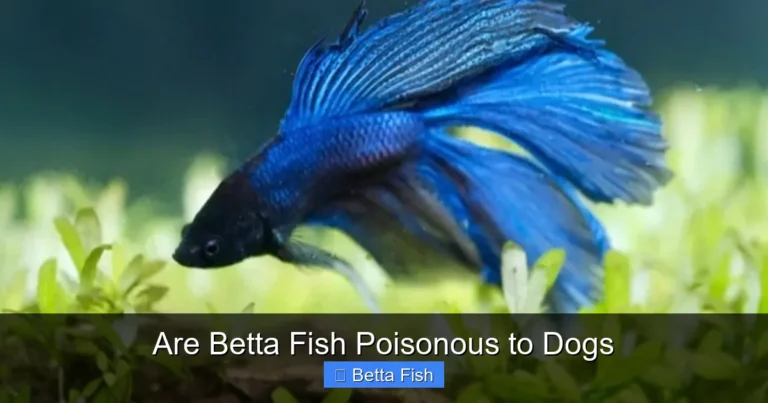
Betta fish (Betta splendens) are native to the shallow, slow‑moving waters of Thailand and Cambodia. In the wild they hunt insects, mosquito larvae, and tiny crustaceans. Their mouths are built for grabbing live, moving prey, not for chewing plant material.

Visual guide about Can Betta Fish Eat Ramen
Image source: c8.alamy.com
Protein is the cornerstone
Because they are obligate carnivores, bettas require a diet that is high in animal protein and low in fiber. Commercial betta pellets, frozen bloodworms, and live brine shrimp all provide the essential amino acids they need for vibrant colors and strong fins.
Digestive limitations
A betta’s gut is short and simple. It can’t break down complex carbohydrates or high‑salt foods efficiently. Feeding them something like ramen—full of wheat noodles, broth, and seasoning—overloads their system and can lead to constipation, bloating, and even organ failure.
Why Ramen Is a Bad Choice for Betta Fish
High sodium and seasoning
Ramen broth is packed with sodium, MSG, and a cocktail of spices. Betta fish are highly sensitive to salt; even a small amount can cause osmotic stress, making it difficult for them to regulate fluids. This can result in swollen gills and respiratory distress.

Visual guide about Can Betta Fish Eat Ramen
Image source: i.ytimg.com
Incompatible texture
The soft, slippery noodles might seem easy to swallow, but they lack the crunch and movement that trigger a betta’s hunting instinct. Without that stimulation, a betta may simply ignore the food, leading to wasted calories and a messy tank.
Hidden additives
Many instant ramen packets contain preservatives, artificial flavors, and powdered fats. These chemicals are foreign to a betta’s system and can cause liver strain or toxic buildup over time.
Potential for bacterial growth
Ramen is a moist, carbohydrate‑rich food that decomposes quickly in water. If you drop a piece into the tank, it will dissolve, pollute the water, and encourage harmful bacterial blooms—an environment no fish enjoys.
Safe and Nutritious Alternatives
Commercial betta pellets
High‑quality betta pellets are formulated to meet the exact protein, vitamin, and mineral requirements of these fish. Look for products with real fish or shrimp meal as the first ingredient and minimal fillers.

Visual guide about Can Betta Fish Eat Ramen
Image source: meteorologiaenred.com
Live and frozen foods
- Brine shrimp: Small, active, and rich in protein. They’re perfect for training your betta to hunt.
- Daphnia: Also known as water fleas, they help clean the tank while feeding your fish.
- Bloodworms: A favorite treat, but feed them sparingly due to higher fat content.
Homemade options (when done right)
If you enjoy DIY, you can blend a tiny amount of boiled, unsalted fish or shrimp flesh into a paste and freeze it in ice‑cube trays. This mimics the texture of commercial foods without any harmful additives.
Linking to more diet info
For a full list of safe foods, see our guide on What Can Betta Fish Eat. It covers everything from micro‑worms to specialized betta flakes.
How to Properly Feed Your Betta
Portion control
Betta fish have small stomachs—about the size of their eye. A general rule is to offer an amount they can eat in 2‑3 minutes, 2‑3 times per day. Overfeeding leads to constipation and poor water quality.
Feeding schedule
Consistency helps maintain a healthy metabolism. Try feeding at the same times each day, e.g., morning and evening, with a small snack in the afternoon if your fish is very active.
Observing behavior
Watch how quickly your betta eats. If food remains after a few minutes, remove it to prevent decay. Also, note any changes in color or activity—these can signal dietary issues.
Maintaining water quality
Uneaten food is the number one cause of ammonia spikes. Perform regular water changes (about 25% weekly) and use a gentle filter to keep the environment clean.
What Happens If Your Betta Eats Ramen?
Short‑term symptoms
Immediately after ingesting salty or seasoned food, a betta may become lethargic, gasp at the surface, or display rapid gill movement. These are signs of osmotic shock.
Long‑term effects
Repeated exposure can cause chronic kidney damage, loss of coloration, and increased susceptibility to disease. In severe cases, the fish may not survive.
First‑aid steps
- Remove the source: Quickly take any remaining ramen out of the tank.
- Do a partial water change: Replace 30% of the water with fresh, dechlorinated water to dilute excess salts.
- Monitor closely: Watch for improvement over the next 24‑48 hours. If symptoms persist, consider consulting a vet who specializes in fish.
Conclusion: Keep Ramen on Your Plate, Not in the Tank
While it’s natural to want to share your meals with a beloved pet, the answer to “can betta fish eat ramen?” is a definitive no. The high sodium, spices, and unsuitable texture make ramen a health hazard for bettas. Instead, stick to protein‑rich, low‑salt foods designed for their carnivorous needs. By feeding the right diet, you’ll enjoy a vibrant, active betta that thrives for years to come.
Frequently Asked Questions
Can betta fish eat goldfish food?
Betta fish can nibble on goldfish flakes in a pinch, but the protein content is too low for long‑term health. Stick to betta‑specific foods.
Can betta fish eat shrimp?
Yes, fresh or frozen shrimp (without seasoning) is an excellent protein source and many bettas love it.
Can I keep my betta with other fish that eat the same food?
Betas are territorial; while they may share some foods, it’s safer to keep them alone or with peaceful, non‑competing species.
Can betta fish eat tropical flakes?
Some tropical flakes are formulated for omnivorous fish and may lack the high animal protein bettas need. Choose flakes labeled specifically for bettas.
Can betta fish eat snails?
Small, soft‑bodied snails can be a fun treat, but ensure they are pesticide‑free and offered in moderation.
Can betta fish eat regular human food like rice or vegetables?
Human staples like rice and veggies are low in protein and can cause digestive upset. They should never be a regular part of a betta’s diet.