Can a Betta Fish Kill a Snail
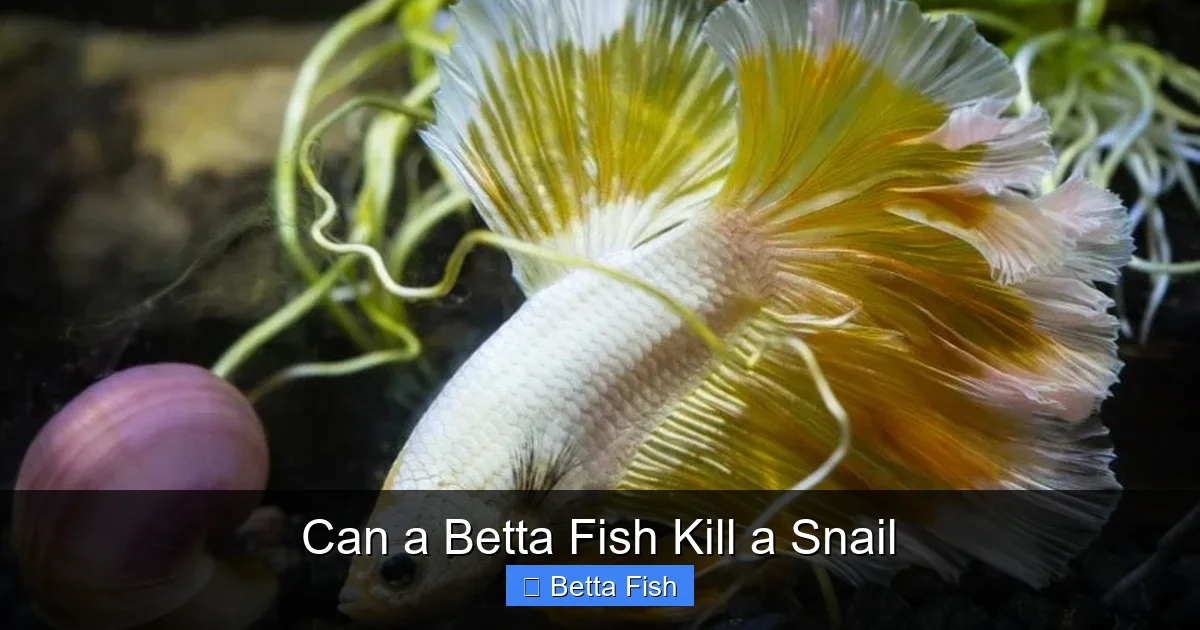
Betta fish are curious predators, but whether they can kill a snail depends on the snail’s size, the betta’s temperament, and tank conditions. Understanding their natural behaviors helps you create a peaceful home for both.
Key Takeaways
- Size matters: Larger snails are less likely to be harmed by a betta.
- Betta temperament: Some bettas are aggressive hunters, others are shy.
- Tank setup influences outcomes: Hiding places and plant cover protect snails.
- Feeding habits: Over‑feeding can make a betta less interested in snails.
- Species differences: Apple snails, nerite snails, and mystery snails react differently.
- Monitoring is key: Regular observation prevents unexpected losses.
- Compatibility options: Choose snails that match your betta’s personality for a harmonious tank.
📑 Table of Contents
Introduction: The Curious Question
When you first set up a betta tank, the bright colors and flowing fins are mesmerizing. Then you spot a tiny snail crawling on the glass and wonder, “Can a betta fish kill a snail?” It’s a natural thought because bettas are known for their feisty personalities. In this article we’ll explore the science behind betta behavior, the types of snails you might keep, and practical steps to keep both residents healthy.
We’ll break down the answer into easy‑to‑follow sections, give you real‑world examples, and even link to related guides on tank mates and feeding. By the end, you’ll know exactly when a betta might become a snail‑predator and how to prevent it.
Understanding Betta Behavior
Natural instincts of a Siamese fighting fish
Betta fish (Betta splendens) originate from shallow rice paddies in Thailand. In the wild they must compete for limited space and food, which creates a strong territorial instinct. This instinct shows up as:
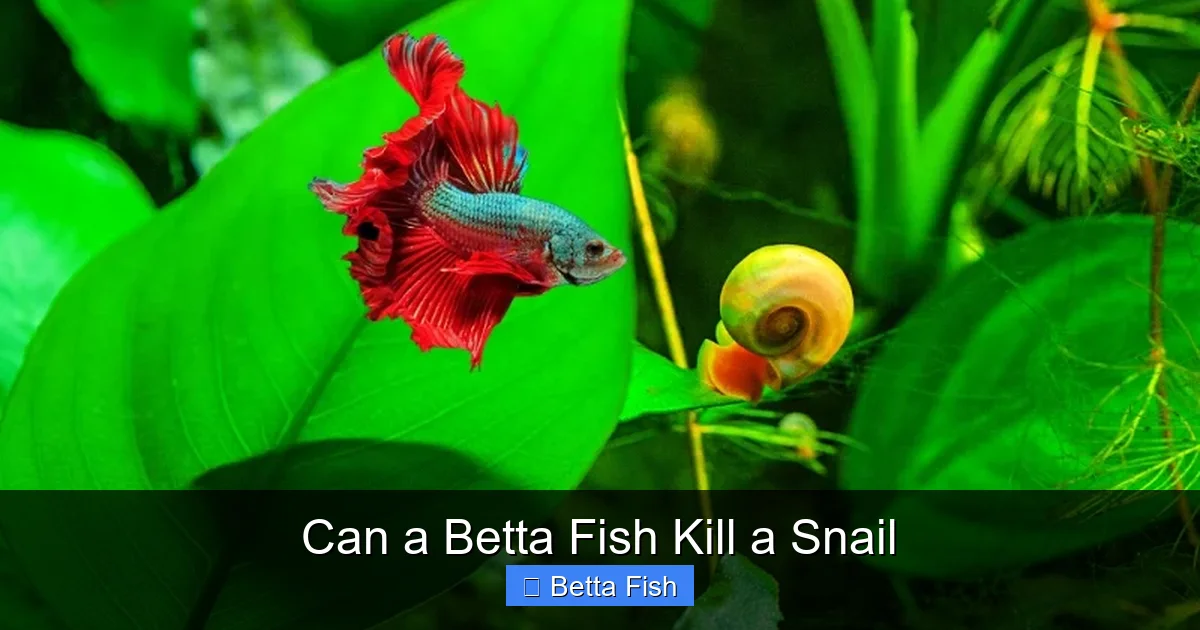
Visual guide about Can a Betta Fish Kill a Snail
Image source: infishtank.com
- Chasing moving objects that enter their “bubble nest” area.
- Flaring fins and displaying bright colors when they feel threatened.
- Occasional nipping at soft‑bodied creatures that wander too close.
These traits are why many owners ask, “Can a betta fish kill a snail?” The answer isn’t a simple yes or no; it depends on the betta’s individual personality and the snail’s characteristics.
Feeding habits and hunger cues
Betta fish are carnivorous. In the wild they eat mosquito larvae, small crustaceans, and tiny insects. In captivity we feed them high‑protein pellets, frozen foods, or occasional live treats. When they are well‑fed, a betta is less likely to hunt snails for food. Over‑feeding, however, can lead to sluggish behavior and health issues, which is why you should read our guide on Can Overfeeding A Betta Fish Kill It for balanced feeding schedules.
Snail Species Commonly Kept With Bettas
Apple snails
Apple snails are large, often 2‑3 inches long, with thick shells. Their size makes them intimidating to most bettas, so they are usually safe. They also help clean algae, making them a popular choice.
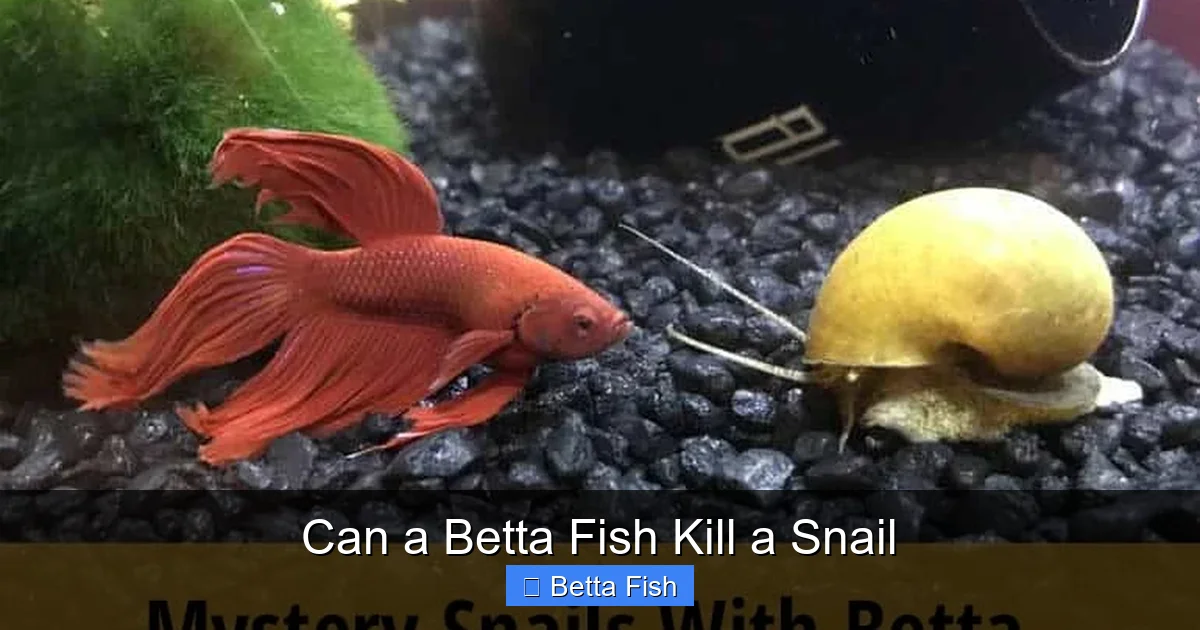
Visual guide about Can a Betta Fish Kill a Snail
Image source: zooawesome.com
Nerite snails
Nerite snails are small (about ½ inch) and fast. Their hard shells protect them, but a very aggressive betta might still try to nip at their soft foot. Providing plenty of plants gives nerites places to hide.
Mystery snails
Mystery snails fall between apple and nerite snails in size. They are generally calm, but a curious betta may investigate them. Adding driftwood and moss can create safe zones.
Can a Betta Fish Kill a Snail? The Core Factors
1. Size and shell strength
Betta jaws are small but surprisingly strong for their size. They can crush soft tissue, but a thick shell is a formidable barrier. Large snails like apple snails are rarely harmed, while tiny pond snails are at higher risk.
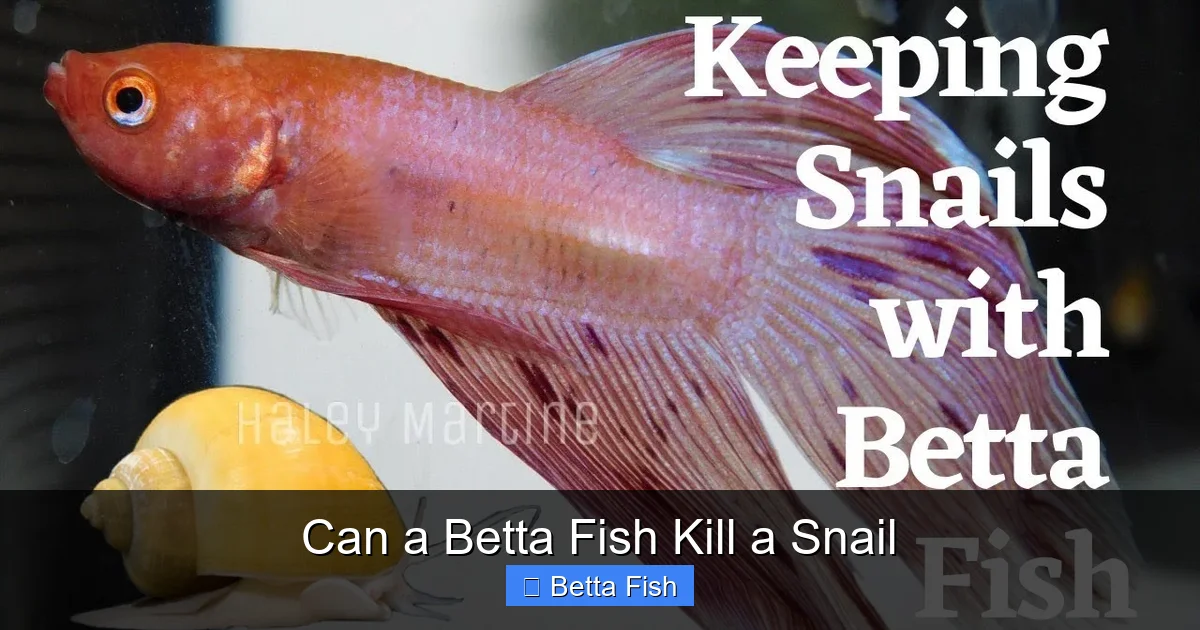
Visual guide about Can a Betta Fish Kill a Snail
Image source: i.ytimg.com
2. Betta temperament
Some bettas are “peaceful” and will ignore slow‑moving snails. Others are “aggressive” and will chase anything that moves. Observing your betta’s reaction to new tank mates is essential.
3. Tank environment
Hiding places such as live plants, moss, and decorations give snails refuge. An empty tank with open water makes snails easy targets. Adding a few Java fern or Anubias can dramatically reduce risk.
4. Feeding frequency
A well‑fed betta is less likely to view a snail as a snack. Feeding twice daily with a small amount of high‑quality betta pellets usually satisfies their appetite. For tips on proper feeding, see our article on Can You Feed A Betta Fish Tropical Flakes.
5. Snail health and activity level
Healthy snails move slowly and stay on surfaces. Sick or injured snails may crawl on the water column, becoming more visible to a curious betta. Regular water changes and proper calcium levels keep snails strong.
Practical Steps to Keep Both Safe
Provide ample hiding spots
Use live plants, caves, and driftwood. A dense planting of Java moss creates a carpet where snails can graze unnoticed.
Choose the right snail size
If you have a particularly feisty betta, start with a larger snail like an apple snail. If your betta is calm, a nerite snail will add algae‑eating benefits.
Monitor feeding habits
Feed small portions 2–3 times a day. Remove uneaten food after five minutes to avoid water quality issues and to keep the betta from hunting out of boredom.
Gradual introduction
Place the snail in a breeding box or a small cup inside the tank for 24‑48 hours. This lets the betta see the snail without direct contact. After the betta shows no aggression, gently release the snail.
Observe daily
Spend a few minutes each day watching the betta’s behavior. If you notice repeated chasing, consider moving the snail to a separate “safari” tank or choosing a more robust snail species.
When a Betta Does Attack: What to Do
Identify the cause
Stress, boredom, or a sudden change in water parameters can trigger aggression. Test the water for ammonia, nitrite, and pH. Adjust as needed.
Separate the snail temporarily
Use a small net to move the snail to a quarantine container with similar water conditions. This gives both animals a break.
Re‑evaluate tank mates
If aggression persists, you may need to choose a different snail or consider a betta‑only setup. Some owners find success with a Can You Have A Snail With A Betta Fish article that outlines safe pairings.
Conclusion: Balance, Observation, and Choice
So, can a betta fish kill a snail? The short answer is yes—under the right (or wrong) circumstances. However, with thoughtful species selection, proper tank enrichment, and attentive care, you can enjoy both a vibrant betta and a helpful snail in the same aquarium. Remember that each fish has a personality; what works for one betta may not work for another. By providing hiding places, feeding appropriately, and monitoring daily, you give both creatures the best chance to thrive together.
Frequently Asked Questions
Can a betta fish eat a snail?
Yes, a betta can bite a snail’s soft foot, but a thick shell often protects the snail. Larger snails are less likely to be eaten.
What snail species are safest with bettas?
Apple snails and larger mystery snails are usually safe because their size deters attacks. Small nerite snails can also do well if plenty of hiding spots are provided.
How can I tell if my betta is aggressive toward snails?
Watch for flaring fins, rapid swimming toward the snail, and repeated nipping. If this behavior occurs, consider separating them.
Do snails help a betta tank?
Snails eat algae, uneaten food, and detritus, helping to keep water cleaner. They also add interesting movement for the betta to observe.
Will overfeeding a betta make it more likely to attack snails?
Overfeeding can cause poor water quality and stress, which may increase aggression. Feed small, frequent meals and remove excess food.
Can I keep more than one snail with a single betta?
Yes, as long as the tank has enough space and hiding places. Multiple snails can share the workload of cleaning, but monitor each snail’s health.