How Do You Know When Betta Fish Are Happy

Knowing how to tell when your betta fish is happy is essential for every betta owner. From vibrant colors and active swimming to bubble nests and flaring, your betta shows happiness through clear betta fish behavior signs. This guide covers everything you need to keep your betta fish healthy and content.
Key Takeaways
- Active swimming and bright colors: These are clear signs your betta fish is happy and thriving in its environment.
- Bubble nests and flaring: Building bubble nests and flaring at reflections show natural, healthy betta fish behavior.
- Water quality matters: Clean water and proper tank conditions directly impact your betta fish happiness.
- Feeding schedule: A consistent, appropriate diet keeps your betta fish healthy and energetic.
- Avoid common mistakes: Overfeeding, overcrowding, and dirty water are top reasons betta fish become unhappy.
- Regular interaction: Gentle engagement and play build trust and encourage positive betta fish behavior.
- Watch for stress signs: Learning to spot unhappiness early helps you fix problems fast.
📑 Table of Contents
- How Do You Know When Betta Fish Are Happy
- What Does a Happy Betta Fish Look Like
- Top Signs Your Betta Fish Is Happy
- How to Create the Perfect Environment for a Happy Betta
- Feeding Your Betta for Optimal Happiness
- Common Mistakes That Make Betta Fish Unhappy
- Quick Tips for Keeping Your Betta Fish Happy
- Expert Insights on Betta Fish Happiness
- Key Takeaways
- Conclusion
How Do You Know When Betta Fish Are Happy
Betta fish are some of the most popular pets in the world. They are beautiful, colorful, and full of personality. But how do you really know when your betta fish is happy? These little creatures may not wag their tails or purr like other pets, but they show their feelings in unique ways. Learning to read betta fish behavior is the first step toward giving your fish the best life possible.
Whether you are a new betta owner or have had these fish for years, understanding how to tell if your betta fish is happy can transform your relationship with your pet. A happy betta fish is active, colorful, and curious. It explores its betta fish tank, builds bubble nests, and even flares its fins. In this guide, we will walk you through every sign of happiness and show you how to keep your betta fish healthy and content.
Let us dive in and learn everything about betta fish happiness. By the end, you will know exactly what to look for and how to create the perfect environment for your finned friend.
What Does a Happy Betta Fish Look Like
A happy betta fish is easy to spot once you know what to look for. Their body language, colors, and daily habits all tell a story. Let us break down the main visual clues that show your betta is doing well.
Body Language Clues
Betta fish body language is one of the easiest ways to judge their mood. A happy betta swims with ease. Its fins are spread out and flowing, not clamped tight against its body. The fish moves smoothly through the water without struggling or hovering near the bottom.
Watch for these positive body language signs:
- Fins held open and wide: This shows confidence and comfort.
- Steady, graceful swimming: A happy betta moves with purpose, not darting or hiding.
- Head slightly raised: Curious bettas often swim with their heads up, exploring their surroundings.
- Relaxed posture: The body looks smooth and unstressed, with no twisting or jerking.
On the flip side, a stressed or sick betta often hides, clamps its fins, or sinks to the bottom. If you notice these signs, check your betta fish health right away.
Color and Fin Display
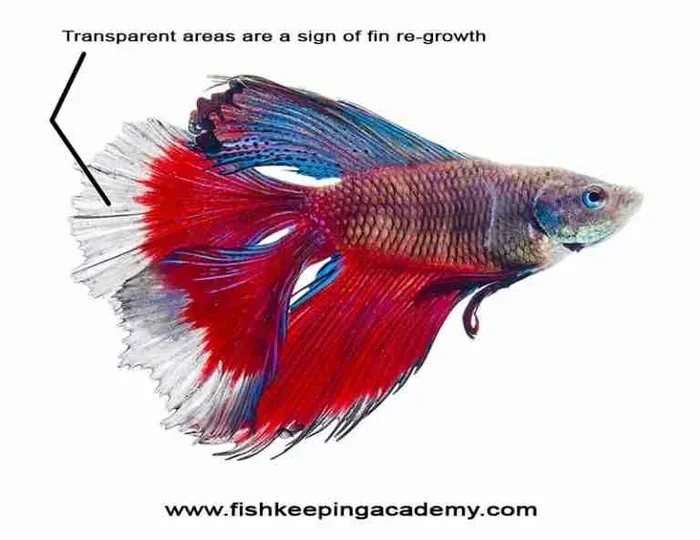
Betta fish color plays a big role in happiness. Healthy, happy bettas display rich, vivid colors. Their scales shine, and their fins look full and flowing. A dull or faded betta may be stressed, sick, or living in poor conditions.
Male bettas especially show off their colors when they are content. They flare their fins to display their full beauty. This is natural behavior and a great sign of happiness. If your betta suddenly loses color, consider checking betta fish water quality and tank conditions.
Top Signs Your Betta Fish Is Happy
Now that you know what to look for visually, let us explore the top signs that your betta fish is truly happy. These behaviors go beyond looks and show deep contentment.
Active Swimming Patterns
An active betta fish is a happy betta fish. Healthy bettas love to explore. They swim from the top of the tank to the bottom, checking out every corner. This high betta fish activity level shows they feel safe and stimulated.
If your betta spends most of its time hiding or lying on the substrate, something may be wrong. Active swimming means your fish enjoys its environment. It is curious, alert, and ready to interact. To encourage more activity, try playing with your betta fish or adding new decorations to spark interest.
Bubble Nests and Bubbling Behavior
One of the most exciting signs of a happy betta is bubble nest building. Male bettas blow bubbles at the water surface and create a floating nest. This is a natural breeding behavior and shows your fish is comfortable and confident.
Bubble nests are not just a random act. They show your betta feels secure enough to start a family. To learn more about this fascinating behavior, check out our article on do betta fish bubble nests mean they are happy. It covers everything you need to know about this unique behavior.
Even if your betta is not breeding, occasional bubbling is a good sign. It means your fish is active and engaging with its environment.
Flaring and Territorial Behavior
Flaring is when a betta spreads its fins and puffs up its gills. Many people think flaring is always aggressive, but it can also be a sign of happiness. A happy betta may flare at its own reflection or at passing tank mates. This shows it feels strong and confident.
However, constant flaring can lead to stress. A quick flare at a mirror or a passing shadow is normal. But if your betta flares at the same reflection for hours, it may need a break. Limit mirror exposure to short sessions to keep your fish happy without causing stress.
Eating with Enthusiasm
A happy betta fish looks forward to mealtime. It swims to the surface eagerly and eats with energy. If your betta ignores food or eats very slowly, it may be a sign of stress or illness. Betta fish feeding habits tell you a lot about overall well-being.
Keep a regular feeding schedule. Most bettas do well with two small meals per day. For more details on feeding, see our guide on how often to feed a betta fish.
Curiosity and Interaction
Happy bettas are curious. They watch you from behind the glass. They follow your fingers along the tank wall. Some bettas even learn to recognize their owners over time. This kind of betta fish interaction shows trust and comfort.
You can encourage this bond by talking to your fish, placing your hand near the glass, or offering gentle stimulation. These small actions build a connection that makes your betta even happier.
How to Create the Perfect Environment for a Happy Betta
Even the happiest betta fish needs the right environment to thrive. Your setup directly affects your betta fish happiness. Let us look at the key factors that keep your fish content.
Tank Setup and Water Quality
A proper tank is the foundation of betta fish care. While bettas can survive in small bowls, they truly thrive in larger tanks. A 5-gallon tank or bigger gives your fish room to swim and explore.
Here are the basics for a happy betta tank:
- Temperature: Keep water between 76-82°F (24-28°C). Use a heater to maintain a steady temperature.
- pH level: Aim for a pH between 6.5 and 7.5. Stable water chemistry reduces stress.
- Filter: A gentle filter keeps water clean without creating too much current.
- Decorations: Add plants, caves, and driftwood. These give your betta places to explore and rest.
- Water changes: Replace 25-50% of the water weekly. Clean water is vital for betta fish health.
For a step-by-step guide on water changes, visit our article on how to change betta fish water.
Tank Mates and Social Interaction
Can bettas live with other fish? It depends. Male bettas are territorial and may fight with other colorful or long-finned fish. However, some tank mates for betta fish can coexist peacefully. Snails, shrimp, and certain calm fish work well.
Before adding tank mates, research carefully. A happy betta does not need friends, but the right companion can add enrichment. Always watch for signs of stress after introducing any new fish.
Feeding Your Betta for Optimal Happiness
Food is more than fuel for your betta. It is a source of joy and a window into their health. Proper betta fish diet keeps colors bright, energy high, and behavior positive.
Best Foods for a Happy Betta
Betta fish are carnivores. They need protein-rich food. Here are the best options:
- High-quality betta pellets: These are balanced and easy to feed. Look for brands made specifically for bettas.
- Frozen or live bloodworms: A treat that makes mealtime exciting.
- Daphnia and brine shrimp: Great for variety and digestion.
- Freeze-dried foods: A convenient snack that adds variety.
Avoid feeding betta fish flakes made for tropical fish. These lack the protein bettas need. For more on this topic, read our article on feeding betta fish flakes.
Feeding Schedule Tips
Consistency is key. Follow these tips for a happy, well-fed betta:
- Feed twice a day, morning and evening.
- Give only what your betta can eat in 2-3 minutes.
- Skip one feeding per week to aid digestion.
- Vary the diet with occasional treats like worms or shrimp.
- Never overfeed. Uneaten food pollutes the water.
For more details on how often to feed, check our guide on how often you are supposed to feed betta fish.
Common Mistakes That Make Betta Fish Unhappy
Even loving owners can make mistakes. Here are the most common reasons bettas become unhappy and how to fix them.
Overfeeding and Poor Diet
Overfeeding is the number one mistake. It leads to bloating, dirty water, and lethargy. A bloated betta fish may float sideways or lose interest in food. Stick to small portions and a consistent schedule. Your betta will be happier and healthier.
Dirty Water and Stress
Poor water quality causes stress, disease, and early death. If you notice your betta fish stress signs, check the water first. Test for ammonia, nitrite, and nitrate levels. A dirty betta fish tank is the fastest way to ruin your fish quality of life.
Set a weekly reminder for water changes. This simple habit prevents most water-related problems.
Too Small a Tank
Tiny bowls may look cute, but they restrict movement and dilute toxins. A small tank makes bettas sluggish and unhappy. Upgrade to at least a 5-gallon tank. You will see an immediate improvement in your betta fish behavior.
Ignoring Temperature Needs
Cold water weakens a betta immune system and slows metabolism. Use a reliable heater. Keep the temperature stable. This single change can bring back your betta fish vitality.
Lack of Enrichment
Bettas need mental stimulation. An empty tank leads to boredom. Add plants, mirrors, and hiding spots. You can also try training tricks. Our guide on training a betta fish to do tricks offers great ideas for keeping your fish engaged.
Quick Tips for Keeping Your Betta Fish Happy
- Check water parameters at least once a week.
- Feed a varied, high-quality diet.
- Keep the tank warm and stable.
- Add decorations that mimic a natural habitat.
- Watch your betta daily for changes in behavior or color.
- Limit flaring sessions to a few minutes at a time.
- Clean the tank regularly without shocking your fish.
Expert Insights on Betta Fish Happiness
Experienced betta keepers agree that observation is the best tool. Spend time watching your fish every day. Note its normal behavior so you can spot changes quickly. A happy betta fish is not just about the right setup, it is about consistent attention and care.
Professional aquarists also recommend keeping a simple log. Track water changes, feeding, and any unusual behavior. This helps you notice patterns and catch problems early. Over time, you will become an expert at reading your betta fish happiness signals.
Key Takeaways
Understanding how to tell if your betta fish is happy comes down to watching, learning, and adjusting. Here is a summary of the most important points:
- Look for active swimming, bright colors, and open fins. These are the first signs of a happy betta.
- Bubble nests and flaring show confidence. These natural behaviors mean your fish feels safe.
- Maintain excellent water quality. Clean, warm water is the foundation of betta fish happiness.
- Feed a balanced diet on a regular schedule. Good nutrition drives energy and color.
- Avoid common mistakes like overfeeding and small tanks. Prevention is always better than cure.
- Provide enrichment and interaction. A stimulated betta is a happy betta.
- Observe daily and respond quickly to changes. Early action saves lives.
Conclusion
Now you know the answer to the question, how do you know when betta fish are happy. A happy betta fish shows it through active swimming, bright colors, bubble nests, and eager eating. By giving your fish the right tank, diet, and attention, you create the perfect environment for joy.
Remember, every betta has its own personality. Some are more active, some are more laid back. The key is to know what is normal for your fish and watch for changes. With the tips in this guide, your betta fish will live a long, healthy, and happy life.
Start applying these ideas today. Your betta is counting on you, and the reward of seeing a thriving, happy betta fish is worth every effort.
Frequently Asked Questions
How can I tell if my betta fish is happy or stressed?
A happy betta swims actively, displays bright colors, holds its fins wide open, and may build bubble nests. A stressed betta hides, clamps its fins, loses color, or pants at the water surface. Watch your fish daily to notice the difference between normal and concerning behavior.
Do betta fish bubble nests mean they are happy?
Yes, bubble nests are a strong sign of contentment. Male bettas build these nests when they feel safe and confident. It shows they are comfortable enough to engage in natural breeding behavior. For more details, read our article on do betta fish bubble nests mean they are happy.
How often should I feed my betta fish to keep it happy?
Feed your betta twice a day with small portions. Give only what it can eat in 2-3 minutes per feeding. Skipping one meal per week helps digestion. A consistent feeding schedule keeps your betta energetic and happy. For more guidance, see our article on how often you are supposed to feed betta fish.
Can my betta fish be happy in a small bowl?
While bettas can survive in small bowls, they thrive better in larger tanks. A 5-gallon tank or bigger gives room to swim, better water quality, and more enrichment. Small bowls limit movement and pollute quickly, which leads to an unhappy betta fish.
What are the best ways to play with my betta fish?
You can play with your betta by using a mirror for short flaring sessions, placing your finger on the glass, or adding floating toys. Some bettas learn to follow their owners hands along the tank. For more ideas, check our guide on how to play with your betta fish.
How do I know if my betta fish is sick versus just unhappy?
Sick bettas show physical symptoms like clamped fins, white spots, bloating, or difficulty breathing. Unhappy bettas may become lethargic or stop eating but usually do not show visible disease signs. If you are unsure, check your water parameters first and consult a vet if symptoms persist. Our article on how to know if your betta fish is sick offers detailed guidance.