Do Betta Fish Eat Bloodworms Myth Busted Complete Guide
The question is simple: do betta fish eat bloodworms? Yes, but only as an occasional treat. Learn how to thaw and portion frozen or freeze-dried worms, spot feeding problems, and build a balanced weekly diet. Bloodworms can add variety, but they should never replace a quality betta staple.
Short answer: Yes, bettas can eat bloodworms. These tiny larvae make an appealing protein-rich treat, but they are not a complete meal. The right portion and feeding schedule matter more than the treat itself.
If you’re asking do betta fish eat bloodworms?, the answer is yes. Bettas are natural carnivores, and moving food often triggers their hunting instinct. Still, a tasty reaction does not mean a fish should eat it every day.
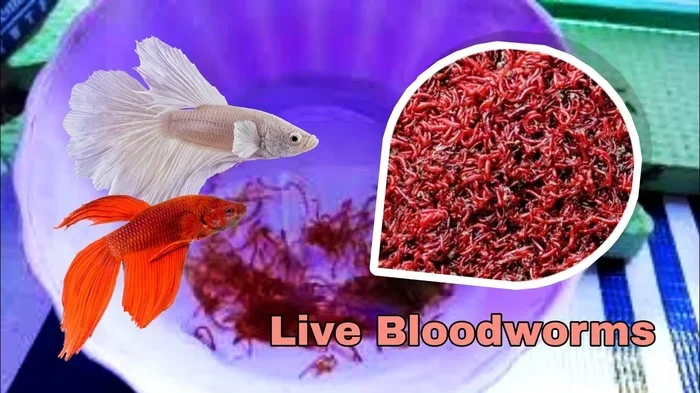
Bloodworms are the larvae of midge flies, not earthworms. They are often sold frozen, freeze-dried, or live. Each type has benefits and risks, so proper storage and prep are key.
Key Takeaways
- Yes, with limits: Adult bettas can safely eat bloodworms when the portions are small and the treats are occasional.
- One serving a week is enough: Feed a healthy adult betta one bloodworm or a few small pieces once weekly.
- Frozen is easy to control: Thaw frozen bloodworms first, then remove any food that remains after a few minutes.
- Freeze-dried needs care: Crush and rehydrate it before feeding because dry pieces can swell inside the fish.
- Risks are manageable: Overfeeding can cause bloat, constipation, poor water quality, and excess waste.
- Balance matters most: A complete betta staple should provide most of the diet, with worms used for variety.
📑 Table of Contents
- Do Betta Fish Eat Bloodworms? The Simple Answer
- Why Bloodworms Can Be a Good Occasional Treat
- How Often Can Betta Fish Eat Bloodworms?
- How to Prepare and Feed Bloodworms Safely
- Bloodworm Risks and What to Do If Problems Start
- The Best Bloodworm Feeding Plan for Bettas
- Conclusion: Yes, but Bloodworms Are Only a Treat
Do Betta Fish Eat Bloodworms? The Simple Answer
Bettas can swallow small bloodworm pieces because they are surface feeders with small mouths. The larvae resemble natural prey, which makes them a useful treat. They can also help keep feeding time interesting.
However, bloodworms should sit low on the menu. A captive betta needs a steady supply of complete nutrition, not just rich treats. Think of worms as dessert rather than the main course.
Are Live Bloodworms Safe?
If you prefer live bloodworms, buy only from a trusted aquaculture supplier. Never add wild-caught bloodworms to your tank. Wild food may carry parasites, pesticides, or other germs that can harm your betta.
Live food can offer more movement and enrichment. It also makes portion control harder. Frozen or freeze-dried food is usually easier to measure and store.
Can Betta Fish Eat Raw Bloodworms?
Bettas do not need raw food to be healthy. Thawed frozen bloodworms are safe for most adult bettas when handled cleanly. Human-grade food may contain salt, spices, or preservatives, so choose fish food made for aquarium use.
Why Bloodworms Can Be a Good Occasional Treat
A small serving can add variety to a balanced aquarium diet. It may also help with a betta that turns its nose up at standard foods. Variety should still come from safe, fish-friendly options.
Potential Benefits
- Extra protein: Protein supports growth, repair, and normal body function.
- Natural feeding interest: Movement can encourage a betta to hunt and swim.
- Diet variety: Rotating safe foods may reduce boredom with one pellet.
- Useful for some picky bettas: A tiny treat may help restart feeding after a short pause.
- Easy portion control: Frozen worms can be cut into small pieces before serving.
Bloodworms also contain fats and small amounts of other nutrients. Their exact nutrient level varies by brand and processing. This is another reason not to use them as a daily staple.
The Big Myth
Myth: Bettas need bloodworms to survive. Truth: They do not. A well-made betta staple provides the core nutrition. Bloodworms are a bonus, not a requirement.
Expert Insight
Watch how your fish reacts instead of relying only on the label. A healthy betta should stay active, hold its fins normally, and make regular stools. Stop the treat if its behavior or digestion changes.
How Often Can Betta Fish Eat Bloodworms?
For most healthy adults, feed bloodworms once a week. Some bettas do well with one small serving every 10 to 14 days. Young, active, or underweight fish may need a different plan, so adjust only after checking their overall health.
| Betta Situation | Feeding Frequency | Suggested Portion |
|---|---|---|
| Healthy adult | Once each week | 1 small worm or 2–3 tiny pieces |
| Slow or inactive betta | Once every 10–14 days | 1 small piece only |
| Growing juvenile | Once weekly for a short period | 1 tiny piece; monitor growth |
| Fish with digestion issues | Pause until normal | No bloodworms during the pause |
How Much Is Too Much?
Choose a piece no larger than your betta’s eye. Cut frozen food into smaller bits if needed. A good rule is to offer less than you think. Your fish can often tell when it is full.
Remove uneaten food after about three minutes. Do not leave rich food in the tank. It breaks down fast and can raise ammonia and nitrate levels.
Quick Tips for Portion Control
- Use a clean spoon to separate one piece from the block.
- Chop frozen food on a plate instead of in the container.
- Keep a small feeding log with the date and amount.
- Never stack a bloodworm treat with another rich treat on the same day.
- Use the fish’s eye as a simple size guide.
Can Betta Fish Eat Bloodworms Every Day?
No. Daily servings can lead to excess calories, poor digestion, and dirty water. A weekly treat gives your betta variety without turning worms into its main food.
How to Prepare and Feed Bloodworms Safely
Safe prep protects both your fish and your tank water. It also makes the meal easier to digest. Follow the steps below for each type of bloodworm.
Frozen Bloodworms
- Place one piece in a clean cup.
- Add a little water from the fish tank.
- Let it thaw for two to five minutes.
- Break off the amount your betta can finish.
- Feed near the upper third of the tank.
- Remove leftovers after a few minutes.
Do not thaw food in hot tap water. Do not refreeze a piece after it has thawed. Repeated temperature changes can reduce quality and encourage bacteria.
Freeze-Dried Bloodworms
Freeze-dried worms are light and easy to store, but they need water before feeding. Crush the piece into a small crumb. Soak it in tank water for five to ten minutes, then serve it while soft.
Do not drop a hard, dry piece straight into the tank. It can absorb water inside the gut and expand. This may worsen constipation or bloat.
Live Bloodworms
Live larvae should come from a reliable supplier. Feed only what the betta can catch at once. Clean any leftovers, and never use worms collected from a pond, ditch, or garden.
Safe Feeding Routine
- Wash your hands before handling food.
- Use clean tools for every serving.
- Feed near the surface, where bettas like to hunt.
- Check the tank after feeding for dropped pieces.
- Record how much your fish ate.
Bloodworm Risks and What to Do If Problems Start
Most problems come from too much food, dry food, or poor hygiene. Bloodworms are safe for many bettas when handled well. Watch for changes in appetite, movement, fins, and stools.
Common Health Risks
- Overfeeding: Extra food can cause bloat and constipation.
- Poor water quality: Uneaten food releases waste into the water.
- Expansion: Freeze-dried pieces may swell if served dry.
- Germs: Unsafe live food can introduce parasites or bacteria.
- Nutrient imbalance: Worms alone do not meet every daily need.
Warning Signs After Feeding
Stop giving bloodworms if your betta shows a swollen belly, floats oddly, clamps its fins, flashes, stops eating, or makes no stool for several days. One odd stool is not always serious. Repeated signs need action.
What to Do After Overfeeding
Remove any visible food and skip the next meal. A healthy adult can usually fast for 24 hours. Then offer a small portion of its normal staple. Do not fast a young, sick, or very thin fish without advice from an aquatic vet.
You may offer a tiny amount of a peeled, cooked peeled pea to help with mild constipation. Crush it well. If bloating worsens, your betta floats upside down, or symptoms last more than two days, seek expert care.
Common Mistakes to Avoid
- Feeding based on the fish’s begging instead of its size.
- Using food from human meals with salt or seasoning.
- Leaving frozen chunks that are too large.
- Forgetting to rehydrate freeze-dried worms.
- Waiting to clean the tank after a missed serving.
- Using worms to fix a tank that is too cold or poorly filtered.
The Best Bloodworm Feeding Plan for Bettas
A good plan gives your betta reliable nutrition first. A complete betta staple, such as quality floating pellets or sinking pellets, should provide most daily protein. Pellets made for bettas are easier to dose than many mixed foods.
| Food Type | Main Role | How Often |
|---|---|---|
| Complete betta staple | Daily base nutrition | Most days |
| Small vegetable piece | Occasional fiber and variety | About once weekly |
| Bloodworms | Rich protein treat | Once weekly |
| Other safe treats | Extra variety | Very occasionally |
Build a Balanced Weekly Menu
- Monday: Normal amount of a complete staple.
- Tuesday: Staple plus a tiny vegetable piece.
- Wednesday: One small bloodworm treat.
- Thursday: Complete staple.
- Friday: Staple plus a different safe treat, if needed.
- Saturday: Complete staple.
- Sunday: Staple or a short, easy feeding break.
A complete regular fish food can work only if it is designed for bettas and lists suitable animal protein. Do not use random tropical flakes as the main diet. Check the ingredient list, portion size, and your fish’s response.
Expert Insight
Keep water stable and test it when feeding changes. Strong water changes, a clogged filter, or a cold tank can make a betta less active. Do not blame bloodworms until you check these basics.
Conclusion: Yes, but Bloodworms Are Only a Treat
The myth is busted. Bettas can eat bloodworms, and many enjoy them, but do betta fish eat bloodworms should never lead you to feed them daily. Offer one small serving each week, thaw frozen food, rehydrate dry food, and remove leftovers.
Use bloodworms to add interest, not to replace balanced betta nutrition. When worms are part of a varied diet and careful feeding routine, they can be a safe and fun treat. Watch your fish, keep the water clean, and let a complete staple do the heavy lifting.
Frequently Asked Questions
Can betta fish eat bloodworms every day?
No. A healthy adult betta should usually get bloodworms only once a week. Daily servings can cause overfeeding, bloat, and poor tank water quality.
Can betta fish eat frozen bloodworms?
Yes. Thaw the food in clean tank water, break it into tiny pieces, and feed only what your betta can finish. Remove any leftovers after a few minutes.
Can betta fish eat freeze-dried bloodworms?
Yes, but crush and rehydrate them first. Never feed a hard, dry piece because it may swell inside your betta’s gut.
How many bloodworms can a betta eat at one time?
One small worm or two to three tiny pieces is enough for most adults. Choose pieces no larger than your betta’s eye.
Are bloodworms good for baby bettas?
They can be offered in very small pieces, but a juvenile needs frequent meals of food suited to its age. Bloodworms should remain a treat, not the main diet.
What should I do if my betta ate too many?
Remove leftover food, stop feeding for 24 hours, and keep the water clean and stable. Offer a small staple portion next, and contact an aquatic vet if swelling, floating, or loss of appetite continues.