How Do I Help My Betta Fish Fins Grow
Helping your betta fish fins grow back is easier than you think. With clean water, a proper diet, and a stress-free tank, your betta can regrow damaged fins in just a few weeks. This guide covers everything you need to know about betta fish fins grow and keeping your fish happy and healthy.
Watching your betta fish lose fins can be really scary. Maybe you noticed torn edges, or worse, fins that are slowly disappearing. The good news is that in most cases, betta fish fins grow back with the right care. You just need to know what to do and a little patience.
This guide walks you through every step to help your betta’s fins heal and regrow. Whether the damage came from fin rot, rough tank mates, or just everyday wear and tear, you will find practical solutions here. Let us dive in and get your betta looking beautiful again.
Key Takeaways
- Clean water is the #1 factor: Regular water changes and proper filtration create the best environment for fin regrowth.
- Diet matters a lot: Feeding high-quality food with variety speeds up healing and fin regeneration.
- Watch for fin rot: Early detection and treatment prevent permanent damage and promote healthy fin growth.
- Reduce stress: A calm tank with hiding spots and no aggressive tank mates helps fins heal faster.
- Patience is key: Fin regrowth takes time, typically 2-8 weeks depending on the severity of damage.
- Avoid common mistakes: Overfeeding, dirty water, and sharp decorations can all harm fin recovery.
📑 Table of Contents
Why Do Betta Fish Fins Get Damaged?
Before you can fix the problem, you need to understand what caused it. Bettas are stunning fish, but their long, flowing fins are also fragile. Several things can lead to fin damage or fin loss.
Fin Rot and Bacterial Infections
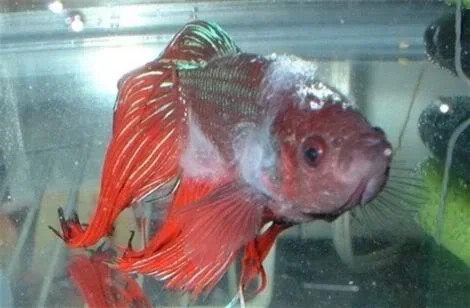
Fin rot is one of the most common reasons fins deteriorate. It happens when bacteria or fungi attack the fin tissue. You will notice ragged edges, white or black discoloration, and fins that seem to be melting away. Poor water quality is usually the culprit behind fin rot.
Physical Damage
Bettas can hurt their fins by bumping into sharp decorations or rough gravel. Some tank mates may also nip at betta fins. Even swimming through strong filter currents can cause wear and tear over time.
Stress and Poor Water Conditions
Stress weakens your betta’s immune system. When your fish is stressed, it becomes more vulnerable to infections that eat away at fins. Dirty water, sudden temperature changes, and overcrowded tanks all contribute to stress.
How Do I Help My Betta Fish Fins Grow Back?
Now for the part you have been waiting for. The process of betta fish fins grow back depends on how damaged they are and how well you care for your fish. Here is a step-by-step approach that works.
Step 1: Improve Water Quality Immediately
Clean water is the foundation of fin healing. If your tank water is dirty, your betta’s fins cannot recover properly. Start by testing your water parameters. You want ammonia and nitrite levels at zero, and nitrates below 20 ppm.
Do a 25-30% water change right away. Use a gravel vacuum to remove debris from the substrate. Always use a water conditioner to remove chlorine and chloramine from tap water before adding it to the tank. Regular tank cleaning is the single best thing you can do for fin regrowth.
Step 2: Adjust Tank Temperature and Conditions
Bettas are tropical fish and they need warm water to heal properly. Keep the temperature between 78-80°F (25-27°C). A reliable aquarium heater makes this easy to maintain. Warmer water boosts your betta’s metabolism and speeds up the healing process.
Also make sure your tank is at least 5 gallons. A bigger tank means more stable water conditions, which reduces stress on your fish. Add live plants if you can. They naturally filter the water and provide hiding spots that make your betta feel safe.
Step 3: Feed a Healing Diet
What your betta eats directly affects how fast its fins regrow. High-quality food packed with protein and nutrients gives your fish the building blocks it needs for tissue repair.
Feed your betta a mix of:
- Premium betta pellets as the staple food
- Frozen or live bloodworms as an occasional treat
- Daphnia for added nutrients and digestive health
- Brine shrimp for protein boost
Feed small amounts twice a day. Overfeeding leads to dirty water, which slows down healing. Feeding your betta on a consistent schedule also helps reduce stress and keeps their digestive system running smoothly.
Step 4: Treat Fin Rot If Present
If you see signs of fin rot, you need to act fast. Mild cases often respond well to simple water changes and aquarium salt. Add one teaspoon of aquarium salt per gallon of water. This creates a hostile environment for bacteria while being safe for your betta.
For more severe cases, consider a broad-spectrum fish medication. Melafix and Pimafix are popular natural options. Always follow the dosage instructions carefully. Knowing the signs of a sick betta fish helps you catch problems before they become serious.
Step 5: Reduce Stress in the Tank
A stressed betta heals much slower than a relaxed one. Here are simple ways to create a calm environment:
- Keep the tank in a quiet area of your home
- Avoid sudden changes in lighting
- Remove aggressive tank mates immediately
- Provide plenty of hiding spots with soft plants or caves
- Maintain a consistent feeding and cleaning routine
Your betta needs to feel safe in order to focus energy on healing. Think of it like resting when you are sick. A peaceful environment works wonders.
How Long Does It Take for Betta Fins to Grow Back?
The timeline for fin regrowth varies depending on the type and severity of the damage. Most minor fin tears and nips will heal within 2 to 4 weeks. The fins will slowly regrow, starting from the base and extending outward.
For more serious damage, such as advanced fin rot, the process can take 6 to 8 weeks or longer. In rare cases where the fin base is severely damaged, regrowth may be incomplete. But with proper care, most bettas show significant improvement.
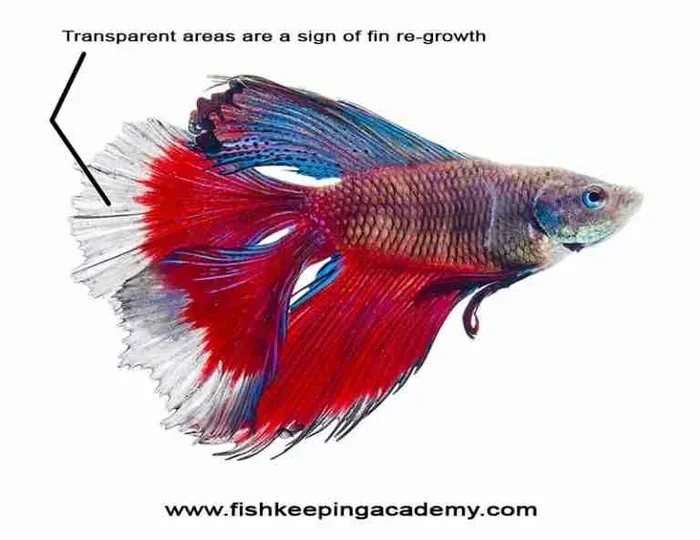
You will likely see small, translucent fins appearing first. These gradually become larger and take on the original color and shape of your betta’s fins. It is a rewarding process to watch if you stay consistent with your care routine.
Common Mistakes That Slow Down Fin Regrowth
There are several things well-meaning fish owners do that actually hurt the healing process. Avoid these mistakes to give your betta the best chance at full recovery.
Overfeeding Your Betta
It is easy to give your betta too much food. Uneaten food decays in the water, spiking ammonia levels and promoting bacterial growth. Feed only what your betta can eat in 2 minutes, twice a day. If you are unsure about portions, check out this guide on how much to feed your betta fish for exact recommendations.
Skipping Water Changes
Even with a good filter, water changes are essential. Filters do not remove dissolved waste and toxins completely. Regular water changes keep the environment clean and support the immune system. Skipping them is the fastest way to stall fin recovery.
Using Harsh Chemicals
Never use soap or household cleaners to clean your betta’s tank or decorations. Residue from these products is toxic to fish. Stick to aquarium-safe cleaning products or simply use hot water to scrub surfaces.
Ignoring Water Parameters
Many beginners do not test their water regularly. But ammonia spikes and pH swings can set back your betta’s recovery significantly. Invest in a simple liquid test kit and check your water weekly.
Prevention Tips to Keep Your Betta’s Fins Healthy
Once your betta’s fins have grown back, you want to keep them healthy and prevent future damage. Prevention is always easier than treatment.
First, maintain a consistent cleaning schedule. Weekly 25% water changes go a long way. Second, choose tank decorations carefully. Avoid anything with sharp edges or rough surfaces. Smooth gravel and soft silk plants are great choices.
Third, feed a balanced diet. Variety in your betta’s meals supports overall health, including fin strength. Fourth, monitor your betta daily. Catching early signs of fin damage or disease means you can act fast before things get worse.
Finally, if you are considering adding tank mates, choose peaceful species carefully. Avoid fin-nippers like tiger barbs or certain tetras. A solo betta in a well-planted 5-gallon tank is often the happiest and healthiest setup.
When to See a Vet or Fish Specialist
Most fin issues respond well to home care. But there are times when professional help is needed. If your betta’s fins are not showing any improvement after 2-3 weeks of proper care, it is time to consult an expert.
Also seek help if you notice your betta is not eating, staying at the bottom of the tank, or showing signs of severe infection such as open sores or bloating. These could indicate a deeper health problem that needs targeted treatment. Learning the signs of a dying betta fish can help you distinguish between a serious emergency and a recoverable condition.
Final Thoughts
Helping your betta fish fins grow back is very achievable with the right approach. Start with clean water, provide a nutritious diet, and keep the tank stress-free. Be patient and consistent. Most bettas will regrow their fins fully within a few weeks if you give them the care they need.
Remember, your betta depends on you for everything. The effort you put into water quality and daily care pays off in a happy, healthy fish with beautiful flowing fins. Keep learning, keep caring, and enjoy every moment with your betta companion.
Frequently Asked Questions
Can betta fish fins grow back completely?
Yes, in most cases betta fish fins can grow back completely. Minor tears and nips typically heal fully within 2-4 weeks. More severe damage from fin rot may take 6-8 weeks, and the regrowth might not be 100% identical to the original fins, but significant improvement is very common with proper care.
What is the fastest way to regrow betta fish fins?
The fastest way is to improve water quality through regular water changes, maintain a warm temperature of 78-80°F, feed a high-quality protein-rich diet, and treat any fin rot promptly with aquarium salt or appropriate medication. A stress-free environment also speeds up the healing process significantly.
Does aquarium salt help betta fins grow back?
Yes, aquarium salt can help, especially if fin rot is the cause. It creates a mild saline environment that inhibits bacterial growth while being safe for bettas. Use one teaspoon per gallon and monitor your fish closely. Remove salt through regular water changes after treatment is complete.
Why are my betta fish fins getting shorter?
Betta fins can appear shorter due to fin rot, physical damage from sharp decorations, fin-nipping tank mates, or simply natural wear. Poor water quality is the most common underlying cause. Check your water parameters and tank setup to identify and address the root issue.
Should I separate my betta if its fins are damaged?
If your betta is in a community tank, yes, separating it helps prevent further damage from aggressive tank mates. A quarantine tank also makes it easier to monitor healing and administer treatment. Quarantining your betta during recovery gives it the best chance to heal without added stress.
Can overfeeding affect betta fin growth?
Yes, overfeeding can indirectly slow fin growth. Excess food decays in the water, raising ammonia levels and promoting bacterial infections that damage fins. Feed your betta small amounts twice a day and remove any uneaten food within a few minutes to keep the water clean and support healthy fin regrowth.