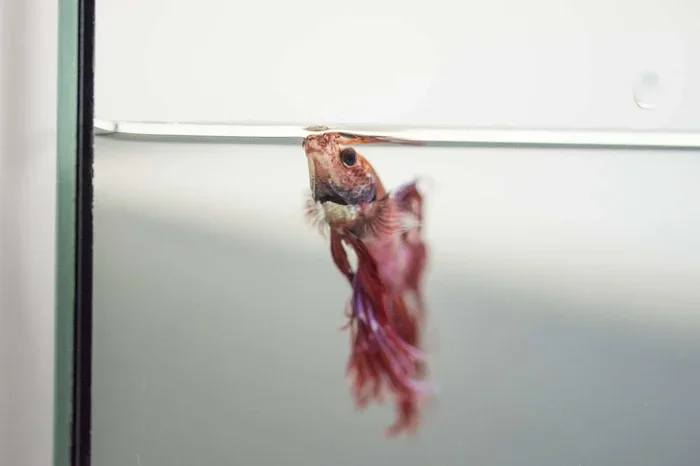
Why Is My Betta Fish Staying in One Spot

Betta fish that linger in one spot are often signaling stress, illness, or environmental issues. By checking water quality, tank setup, and health signs, you can help your finned friend move freely again. Simple tweaks and timely care can turn a static swimmer into a vibrant explorer.
Key Takeaways
- Water quality matters: Poor parameters are the top reason a betta stays put.
- Tank size and décor: A cramped or barren tank can make a betta feel trapped.
- Health signs: Lethargy, loss of color, or abnormal breathing often accompany immobility.
- Temperature control: Betta fish need warm, stable water to stay active.
- Stress triggers: Loud noises, bright lights, and aggressive tank mates can cause a betta to hide.
- When to act: If the behavior lasts more than a few days, seek veterinary advice.
- Preventive care: Regular water changes and proper feeding keep your betta swimming confidently.
📑 Table of Contents
- Introduction: A Betta That Won’t Move?
- 1. Water Quality – The Silent Culprit
- 2. Temperature – Too Cold or Too Hot?
- 3. Tank Size and Layout – Space to Explore
- 4. Health Issues – When Lethargy Signals Illness
- 5. Stress Triggers – Noise, Light, and Tank Mates
- 6. Nutrition and Feeding Habits
- Putting It All Together – A Quick Checklist
- Conclusion: From Stagnant to Spry
Introduction: A Betta That Won’t Move?
Imagine you’ve just set up a beautiful aquarium for your new betta. The colors are vivid, the water glistens, and you’re ready to watch your little warrior dart around. But instead, he hovers in one corner, barely moving. It’s puzzling, a little worrying, and you start asking, “why is my betta fish staying in one spot?”
Don’t panic. Betta fish are sensitive creatures, and a single‑spot habit can be a clue rather than a catastrophe. In this friendly guide we’ll walk through the most common reasons, show you how to diagnose the problem, and give you easy‑to‑follow fixes. By the end, you’ll feel confident that you’re doing everything right for a happy, active betta.
1. Water Quality – The Silent Culprit
Why clean water matters
Betta fish are native to shallow, slow‑moving waters in Southeast Asia. In captivity, they rely on us to keep the water safe. Bad water quality is the #1 reason a betta will stay in one spot.
- Ammonia & nitrite spikes irritate gills, making breathing hard.
- High nitrate levels cause chronic stress.
- Improper pH (ideal 6.5‑7.5) can affect skin and fin health.
Testing and fixing
Invest in a reliable test kit. Check ammonia, nitrite, nitrate, and pH weekly. If any reading is out of range, perform a partial water change of 25‑30% using dechlorinated water at the same temperature.
Tip: Use a water conditioner that also detoxifies ammonia. This gives your betta a quick breather while you sort out the tank.
2. Temperature – Too Cold or Too Hot?
Betta’s sweet spot
Betta fish thrive at 78‑80°F (25.5‑26.5°C). Anything below 75°F can slow metabolism, causing the fish to linger. Over‑heating (>84°F) stresses the fish and may lead to loss of appetite.
How to maintain stable temps
Use an aquarium heater with an adjustable thermostat. Place the heater near a water flow source for even distribution, but avoid direct blasts that create hot spots.
Check the temperature twice a day for the first week after setup. A simple digital thermometer will do the trick.
3. Tank Size and Layout – Space to Explore
Why size matters
A common myth is that bettas can live happily in tiny bowls. In reality, a 5‑gal (19‑L) tank is the minimum for a single betta. A cramped space makes the fish feel trapped, leading to “staying in one spot” behavior.
Decor and hiding places
Provide a few smooth rocks, live or silk plants, and a gentle slope. These give your betta places to rest without feeling boxed in. Avoid sharp décor that can tear delicate fins.
For more ideas on tank setup, read our guide on why are betta fish kept in small containers and learn how to give your fish room to roam.
4. Health Issues – When Lethargy Signals Illness
Common ailments
Illnesses often make a betta stay put. Look for these signs:
- Loss of color or faded fins
- Clamped fins (held close to the body)
- Rapid, labored breathing
- Swim bladder problems – the fish may float sideways or sink
Spotting disease early
If you notice any of the above, act fast. Treat mild bacterial infections with a broad‑spectrum aquarium medication. For swim bladder issues, try fasting the fish for 24‑48 hours, then feed a small pea to aid digestion.
Read more about related symptoms in our article why is my betta fish floating sideways.
5. Stress Triggers – Noise, Light, and Tank Mates
Environmental stressors
Betta fish have sensitive lateral lines. Loud vibrations, bright fluorescent lights, and frequent tapping on the glass can all cause anxiety. A stressed betta will often hide in one corner.
Tank mate considerations
While male bettas are aggressive toward each other, even peaceful community fish can stress a solitary betta if they are too active or nippy. If you keep other fish, ensure they are calm, non‑aggressive species and that the tank is spacious enough for each inhabitant.
6. Nutrition and Feeding Habits
What they need
A balanced diet of high‑quality betta pellets, occasional frozen or live foods (brine shrimp, daphnia), and a regular feeding schedule keeps energy levels high.
Feeding mistakes
Overfeeding leads to cloudy water and digestive issues, both of which can make a betta sluggish. Underfeeding causes weakness.
If your betta refuses food, see our article on why is my betta fish not eating for troubleshooting tips.
Putting It All Together – A Quick Checklist
- Test water weekly; keep ammonia & nitrite at 0 ppm.
- Maintain temperature between 78‑80°F.
- Provide at least a 5‑gallon tank with plants or silk décor.
- Observe for signs of disease: color loss, clamped fins, abnormal swimming.
- Minimize loud noises and sudden light changes.
- Feed 2‑3 small meals daily with a varied diet.
Conclusion: From Stagnant to Spry
Seeing your betta fish staying in one spot can be unsettling, but it’s also a valuable signal. By checking water quality, temperature, tank size, health, stressors, and nutrition, you address the most common causes. Most bettas bounce back within a few days of proper care. If the behavior persists despite your best efforts, a visit to an aquatic‑veterinarian is the next step.
Remember, a thriving betta is a happy betta. With a clean tank, stable conditions, and a watchful eye, you’ll soon enjoy the graceful flares and playful swims that make these fish such beloved pets.
Frequently Asked Questions
Why does my betta stay at the bottom of the tank?
Staying at the bottom often indicates poor water quality, low temperature, or a swim bladder issue. Test the water and check the heater, then consider a short fast to help the swim bladder.
Can a betta be lazy if it’s healthy?
Yes, bettas have natural rest periods, especially at night. However, prolonged inactivity during daylight hours usually points to stress or a problem.
How often should I change the water to prevent this behavior?
For a 5‑gallon tank, change 25‑30% of the water weekly. If you notice ammonia spikes, increase the frequency until levels stabilize.
Is it normal for a betta to hide under decorations?
Hiding is normal, but a betta that never leaves a hiding spot may be stressed or ill. Provide gentle lighting and ensure the tank isn’t too noisy.
What temperature should I set my heater to?
Set the heater to maintain 78‑80°F (25.5‑26.5°C). Use a reliable thermometer and avoid sudden temperature shifts.
When should I seek professional help?
If your betta shows signs of disease (clamped fins, loss of color, abnormal swimming) or if inactivity lasts more than a week despite proper care, consult an aquatic veterinarian.