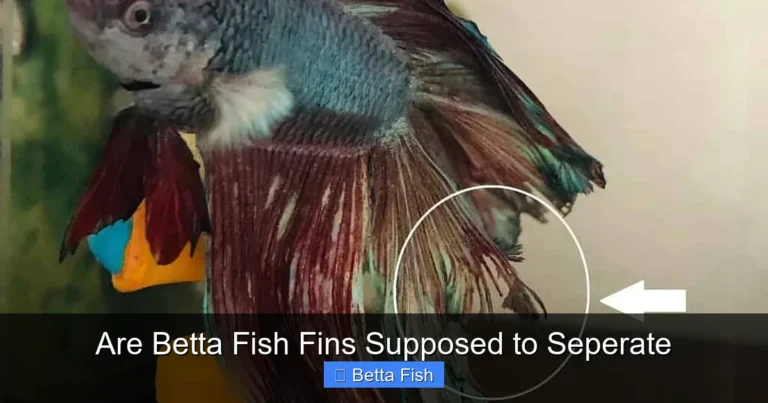
How Does a Blizzard Affect Betta Fish

A blizzard can seriously harm your betta fish by causing sudden temperature drops, cold shock, and long-term health problems. Cold water weakens a betta’s immune system and makes it vulnerable to diseases like ich and fungal infections. Understanding the risks and taking quick action can save your betta’s life during harsh winter weather.
Winter storms can be scary for any pet owner. If you have a betta fish, a blizzard brings a whole new set of worries. Your betta relies on warm, stable water to stay healthy. When a blizzard hits, it can disrupt that balance in ways you might not expect. This guide covers everything you need to know about how a blizzard affects betta fish and what you can do to keep your fish safe.
Many fish owners don’t realize how quickly cold weather can impact their tank. A sudden drop in room temperature can send tank water into the danger zone. Even a few degrees below what your betta needs can cause stress, illness, or worse. Let’s dive into the risks, the warning signs, and the steps you can take to protect your betta during a blizzard.
Key Takeaways
- Cold water is dangerous: Betta fish thrive in warm water, and a blizzard can quickly drop tank temperatures to unsafe levels.
- Cold shock is a real threat: Sudden temperature changes can stress your betta and lead to serious health issues.
- Power outages are a major risk: Without a heater, tank water can cool down fast during a storm.
- Signs of distress are easy to spot: Lethargy, clamped fins, and loss of appetite are clear warning signs.
- Simple steps can protect your betta: Insulation, tank covers, and emergency heating methods make a big difference.
- Long-term cold exposure shortens lifespan: Repeated cold stress can reduce how long your betta lives.
📑 Table of Contents
- What Happens When a Blizzard Hits Your Betta Fish Tank
- How Cold Water Affects Betta Fish Health
- Signs Your Betta Fish Is Struggling With Cold Weather
- How To Protect Your Betta Fish During a Blizzard
- Long-Term Effects of Cold Exposure on Betta Fish
- Emergency Steps When Power Goes Out During a Blizzard
- How To Prepare Your Betta Tank Before Winter Storm Season
- When To Seek Help for a Cold-Stressed Betta
- Conclusion
What Happens When a Blizzard Hits Your Betta Fish Tank
When a blizzard rolls in, the first thing that changes is the room temperature. Most betta tanks sit in rooms that are not heated to tropical levels. During a storm, windows rattle, drafts creep in, and heaters may struggle to keep up. Here is what goes on behind the glass.
The Temperature Drop Effect
Betta fish need water temperatures between 76 and 82 degrees Fahrenheit. A blizzard can cause room temperatures to fall well below that range. As the room cools, so does the water. Water loses heat much faster than air, especially in smaller tanks. A 5-gallon tank can drop several degrees in just an hour if the room gets cold enough.
The bigger the temperature gap, the more dangerous it becomes. A slow, gradual drop gives your betta time to adjust. But a blizzard rarely works that way. It brings sudden cold snaps, power fluctuations, and wind drafts. All of these factors team up to create a hostile environment for your fish.
How a Blizzard Affects Tank Equipment
Your tank heater works hard to maintain the right temperature. But during a blizzard, it may not be enough. Here are some common equipment challenges:
- Heater overload: The heater runs constantly but may not keep up with heat loss.
- Power outages: Storms often knock out electricity, leaving your heater completely off.
- Thermostat failure: Cold rooms can cause heater thermostats to malfunction or reset.
- Filter slowdown: Cold water thickens, making filters work harder and circulate less effectively.
Each of these problems adds up fast. Without a working heater and filter, your betta is left in cold, stagnant water. That is a recipe for trouble.
How Cold Water Affects Betta Fish Health
Understanding how cold water affects betta fish is the first step in protecting them. Bettas are tropical fish. Their bodies are designed for warm water. When the temperature drops, their entire system slows down.
Metabolism Slows Way Down
Cold water slows a betta’s metabolism. This means their body burns energy slower. They digest food less efficiently. They move less. Their immune system weakens. All of these changes happen gradually, which makes them easy to miss at first.
When your betta’s metabolism drops, it cannot fight off germs as well. Bacteria and parasites that your fish could normally handle start to take hold. This is why many betta fish develop diseases after a cold snap or a blizzard.
Cold Shock and Stress
Cold shock happens when the water temperature drops too fast. Your betta’s body goes into survival mode. The gills work harder. The heart rate drops. The fish becomes lethargic and disoriented. In severe cases, cold shock can be fatal within hours.
Cold shock is different from long-term cold exposure. Cold shock is an emergency. Long-term exposure wears your betta down over days or weeks. Both are dangerous, but they show up differently. Knowing the signs of each helps you respond faster.
Weakened Immune System
A betta living in cold water has a weakened immune system. This makes it an easy target for common fish diseases. Some of the most frequent problems include:
- Ich (white spot disease): Tiny white dots appear on the fins and body.
- Fungal infections: Cotton-like growths form on the skin or fins.
- Fin rot: The edges of the fins turn fuzzy or ragged.
- Columnaris: A bacterial infection that causes pale patches and rapid breathing.
These diseases are much easier to prevent than to treat. Keeping your betta’s water warm during a blizzard is the best defense.
Signs Your Betta Fish Is Struggling With Cold Weather
Betta fish are good at hiding discomfort. By the time you notice something is wrong, the problem may already be serious. Here are the most common signs that cold weather is affecting your betta.
Lethargy and Low Energy
A healthy betta is an active fish. It swims around the tank, explores, and builds bubble nests. If your betta starts staying at the bottom of the tank and barely moves, cold water could be the cause. A sluggish betta is a betta that is struggling to maintain its body functions in low temperatures.
Clamped Fins
When a betta holds its fins close to its body instead of spreading them out, this is called clamping. Clamped fins are a classic sign of stress and discomfort. Cold water is one of the most common triggers for this behavior. If you notice your betta’s fins tucked tightly against its body, check the water temperature right away.
Loss of Appetite
Bettas are generally eager eaters. If your fish refuses food or only picks at it, something is off. Cold water reduces a betta’s hunger because its digestion slows down. A betta that stops eating for more than two days needs immediate attention.
Rapid or Labored Breathing
Cold water holds more dissolved oxygen, which might sound helpful. But a stressed betta in cold water often breathes rapidly at the surface. This is a sign that the fish is in distress and trying to cope with the temperature change.
Color Fading
Healthy bettas display vibrant colors. Cold stress can cause their colors to fade or look dull. If your betta’s bright blues and reds start looking washed out, the water temperature may be too low.
How To Protect Your Betta Fish During a Blizzard
The good news is that you can take steps to keep your betta safe during a blizzard. Preparation is key. The earlier you act, the better your chances of preventing cold-related health problems.
Insulate the Tank
One of the simplest ways to retain heat is to insulate the tank. You can wrap the outside of the tank with a towel, foam board, or even bubble wrap. This creates a barrier against cold drafts and helps keep the water temperature stable. Just make sure you leave the front panel uncovered so your betta can still see and get light.
Use a Tank Cover
A tight-fitting tank lid does more than prevent escapes. It also traps heat inside the tank. Bettas are jumpers, so a secure lid is always a good idea. During a blizzard, a lid helps hold warmth in and cold air out. Just make sure there is enough space between the water surface and the lid for air exchange.
Move the Tank Away from Windows
Windows are a major source of cold drafts during winter storms. Placing your betta tank near a window exposes it to freezing temperatures and sudden temperature swings. Move the tank to an interior wall of your home where the temperature stays more consistent. A room with a door and walls on multiple sides will retain heat better.
Try Emergency Heating Methods
If your heater fails or the power goes out, you need backup options. Here are some practical emergency heating methods:
- Heating pads: These are designed for aquarium use and can be placed under the tank.
- Warm water bottles: Fill a clean plastic bottle with warm (not hot) water and place it in the tank. Replace it as it cools.
- Room heaters: If you have a space heater, warm the room around the tank instead of heating the water directly.
- Hot water bags: Seal a ziplock bag filled with warm water and place it against the outside of the tank.
None of these methods replace a proper aquarium heater, but they can buy you time during a power outage. For more permanent solutions, check out how to keep your betta fish warm without a heater for additional strategies.
Monitor the Water Temperature Closely
During a blizzard, you should check your tank temperature more often than usual. An aquarium thermometer is an essential tool. Place it where you can read it easily. Aim to check the temperature at least twice a day during cold weather. If the temperature drops below 74 degrees Fahrenheit, take action immediately.
Some aquarists use digital thermometers with alarms. These devices beep when the temperature goes out of range. They are a small investment that can save your betta’s life during a storm.
Long-Term Effects of Cold Exposure on Betta Fish
A single exposure to cold water might not kill your betta. But repeated or prolonged cold exposure can cause lasting damage. Understanding the long-term effects helps you see why prevention matters so much.
Reduced Lifespan
Cold stress takes a toll on a betta’s body over time. Fish that live in water that is consistently too cold tend to have shorter lifespans. A betta that might live five to seven years in ideal conditions could live only two or three if exposed to regular cold spells. If you want your betta to live a long and healthy life, keeping the water warm is one of the most important things you can do.
Chronic Stress and Behavioral Changes
Fish that survive cold exposure often carry lasting stress. Stressed bettas may become more aggressive, hide more, or stop building bubble nests. They may also become more prone to illness even after the water warms back up. Chronic stress weakens the body in ways that are not always visible at first.
Reproductive Problems
Cold water can affect a betta’s ability to reproduce. Male bettas may stop building bubble nests. Females may not be interested in spawning. Even if breeding does occur, cold-stressed parents may produce fewer or weaker fry. If you plan to breed bettas, maintaining stable warm temperatures is essential.
Emergency Steps When Power Goes Out During a Blizzard
A power outage during a blizzard is every betta owner’s nightmare. Without electricity, your heater stops working and the water begins to cool. Here is what you should do in that situation.
First, cover the tank with blankets or towels to trap heat. Do not open the lid unnecessarily. Every bit of warmth you can keep inside the tank helps. Next, use your emergency heating methods like warm water bottles or heating pads. Check the temperature every 30 minutes if possible.
If the outage lasts more than a few hours, you may need to move your betta to a smaller container with warm water. A clean plastic storage bin or a large bowl works in a pinch. Use water from the tank to avoid shocking your fish with different water parameters. For tips on moving your betta safely, read up on how to transfer a betta fish to a bowl before an emergency happens.
Most importantly, stay calm. Bettas are surprisingly resilient fish. With quick thinking and the right actions, you can get through a power outage and keep your fish safe.
How To Prepare Your Betta Tank Before Winter Storm Season
The best time to prepare for a blizzard is before winter arrives. A little planning now can save you a lot of stress later. Here is a simple checklist to follow each fall.
- Test your heater: Make sure it is working properly and set to the right temperature.
- Buy a backup thermometer: A second thermometer gives you a way to double-check the reading.
- Stock up on emergency supplies: Keep warm water bottles, heating pads, and blankets on hand.
- Insulate the tank area: Use foam boards or towels to block drafts from windows and doors.
- Plan for power outages: Know where you will move the tank or what backup heating methods you will use.
- Check your tank location: Make sure the tank is not near windows, exterior doors, or vents.
Taking these steps before the first storm hits puts you in a much better position. You will feel more confident and your betta will stay safer through the coldest months of the year.
When To Seek Help for a Cold-Stressed Betta
Sometimes home remedies are not enough. If your betta shows severe signs of cold stress, it is time to seek help. Look for these serious warning signs:
- The fish is completely motionless and unresponsive.
- The betta is gasping at the surface constantly.
- You notice open sores, visible fungus, or white spots that spread quickly.
- The fish has been refusing food for more than three days.
- The water temperature has dropped below 65 degrees Fahrenheit.
If you see any of these signs, act fast. Warm the water slowly by adding small amounts of warm water to the tank. Do not raise the temperature too quickly, as rapid changes can cause additional stress. For more guidance on caring for a stressed fish, check out how to treat a stressed betta fish. If the condition does not improve within 24 hours, consult a veterinarian who specializes in fish health.
Conclusion
A blizzard can put your betta fish at serious risk. Cold water slows their metabolism, weakens their immune system, and opens the door to diseases. The sudden temperature drops and power outages that come with winter storms make the situation even more dangerous. But with the right preparation and quick action, you can protect your betta and keep it healthy through even the worst winter weather.
Remember that how a blizzard affects betta fish comes down to temperature. Keep the water warm, monitor the conditions closely, and have a plan in place before a storm hits. Your betta depends on you for its comfort and safety. By staying informed and taking proactive steps, you give your fish the best chance at a long, happy, and healthy life.
Take a few minutes today to check your tank setup. Make sure your heater is working, your thermometer is accurate, and you have supplies ready for emergencies. A little preparation now can make all the difference when a blizzard rolls through. Your betta will thank you for it.
Frequently Asked Questions
Can a blizzard kill a betta fish?
Yes, a severe blizzard can kill a betta fish if the water temperature drops too low for too long. Cold shock and prolonged cold exposure can be fatal. This is why taking preventive steps before a storm is so important.
How fast does tank water cool down during a blizzard?
Tank water can cool down surprisingly fast, especially in small tanks. A 5-gallon tank may drop several degrees in just one hour if the room temperature falls significantly. Larger tanks cool more slowly but still need protection during a blizzard.
What is the safest water temperature for a betta fish during winter?
The safest water temperature for a betta fish is between 76 and 82 degrees Fahrenheit. Keeping the water within this range year-round helps your betta stay healthy and active, even during cold winter months.
Do betta fish hibernate during cold weather?
No, betta fish do not hibernate. They are tropical fish and need warm water all year round. When the water gets too cold, they become sluggish and stressed, but this is not hibernation. It is a sign of distress that needs attention.
Can I use a heating pad during a power outage?
Yes, a heating pad designed for aquarium use can help during a power outage. Place it under the tank and monitor the water temperature closely. Heating pads are not as reliable as a heater, but they provide a useful backup during emergencies.
How can I tell if my betta is cold or just resting?
A resting betta will still respond when you approach the tank or when you drop food in the water. A cold betta will be very sluggish, stay at the bottom, and may not react to food. Look for clamped fins and color fading as additional signs of cold stress.