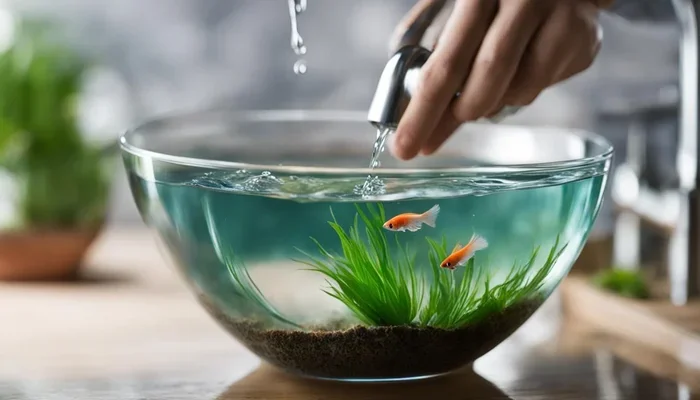
How Do You Clean Your Betta Fish Tank

How do you clean your betta fish tank? A clean tank keeps your betta healthy, happy, and stress-free by preventing harmful bacteria and maintaining crystal-clear water. This guide covers simple, step-by-step methods for betta tank maintenance, including water changes, gravel cleaning, and filter care — so you can enjoy a thriving aquarium with minimal effort.
Key Takeaways
- Partial water changes: Replace 25% of tank water weekly to maintain quality.
- Use a gravel vacuum: Remove debris and waste from the substrate effectively.
- Never use soap or chemicals: Residue can harm your betta fish.
- Test water parameters: Check ammonia, nitrite, and nitrate levels after cleaning.
- Rinse filter media in tank water: Preserve beneficial bacteria colonies.
- Maintain stable temperature: Keep water at 76-82°F during and after cleaning.
- Clean the glass regularly: Use an algae scraper to prevent buildup.
📑 Table of Contents
- Why Cleaning Your Betta Fish Tank Is So Important
- What You’ll Need to Clean Your Betta Fish Tank
- Step-by-Step Guide: How Do You Clean Your Betta Fish Tank
- How Often Should You Clean Your Betta Fish Tank
- Common Mistakes to Avoid When Cleaning
- Expert Tips for Keeping Your Betta Fish Tank Cleaner Longer
- Conclusion
Why Cleaning Your Betta Fish Tank Is So Important
Let’s be honest — nobody got into the betta fish hobby to spend their weekends scrubbing glass. But here’s the thing: a dirty tank can make your beautiful fish sick, stressed, and even shorten their life. When you understand why clean your betta fish tank matters so much, the task stops feeling like a chore and starts feeling like an act of care.
Your betta lives in that water 24/7. Every bit of waste, leftover food, and debris goes straight into the same water your fish breathes. Over time, ammonia levels spike. Nitrate levels climb. The water turns cloudy, the glass gets coated in algae growth, and your once-vibrant betta starts looking dull and lethargic. Regular betta fish tank cleaning prevents all of this before it becomes a real problem.
How Dirty Water Affects Your Betta
Fish produce waste. It’s just biology. But in a closed tank environment, that waste builds up fast. The nitrogen cycle converts ammonia into nitrite and then nitrate, but your beneficial bacteria can only do so much. When the water parameters go off-balance, your betta pays the price.
Here’s what dirty water can do:
- Stress — Uncomfortable water makes your betta hide and lose color.
- Fin rot — Dirty water encourages bacterial and fungal infections.
- Weakened immune system — A stressed fish gets sick faster.
- Poor growth — Your betta won’t thrive if it’s fighting bad water every day.
Signs Your Tank Needs Cleaning
You don’t need a chemistry degree to know when something’s off. Watch for these obvious clues:
- Cloudy or murky water
- Algae buildup on glass and decorations
- Unusual smell coming from the tank
- Visible debris or waste on the fish tank substrate
- Your betta staying near the surface or hiding more than usual
- Foamy or bubbly water that won’t settle
If you notice any of these, it’s time to clean your betta fish tank. Don’t wait — the longer you let things slide, the harder the cleanup becomes.
What You’ll Need to Clean Your Betta Fish Tank
Before you dive in, gather everything you need. There’s nothing worse than halfway through a tank cleanup and realizing you’re missing a key tool. Having the right supplies makes the whole process smoother and faster.
Essential Tools for Betta Tank Cleaning
- Bucket — Dedicate one bucket purely for tank water. Never use it for household chores.
- Gravel vacuum — This is a game-changer for removing waste from the substrate without doing a full teardown.
- Water conditioner — Tap water contains chlorine and chloramine that are toxic to fish. A good conditioner neutralizes these instantly.
- Algae scraper or magnet cleaner — For keeping the glass clear without scratching it.
- Soft sponge — Use this for cleaning decorations and the outside of the tank.
- Funnel — Makes refilling much less messy.
Optional but Helpful Items
These aren’t required, but they make life easier:
- Hose attachment for your faucet (for easier water changes)
- Cuttlebone for calcium supplementation during cleaning
- Net for safely moving your betta during deep cleans
- Test kit to monitor water parameters like ammonia, nitrite, and nitrate
Pro tip: If your setup includes a filter, check out this detailed guide on how to clean your betta fish tank with a filter — it covers filter-specific maintenance that’s easy to miss.
Step-by-Step Guide: How Do You Clean Your Betta Fish Tank
Now let’s get into the actual process. Whether you’re doing a quick weekly maintenance or a full deep clean, this step-by-step walkthrough covers everything. Follow these steps and your betta fish habitat will stay fresh and healthy.
Step 1: Prep Your Water First
This is the most important step people skip. Never add straight tap water to your tank. Fill your bucket with fresh water and add water conditioner right away. Let it sit for a few minutes to fully neutralize chlorine. The water should also match the tank temperature — cold water shocks your betta and causes stress.
Use a thermometer to check both the tank water and your new water. Aim for a match within 1-2 degrees Fahrenheit. Betta fish are tropical creatures and they hate sudden temperature swings.
Step 2: Remove Decorations and Clean the Substrate
Start by gently moving any decorations to one side. Use your gravel vacuum to siphon debris from the fish tank substrate. Push the vacuum into the gravel and watch the dirty water get sucked up. Don’t vacuum every inch — focus on areas where waste tends to pile up, like corners and near the filter intake.
For decorations, scrub them lightly with a soft sponge. Rinse them under warm (not hot) water. Never use soap — that’s a rule we’ll revisit shortly. Remove any dead plant leaves or leftover food particles while you’re at it.
Step 3: Clean the Glass and Filter
Grab your algae scraper and clean the inside glass. Work from top to bottom. For stubborn algae growth, let the scraper do the work — don’t press too hard or you risk scratching the glass.
When it comes to the filter, here’s where many people make mistakes. Never rinse your filter media under tap water. The chlorine kills the beneficial bacteria living on it. Instead, rinse filter media in a bucket of old tank water. Gently squeeze it a few times to remove gunk, but don’t scrub it bare. Those bacteria are essential for maintaining the nitrogen cycle.
For more details on filter-specific cleaning, this helpful resource on how to clean your betta fish tank walks you through different filter types.
Step 4: Refill, Condition, and Reintroduce Your Betta
Now it’s time to add the new water. Use a funnel or slow pour to avoid disturbing your betta and the substrate. Pour the conditioned water gently into the tank. The water level should match where it was before — or slightly lower if you’re doing a larger partial water change.
Wait a few minutes and check that the temperature is stable. Then release your betta back into the tank. If you used a net earlier, just open it and let your fish swim out on its own. Watch for any signs of stress over the next hour.
How Often Should You Clean Your Betta Fish Tank
This is one of the most common questions new betta owners ask. The answer depends on your tank size, whether you have a filter, and how many fish you keep. A good rule of thumb: small tanks need more frequent attention, while larger setups with proper filtration are more forgiving.
Weekly Maintenance Tasks
Every week, do the following:
- Perform a partial water change of 25-50% depending on tank size
- Vacuum the substrate to remove waste buildup
- Scrape algae off the glass
- Remove any visible debris or uneaten food
- Check your betta’s behavior and appearance for early signs of illness
Monthly Deep Cleaning
Once a month, go deeper:
- Rinse filter media gently in old tank water
- Clean all decorations thoroughly
- Inspect and trim live plants if applicable
- Test water parameters to make sure ammonia and nitrite are at 0 ppm
- Check for any equipment malfunctions
Comparison Table: Weekly vs Monthly Cleaning
| Task | Weekly | Monthly |
|---|---|---|
| Partial water change | Yes (25-50%) | Full water change if needed |
| Substrate vacuum | Yes | Deep vacuum all areas |
| Glass cleaning | Scrape algae | Deep scrub with sponge |
| Filter maintenance | Quick rinse | Full media clean |
| Decoration cleaning | Quick wipe | Thorough clean |
| Water testing | Visual check | Full test kit use |
For a more detailed schedule, check out this resource on how often to clean a betta fish tank — it breaks down cleaning frequency by tank size and setup.
Common Mistakes to Avoid When Cleaning
Even experienced fish keepers can slip up. Here are the most common mistakes people make when they try to clean their betta fish tank:
Using Soap or Harsh Chemicals
Never — and I mean never — use soap, bleach, or chemical cleaners on anything that touches your tank. Residues are extremely toxic to betta fish. Even a tiny trace can cause fin rot, burns, or death. Stick to plain water and soft sponges. If you need extra cleaning power, use only products specifically labeled safe for aquarium use.
Changing All the Water at Once
This is probably the biggest mistake beginners make. A full water change removes all the beneficial bacteria along with the bad stuff. Your nitrogen cycle gets completely wiped out, and your tank has to start from scratch. Always keep some old water in the tank. A partial water change removes waste without destroying the ecosystem you’ve built.
Forgetting to Condition New Water
Tap water isn’t ready for fish straight from the faucet. Chlorine and chloramine are added to municipal water supplies to kill bacteria — which is great for humans but terrible for fish. Always add water conditioner before adding new water to the tank. It takes just a few seconds and makes a huge difference.
Cleaning Everything at the Same Time
Try not to clean all your decorations and filter media in the same session. You need those beneficial bacteria colonies to stay intact. Spread out your cleaning tasks so the biological balance in your tank stays stable.
Ignoring Water Temperature
Adding cold water to a warm tank stresses your betta out. Always match temperatures before refilling. A stressed betta is a sick betta, and prevention is always easier than treatment.
Expert Tips for Keeping Your Betta Fish Tank Cleaner Longer
Want to spend less time cleaning and more time enjoying your fish? These expert-backed tips help:
- Don’t overfeed. Excess food is the number one cause of dirty water. Feed your betta only what it can eat in two minutes, once or twice a day.
- Get a good filter. A quality filter does much of the heavy lifting. If you’re using a hang-on-back or sponge filter, learn the specifics of cleaning without a filter vs. with one.
- Add live plants. Plants absorb nitrates and compete with algae for resources. They naturally help keep your tank cleaner.
- Use a darker substrate. It hides debris better and makes the tank look cleaner between maintenance sessions.
- Quarantine new fish. Never add a new fish directly to your main tank. Isolate it for two weeks to prevent introducing disease or parasites.
- Test your water regularly. Don’t wait for visible problems. A simple test kit catches issues before they become emergencies. If you notice your fish acting strangely, review guides on how to tell if your betta fish is sick to catch problems early.
Another great habit: keep a simple cleaning log. Note the date, how much water you changed, and any observations. Over time, you’ll spot patterns and fine-tune your routine perfectly.
Conclusion
Learning how to clean your betta fish tank properly is one of the most important skills you can develop as a fish owner. It’s not about perfection — it’s about consistency. A weekly partial water change, a quick substrate vacuum, and some regular glass scraping go a long way toward keeping your betta happy and healthy.
Remember to avoid the common pitfalls: never use soap, never dump all the water out, and always match temperatures. Protect those beneficial bacteria because they are the invisible heroes keeping your tank’s water parameters in check. With the right tools, a solid routine, and a little bit of love, your betta fish will thrive in a crystal-clear home for years to come. Now grab your bucket and get started — your fish is waiting.
Frequently Asked Questions
How Often Should I Clean My Betta Fish Tank?
You should do a partial water change of about 25-30% every one to two weeks. A full tank clean is rarely needed and can actually stress your betta. Regular small maintenance keeps the betta fish tank healthy and stable.
Do I Need to Remove My Betta Fish When Cleaning the Tank?
It is not always necessary to remove your betta, but moving them to a temporary container is a good safety practice. This prevents your fish from being accidentally scooped up during the cleaning process. Use tank water in the container to keep them comfortable.
What Supplies Do I Need to Clean a Betta Fish Tank?
You will need a gravel vacuum, a bucket, a water conditioner, and a soft algae scraper. A thermometer and fresh betta water are also essential for a smooth cleaning routine. Avoid using soap or harsh chemicals on any tank equipment.
How Do I Clean the Gravel in a Betta Fish Tank?
Use a gravel vacuum to suck up debris and waste from the substrate without removing the gravel itself. This is one of the most important steps in how do you clean your betta fish tank properly. Work slowly to avoid disturbing your betta too much.
Can I Use Tap Water for My Betta Fish Tank?
Yes, but you must treat tap water with a water conditioner to remove chlorine and chloramine. These chemicals are harmful to bettas and can cause serious health issues. Always let the water reach room temperature before adding it to the tank.
Is It Bad to Clean the Entire Betta Tank at Once?
Yes, a full deep clean can destroy beneficial bacteria that keep the water safe. This sudden change in the tank environment can lead to ammonia spikes and stress your betta. Stick to partial water changes to maintain a healthy balance.