How Many Times Do You Clean a Betta Fish Bowl
Cleaning your betta fish bowl is essential for your fish health and happiness. Most owners need to do a partial water change every 3 to 7 days and a full bowl clean every 2 to 4 weeks. The exact frequency depends on bowl size, filtration, temperature, and how many fish you keep. This guide breaks down everything you need to know about the betta fish bowl cleaning schedule.
Keeping your betta fish bowl clean is one of the most important parts of betta fish care. A dirty bowl can make your fish sick, stressed, and unhappy. But how many times do you clean a betta fish bowl? The answer is not as simple as a single number. It depends on several factors, including bowl size, filtration, feeding habits, and water temperature.
In this guide, we will walk you through everything you need to know about the betta fish bowl cleaning schedule. You will learn how often to do partial water changes, when to perform a full clean, and what signs tell you it is time to act. By the end, you will feel confident keeping your betta’s home fresh and healthy.
Key Takeaways
- Partial water changes: Do these every 3 to 7 days to remove waste and keep water fresh.
- Full bowl cleans: Plan for a complete clean every 2 to 4 weeks depending on conditions.
- Bowl size matters: Smaller bowls need more frequent cleaning than larger tanks.
- Watch for dirty water: Cloudy or smelly water means it is time to clean sooner.
- Avoid overcleaning: Too-frequent full cleans can strip good bacteria and stress your betta.
- Use the right tools: A gravel vacuum, dechlorinator, and clean bucket make the job easier.
- Monitor your betta: A healthy betta is less likely to need emergency bowl cleans.
📑 Table of Contents
- Why Cleaning Your Betta Fish Bowl Matters
- How Many Times Do You Clean a Betta Fish Bowl
- The Complete Betta Bowl Cleaning Schedule
- Tools You Need for Cleaning a Betta Bowl
- Common Mistakes People Make When Cleaning Betta Bowls
- How to Keep Your Betta Bowl Clean Longer
- Expert Tips for a Spotless Betta Bowl
- How Cleaning Frequency Changes Based on Setup
- Final Thoughts on How Many Times You Clean a Betta Fish Bowl
Why Cleaning Your Betta Fish Bowl Matters
A betta fish bowl is a closed environment. Unlike a large tank with a filter and beneficial bacteria, a bowl has limited ability to clean itself. Waste from your fish, leftover food, and decaying plants build up fast. This creates ammonia, which is toxic to bettas even in small amounts.
Regular clean betta bowl routines prevent ammonia spikes. They also keep the water clear and free of bad odors. A clean bowl supports your betta’s immune system, color, and overall well-being. Skipping cleanings can lead to serious health problems or even death.
Many new betta owners wonder if they need to clean the bowl daily. The short answer is no. But you do need a consistent routine. Let us break down exactly what that routine looks like.
How Many Times Do You Clean a Betta Fish Bowl
The cleaning frequency for a betta fish bowl depends on the type of cleaning you are doing. There are two main types: partial water changes and full bowl cleans. Each has a different recommended schedule.
Partial Water Changes
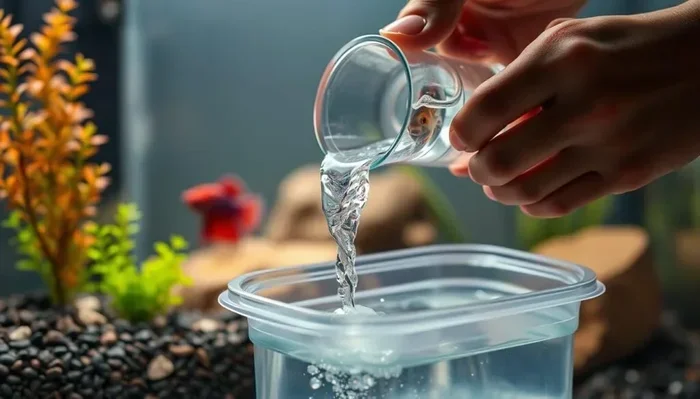
A partial water change means removing 25 to 50 percent of the bowl water and replacing it with fresh, treated water. This is the most important daily and weekly maintenance task. Most betta owners should do a partial water change every 3 to 7 days.
Here is a simple guideline based on bowl size:
- 1 to 3 gallon bowls: Partial water change every 3 to 4 days.
- 5 gallon bowls or small tanks: Partial water change every 5 to 7 days.
- 10 gallon tanks with a filter: Partial water change every 7 days.
Smaller bowls accumulate waste faster. That is why a 1 gallon betta bowl needs attention much more often than a larger setup. If you feed your betta more than twice a day, you may need to clean more frequently.
Full Bowl Cleans
A full bowl clean means emptying the entire bowl, rinsing the gravel or substrate, scrubbing the walls, and refilling with fresh water. You should not do this too often. A full clean betta fish tank session every 2 to 4 weeks is usually enough.
During a full clean, you want to preserve some of the good bacteria that live in the bowl. These bacteria help break down waste. That is why experts recommend keeping some of the old water when possible, or at least rinsing decorations in old tank water instead of tap water.
Signs Your Betta Bowl Needs Cleaning Now
Sometimes you cannot wait for your scheduled cleaning. Here are clear signs that your betta bowl needs attention right away:
- Cloudy water: This is often caused by bacteria blooms or excess waste.
- Bad smell: A foul odor means ammonia levels are rising.
- Food debris on the bottom: Uneaten food decays quickly and pollutes the water.
- Algae buildup: Green growth on the walls signals too much light or excess nutrients.
- Your betta is lethargic: A stressed or sick betta often stays near the bottom or hides.
If you notice any of these signs, do a water change immediately. Waiting can put your betta at risk.
The Complete Betta Bowl Cleaning Schedule
Let us put it all together into one easy-to-follow betta maintenance schedule. This table shows the recommended cleaning frequency for common tasks:
Weekly and Monthly Cleaning Tasks
Here is what a typical cleaning routine looks like for a standard betta bowl:
- Daily: Check the water temperature and remove any uneaten food within 5 minutes of feeding.
- Every 3 to 4 days (small bowls): Remove 25 to 50 percent of the water and add treated water.
- Every 5 to 7 days (larger bowls): Perform a partial water change and check the filter if you have one.
- Every 2 to 4 weeks: Do a full bowl clean including substrate rinsing and wall scrubbing.
- Monthly: Test the water parameters for ammonia, nitrite, and nitrate levels.
Following this betta fish bowl cleaning routine keeps your fish healthy and your water crystal clear. You can adjust the schedule based on how your bowl looks and smells between cleanings.
Tools You Need for Cleaning a Betta Bowl
Cleaning a betta bowl does not require a lot of equipment. But having the right tools makes the job faster and safer for your fish. Here is what you need:
- A small bucket or cup: Use this to remove old water. Never use a container that has held soap or chemicals.
- A gravel vacuum or siphon: This helps you pull debris from the bottom of the bowl easily.
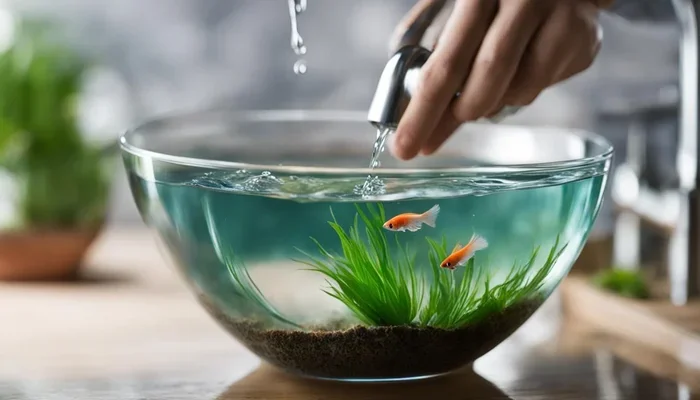
- Dechlorinator: Tap water contains chlorine that harms bettas. Always treat new water before adding it to the bowl.
- A soft sponge or algae pad: Use this to scrub algae off the bowl walls. Never use soap.
- A thermometer: Make sure the new water matches the bowl temperature to avoid shocking your betta.
- Clean towels or paper towels: These help with spills and keeping the area tidy.
One important tip: never use soap or detergent to clean your betta bowl. Even a tiny residue can be deadly. Rinse everything with clean water only. If you want to learn more about safe cleaning methods, check out our guide on how to clean a betta fish bowl without a filter for extra helpful tips.
Common Mistakes People Make When Cleaning Betta Bowls
Even well-meaning owners make mistakes that can harm their bettas. Here are the most common ones to avoid:
Overcleaning the Bowl
Some owners think more cleaning equals a healthier bowl. This is not true. Overcleaning strips away beneficial bacteria that help break down waste. Doing a full bowl clean every week can actually make the water worse over time. Stick to the recommended schedule and let good bacteria do their job.
Using Tap Water Without Treatment
Tap water contains chlorine and chloramine, which are harmful to bettas. Always use a dechlorinator before adding water to the bowl. This simple step prevents many common health problems. If you are unsure what water to use, read our article on can you put tap water in a betta fish bowl for a detailed answer.
Removing All the Water at Once
Draining 100 percent of the water during a clean removes all beneficial bacteria. This can cause a dangerous ammonia spike. Always leave some old water, or at least rinse decorations in tank water to preserve the bacterial colony.
Cleaning Too Quickly After Setting Up
If you just set up a new bowl, give it at least 24 to 48 hours before doing any cleaning. The water needs time to stabilize, and beneficial bacteria need time to start colonizing. Cleaning too early can disrupt this process.
How to Keep Your Betta Bowl Clean Longer
You can reduce how often you need to clean by taking preventive steps. Here are some easy habits that keep your betta bowl fresher between cleanings:
- Do not overfeed: Excess food is the biggest source of bowl pollution. Feed your betta 2 to 3 small pellets or a small pinch of flakes once or twice a day. Remove any uneaten food within 5 minutes.
- Use a filter: A small sponge filter can dramatically improve water quality. It helps circulate water and supports beneficial bacteria growth.
- Add live plants: Plants absorb nitrates and help keep the water clean naturally. They also provide hiding spots that reduce betta stress.
- Keep the bowl out of direct sunlight: Sunlight promotes algae growth, which makes the bowl dirty faster.
- Use the right bowl size: A bowl that is at least 5 gallons gives you more stable water parameters and requires less frequent cleaning.
For a deeper look at maintaining a healthy environment, you might also want to read our how to maintain a betta fish bowl guide. It covers long-term care strategies that make cleaning easier and less frequent.
Expert Tips for a Spotless Betta Bowl
Experienced betta keepers follow a few extra habits that set them apart. Here are some expert-level tips:
- Do a quick visual check every morning. Look for food debris, cloudy patches, or algae spots. Catching problems early makes cleaning much easier.
- Keep a cleaning log. Write down when you did each water change and full clean. This helps you spot patterns and adjust your schedule over time.
- Use room-temperature water. Cold or hot water can stress your betta. Let the new water sit out for 24 hours before adding it, or use a thermometer to match temperatures.
- Clean the bowl in a separate container. Never clean the bowl in your kitchen sink. Soap residue from dishes can be fatal to your fish.
- Observe your betta after cleaning. A healthy betta should be active and curious within an hour of a water change. If your betta stays hidden or at the bottom, check the water parameters.
These small habits add up over time. They help you build a betta bowl maintenance routine that works for your lifestyle and keeps your fish thriving.
How Cleaning Frequency Changes Based on Setup
Not all betta bowls are the same. Your cleaning frequency will vary depending on your specific setup. Here is a quick comparison:
- Unfiltered small bowl (1 to 3 gallons): Partial water changes every 2 to 3 days. Full clean every 2 weeks.
- Filtered small tank (5 gallons): Partial water changes every 5 to 7 days. Full clean every 3 to 4 weeks.
- Filtered larger tank (10+ gallons): Partial water changes every 7 days. Full clean every 4 to 6 weeks.
- Bowls with live plants: Partial water changes every 5 to 7 days. Full clean every 4 weeks. Plants help absorb waste naturally.
As you can see, the setup matters a lot. A filtered tank with plants needs less frequent cleaning than a bare unfiltered bowl. If you are just starting out, a 5 gallon filtered tank is the easiest to maintain and gives your betta plenty of room to thrive.
Final Thoughts on How Many Times You Clean a Betta Fish Bowl
The truth is, there is no single magic number for how many times you should clean a betta fish bowl. It depends on your bowl size, setup, feeding habits, and the health of your fish. But with a consistent routine of partial water changes every few days and a full clean every few weeks, you will keep your betta happy and healthy.
Remember the golden rules: do not overclean, always treat your water, and watch your fish for signs of trouble. A clean bowl is the foundation of good betta care. When you combine regular cleaning with proper feeding and a good environment, your betta can live a long and vibrant life.
Start today by checking your bowl water. If it looks cloudy or smells, it is time for a change. Your betta will thank you with bright colors and active swimming. Happy cleaning, and enjoy your beautiful betta fish!
Frequently Asked Questions
How many times a week should I clean my betta fish bowl?
For most betta bowls, you should do a partial water change 3 to 5 times a week. Smaller bowls need more frequent changes. A full bowl clean is only needed every 2 to 4 weeks. Stick to the partial water change schedule and adjust based on how your water looks and smells.
Can I clean my betta fish bowl too often?
Yes, overcleaning is a real problem. Doing full bowl cleans too frequently strips away beneficial bacteria that help keep the water safe. Only do a full clean every 2 to 4 weeks and stick to partial water changes for the rest of the time.
What happens if I do not clean my betta fish bowl enough?
Skipping cleanings causes ammonia and nitrite levels to rise. This can make your betta sick, cause fin rot, and even lead to death. Signs of an unclean bowl include cloudy water, bad smells, and a lethargic or hiding betta. Clean the bowl as soon as you notice these signs.
Do I need to clean a betta bowl if it has a filter?
Yes, even filtered bowls need regular cleaning. A filter helps but does not replace water changes. You should still do partial water changes every 5 to 7 days and a full clean every 3 to 4 weeks. The filter just reduces how often you need to do a complete bowl overhaul.
What is the best time of day to clean a betta fish bowl?
The best time is in the morning when your betta is most active and alert. This gives you time to observe how your fish responds to the cleaning. Avoid cleaning right before lights out, as it can stress your betta during its rest cycle.
How do I know if my betta bowl cleaning schedule is working?
A good cleaning schedule keeps the water clear, odor-free, and free of debris. Your betta should be active, eating well, and displaying bright colors. If you notice frequent cloudiness or your betta seems stressed, you may need to adjust your cleaning frequency or check your water parameters with a test kit.