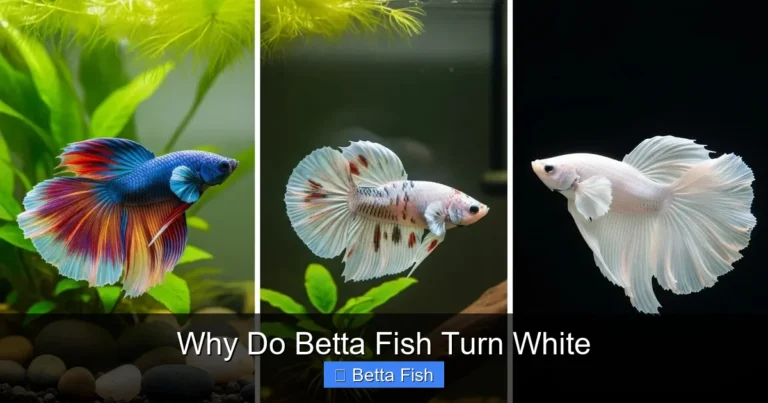
Can I Put Betta Fish with Shrimp
Can you put betta fish with shrimp? The answer is yes, but it depends on the type of shrimp, the betta’s personality, and how you set up the tank. While some bettas happily coexist with shrimp, others see them as snacks. With the right species and proper tank setup, you can create a thriving community tank that benefits both.
Key Takeaways
- Yes, it’s possible: Many betta fish can live peacefully with shrimp when the right conditions are met.
- Shrimp species matters: Larger shrimp like Amano and Bamboo shrimp are safer choices than tiny Cherry shrimp.
- Betta personality is key: Some bettas are docile while others are aggressive hunters – know your fish.
- Tank setup is crucial: Plenty of hiding spots and plants help shrimp escape and reduce stress.
- Size matters: A larger tank (10+ gallons) gives everyone more space and reduces conflict.
- Introduce shrimp first: Adding shrimp before the betta establishes territory can improve success rates.
- Have a backup plan: Always be prepared to separate them if the betta becomes too aggressive.
📑 Table of Contents
- Can I Put Betta Fish with Shrimp? The Complete Guide
- Understanding Betta Fish Temperament
- Best Shrimp Species to Keep with Betta Fish
- Setting Up the Perfect Betta and Shrimp Tank
- How to Introduce Shrimp to Your Betta Tank
- Feeding Your Betta and Shrimp
- What to Do If Your Betta Attacks the Shrimp
- Frequently Asked Questions About Bettas and Shrimp
- Final Thoughts
Can I Put Betta Fish with Shrimp? The Complete Guide
If you’ve ever wondered “can I put betta fish with shrimp,” you’re not alone. This is one of the most common questions in the aquarium hobby. The short answer is yes, but there’s a lot more to it than just tossing them together and hoping for the best.
Betta fish are known for their stunning colors and flowing fins. Shrimp are fascinating little creatures that help keep your tank clean. Together, they can create a beautiful and functional aquarium. But bettas are also territorial and sometimes aggressive. That’s why you need to approach this combination with care and knowledge.
In this guide, I’ll walk you through everything you need to know about keeping betta fish with shrimp. We’ll cover which shrimp species work best, how to set up your tank, and what to do if things go wrong. Let’s dive in!
Understanding Betta Fish Temperament
Why Bettas Can Be Tricky Tank Mates
Betta fish, also known as Siamese fighting fish, were originally bred for aggression. In their native Thailand, they were used for fish fighting competitions. While generations of captive breeding have softened some of that aggression, it’s still very much part of their DNA.
Male bettas are especially territorial. They see their tank as their personal space and anything that enters it is either a rival, a mate, or food. Unfortunately, small moving creatures like shrimp often fall into that “food” category.
That said, every betta is an individual. Some are remarkably calm and curious. Others are absolute terrors that will attack anything that moves. You won’t know which type you have until you try introducing tank mates. This is why observation and patience are so important.
Female Bettas vs. Male Bettas
Female bettas tend to be slightly less aggressive than males. They can still be territorial, but they’re generally more tolerant of other creatures in their space. If you’re worried about aggression, starting with a female betta might give you better odds of success.
Female bettas also have shorter fins, which means they’re faster swimmers. This can actually work against shrimp because a quicker betta is better at catching them. So don’t assume a female betta is automatically a safer choice. It really comes down to the individual fish’s personality.
How to Read Your Betta’s Mood
Before adding any shrimp to your tank, spend time observing your betta. Look for signs of aggression like flaring at their reflection, attacking the glass, or being overly active and agitated. A betta that seems calm and curious is more likely to accept tank mates.
Also consider your betta’s age and history. Older bettas that have lived alone for a long time may be less accepting of newcomers. Younger bettas that were raised in community settings tend to adapt better. Understanding your specific betta’s temperament is the first step to a successful shrimp-betta tank.
Best Shrimp Species to Keep with Betta Fish
Amano Shrimp: The Safest Choice
If you’re going to keep betta fish with shrimp, Amano shrimp are your best bet. These guys are larger than most freshwater shrimp, growing up to 2 inches long. That size makes them much harder for a betta to eat or harass.
Amano shrimp are also excellent algae eaters. They’ll help keep your tank clean while coexisting with your betta. They’re fast, agile, and tend to mind their own business. Most bettas will ignore them after an initial curious investigation.
The downside is that Amano shrimp need brackish water to breed successfully. So while they’ll live happily in your freshwater betta tank, you won’t get a growing population. For many hobbyists, this is actually a benefit because it prevents overpopulation.
Bamboo Shrimp: The Gentle Giants
Bamboo shrimp, also known as wood shrimp, are another great option. These filter-feeding shrimp can grow up to 3 inches long. Their large size makes them virtually impossible for a betta to eat.
What makes bamboo shrimp unique is how they eat. Instead of scavanging for food, they sit in the current and filter particles from the water using their fan-like hands. It’s fascinating to watch and they rarely compete with bettas for food.
The catch is that bamboo shrimp need a moderate water current to feed properly. They also require a well-established tank with plenty of microorganisms. If your betta tank has a gentle filter flow and is mature enough, bamboo shrimp can be wonderful additions.
Cherry Shrimp: Proceed with Caution
Cherry shrimp are the most popular freshwater shrimp in the hobby. They’re colorful, breed easily, and are fascinating to watch. But they’re also small, which makes them risky tank mates for betta fish.
Adult cherry shrimp are only about 1 to 1.5 inches long. A hungry or aggressive betta will absolutely see them as food. Baby cherry shrimp are even smaller and will almost certainly be eaten.
That said, some betta keepers have great success with cherry shrimp. The key is having a heavily planted tank with tons of hiding spots. If your betta has a calm temperament and the shrimp have plenty of places to hide, coexistence is possible. Just be prepared to lose some shrimp along the way.
Ghost Shrimp: The Affordable Option
Ghost shrimp are cheap, widely available, and can work with bettas in the right conditions. They’re transparent, which actually provides some camouflage in a planted tank. They’re also decent algae eaters and scavengers.
However, ghost shrimp are smaller than Amano shrimp, making them more vulnerable. They’re also sometimes sold as “feeder shrimp,” which tells you how the pet industry views their role in the food chain. If you want to test your betta’s temperament before investing in expensive shrimp, ghost shrimp are a low-risk way to start.
Setting Up the Perfect Betta and Shrimp Tank
Tank Size Matters
The size of your tank is one of the most important factors when keeping betta fish with shrimp. A small 5-gallon tank doesn’t give shrimp enough room to escape if your betta gets aggressive. You need space for territories to form without constant confrontation.
I recommend at least a 10-gallon tank for a betta and shrimp community. A 20-gallon long tank is even better. The extra space allows shrimp to establish their own areas and gives your betta room to patrol without feeling crowded. More water volume also means more stable water parameters, which benefits everyone in the tank.
If you’re set on a smaller tank, you can still try it, but be extra cautious. A 5-gallon tank with a heavily planted setup and a docile betta might work. Just have a backup plan ready in case the betta doesn’t tolerate the shrimp.
Creating Hiding Spots
This is absolutely critical. Shrimp need places to hide, molt, and feel safe. Without adequate hiding spots, they’ll be stressed and vulnerable. Stress weakens their immune system and makes them easy targets for curious bettas.
Add plenty of live plants like Java moss, Java fern, Anubias, and Marimo moss balls. Java moss is especially great because it creates a dense jungle that shrimp can disappear into. Driftwood and rock caves also provide excellent shelter. You can even use shrimp tubes or small ceramic decorations designed as hiding spots.
The goal is to create a tank where shrimp can move from one hiding spot to another without being exposed for too long. Think of it as building a safe highway system throughout your aquarium. The more complex the layout, the better your shrimp will thrive.
Water Parameters
Good news: bettas and most freshwater shrimp have similar water requirements. They both prefer warm water between 76-82°F. The pH should be between 6.5 and 7.5 for both species. This overlap makes them naturally compatible from a water chemistry standpoint.
However, shrimp are more sensitive to water quality than bettas. They’re especially vulnerable to ammonia, nitrites, and copper. Make sure your tank is fully cycled before adding any shrimp. Use a water conditioner that removes chlorine and heavy metals, and avoid any medications containing copper.
Regular water changes are essential. I recommend changing 20-30% of the water weekly. This keeps parameters stable and removes waste that could harm your shrimp. Always use a gravel vacuum to clean debris from the substrate, which also helps maintain good water quality.
Filtration Considerations
Betta fish prefer calm water with minimal current. Shrimp also do well in gentle flow. This makes sponge filters the ideal choice for a betta and shrimp tank. Sponge filters provide biological filtration without creating strong currents.
Sponge filters also have another advantage: they won’t suck up baby shrimp. If you’re keeping breeding shrimp like cherry shrimp, a sponge filter is essential. Hang-on-back filters and canister filters can trap tiny shrimp in their intakes, so if you use those, cover the intake with a pre-filter sponge.
The gentle filtration also means you’ll need to be more diligent about cleaning. Sponge filters don’t remove debris as aggressively as other filter types. But the trade-off is a safe environment for both your betta and your shrimp.
How to Introduce Shrimp to Your Betta Tank
Add Shrimp Before the Betta
Here’s a pro tip that can significantly increase your chances of success: add the shrimp to the tank before the betta. When you introduce the betta to an already established shrimp colony, the shrimp have had time to find hiding spots and establish their routine. The betta is then the “newcomer” and may be less aggressive.
This approach works because bettas are less likely to see the shrimp as invaders if they were already there when the betta arrived. It’s a simple trick that can make a big difference in how your betta reacts to its new tank mates.
If your betta is already in the tank, don’t worry. You can still add shrimp successfully. Just make sure the tank is heavily planted and the shrimp have plenty of cover. You might also try rearranging the tank decor before adding the shrimp. This disrupts the betta’s established territory and can reduce aggression.
The Acclimation Process
Proper acclimation is crucial for shrimp. They’re very sensitive to sudden changes in water parameters. Use the drip acclimation method to slowly adjust them to your tank water.
Here’s how to do it: float the bag in your tank for 15-20 minutes to equalize temperature. Then, use airline tubing with a valve or knot to create a slow drip from your tank into the bag. Let it drip for about 30-60 minutes, allowing the water to gradually mix. Finally, net the shrimp and place them in the tank. Never pour the bag water into your aquarium.
This slow process reduces shock and gives your shrimp the best chance of survival. Rushing acclimation is one of the most common reasons new shrimp die within the first few days.
Monitor Closely
For the first week after introducing shrimp, watch your betta’s behavior carefully. Some initial curiosity is normal. Your betta might flare, chase, or investigate the shrimp. This is typical territorial behavior.
What you don’t want to see is relentless hunting. If your betta is actively stalking and attacking shrimp, you may need to intervene. Signs that things aren’t working include shrimp hiding constantly, missing shrimp, or a betta that won’t leave the shrimp alone.
Give it at least a week before making any decisions. Sometimes bettas go through an adjustment period and then calm down. But if after a week your betta is still aggressively pursuing the shrimp, it’s time to consider separation.
Feeding Your Betta and Shrimp
Preventing Food Competition
One reason bettas attack shrimp is competition for food. A hungry betta is more likely to see shrimp as a snack. Make sure your betta is well-fed with high-quality pellets, frozen foods, or live foods.
Feed your betta once or twice daily with only what they can eat in about two minutes. Remove any uneaten food to prevent water quality issues. A well-fed betta is generally calmer and less likely to hunt tank mates.
Shrimp are scavengers and will eat algae, biofilm, and leftover fish food. But in a new tank, there might not be enough natural food for them. Supplement their diet with shrimp pellets, blanched vegetables like zucchini or spinach, and algae wafers.
Feeding Strategies
To make sure both your betta and shrimp get enough food, try feeding at different locations in the tank. Drop betta pellets on one side and place shrimp food on the other side, preferably near hiding spots where shrimp feel safe.
You can also feed the betta first to distract them while the shrimp eat. Some keepers use a feeding ring to contain betta food in one area, allowing shrimp to forage elsewhere without competition.
Feeding at consistent times each day helps establish a routine. Both bettas and shrimp will learn when food is coming and will be less stressed overall. A calm, well-fed community is a happy community.
What to Do If Your Betta Attacks the Shrimp
Have a Backup Plan
Even with the best preparation, some bettas simply won’t tolerate shrimp. It’s not your fault, and it doesn’t mean you did anything wrong. Some bettas are just too aggressive for community living.
Always have a backup plan before introducing shrimp. This could be a separate tank, a tank divider, or a friend who can take the shrimp if needed. Don’t wait until there’s a crisis to figure out what to do.
If your betta is consistently attacking shrimp, remove the shrimp immediately. Continuing to let them coexist will only result in dead shrimp and a stressed betta. It’s better to accept that this particular betta prefers to live alone.
Try a Tank Divider
If you’re not ready to give up, try using a tank divider. This allows both the betta and shrimp to share the same water while being physically separated. The divider should be mesh or have small holes that allow water flow but prevent the betta from reaching the shrimp.
A divider can be a temporary or permanent solution. Some keepers use it during the initial introduction period and then remove it once everyone has settled down. Others keep it permanently to ensure the safety of their shrimp.
Just make sure the divider is secure. Bettas are surprisingly good at finding gaps and squeezing through small spaces. A well-fitted divider is essential for this approach to work.
Consider Alternative Tank Mates
If shrimp don’t work out with your betta, there are other options. Snails are excellent tank mates for betta fish and are much harder for bettas to harm. Nerite snails, mystery snails, and Malaysian trumpet snails are all popular choices.
You might also consider other fish species that can live with bettas, though this requires a larger tank and careful species selection. Bottom dwellers like Corydoras catfish or Kuhli loaches can sometimes work well.
The key is to know your betta’s personality and work with it, not against it. Some bettas are simply solitary fish, and that’s perfectly okay. A single betta in a beautifully decorated tank is still a stunning display.
Frequently Asked Questions About Bettas and Shrimp
Will My Betta Eat My Shrimp?
It depends on your betta’s personality and the size of the shrimp. Larger shrimp like Amano and Bamboo shrimp are generally safe. Smaller shrimp like Cherry shrimp and Ghost shrimp are at higher risk. There’s always a chance your betta will see shrimp as food, so be prepared for that possibility.
How Many Shrimp Should I Start With?
I recommend starting with at least 6-10 shrimp. This gives them a better chance of establishing a colony and provides safety in numbers. If you’re using Cherry shrimp, starting with a larger group increases the likelihood that some will survive and breed.
Can Shrimp and Bettas Breed in the Same Tank?
Bettas and shrimp breed very differently. Bettas build bubble nests and the male guards the eggs. Shrimp carry their eggs under their tails until they hatch. In the same tank, betta fry and baby shrimp might compete for food, and the betta may eat baby shrimp. If you want to breed either species, a separate breeding tank is recommended.
Final Thoughts
So, can you put betta fish with shrimp? Absolutely, but it requires the right conditions, the right shrimp species, and a good understanding of your betta’s personality. There’s no guarantee it will work, but with proper preparation, your chances of success are much higher.
Start with larger shrimp species like Amano or Bamboo shrimp. Set up a heavily planted tank with plenty of hiding spots. Introduce the shrimp before the betta if possible. Monitor closely and be ready to separate them if needed.
Remember, every betta is different. What works for one person might not work for another. The key is to be patient, observant, and willing to adapt. If it doesn’t work out, that’s okay. Your betta can still live a happy, healthy life on its own or with other compatible tank mates.
The journey of keeping bettas and shrimp together is part of what makes fishkeeping so rewarding. You’ll learn about animal behavior, tank management, and the delicate balance of a mini ecosystem. Whether your betta and shrimp become best friends or prefer to live separately, you’ll gain valuable experience either way.
Good luck with your betta and shrimp adventure! With the right approach, you can create a beautiful, thriving aquarium that brings you joy for years to come.
Frequently Asked Questions
Can betta fish live with shrimp?
Yes, betta fish can live with shrimp, but success depends on the betta’s temperament and the shrimp species. Larger shrimp like Amano and Bamboo shrimp are safer choices than smaller varieties. A heavily planted tank with hiding spots greatly improves the chances of peaceful coexistence.
What is the best shrimp to keep with betta fish?
Amano shrimp are generally the best choice for betta tanks because of their larger size, typically reaching 2 inches. Bamboo shrimp are another excellent option as they grow even larger and are filter feeders. Both species are too big for most bettas to eat or harass.
Will my betta kill my shrimp?
There’s always a risk that a betta will attack or eat shrimp, especially smaller species. Aggressive bettas are more likely to see shrimp as food or threats. Starting with larger shrimp and providing plenty of hiding spots can reduce this risk significantly.
How many shrimp can I put with my betta?
In a 10-gallon tank, you can keep 6-10 Amano shrimp or 10-15 Cherry shrimp with a betta. Larger tanks can support more shrimp. Always start with a group rather than individual shrimp, as they feel safer and behave more naturally in numbers.
Should I add shrimp before or after my betta?
Adding shrimp before the betta is generally recommended. This allows the shrimp to establish hiding spots and routines before the betta claims the territory. If your betta is already in the tank, rearrange the decor before adding shrimp to disrupt established territories.
Do I need a special filter for a betta and shrimp tank?
A sponge filter is ideal for betta and shrimp tanks because it provides gentle filtration without strong currents. Sponge filters also won’t suck up baby shrimp. If using other filter types, cover the intake with a pre-filter sponge to protect small shrimp.