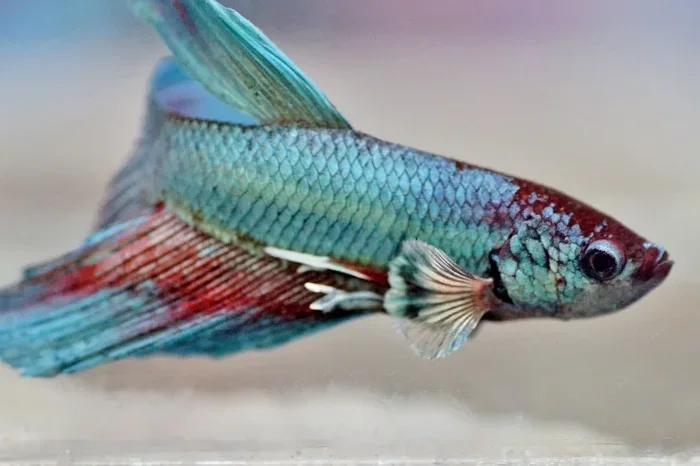
Where Is the Best Place to Buy a Betta Fish

The best place to buy a betta fish depends on your priorities: local fish stores offer immediate pickup and expert advice, reputable online breeders provide rare varieties and healthy stock, while big-box retailers are convenient but often have poor fish health. Always prioritize a seller who maintains clean tanks and can provide the fish’s history. Avoid any place with lethargic, clamped-fin, or fungus-covered bettas, as this indicates chronic stress and poor husbandry.
Key Takeaways
- Health Trumps Price: A $5 betta from a clean, well-maintained tank is a far better investment than a $3 fish from a neglected display, as it will live longer and require less veterinary care.
- Local Fish Stores Often Win: Dedicated local aquarium shops (LFS) typically have the best husbandry, knowledgeable staff, and a vested interest in their reputation, making them the top recommendation for most buyers.
- Online Breeders Are for Enthusiasts: Specialty online breeders are ideal for specific, high-quality varieties (like halfmoons or koi) but require research and carry the risks of shipping stress.
- Big-Box Stores Are a Last Resort: While convenient, chain pet stores are notorious for poor betta care (small cups, cold water, overmedication). Only buy here if the individual fish appears vibrant and active in clean water.
- Ask Critical Questions: Always ask: “How long have you had this fish?” “What do you feed it?” and “What are the water parameters?” A seller who can’t answer is a major red flag.
- Quarantine Is Non-Negotiable: Any new betta must be quarantined for 2-4 weeks in a separate tank before introducing it to an existing aquarium to prevent disease transmission.
- Trust Your Eyes Over Marketing: A beautiful website or fancy store means nothing if the individual fish you select is pale, clamped, or hiding. Inspect the fish itself first.
[FEATURED_IMAGE_PLACEHOLDER]
📑 Table of Contents
- Why the Source of Your Betta Fish Matters More Than You Think
- The Gold Standard: Your Local, Dedicated Fish Store (LFS)
- Online Betta Breeders: A World of Variety at Your Fingertips
- The Cautionary Tale: Big-Box Pet Stores and Department Chains
- Beyond the Store: Betta Shows, Clubs, and Private Sellers
- Making the Final Choice: A Decision-Making Framework
- Conclusion: Your Journey Starts with a Healthy Start
Why the Source of Your Betta Fish Matters More Than You Think
So, you’ve decided to bring a betta fish into your life. You’ve read about their fascinating personalities, admired their flowing fins, and set up a beautiful tank. The final, crucial step awaits: where is the best place to buy a betta fish? This isn’t just about convenience or the lowest price tag. The source of your betta directly determines its initial health, genetic temperament, and even its lifespan. A betta purchased from a high-stress, poorly managed environment arrives with a compromised immune system, hidden parasites, and a predisposition to disease that can lead to heartbreak and costly treatments. Conversely, a betta from a reputable source starts life strong, adapts quickly, and displays the vibrant energy and personality that make these fish such incredible pets. Think of it like adopting a dog from a certified breeder versus a puppy mill; the foundational care makes all the difference. In this comprehensive guide, we will navigate the landscape of betta procurement, from your neighborhood aquarium shop to global online breeders, arming you with the knowledge to make a choice that results in a thriving, happy companion for years to come.
The Gold Standard: Your Local, Dedicated Fish Store (LFS)
When asking “where is the best place to buy a betta fish?”, the most consistent and reliable answer from seasoned aquarists is: a reputable, locally-owned fish store. These are not the big-box pet chains, but independent shops where the owner’s passion for fishkeeping is the business model. The advantages here are multifaceted and create a superior purchasing experience.

Visual guide about Where Is the Best Place to Buy a Betta Fish
Image source: japanesefightingfish.org
The Tangible Benefits of Shopping Local
First and foremost is tank husbandry. A dedicated LFS relies on its reputation. The owner knows that sick, dying fish in their display tanks will drive away customers. Therefore, you’ll typically find bettas housed in filtered, heated systems—often in species-only tanks or divided containers with pristine water. They are fed quality foods and observed daily. You can see the fish in a stable, low-stress environment that more closely mimics a proper home aquarium than a tiny, stagnant cup. Second is expert knowledge. The staff are usually experienced hobbyists, not just seasonal employees. They can tell you the specific personality of a betta (“this one is a gentle giant,” “that one is a fin-nipper”), its feeding preferences, and its history. They offer invaluable, immediate advice on cycling your tank, compatible tank mates, and troubleshooting. Third is immediate gratification and support. You select your fish, take it home the same day, and have a physical location to return to if you have questions or, rarely, a problem. This direct line of communication is priceless for a new betta owner.
What to Look For (and Ask) at a Local Fish Store
Not all LFS are created equal. Your inspection begins the moment you walk in. Observe the betta display: Are the tanks clean, free of algae and uneaten food? Is the water clear? Are the bettas active, with fins fully extended, curious, and responding to you at the glass? Or are they listless, clamped down, hiding, or covered in fuzzy white growth (fungus) or salt-like grains (ich)? The condition of the display tank is a direct report card on the store’s care standards. Engage the staff: Ask pointed questions. “How long have these bettas been here?” “What are you feeding them?” “Do you quarantine new arrivals?” “What is the water temperature and parameters in this tank?” A knowledgeable, transparent answer is a very good sign. A vague or dismissive answer is a major red flag. A great store will often let you gently tap the glass to see a healthy reaction and may even net a specific fish for you to admire up close. Building a relationship with a good LFS means you have a lifelong resource for all your aquarium needs.
Online Betta Breeders: A World of Variety at Your Fingertips
For the enthusiast seeking a specific color, tail type (like a magnificent halfmoon or a delicate feathertail), or a particular genetic line, the internet opens a global marketplace. Specialized online betta breeders are artisans who selectively breed for specific traits, often importing wild-type stock from Thailand, the betta’s native home, to improve genetics. This is where you find the show-quality specimens.

Visual guide about Where Is the Best Place to Buy a Betta Fish
Image source: japanesefightingfish.org
The Allure and Reality of Online Purchasing
The primary draw is unparalleled variety and quality. You can find bettas in colors and forms you’ll never see in a local store—plakat (short fin) fighters with explosive colors, koi bettas with patterns that change as they age, or metallic-scaled dragons. These breeders are deeply knowledgeable about genetics and health, often raising their fish in optimal conditions from birth. They ship using specialized, insulated containers with heat packs and breathing materials, and they typically include a “dead-on-arrival” (DOA) guarantee. However, the process is not without significant challenges. Shipping stress is real. Even with the best packaging, a 2-3 day transit is traumatic for a fish. You must be home to receive the package and immediately acclimate the fish properly. There is also the cost. A high-quality betta from a top breeder can range from $50 to $200 or more, plus shipping. Furthermore, you are buying a “pig in a poke.” You select from photos and descriptions, trusting the breeder’s ethics and skill. A bad breeder’s photo may not match the stressed, faded fish that arrives.
How to Vet an Online Betta Breeder
Due diligence is absolutely critical. Research their reputation exhaustively. Search for the breeder’s name on forums like SeriouslyFish, Reddit’s r/bettafish, or dedicated betta enthusiast groups. Look for years in business, customer testimonials, and photos of their actual stock and facilities. Examine their website: A professional site with clear policies on shipping, guarantees, and health protocols is a good sign. Beware of sites with stock photos or an overwhelming number of “rare” colors at suspiciously low prices. Ask direct questions before purchasing: “Do you quarantine all fish before sale?” “What is your protocol for shipping during extreme weather?” “Can you provide photos/video of the specific fish I’m interested in?” “Do you treat for internal parasites as a standard practice?” A legitimate breeder will welcome these questions and have clear answers. They are invested in the long-term welfare of their fish and their reputation.
The Cautionary Tale: Big-Box Pet Stores and Department Chains
Let’s address the elephant in the room, or rather, the betta in the tiny, sad cup. Stores like PetSmart, Petco, Walmart, and similar large chains are where most people first encounter betta fish. Their appeal is undeniable: convenience, low price, and one-stop shopping. You can grab a $5 betta, a $10 tank, and some flake food in one trip. However, from a fish welfare and long-term ownership perspective, these are almost universally the riskiest places to buy a betta.

Visual guide about Where Is the Best Place to Buy a Betta Fish
Image source: tankarium.com
Understanding the Systemic Problems
The issue is not malice, but a systemic failure of animal husbandry at scale. Betta fish are often treated as low-cost “loss leaders” or impulse items. They are typically shipped from central suppliers in small, sealed containers with minimal water, sometimes for days. Upon arrival at the store, they are placed in tiny, unheated, unfiltered cups or small vases. Water changes are infrequent, often done incorrectly (e.g., not dechlorinating tap water), and staff are overworked and under-trained on species-specific needs. The result is a population of chronically stressed fish with weakened immune systems, rampant fungal and bacterial infections, and often severe fin rot from poor water quality. The “sale” price is a false economy; you are likely paying for a fish that is already sick or will become sick shortly after the stress of moving to your home. You may also encounter “bettas” that are not even true Betta splendens, but hybrid or genetically compromised fish from mass-breeding operations focused on profit, not health.
If You Must Buy From a Big-Box Store: A Survival Guide
Sometimes, a local fish store or online breeder isn’t an option. If you find yourself in a big-box store, you must become a fierce and discerning advocate for the individual fish. Inspect meticulously: Do not look at the row of cups; find the one that is most active. Look for vibrant, rich color (not pale or faded). Fins should be full, undamaged, and not clamped tightly to the body. The fish should be curious, swimming actively, and responding to your presence. A healthy betta will often “flare” (extend its gills and fins) at its reflection in the cup. Check the water: Is it disgustingly foul, cloudy, or full of debris? That’s a sign of extreme neglect. Ask about their care: “How often do you change the water in these cups?” “Is there a heater on this display?” If the employee shrugs or gives a wrong answer (“we just add water”), walk away. Be prepared to quarantine and treat immediately. Assume any fish from this source has a high parasite load. Have a hospital tank set up and ready with medications like API General Cure or Methylene Blue on hand. Be prepared for a potentially rocky start. While there are occasional stories of resilient “cup survivors,” they are the exception, not the rule. Your best outcome is finding a single, robust individual in a temporarily clean cup.
Beyond the Store: Betta Shows, Clubs, and Private Sellers
For the dedicated hobbyist, the world of betta acquisition expands further into niche communities. Betta shows and club meetings are fantastic places to see incredible specimens and meet breeders. You can see fish in person, assess their conformation and health directly, and speak at length with the breeder about their lines. Often, breeders will have fish for sale or can connect you with others. This is the pinnacle of informed purchasing. Similarly, private sellers on forums or Facebook groups can be excellent sources. These are often experienced hobbyists breeding a few pairs as a side project. The fish are usually well-cared for, and the seller is passionate about finding good homes. The same vetting rules apply: ask for photos/video of the specific fish, ask about its history, water parameters, and health. The advantage is a more personal connection and often detailed lineage information. The risk is less formal protection than a business, so trust and clear communication are paramount.
Making the Final Choice: A Decision-Making Framework
So, where is the best place to buy a betta fish? There is no single answer for everyone. The “best” place aligns with your experience level, goals, and local resources. Let’s build a simple framework.
For the First-Time, Casual Owner:
Priority: Health, Simplicity, Support. Your best bet is a high-quality local fish store. The ability to see the fish, get immediate advice, and have a physical location for support outweighs the slightly higher price. If no good LFS exists, proceed with extreme caution at a big-box store using the survival guide above.
For the Hobbyist Seeking a Specific Variety:
Priority: Genetics, Aesthetics, Breeder Knowledge. You must go to a reputable online specialist breeder. This requires patience, research, and a higher budget. Embrace the process as part of the hobby. Join online communities to find breeder recommendations.
For the Budget-Conscious with Experience:
Priority: Value, Willingness to Rehabilitate. You might strategically source from a big-box store or a less-expensive online seller, but only if you are prepared to quarantine and treat. See it as a rescue mission with a potentially high reward. Your experience in diagnosing and treating common betta ailments (fin rot, velvet, ich) is your shield.
Red Flags That Apply Everywhere:
No matter the source, run from any seller who: keeps bettas in dirty, cold water without heaters; cannot tell you when the fish arrived or what it eats; sells fish with obvious signs of illness; uses misleading terms like “rare” for common colors; or has no clear health guarantee or return policy. Your betta’s life begins with this choice. Invest time in finding a source that values the fish as much as you will.
Conclusion: Your Journey Starts with a Healthy Start
The quest to find the best place to buy a betta fish is the first and most important step in your betta-keeping journey. It’s a decision that echoes through the months and years you’ll share with your aquatic companion. While the siren song of a cheap, convenient cup is strong, remember that you are bringing a living being into your home, one with specific needs and a surprising capacity for interaction and joy. The most rewarding path is almost always the one that prioritizes the fish’s initial well-being. A vibrant, active betta from a dedicated local fish store or a respected online breeder will acclimate faster, eat better, display more color, and be more resilient. It will cost a little more upfront, but it will save you from the stress, expense, and sorrow of nursing a chronically ill fish. Do your homework, look past the marketing, and trust what you see in the tank. A healthy betta, with its fins fluttering and eyes bright, is not just a purchase—it’s the beginning of a wonderful relationship. Choose its source wisely.
Frequently Asked Questions
Is it okay to buy a betta fish from Walmart or a similar big-box store?
While possible, it is generally not recommended due to consistently poor husbandry practices. Bettas in these stores are often chronically stressed and sick. If you do buy one, you must assume it has parasites and be prepared to quarantine and treat it immediately. Carefully inspect for active, vibrant, and undamaged fish only.
How much more should I expect to pay at a local fish store versus a chain pet store?
You can expect to pay $10-$25 for a standard betta at a dedicated local fish store, compared to $3-$8 at a big-box retailer. The significant price difference reflects vastly superior care, better genetics, and a healthier starting point that will save you money and heartache in the long run.
What are the absolute signs of an unhealthy betta fish I should never ignore?
Never buy a betta that is lethargic or hiding, has clamped fins (fins held tightly against the body), displays faded or dull colors, has torn or shredded fins, shows signs of fungus (white cottony growth), or has visible parasites (like tiny white specks—ich—or gold dust—velvet). Also avoid fish in visibly dirty, cold, or foul-smelling water.
Can I trust online betta breeders? How do I know they’re legitimate?
You can, but thorough vetting is essential. Look for breeders with years of operation, active participation in betta forums, and transparent policies. Seek out numerous independent customer reviews. Legitimate breeders will provide clear, recent photos/video of the exact fish you’re buying, detail their quarantine and health protocols, and offer a DOA guarantee. Avoid anyone with prices that seem too good to be true or who uses generic stock photos.
Do I need to quarantine a new betta even if it looks perfectly healthy?
Absolutely, yes. Quarantine is non-negotiable for any new fish, regardless of source. A betta can carry internal parasites or bacterial infections with no visible symptoms. A 2-4 week quarantine period in a separate, filtered tank allows you to observe for any signs of illness and treat proactively before it can infect your main aquarium. This is the single most important step in preventing a tank-wide outbreak.
What is the one question I should always ask a seller before buying a betta?
Ask: “What is the water temperature and what are you feeding this betta?” The answer reveals everything. A proper answer will be a specific temperature (78-80°F / 25-27°C) and a quality food (pellets, frozen or live foods like daphnia or bloodworms). If they say “room temperature” and “flakes,” or are unsure, this indicates a fundamental lack of proper betta care, and you should not buy from them.