How Do I Know If My Betta Fish Pooped
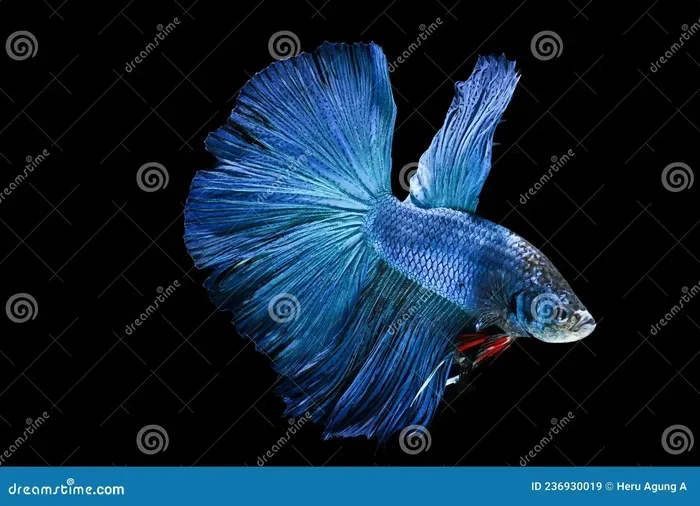
How do I know if my betta fish pooped? Look for tiny, dark pellets that sink to the bottom of the tank after feeding. Healthy betta waste reveals digestion health, and its color, size, and frequency can tell you a lot about your fish’s well-being, which this guide will help you interpret with normal vs. abnormal signs and simple care steps.
Key Takeaways
- Healthy betta poop is brown and sinks.
- Look for a small, solid log shape.
- Constipation shows as stringy, white, or undigested food.
- Check the tank bottom for fallen droppings.
- Remember how do i know if my betta fish pooped: watch closely.
- Feed high-fiber foods to promote regular pooping.
📑 Table of Contents
Why Knowing About Your Betta Fish Poop Matters
It might sound a little funny, but learning how do i know if my betta fish pooped is actually one of the most important things you can do as a betta fish owner. Poop tells you a lot about your fish’s health, diet, and how well their digestion is working. If your betta fish isn’t pooping normally, it could be a sign of a bigger problem.
Think of it like this. You probably pay attention to how your body feels after a meal. Your betta fish feels the same way. Their waste is a window into their overall well-being. By paying close attention to your betta fish poop, you can catch health issues early and make changes before things get serious.
In this article, you will learn what healthy betta fish waste looks like, why your fish might not be pooping, and what you can do to help. We will also cover practical tips for keeping your betta’s digestion in great shape. So let’s dive right in.
Understanding your betta fish digestion is a big part of providing the best care possible. Many new owners don’t realize that something as simple as watching for waste can save their fish’s life. Let’s break it all down.
What Healthy Betta Fish Poop Looks Like
So what does normal betta fish waste actually look like? The answer might surprise you. Healthy betta fish poop is usually a thin, stringy line that hangs from your fish. It often starts as a small ball near the vent area and then slowly stretches out as it drops.
Here are some key traits of healthy betta fish poop:
- Color: It is usually dark brown or black. The color comes directly from the betta fish food you feed. If you use pellets, the poop may look darker. If you use freeze-dried bloodworms, it might have a slight reddish tint.
- Shape: It looks like a long, thin string. It should not be chunky or clumpy. A smooth, rope-like shape is a good sign.
- Size: The poop is usually about the same thickness as a matchstick or a little thinner. It should not be too large or too tiny.
- Frequency: A healthy betta fish poops once or twice a day. You might not always see it, but it should be regular.
Betta fish bowel movements are a natural part of their daily routine. You should not have to search hard for them. If your fish is eating well and you are feeding the right amount, waste should happen on its own.
One thing to note is that baby betta fish, also called betta fry, poop more often than adults. Their smaller stomachs process food faster. Adult bettas are more predictable with their schedule.
Betta Fish Poop Color Chart
The color of your betta fish waste can actually tell you a lot. Here is a quick breakdown of what different colors might mean:
| Poop Color | What It Usually Means | Action Needed |
|---|---|---|
| Dark brown or black | Normal and healthy | None needed |
| Reddish tint | Diet-based (bloodworms, pellets with color) | Usually normal |
| White or pale | Possible constipation or undigested food | Adjust diet, monitor |
| Green | May indicate algae or plant matter in diet | Check food source |
| No waste at all | Possible blockage or not eating | Investigate further |
Keep this chart in mind when you are observing your fish. If you notice something off, it does not always mean a emergency, but it does mean you should pay closer attention.
Common Reasons Your Betta Fish May Not Be Pooping
Now let us talk about the real concern. If you have been wondering how do i know if my betta fish pooped and the answer seems to be “not enough,” there are several possible reasons. Let us go through the most common ones.
Overfeeding Your Betta Fish
This is the number one cause of constipation and waste problems in bettas. Many owners love their fish a little too much and give them too much betta fish food. When a betta fish eats more than its stomach can handle, the food sits in the digestive tract and hardens. The result is often a blockage that stops poop from passing.
Signs of overfeeding include:
- Large, uneaten food pieces sinking to the bottom
- A bloated or swollen belly
- Stringy white poop that does not drop
- Your betta fish not eating at all
If you think overfeeding is the issue, try skipping a feeding day. This gives the stomach time to clear out. Learn more about proper feeding amounts in our guide on how much food should i feed my betta fish.
Constipation and Blockages
Betta fish constipation is more common than most people think. It happens when the digestive system slows down or stops moving. Dry pellets are a common culprit because they expand inside the stomach. Combined with a lack of fiber, this can create a serious blockage.
To help a constipated betta fish, try feeding a peeled, blanched pea. Mash a small piece into a paste and offer it as a treat. The fiber helps get things moving again. You can also try fasting your fish for one day before offering the pea.
Poor Water Quality
Your betta fish water quality directly affects digestion. If the tank water is dirty or has high levels of ammonia and nitrite, your fish’s body goes into stress mode. Stress slows down the metabolism and digestion, which means less waste production.
Regular tank maintenance is essential. Make sure you are doing partial water changes and keeping the water parameters stable. If you are unsure about your water conditions, check out our article on how do i clean my betta fish tank for step-by-step instructions.
Illness or Disease
Sometimes, a betta fish that is not pooping may be dealing with an underlying illness. Swim bladder disorder, bacterial infections, and parasites can all affect the digestive system. If your fish is also showing signs like floating sideways, clamped fins, or loss of color, it is time to take action.
Check out our detailed guide on how do you know if your betta fish is sick to identify common health problems early. Early detection makes a huge difference in recovery.
How to Check If Your Betta Fish Has Pooped
Now let us get practical. You are sitting by the tank, watching your fish, and thinking, “How do I know if my betta fish pooped?” Here is exactly what to look for.
First, watch the area right below your betta fish. Healthy waste will slowly fall from the fish and land on the substrate or float near the surface. It often looks like a tiny dark string that drifts downward. You may need to watch for a few minutes to catch it, especially if your fish just ate.
Second, check your fish’s vent area. The vent is the small opening near the tail on the underside of the fish. If there is a small dark spot or a tiny string of waste sticking out, your fish has recently pooped or is in the process of doing so.
Third, look at the substrate. If your tank has a dark gravel or sand, it might be hard to see poop. Try using a turkey baster or small siphon to gently vacuum the bottom near where your fish usually rests. You might find small waste particles that you would have missed otherwise.
Here are some quick tips for checking poop effectively:
- Watch your fish for 10 to 15 minutes after feeding. This is when most bowel movements happen.
- Use a white or light-colored background behind the tank to make waste easier to spot.
- Keep a simple log. Note feeding times and when you see waste. This helps you track patterns over time.
- Be patient. Some bettas poop quickly after eating, while others take a bit longer.
Remember, not seeing poop right away does not mean something is wrong. It just means you need to keep watching. Most healthy bettas will go about once or twice every 24 hours.
Using Feeding Schedule to Track Digestion
Setting up a consistent feeding schedule is one of the best ways to monitor your betta fish digestion. When you feed at the same times each day, you can predict when waste should appear. This makes it much easier to notice when something is off.
Most experts recommend feeding an adult betta fish two small meals per day. This mimics their natural eating pattern in the wild. If you want to learn more about ideal feeding frequency, read our article on how often do i feed my betta fish. It covers everything from portion sizes to fasting days.
A good feeding schedule also prevents overfeeding, which as we discussed, is a leading cause of waste problems. Stick to small portions and remove any uneaten food within two minutes. This keeps the tank clean and your fish healthy.
Quick Tips for Keeping Your Betta Fish’s Digestion Healthy
Prevention is always better than cure. Here are some tried and true tips to keep your betta fish’s digestive system running smoothly.
- Feed high-quality food. Choose pellets made for bettas as the main staple. Supplement with frozen or freeze-dried foods like bloodworms and brine shrimp, but do so in moderation.
- Avoid dry foods that expand. Some pellets and flakes swell a lot in water. This can cause bloating and constipation. Look for slow-sinking pellets that do not expand too much.
- Offer fiber-rich treats. A small piece of blanched, mashed pea once a week works wonders for digestion. It adds fiber and helps prevent blockages.
- Keep the water clean. Do partial water changes of 25 to 50 percent every week. Use a water conditioner to remove chlorine and chloramine.
- Do not overfeed. Two small meals a day is plenty. If your fish begs for more food five minutes after eating, it is not truly hungry. It is just being a fish.
- Monitor your betta fish behavior. Watch for changes in swimming patterns, appetite, and waste production. Early detection of problems saves lives.
These simple habits will go a long way. A healthy betta fish is a happy betta fish, and a happy betta fish makes for a proud owner.
Common Mistakes Betta Fish Owners Make
Even experienced owners can slip up. Here are a few common mistakes related to betta fish waste and digestion:
- Feeding too many treats. Freeze-dried foods are great, but too many can cause dehydration and blockages. Always soak them in tank water before feeding.
- Ignoring water changes. Dirty water stresses your fish and slows digestion. Stay on top of tank maintenance.
- Not fasting your fish. Skipping one feeding day per week helps the digestive system reset. It is like a detox for your fish.
- Using the wrong food. Not all fish food is created equal. Some flake foods are meant for community tanks and lack the protein bettas need. Use betta-specific formulas.
Avoiding these mistakes will keep your betta’s digestion on track and reduce the chances of waste-related problems.
When to Worry About Your Betta Fish’s Waste
Most of the time, your betta fish poop is nothing to worry about. But there are certain situations where you should take action right away.
If your betta fish has not pooped in two or more days and you have ruled out fasting as a cause, it is time to investigate. A fish that is not eating, not pooping, and behaving abnormally needs attention. Look for signs like a swollen belly, clamped fins, rapid breathing, or unusual swimming.
Betta fish illness can sometimes show up through waste changes. White, stringy poop that hangs from the fish for a long time often indicates a parasite or bacterial infection. If you see this, consider doing a water change and adjusting the diet. If the problem persists, you may need to consult a veterinarian who specializes in fish.
Another concern is betta fish waste buildup in the tank. If you notice a lot of waste accumulating at the bottom despite regular feeding, your fish may be eating too much or the food may be sinking and rotting. This affects the water quality and can lead to a cycle of health problems. Make sure you are removing uneaten food promptly and doing regular tank maintenance.
Here is an expert insight worth remembering. Dr. Jessie Sanders, a well-known aquatic veterinarian, emphasizes that routine observation is the single most valuable tool a betta owner has. “Most health problems are caught late because owners do not watch closely enough. Simply paying attention to what your fish is doing, including waste production, can alert you to issues before they become critical.”
That advice is solid. You do not need expensive equipment or advanced knowledge. Just watch your fish and take notes. That alone puts you ahead of most owners.
Key Takeaways
Let us wrap up the most important points from this article:
- Healthy betta fish poop is dark, thin, and stringy. It should appear once or twice a day.
- Overfeeding is the most common cause of waste problems. Feed small amounts two times a day.
- Watch for changes in poop color, shape, and frequency. These are early warning signs of health issues.
- Keep the tank clean and the water quality high. This supports healthy digestion.
- When in doubt, fast your fish for a day and offer a pea. This helps with constipation.
- Know when to seek professional help. Persistent waste problems may need veterinary attention.
Understanding how do i know if my betta fish pooped is a simple but powerful part of betta fish care. By paying attention to what your fish is producing, you can catch problems early and keep your pet thriving. A little observation goes a long way. Start watching your betta today, and you will be amazed at how much you can learn from something as small as a piece of waste. Your fish is counting on you, and now you have the knowledge to take great care of it.
Frequently Asked Questions
How do I know if my betta fish pooped?
Look for small, dark pellets or stringy waste near the substrate or floating in the water. Betta fish poop is usually tiny, brown, or reddish-brown and may sink or drift slowly. You might notice it more after feeding time, since most bettas poop shortly after eating.
What does healthy betta fish poop look like?
Healthy betta poop appears as small, compact pellets that are dark brown or slightly reddish. The waste should hold its shape briefly before softening in the water. If the poop is consistently this color and texture, your fish is likely digesting food normally.
Why is my betta fish not pooping?
A lack of poop can signal constipation, overfeeding, or poor water conditions. Check if your betta has been eating normally and if the tank temperature is warm enough, since cold water slows digestion. Try offering a small piece of blanched pea to help relieve constipation.
What color should betta fish poop be?
Normal betta poop ranges from dark brown to reddish-brown, depending on their diet. Bright red or orange poop can sometimes occur after eating color-enhancing foods like bloodworms or pellets with added pigments. Green or white poop may indicate a digestive issue or internal infection that needs attention.
How often should a betta fish poop?
Most bettas poop several times a day, especially after meals. You might notice small amounts of waste after each feeding session. If your betta hasn’t pooped in over a day or two and shows signs of bloating, it could be a sign of constipation or other health concerns.
What should I do if my betta fish poop looks abnormal?
Stringy, white, or unusually colored poop can indicate parasites, bacterial infections, or dietary problems. First, check your water parameters and make sure ammonia and nitrite levels are at zero. If the abnormal poop persists, consider fasting your betta for a day and then offering a simple diet of high-quality pellets.