How Do I Know My Betta Fish Has an Infection

Spotting a betta fish infection early can save your fish’s life. Common signs include loss of appetite, lethargy, fin rot, and unusual discoloration. This guide covers every symptom, type of infection, and treatment option you need to know.
Watching your betta fish act strangely can be really scary. You notice clamped fins, a loss of appetite, or maybe white spots on the body. These could all point to a betta fish infection. Infections are one of the most common health problems betta fish face, especially in home aquariums. The good news is that catching an infection early gives your fish the best chance of a full recovery.
Many new fish owners panic when they see something wrong. But most infections are treatable if you act fast. This guide walks you through every sign, every type of infection, and every treatment option. By the end, you will know exactly what to look for and what to do next. Let us get started.
Key Takeaways
- Behavioral changes like hiding, lethargy, or loss of appetite are early warning signs of a betta fish infection.
- Physical symptoms such as faded colors, clamped fins, white spots, or red streaks signal illness.
- Common infection types include bacterial, fungal, parasitic, and viral infections — each needs a different approach.
- Home testing for water quality and observation of symptoms can help you confirm an infection before visiting a vet.
- Quick action and proper treatment, including quarantine and medication, give your betta the best chance of recovery.
- Prevention through clean water, proper feeding, and stress reduction keeps infections away.
- Knowing when to see a vet is critical if symptoms worsen or do not improve within a few days.
📑 Table of Contents
What Is a Betta Fish Infection?
A betta fish infection happens when harmful bacteria, fungi, parasites, or viruses invade your fish’s body. These invaders exploit weaknesses in your fish’s immune system. Those weaknesses often come from poor water quality, stress, or injury. Infections can affect the skin, fins, gills, internal organs, or even the eyes.
Betta fish are tropical freshwater fish known for their bright colors and flowing fins. But those beautiful fins also make them more vulnerable to infections. Damaged or torn fins create entry points for bacteria and fungi. This is why fin rot is one of the most common infections in bettas.
Understanding what causes infections helps you prevent them. Most infections are not random. They happen because something in the environment or care routine needs fixing. Once you identify the root cause, you can treat the infection and stop it from coming back.
Common Signs Your Betta Fish Has an Infection
Recognizing the signs of a betta fish infection early is the single most important step. Fish cannot tell you when they feel sick. So you have to watch them closely. Here are the most common signs to look for.
Changes in Eating Habits
A healthy betta fish has a strong appetite. If your fish suddenly stops eating or eats very little, something is wrong. A betta fish infection often causes loss of appetite. You might notice your fish ignoring food it usually gobbles up right away. This is one of the first signs many owners notice.
Lethargy and Unusual Behavior
Betta fish are active and curious. They swim around their tank, explore, and build bubble nests. If your fish becomes very still, hides in corners, or spends all day resting on the gravel, that is a red flag. Lethargy is a classic sign of illness. Your fish may also rub its body against rocks or decorations, which suggests irritation or parasites.
Physical Changes
Watch your betta’s body carefully. Look for these physical warning signs:
- Faded or dull colors — a vibrant betta turning pale is often sick.
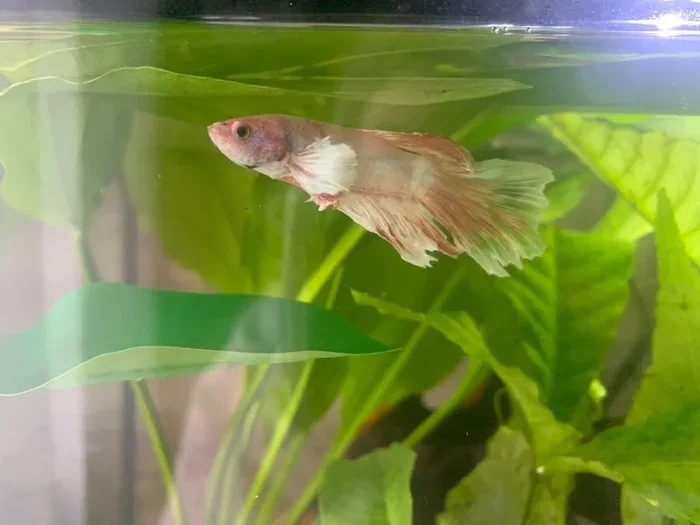
- Clamped fins — fins held close to the body instead of flowing freely.
- Red streaks or redness on the fins or body.
- White spots — a telltale sign of ich, a common parasitic infection.
- Swollen belly — could indicate dropsy or internal infection.
- Cloudy eyes — may point to a bacterial or viral infection.
- Fin rot — ragged, disintegrating fins with a white or red edge.
If you notice any combination of these signs, act quickly. The sooner you start treatment, the better the outcome.
Breathing Problems
Rapid breathing or gasping at the surface can signal a serious problem. Infections that affect the gills make it hard for your fish to breathe. Poor water quality can also cause this, so always check your water parameters first. But if the water is clean and your fish still breathes heavily, an infection is likely.
Types of Betta Fish Infections
Not all infections are the same. Different causes require different treatments. Understanding the type of infection your betta has helps you choose the right approach. Here are the four main categories.
Bacterial Infections
Bacterial infections are very common in betta fish. They often enter through wounds, torn fins, or areas where the slime coat is damaged. Signs include redness, swelling, open sores, and fin rot. One well-known bacterial infection is columnaris, which causes white or grayish patches on the skin and fins. Bacterial infections usually spread fast, so early treatment is essential.
Fungal Infections
Fungal infections look like cottony white growths on the skin, fins, or mouth. They tend to attack fish that are already weakened by another illness or injury. Fungal infections are less common than bacterial ones, but they still happen frequently. Poor water quality and cold temperatures can increase the risk of fungal growth.
Parasitic Infections
Parasites are tiny organisms that live on or inside your fish. Ich (also called white spot disease) is the most well-known parasitic infection. It shows up as small white dots all over the body and fins. Other parasites like velvet cause a fine gold or rust-colored dusting on the skin. Parasitic infections spread easily, especially in tanks with multiple fish or contaminated new decorations.
Viral Infections
Viral infections are harder to spot and even harder to treat. They can cause tumors, swollen organs, or systemic failure. Some viral infections show no visible symptoms until the damage is severe. Because there are limited treatments for viruses, prevention through good care and clean water is the best strategy.
| Infection Type | Common Signs | Treatment |
|---|---|---|
| Bacterial | Redness, swelling, open sores, fin rot | Antibacterial medication, water changes |
| Fungal | Cottony white growths | Antifungal medication, salt baths |
| Parasitic | White spots, velvet, scratching against objects | Parasite medication, temperature increase |
| Viral | Tumors, organ swelling, lethargy | Supportive care, quarantine, vet visit |
How to Confirm a Betta Fish Infection at Home
Before you jump to treatment, you want to be sure your fish really does have an infection. Here is how you can confirm it at home.
Step 1: Check Your Water Quality
Bad water is the number one cause of betta fish illness. Test your tank water for ammonia, nitrite, and nitrate levels. Ammonia and nitrite should always be at zero. Nitrate should be below 20 ppm. If your water parameters are off, do a 25-50% water change immediately. Sometimes fixing the water alone resolves mild symptoms.
Step 2: Observe Your Fish Closely
Watch your betta for at least 30 minutes. Note every behavior. Is it breathing fast? Is it scratching against objects? Is it refusing food? Write these observations down. They help you track whether symptoms are getting worse or staying the same.
Step 3: Look for Physical Symptoms
Use a flashlight to examine your fish carefully. Check the fins, body, eyes, and mouth. Look for spots, discoloration, swelling, or unusual growths. Compare what you see to the symptoms listed above. If multiple signs point to the same infection type, you can feel more confident in your assessment.
Step 4: Quarantine if Needed
If you have a community tank, consider moving your sick betta to a quarantine tank. This protects other fish from spreading infections. A quarantine tank also makes it easier to monitor your betta and administer treatment without stressing other tank mates. If you want to learn more about quarantine practices, check out our guide on how long to quarantine your betta fish after treatment.
Treatment Options for Betta Fish Infections
Once you have identified the type of infection, you can start treatment. The right approach depends on the cause and severity. Here are the most effective treatment options.
For Bacterial Infections
Use an antibacterial medication designed for freshwater fish. Products containing kanamycin or erythromycin work well. Treat the full tank or use a hospital tank if you have other fish. Perform daily 25% water changes during treatment. This keeps the medication effective and removes waste that could slow healing.
For Fungal Infections
Antifungal treatments in liquid or tablet form are widely available. Indian almond leaves also have natural antifungal properties. Many betta owners add them to the tank as a mild preventive measure. Salt baths can help with mild fungal issues, but use aquarium salt only — never table salt.
For Parasitic Infections
Parasitic infections often require medication with malachite green or formalin. Raising the tank temperature slowly to about 82°F can also help, since many parasites thrive in cooler water. For ich specifically, the temperature increase combined with medication usually clears the infection within one to two weeks.
Supportive Care
No matter what type of infection your betta has, supportive care makes a big difference. Keep the water clean and warm. Offer small, easy-to-eat foods like bloodworms or brine shrimp. If your fish refuses to eat, try soaking the food first to make it softer. If your betta stops eating entirely, read our article on what to do if your betta fish isn’t eating for helpful tips.
When to See a Vet
Some infections do not respond to home treatment. If your betta’s condition worsens after three to five days of treatment, it is time to consult a veterinarian who specializes in fish. Internal infections, severe cases of dropsy, and certain viral illnesses need professional diagnosis. Do not wait too long. The faster you get expert help, the better your fish’s chances.
Preventing Betta Fish Infections in the Future
Prevention is always easier than treatment. A few simple habits can keep your betta healthy and infection-free for years.
Maintain Clean Water
Regular water changes are the foundation of betta fish health. Change 20-30% of the water every week. Use a gravel vacuum to remove debris from the substrate. Clean your filter media gently in old tank water — never use tap water, as chlorine kills beneficial bacteria. For a detailed cleaning routine, see our guide on how to clean your betta fish tank.
Feed Properly
Overfeeding is one of the fastest ways to ruin your water quality and weaken your betta’s immune system. Feed small amounts twice a day. Only give what your fish can eat in two minutes. Remove any uneaten food right away. For a feeding schedule that works, check out our article on how often to feed your betta fish.
Reduce Stress
Stress suppresses the immune system and makes bettas vulnerable to infections. Keep the tank in a quiet area away from loud noises and direct sunlight. Avoid sudden temperature changes. If you keep other fish, make sure they are peaceful and compatible. A stressed betta gets sick much faster than a happy one.
Quarantine New Additions
Always quarantine new fish, plants, or decorations before adding them to your main tank. New arrivals can carry parasites and bacteria that spread to your existing fish. A two-week quarantine period is usually enough to spot any problems before they reach your betta.
Monitor Water Temperature
Betta fish need warm water between 76°F and 82°F. Cold water weakens their immune system and invites infections. Use a reliable heater with a thermostat to keep the temperature stable. A thermometer helps you track any fluctuations that could stress your fish.
Conclusion
A betta fish infection can feel overwhelming, especially if you are a new fish owner. But knowledge is your best tool. Now you know the signs to watch for, the types of infections that exist, and the steps to take for treatment and prevention. Trust your instincts. If something looks off, investigate right away. Early action turns a scary situation into a manageable one.
Keep your water clean, feed your betta properly, and watch for changes every day. Your fish depends on you for its health. With the care tips in this guide, you are well equipped to spot an infection, treat it effectively, and keep your betta thriving. Stay proactive, stay observant, and your betta will reward you with vibrant colors and lively behavior for years to come.
Frequently Asked Questions
What are the first signs of a betta fish infection?
The first signs usually include loss of appetite, lethargy, clamped fins, and faded colors. You might also notice your betta hiding more than usual or rubbing against objects in the tank. These early symptoms are your cue to check water quality and examine your fish closely for any physical changes.
Can a betta fish infection spread to other fish?
Yes, many infections can spread, especially bacterial and parasitic types. This is why quarantining a sick betta is so important. Moving your infected fish to a separate tank protects your other fish and makes it easier to focus treatment on the sick individual without disrupting the main tank’s ecosystem.
How long does it take for a betta fish infection to clear up?
Mild infections often show improvement within three to five days of starting treatment. More serious infections may take one to two weeks or longer. Consistent water changes, proper medication dosing, and maintaining warm temperatures all help speed up recovery. Patience is key during the healing process.
What causes betta fish infections?
Infections are usually caused by poor water quality, stress, injuries, or exposure to pathogens from new fish or contaminated decorations. When a betta’s immune system is weakened, harmful bacteria, fungi, or parasites can take hold. Regular tank maintenance and stress reduction are the best defenses against these causes.
Is it safe to treat a betta fish infection with home remedies?
Some mild home remedies like aquarium salt baths or Indian almond leaves can help with minor issues. However, serious infections need proper medication. Home remedies work best as a supplement to professional treatment, not a replacement. If symptoms do not improve within a few days, consult a fish veterinarian.
How can I tell the difference between a bacterial and a fungal infection?
Bacterial infections typically cause redness, swelling, open sores, and fin rot. Fungal infections appear as cottony white or gray growths on the skin or fins. The appearance and location of the symptoms help you tell them apart. If you are unsure, a broad-spectrum fish medication that targets both bacteria and fungi can be a safe starting point while you confirm the diagnosis.