How to Save Betta Fish from Shock

Betta fish shock is a serious condition that can turn fatal within hours if left untreated. This guide covers the top causes of shock, clear symptoms to watch for, and step-by-step treatment methods that actually work. Whether your betta is suffering from temperature swings, water changes, or a new tank environment, you will find practical rescue techniques to help your fish recover fast.
Betta fish are tough little survivors. They can live in small spaces, tolerate imperfect conditions, and still flash their gorgeous colors every day. But even the hardiest betta can go into shock when something changes too fast in their environment. How to save betta fish from shock is a question every owner should know the answer to, because shock happens fast and it can be deadly.
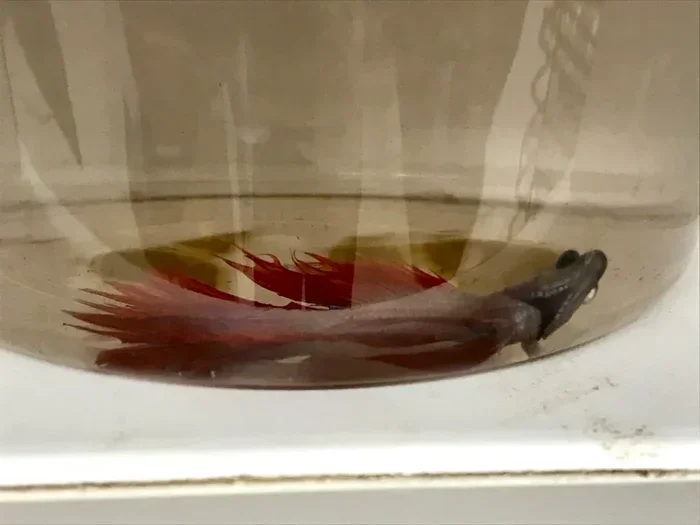
When a betta goes into shock, its body shuts down slowly. The gills breathe faster. The fins clamp tight. The fish stops eating and hides. These are not small signs. They mean something is seriously wrong. The good news is that most cases of betta fish shock are reversible if you catch them early and act correctly. This guide walks you through everything you need to know.
We will cover the main causes of shock, the symptoms to watch for, and the exact steps to bring your betta back to health. You will also learn simple prevention tips that make shock far less likely in the future. Let us dive in.
Key Takeaways
- Temperature shock is the #1 cause: sudden changes in aquarium temperature are the most common trigger for betta fish shock.
- Spot the symptoms early: clamped fins, rapid breathing, and lethargy are warning signs you should never ignore.
- Act fast with the right steps: gradual temperature adjustments and water parameter fixes can reverse shock quickly.
- Prevention is easier than treatment: proper tank setup and acclimation routines stop shock before it starts.
- Quarantine new fish and plants: this simple habit prevents parasites and bacteria from shocking your betta.
- Patience is key to recovery: most bettas bounce back within days when you provide stable, clean water conditions.
📑 Table of Contents
- What Is Betta Fish Shock and Why Does It Happen?
- How to Spot the Signs of Shock Early
- Step-by-Step: How to Save Betta Fish from Shock
- How to Prevent Betta Fish Shock in the Future
- Common Mistakes People Make When Their Betta Goes Into Shock
- When to Seek Professional Help
- Final Thoughts on Saving a Betta Fish from Shock
What Is Betta Fish Shock and Why Does It Happen?
Betta fish shock happens when a sudden change overwhelms the fish body. Bettas are sensitive creatures. They do not handle rapid shifts in their surroundings well. Even small changes can trigger a stress response that spirals into full shock if not addressed quickly.
Think of it this way. Imagine you are sitting comfortably in your living room. Suddenly, someone opens a freezer door right next to you. The temperature drops fast. Your body reacts. Your breathing speeds up. You feel disoriented. Now imagine that feeling never stops. That is what shock feels like for a betta fish.
Common Causes of Shock in Betta Fish
Several things can push a betta into shock. Here are the most common culprits:
- Temperature swings: A sudden drop or spike in water temperature is the leading cause. Bettas need warm, stable water between 78 and 80 degrees Fahrenheit.
- Water changes done too fast: Replacing too much water at once removes beneficial bacteria and changes chemistry instantly.
- New tank syndrome: Adding a betta to an uncycled tank means ammonia and nitrite levels can spike dangerously.
- Improper acclimation: Dumping a betta directly into a new tank without gradual adjustment shocks the system.
- Chemical exposure: Untreated tap water containing chlorine or chloramine burns the gills and triggers shock.
- Transport stress: Moving a betta from one location to another, especially over long distances, can cause severe stress.
Each of these causes attacks the betta in a different way. But they all share one thing in common. They overwhelm the fish faster than it can adapt. That is why knowing how to save betta fish from shock starts with understanding what caused it in the first place.
How to Spot the Signs of Shock Early
Catching shock early gives your betta the best chance of survival. The symptoms can appear within minutes of the triggering event. Here is what to look for:
- Clamped fins: The fins fold tightly against the body instead of flowing open. This is one of the earliest and most reliable signs.
- Rapid gill movement: The gills pump fast as the fish struggles to get enough oxygen.
- Lethargy: The betta stays at the bottom of the tank or hides in corners. It shows no interest in food.
- Loss of color: The vibrant blues, reds, and greens fade. The fish looks pale or washed out.
- Erratic swimming: The betta darts around the tank uncontrollably or flips sideways.
- Labored breathing: You can see the gills working hard with each breath. The mouth may open and close rapidly.
If you notice any combination of these signs, do not wait. Start treatment immediately. Every minute matters when dealing with betta fish shock. The faster you respond, the better the outcome.
Step-by-Step: How to Save Betta Fish from Shock
Now that you know what shock looks like, let us talk about the exact steps to reverse it. These methods are proven and used by experienced betta keepers around the world.
Step 1: Stabilize the Water Temperature
Temperature is the most common trigger, so fixing it comes first. If the water is too cold, use a small aquarium heater set to 78 degrees. Raise the temperature slowly. Do not jump more than 2 degrees per hour. A sudden heat increase can make things worse.
If the water is too warm, float a sealed bag of ice outside the tank to gently lower the temperature. Monitor the thermometer closely. The goal is a steady, stable temperature that the betta can adjust to without additional stress.
Step 2: Test and Fix Water Parameters
Use a liquid test kit to check ammonia, nitrite, nitrate, and pH levels. Ammonia and nitrite should both read zero. Nitrate should be below 20 ppm. pH should stay between 6.5 and 7.5.
If ammonia or nitrite are high, do a small water change of 25 percent using conditioned water at the same temperature as the tank. This removes toxins without shocking the system further. Preparing water properly before adding it to the tank is essential for preventing chemical burns.
Step 3: Add Stress Coat or Indian Almond Leaves
Water conditioners with aloe vera, often called stress coat, help repair damaged slime coats on betta fish. Add the dosage recommended on the bottle. This protects the fish from further irritation and supports healing.
Indian almond leaves are another excellent option. They release natural tannins that soften the water and have mild antibacterial properties. Many betta keepers swear by them for recovery and overall fish health.
Step 4: Dim the Lights and Reduce Noise
A shocked betta needs a calm environment. Turn off bright tank lights and keep the room quiet. Avoid tapping on the glass or moving the tank around. Cover the tank with a towel if needed to reduce visual stimulation. Darkness helps the fish rest and recover its energy.
Step 5: Withhold Food for 24 to 48 Hours
A betta in shock will not eat. Forcing food can worsen the situation. Skip feeding for one to two days. After the fish shows signs of recovery, offer a small amount of high-quality food. Soak dry pellets before feeding to make them easier to digest.
Step 6: Monitor Closely for Improvement
Watch the betta every few hours during the first day. Look for fins opening up, color returning, and interest in food. Most fish show improvement within 24 to 48 hours if the cause is addressed. If the betta does not improve, consider consulting a fish veterinarian or experienced aquarist.
How to Prevent Betta Fish Shock in the Future
Prevention is always better than treatment. Once you have saved your betta from shock, take steps to make sure it never happens again. Here are the most effective prevention strategies:
- Use a reliable aquarium heater: A heater with a thermostat keeps the temperature stable around the clock. Bettas need consistent warmth.
- Cycle your tank before adding fish: A fully cycled tank has beneficial bacteria that break down ammonia and nitrite. This creates a safe environment from day one.
- Acclimate new fish slowly: When bringing a betta home, float the bag in the tank for 15 to 20 minutes. Then gradually add small amounts of tank water to the bag over 30 minutes before releasing the fish.
- Always treat tap water: Use a water conditioner to remove chlorine and chloramine before any water change. Tap water conditioner is a simple step that makes a huge difference.
- Perform regular small water changes: Change 20 to 25 percent of the water weekly. This prevents toxin buildup without causing dramatic shifts in water chemistry.
- Quarantine new additions: New plants, fish, or decorations can carry parasites and bacteria. A quarantine period protects your main tank.
- Keep water parameters stable: Test the water weekly and track results. Small, consistent changes are far safer than large, sudden ones.
Building these habits into your routine takes very little time. But they pay off by keeping your betta healthy and stress-free for years. A stable environment is the foundation of good betta fish care.
Common Mistakes People Make When Their Betta Goes Into Shock
Even well-meaning owners make mistakes during a shock event. Here are the ones to avoid:
- Changing all the water at once: This removes beneficial bacteria and crashes the entire water chemistry. A small partial change is always safer.
- Adding medication without knowing the cause: Random treatments can stress the fish further. Identify the problem first, then treat it specifically.
- Moving the tank to a different room: The noise, temperature shift, and light change all add stress. Keep the tank in a stable location.
- Ignoring the problem: Hoping the betta will recover on its own often leads to the worst outcomes. Early action saves lives.
- Overfeeding during recovery: A stressed digestive system cannot process food properly. Wait until the fish is clearly eating again before offering meals.
Avoiding these mistakes puts you ahead of most betta owners. You will give your fish the best possible chance at a full and speedy recovery.
When to Seek Professional Help
Most cases of betta fish shock resolve with the steps outlined above. But there are times when professional help is necessary. Seek a fish veterinarian or experienced aquarist if:
- The betta shows no improvement after 48 hours of treatment.
- The fish develops visible spots, lesions, or fungal growth.
- The gills turn red or produce excessive mucus.
- The betta floats uncontrollably or loses the ability to swim upright.
- You suspect a parasitic infection alongside the shock.
Sometimes shock is a symptom of a deeper issue. Bacterial infections, internal parasites, or organ damage can all mimic shock symptoms. A professional diagnosis can reveal what is really going on beneath the surface.
Remember, how to save betta fish from shock is not just about emergency response. It is also about knowing when to escalate your care to a specialist. Trust your instincts. If something feels wrong, it probably is.
Final Thoughts on Saving a Betta Fish from Shock
Betta fish shock is scary, but it is manageable with the right knowledge and quick action. The key is to stay calm, identify the cause, and follow the steps outlined in this guide. Stabilize the temperature, fix the water parameters, reduce stress, and give your betta time to recover.
Every betta owner will face a shock event at some point. It is not a matter of if, but when. The fish that survive are the ones whose owners knew what to do. By learning how to save betta fish from shock now, you are preparing yourself for whatever comes next. Your betta counts on you to be its advocate and protector.
Take the prevention steps seriously. Build a stable, clean, and warm home for your fish. And when the unexpected happens, you will be ready. That is the best gift you can give your betta.
Frequently Asked Questions
What are the first signs that a betta fish is in shock?
The earliest signs include clamped fins pressed against the body, rapid gill movement, and sudden lethargy. The fish may stop eating and hide in corners. Loss of color is also a common early indicator that something is wrong.
Can betta fish die from shock?
Yes, severe shock can be fatal if not treated quickly. Temperature shock and ammonia poisoning are the most dangerous causes. However, most bettas recover fully when you identify the cause and take immediate action to stabilize their environment.
How long does it take for a betta fish to recover from shock?
Recovery time depends on the severity of the shock and how quickly you respond. Mild cases often improve within 24 to 48 hours. More severe cases may take several days to a week. Consistent care and stable water conditions speed up the healing process.
Is temperature shock different from water change shock?
Yes, they are different but related. Temperature shock happens when the water gets too hot or too cold too fast. Water change shock occurs when a large water replacement alters chemistry or removes beneficial bacteria. Both require quick but careful intervention to protect your betta.
Can I use aquarium salt to help a shocked betta fish?
A mild salt bath can help some bettas recover from stress and minor infections. Use aquarium-grade salt only, and follow dosage instructions carefully. Not all bettas respond the same way, so monitor the fish closely after adding salt to the water.
How can I prevent my betta from going into shock after a water change?
Match the temperature of new water to the tank water exactly. Use water conditioner to remove chlorine and chloramine. Change only 20 to 25 percent of the water at a time, and do it weekly. These simple steps prevent the sudden shifts that trigger shock in betta fish.