How to Grow Betta Fish Tail Faster

Want a vibrant, flowing tail on your betta? Follow these simple, science‑backed steps to improve water quality, nutrition, and tank setup, and watch your betta’s tail grow faster than ever. It’s easy, affordable, and safe for your fish.
Key Takeaways
- Water quality matters: Stable parameters and regular changes prevent fin damage.
- Protein‑rich diet fuels growth: High‑quality pellets and occasional treats accelerate tail development.
- Tank enrichment helps: Plants, hides, and gentle flow stimulate natural fin movement.
- Avoid stress: Proper acclimation and compatible tank mates keep the tail healthy.
- Monitor for disease: Early detection of fin rot or dropsy stops setbacks.
- Consistent care is key: Small daily actions add up to big results.
- Patience pays off: Expect noticeable improvement within 4–6 weeks.
📑 Table of Contents
Introduction: Why a Lush Tail Matters
Betta fish are famous for their dazzling fins, especially the tail. A long, flowing tail isn’t just a showpiece—it signals good health, proper nutrition, and a stress‑free environment. If you’ve ever wondered how to grow betta fish tail faster, you’re not alone. Many hobbyists notice that some bettas develop impressive tails while others lag behind, even when they look similar at first.
In this guide we’ll walk you through everything you need to know, from water chemistry to feeding tricks, and even how to spot early signs of fin problems. Think of it as a friendly chat over a cup of tea, with practical tips you can start using today.
1. Mastering Water Quality
Stable Parameters are the Foundation
Betta fish are sensitive to fluctuations. Keep the temperature between 76‑82°F (24‑28°C), pH around 6.5‑7.5, and ammonia at 0 ppm. Use a reliable heater and a test kit to check daily for the first two weeks.

Visual guide about How to Grow Betta Fish Tail Faster
Image source: iconsoman.com
Regular Water Changes
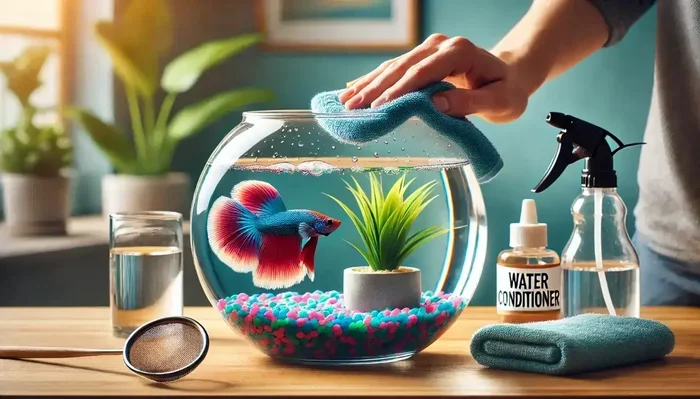
Changing 25‑30% of the water every week removes toxins that can stunt fin growth. When you perform a change, match the temperature and pH of the new water to the tank to avoid shock.
Filtration Without Strong Currents
Betta fins are delicate; a powerful filter can stress them. Opt for a gentle sponge filter or a low‑flow hang‑on‑back (HOB) unit. This keeps the water clean while allowing the tail to flutter freely.
Internal Link Example
For a step‑by‑step guide on setting up the perfect environment, see How To Set Up Betta Fish Tank.
2. Feeding Strategies That Promote Fin Growth
High‑Quality Betta Pellets
Choose pellets that list real fish protein as the first ingredient. Aim for 2‑3% of the fish’s body weight per day, split into two feedings.
Visual guide about How to Grow Betta Fish Tail Faster
Image source: bloximages.chicago2.vip.townnews.com
Supplemental Foods
Occasionally add brine shrimp, daphnia, or bloodworms. These live foods are rich in omega‑3 fatty acids, which support fin cell regeneration.
Vitamins and Fin‑Boosters
Fin‑specific supplements (often containing biotin and vitamin C) can be sprinkled on food once a week. Follow the manufacturer’s dosage to avoid over‑supplementation.
Feeding Schedule
Feed small amounts twice daily. Overfeeding leads to poor water quality, which can reverse any tail‑growth progress.
3. Tank Enrichment and Environment
Live Plants and Natural Hides
Plants like Java fern or Anubias provide gentle water filtration and give your betta places to rest. A calm environment encourages the fish to display its tail fully.

Visual guide about How to Grow Betta Fish Tail Faster
Image source: m.media-amazon.com
Gentle Water Flow
Install a small air stone or a low‑flow pump to create a gentle current. This mimics a natural stream, prompting the betta to move its fins more often, which stimulates blood flow and growth.
Lighting
Provide a 10‑hour light cycle with a dim “moon” phase at night. Consistent lighting reduces stress and supports the fish’s circadian rhythm, indirectly benefiting fin health.
4. Preventing and Treating Fin Problems
Identify Early Signs
Look for frayed edges, white spots, or discoloration. These can signal fin rot or early dropsy, both of which can halt tail growth.
Fin Rot Treatment
If you spot fin rot, increase water changes, lower the temperature slightly, and add a mild antibacterial medication. For a detailed protocol, read How To Cure Fin Rot In Betta Fish.
Dropsey Prevention
Maintain pristine water and avoid over‑feeding. Should dropsy appear, act quickly with appropriate medication and a quarantine tank.
5. Stress Reduction Techniques
Proper Acclimation
When introducing a new betta, float the bag in the tank for 15‑20 minutes to equalize temperature, then slowly add tank water to the bag before releasing. This minimizes shock.
Compatible Tank Mates
Betas are territorial. If you keep a community tank, choose peaceful, non‑fin‑nipping species like small rasboras or snails. Avoid other bettas unless you have a divided tank.
Routine and Observation
Spend a few minutes each day watching your fish. Consistent observation helps you catch problems early and reinforces a calm routine for the betta.
6. Tracking Progress and Setting Realistic Expectations
Take Baseline Photos
Snap a clear photo of the tail from the side and top when you start the program. Repeat every two weeks to see real changes.
Timeline
Most bettas show noticeable tail elongation within 4‑6 weeks if all factors are optimal. Genetics still play a role, so some fish may grow slower.
Celebrate Small Wins
Even a slight reduction in fraying or a brighter color is a sign of improved health. Keep up the routine, and the tail will keep getting better.
Conclusion
Learning how to grow betta fish tail faster isn’t about a single miracle trick—it’s about creating a balanced, low‑stress environment, feeding wisely, and staying vigilant for health issues. By mastering water quality, offering nutrient‑dense foods, enriching the tank, and preventing disease, you give your betta the best chance to flaunt a long, flowing tail that makes every aquarium visitor smile. Remember, consistency is your secret weapon, and patience will reward you with a fin you’ll be proud to show off.
Frequently Asked Questions
How often should I change the water to help my betta’s tail grow?
Change 25‑30% of the water weekly. This keeps toxins low and provides fresh nutrients for fin regeneration.
Can live foods really make a difference in tail length?
Yes. Live foods like brine shrimp and daphnia are rich in essential fatty acids that support fin cell growth and improve overall vibrancy.
What temperature is ideal for fast tail growth?
Maintain the tank between 76‑82°F (24‑28°C). Consistent warmth boosts metabolism, which helps the tail grow more quickly.
Is it safe to use medication if I suspect fin rot?
Yes, but only after confirming the diagnosis. Use a mild antibacterial treatment and increase water changes; always follow the product instructions.
Do plants help with fin development?
Plants improve water quality and give the betta gentle places to rest, reducing stress and encouraging natural fin movement, which aids growth.
How can I tell if my betta’s tail is improving?
Take regular photos and compare them. Look for longer, smoother edges, brighter coloration, and fewer frayed tips.