How Do I Cure My Betta Fish’s Fin Cramp

A betta fish fin cramp can be worrying, but it is treatable with the right approach. This guide covers the causes, symptoms, and step-by-step cures for fin cramping in betta fish. You will learn how to adjust water quality, use safe treatments, and prevent fin cramp from returning.
Watching your betta fish’s fins curl or clamp up can be really scary. Fin cramp is a common issue that many betta owners face at some point. The good news is that you can cure it with the right steps. This article walks you through everything you need to know about betta fish fin cramp, from identifying the problem to applying effective treatments. Whether your fish is showing mild curling or severe clamping, you will find practical advice here.
Fin cramp happens when a betta’s fins fold inward or tighten against the body. It is not the same as fin rot, though the two can look similar. The cramping is usually a response to stress, bad water conditions, or infection. Understanding the root cause is the first step toward a cure. In this guide, we break down every cause, treatment option, and prevention tip you need. Let us get started.
Key Takeaways
- Fin cramp in betta fish is often caused by poor water quality, stress, or bacterial infections.
- Early detection and treatment can fully reverse fin cramping and restore healthy fins.
- Regular tank cleaning and water parameter checks are the best prevention methods.
- Aquarium salt and gentle medications can help treat mild to moderate fin cramp cases.
- A balanced diet and low-stress environment support faster healing and long-term fin health.
📑 Table of Contents
What Is Betta Fish Fin Cramp?
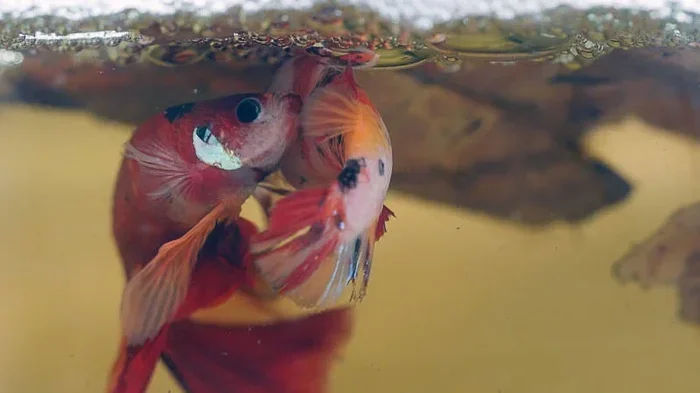
Fin cramp is a condition where a betta fish’s fins curl, tighten, or clamp against its body. It can affect the tail fin, pectoral fins, or even the dorsal fin. The fins may look stiff, folded, or held close to the body. Some bettas hold their fins tightly against their sides, making them look smaller than normal.
Many people confuse fin cramp with fin rot in betta fish, but they are different. Fin rot involves tissue decay and fraying edges. Fin cramp is more about the fins curling or tightening without visible decay. However, fin cramp can lead to fin rot if left untreated. Knowing the difference helps you choose the right treatment path.
Common Signs of Fin Cramp
- Fins folded tightly against the body
- Tail fin curling inward at the edges
- Fins held close to the body for long periods
- Reluctance to swim or move around
- Visible stiffness in the fin rays
- Fins that do not open fully when the fish is active
If you notice any of these signs, it is important to act quickly. The earlier you treat betta fish fin cramp, the better the chances of full recovery.
What Causes Fin Cramp in Betta Fish?
Several factors can trigger fin cramping in bettas. Understanding the cause helps you treat the problem and prevent it from coming back. Let us look at the most common causes.
Poor Water Quality
This is the number one cause of fin cramp in betta fish. Dirty water builds up ammonia and nitrites, which irritate the fins and skin. When water parameters are off, bettas become stressed. Stress causes their fins to clamp and curl. Even small changes in pH or temperature can trigger cramping.
Regular tank maintenance is essential. Testing your water weekly helps you catch problems early. If you are not sure how to keep your tank clean, check our guide on how to clean my betta fish tank for step-by-step instructions.
Stress and Environmental Factors
Bettas are sensitive fish. They react strongly to changes in their environment. Loud noises, sudden light changes, aggressive tank mates, and cramped tanks all cause stress. A stressed betta will often clamp its fins as a defense mechanism. Over time, chronic stress leads to persistent fin cramp.
Bacterial or Fungal Infections
Sometimes fin cramp is a symptom of an underlying infection. Bacteria or fungi can irritate the fin tissue, causing it to curl or tighten. These infections often start when the fish’s immune system is weakened by stress or poor water quality. If you suspect an infection, it is important to treat it early before it spreads.
Nutritional Deficiencies
A poor diet can weaken your betta’s fins over time. Bettas need protein-rich food to maintain healthy fin tissue. If your fish is not getting the right nutrients, its fins may become brittle and prone to cramping. Feeding a varied, high-quality diet is a simple way to support fin health.
How to Cure Betta Fish Fin Cramp Step by Step
Curing fin cramp requires a systematic approach. You need to address the root cause, treat the symptoms, and support healing. Here is a clear, step-by-step plan you can follow.
Step 1: Test and Fix Your Water Parameters
Start by testing your aquarium water. You need to check ammonia, nitrite, nitrate, pH, and temperature. Ammonia and nitrite should always be at zero. Nitrates should stay below 20 ppm. The pH should be between 6.5 and 7.5. The temperature should be around 78 to 80 degrees Fahrenheit.
If any of these parameters are off, do a partial water change immediately. Replace 25 to 50 percent of the tank water with treated, temperature-matched water. This alone can relieve mild fin cramp caused by water issues. You should also make sure you are using a proper betta care routine that includes regular water testing.
Step 2: Add Aquarium Salt
Aquarium salt is a gentle and effective treatment for fin cramp. It helps reduce stress, promotes fin healing, and creates a better environment for recovery. Use aquarium-specific salt, not table salt. Add about one teaspoon per gallon of water. Do not use salt if you have live plants, as it can harm them.
Leave the salt in the tank for about 7 to 10 days. Monitor your betta closely during this time. You should start to see improvement in fin posture within a few days.
Step 3: Improve the Tank Environment
Reduce stress by making your betta’s home more comfortable. Add hiding spots with plants or decorations. Keep the lighting dim and consistent. Avoid sudden changes in the tank. If you have other fish, make sure they are not bothering your betta. A calm, stable environment is crucial for healing.
Also, consider adding a gentle filter. Clean water flow helps maintain good conditions without stressing your fish. If you are unsure about filter use, you can read about using a filter with your betta fish for helpful guidance.
Step 4: Feed a Nutritious Diet
A healthy diet supports fin healing from the inside out. Feed your betta high-quality pellets as the staple food. Supplement with frozen or live foods like brine shrimp and bloodworms. Feed small amounts twice a day. Do not overfeed, as uneaten food can pollute the water and worsen fin cramp.
If you are unsure about feeding amounts, check our guide on how much to feed a betta fish for clear recommendations.
Step 5: Monitor and Adjust
After starting treatment, watch your betta closely every day. Look for signs of improvement, such as fins opening up more and swimming more actively. If there is no improvement after 7 to 10 days, you may need to adjust your approach. Consider using a mild antibacterial treatment specifically designed for bettas. Always follow the product instructions carefully.
How to Tell If It Is Fin Cramp or Fin Rot
It is important to distinguish between fin cramp and fin rot because the treatments differ. Fin cramp involves fins curling or clamping without visible tissue damage. Fin rot involves fraying, discoloration, and receding fin edges.
If you are having trouble telling the difference, you should learn more about how to cure fin rot in betta fish to compare symptoms side by side. When in doubt, treat for both conditions, as they often occur together. A combination of salt treatment, water changes, and antibacterial medication works well for mixed cases.
You should also know how to spot early signs of illness in your betta. If you want to learn more about recognizing sickness, read our article on how to tell if my betta fish is sick. Catching problems early makes treatment much easier.
Preventing Fin Cramp in the Future
Prevention is always better than cure. Once your betta’s fins have healed, you want to keep them healthy for the long term. Here are the best ways to prevent fin cramp from returning.
Maintain Consistent Water Quality
Test your water at least once a week. Perform partial water changes every one to two weeks. Keep ammonia and nitrite at zero. Stable water parameters are the foundation of fin health. A well-maintained tank keeps your betta stress-free and its fins in great condition.
Reduce Stress Factors
Keep your betta’s environment calm and predictable. Avoid tapping on the tank glass. Do not move the tank around frequently. Choose peaceful tank mates if you keep other fish. Give your betta enough space to swim freely. A 5-gallon tank is the minimum recommended size for a single betta.
Feed a Balanced Diet
Variety is key to a healthy betta diet. Rotate between high-quality pellets, frozen foods, and live foods. Feed small portions twice a day. Remove any uneaten food after a few minutes. Proper nutrition strengthens the immune system and keeps fins strong and flexible.
Keep the Tank Clean
Regular cleaning prevents the buildup of harmful substances. Vacuum the substrate during water changes. Wipe down the glass to remove algae. Clean your filter media in old tank water, not tap water, to preserve beneficial bacteria. A clean tank is your best defense against fin cramp and many other health issues.
Expert Tips for Faster Recovery
Here are some extra tips from experienced betta keepers that can speed up recovery.
- Keep the water temperature stable. Fluctuations stress the fish and slow healing. Use a reliable heater with a thermostat.
- Do not medicate unless necessary. Overmedicating can harm your betta. Start with salt and water changes first.
- Give your betta time to rest. Dim the lights and limit tank traffic during treatment.
- Quarantine if needed. If you have other fish, consider isolating the affected betta to prevent spreading any infection.
- Be patient. Fin healing takes time. Expect gradual improvement over one to three weeks.
Remember that every betta is different. Some fish recover quickly, while others need more time. The most important thing is to stay consistent with your treatment and care routine.
When to See a Vet
Most cases of fin cramp respond well to home treatment. However, there are times when you should seek professional help. If your betta’s fins are not improving after two weeks of treatment, consult a fish veterinarian. If the fins start showing signs of rotting, bleeding, or severe discoloration, a vet can prescribe stronger medication. Do not wait too long, as advanced infections can become difficult to treat.
Conclusion
Curing betta fish fin cramp is absolutely achievable with the right approach. Start by fixing your water quality, add aquarium salt, reduce stress, and feed a nutritious diet. Monitor your fish daily and adjust treatment as needed. Prevention through consistent tank maintenance and a healthy environment is the best long-term strategy. With patience and care, your betta’s fins will open up fully again, and your fish will return to its vibrant, active self. Trust the process, stay consistent, and your betta will thank you with healthy, beautiful fins.
Frequently Asked Questions
Can fin cramp in betta fish heal on its own?
Mild fin cramp caused by temporary stress can sometimes heal on its own once the stressor is removed. However, most cases benefit from active treatment like water changes and aquarium salt. Acting early gives your betta the best chance of a full recovery.
How long does it take to cure betta fish fin cramp?
With proper treatment, you should see improvement within 5 to 7 days. Full recovery typically takes 2 to 3 weeks depending on the severity. Consistency with water changes and care routines is the key to faster healing.
Is aquarium salt safe for all betta fish tanks?
Aquarium salt is safe for most betta tanks without live plants. It can harm sensitive plants and invertebrates. If your tank has plants or shrimp, use salt carefully or consider alternative treatments. Always dose according to the instructions.
Can poor diet cause fin cramp in bettas?
Yes, a poor diet can weaken fin tissue and make it prone to cramping. Bettas need protein-rich, varied food to maintain healthy fins. Feeding low-quality food or not feeding enough can contribute to fin problems over time.
What is the difference between fin cramp and fin rot?
Fin cramp involves fins curling or clamping without visible tissue damage. Fin rot involves fraying, discoloration, and decaying fin edges. Both conditions can occur together, and treatment often overlaps. Testing your water and examining the fins closely helps you tell them apart.
Can stress alone cause fin cramp in betta fish?
Yes, stress is one of the most common causes of fin cramp. Loud noises, bright lights, aggressive tank mates, and unstable water conditions all trigger stress responses. Reducing stressors in your betta’s environment is often the first step in treatment.