Can I Give My Betta Fish Lama Beans
Can you give your betta fish lima beans? The short answer is no. Betta fish are carnivorous and cannot properly digest plant-based foods like lima beans. Feeding them lima beans can cause serious digestive problems and even be life-threatening. This article explains why lima beans are dangerous for bettas and what you should feed them instead.
Key Takeaways
- Lima beans are unsafe for betta fish. Betta fish are obligate carnivores and lack the digestive enzymes needed to break down plant matter like lima beans.
- Digestive blockage is a serious risk. Lima beans can cause constipation, bloating, and swim bladder disease in betta fish, which can be fatal if untreated.
- Stick to protein-rich foods. Betta fish thrive on a diet of high-quality betta pellets, freeze-dried bloodworms, brine shrimp, and daphnia.
- Peas are sometimes used as a remedy — not lima beans. While plain cooked peas can help treat constipation in bettas, lima beans should never be used for this purpose.
- Overfeeding is a common mistake. Even safe foods can harm your betta if given in excess. Feed only what your betta can consume in about two minutes, once or twice daily.
- Watch for signs of illness. If your betta shows bloating, lethargy, or loss of appetite after eating something unusual, consult a fish care guide or veterinarian immediately.
- Proper nutrition keeps your betta vibrant and long-lived. A balanced, species-appropriate diet is the single most important factor in your betta’s health and coloration.
📑 Table of Contents
- Can I Give My Betta Fish Lima Beans? The Honest Answer
- Understanding Your Betta Fish’s Natural Diet
- What Happens If a Betta Fish Eats Lima Beans?
- What About Peas? The Common Misconception
- What Should You Feed Your Betta Fish Instead?
- Signs Your Betta Fish Is Eating Well (And Signs Something Is Wrong)
- Common Feeding Mistakes Betta Owners Make
- Creating a Balanced Feeding Schedule
- Frequently Asked Questions About Betta Fish Diet
- Conclusion: Keep It Simple, Keep It Safe
Can I Give My Betta Fish Lima Beans? The Honest Answer
If you’ve ever found yourself staring at a bag of lima beans in your pantry and wondering whether your betta fish might enjoy them, you’re not alone. It’s a surprisingly common question among new betta owners who want to offer their fish a varied diet. The idea makes sense on the surface — beans are food, fish eat food, right? But the reality is far more complicated, and the answer could mean the difference between a healthy betta and a very sick one.
The straightforward answer to “can I give my betta fish lima beans” is no, you should not feed lima beans to your betta fish. While it might seem harmless, lima beans pose real dangers to your betta’s digestive system and overall health. In this article, we’ll break down exactly why lima beans are a bad idea, what happens if your betta eats them, what you should feed instead, and how to ensure your betta fish stays healthy and happy for years to come.
Understanding Your Betta Fish’s Natural Diet
Bettas Are Obligate Carnivores
To understand why lima beans are dangerous for betta fish, you first need to understand what bettas are designed to eat. Betta fish — scientifically known as Betta splendens — are obligate carnivores. This means their bodies are built to digest and derive nutrition almost exclusively from animal-based proteins. In the wild, bettas live in the shallow, warm waters of Southeast Asia, including Thailand, Cambodia, and Vietnam. Their natural diet consists of insects, insect larvae, small crustaceans, and zooplankton.
Think of your betta like a tiny underwater predator. In their natural habitat, they hunt mosquito larvae, water fleas, and small worms. Their digestive tracts are short and efficient — perfect for breaking down protein and fat, but completely unsuited for processing complex carbohydrates, fiber, and plant matter. This is a crucial point that many new betta owners overlook.
Why Plant-Based Foods Don’t Work for Bettas
Unlike goldfish or certain tropical fish species that are omnivores, bettas simply do not have the digestive enzymes or gut structure needed to process plant-based foods effectively. Foods like lima beans are high in complex carbohydrates, fiber, and certain anti-nutritional factors (such as lectins and trypsin inhibitors) that can wreak havoc on a betta’s digestive system. Even humans need to cook lima beans thoroughly to neutralize some of these compounds — and we have far more robust digestive systems than a two-inch fish.
When a betta consumes something it cannot digest, the food sits in its digestive tract and begins to ferment or cause blockages. This can lead to a cascade of health problems, some of which can be fatal. So when someone asks “can I give my betta fish lima beans,” the answer must always be a firm no.
What Happens If a Betta Fish Eats Lima Beans?
Digestive Blockage and Constipation
The most immediate danger of feeding lima beans to your betta is digestive blockage. Because bettas cannot break down the complex fibers and starches in lima beans, the beans can become lodged in the fish’s intestinal tract. This leads to constipation, which is one of the most common — and most dangerous — health issues in betta fish.
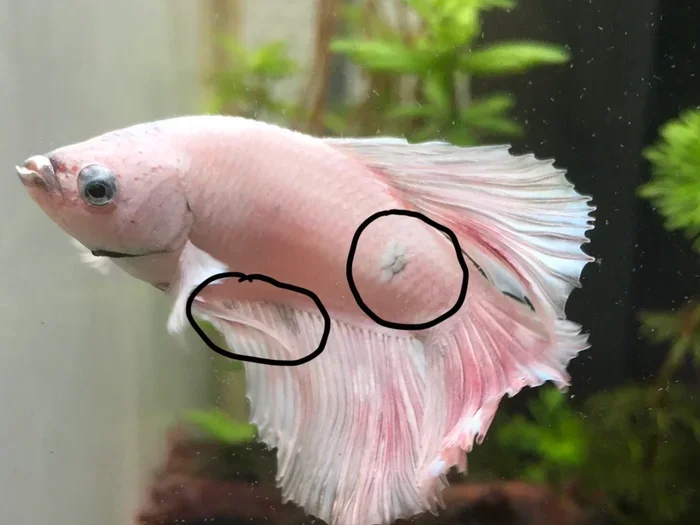
Constipation in bettas is not a minor inconvenience. A constipated betta may become lethargic, lose its appetite, and develop a visibly swollen abdomen. If left untreated, the pressure from the blockage can compress the swim bladder, leading to swim bladder disease. This condition makes it difficult or impossible for the fish to maintain its buoyancy, causing it to float sideways, sink to the bottom, or struggle to swim normally.
Bloating and Swim Bladder Disease
Swim bladder disease is a serious condition that can result from feeding inappropriate foods like lima beans. The swim bladder is a gas-filled organ that helps fish control their buoyancy. When a digestive blockage puts pressure on this organ, the fish loses its ability to swim properly. You might notice your betta floating to the top of the tank, sinking to the bottom, swimming in circles, or listing to one side.
While mild cases of swim bladder disease can sometimes be treated with fasting and the careful use of cooked peas (more on that later), severe cases can be permanent or even fatal. It’s simply not worth the risk to experiment with foods that are known to be inappropriate for bettas.
Water Quality Degradation
There’s another often-overlooked consequence of feeding lima beans to your betta: water quality. If your betta doesn’t eat the lima bean (which is likely, since most bettas will refuse plant matter), the bean will begin to decompose in the tank. As it breaks down, it releases ammonia and other compounds into the water. Ammonia is highly toxic to fish, and even small spikes can cause stress, gill damage, and increased susceptibility to disease.
Maintaining clean water is one of the most important aspects of betta care. If you’re curious about water quality and what’s safe for your betta, you might want to read about whether you can use tap water for your betta fish, as water quality and diet are closely linked to overall fish health.
What About Peas? The Common Misconception
Why People Confuse Lima Beans with Peas
One reason the question “can I give my betta fish lima beans” comes up so often is because of the well-known advice that peas can be used to treat constipation in betta fish. This is a legitimate and widely recommended remedy in the betta care community. A plain, cooked, skinned pea (typically a green pea) can help clear mild constipation in bettas because the fiber acts as a mild laxative.
However, this advice is specific to green peas — not lima beans, not kidney beans, not black beans, and certainly not any other type of bean. Green peas are relatively small, soft, and easy to prepare in a way that makes them safe for occasional use. Lima beans, on the other hand, are much larger, harder, and contain higher levels of anti-nutritional compounds that make them completely unsuitable for bettas.
How to Safely Use Peas for Constipation
If your betta is constipated, here’s the proper way to use a green pea as a remedy:
- Take a single frozen green pea.
- Boil or microwave it for about 30 seconds until soft.
- Remove the outer skin completely.
- Mash the inner portion into tiny, betta-sized pieces.
- Feed only a very small amount — about the size of your betta’s eye.
- Fast your betta for 24 hours before and after the treatment.
This should only be done occasionally and as a treatment for constipation — not as a regular part of your betta’s diet. And again, this applies only to green peas, never to lima beans or any other legume.
What Should You Feed Your Betta Fish Instead?
High-Quality Betta Pellets
The foundation of any betta’s diet should be high-quality betta-specific pellets. These are formulated to provide the right balance of protein, fat, vitamins, and minerals that bettas need. Look for pellets where the first ingredient is a whole protein source like fish meal, shrimp meal, or krill. Avoid pellets that are primarily made of fillers like wheat, corn, or soy — these are the fish equivalent of junk food.
A good rule of thumb is to feed your betta 2-3 pellets, once or twice a day. If you’re unsure about portion sizes, check out our guide on how much you should feed your betta fish for detailed feeding guidelines based on your betta’s size and age.
Freeze-Dried and Frozen Foods
To add variety and enrichment to your betta’s diet, you can supplement pellets with freeze-dried or frozen foods. The best options include:
- Bloodworms — A favorite among bettas, bloodworms are high in protein and mimic the insect larvae bettas eat in the wild. Feed as a treat 1-2 times per week.
- Brine shrimp — Another excellent protein source that bettas love. Available freeze-dried or frozen.
- Daphnia — Tiny crustaceans that are great for digestion and can help prevent constipation. These are sometimes called “water fleas.”
- Mysis shrimp — A nutritious option that provides a good balance of protein and fiber.
Always remember to soak freeze-dried foods in tank water for a few minutes before feeding. Freeze-dried foods can expand in your betta’s stomach and cause bloating if fed dry.
Live Foods for Enrichment
If you want to give your betta the most natural feeding experience possible, live foods are the gold standard. Live brine shrimp, bloodworms, and daphnia stimulate your betta’s hunting instincts and provide excellent nutrition. You can purchase live fish from local pet stores or even culture your own at home. Just be sure to source live food from reputable suppliers to avoid introducing parasites or diseases into your tank.
Signs Your Betta Fish Is Eating Well (And Signs Something Is Wrong)
Healthy Eating Habits
A well-fed betta fish will display certain behaviors that indicate good health and proper nutrition. These include:
- Eagerly approaching the surface at feeding time.
- Active swimming and exploration of the tank.
- Bright, vibrant coloration.
- Regular, healthy-looking waste (small and brown, not stringy or white).
- A slightly rounded but not bloated belly after eating.
If your betta is eating well and displaying these signs, you’re doing a great job with their diet. A healthy diet is also one of the key factors in determining whether your betta fish is happy and thriving in its environment.
Warning Signs of Dietary Problems
On the other hand, if your betta shows any of the following signs, their diet may be the culprit:
- Loss of appetite — Refusing to eat for more than a day or two.
- Bloating or swollen belly — Could indicate constipation or overfeeding.
- Stringy or white feces — A sign of internal parasites or poor diet.
- Lethargy — Sitting at the bottom of the tank, not moving much.
- Swimming difficulties — Floating sideways, sinking, or struggling to maintain position.
- Faded coloration — Stress or illness can cause a betta’s colors to dull.
If you notice any of these symptoms, the first thing to evaluate is what you’ve been feeding your betta. Dietary issues are among the most common causes of illness in betta fish, and they’re also the easiest to fix. For more information on recognizing health problems, read about how to tell if your betta fish is sick.
Common Feeding Mistakes Betta Owners Make
Overfeeding
Overfeeding is the number one mistake betta owners make. Bettas have tiny stomachs — roughly the size of their eye — and they don’t need much food to stay healthy. Many betta owners feel like their fish is always hungry because bettas are enthusiastic eaters who will beg for food constantly. But this doesn’t mean they need more food. Overfeeding leads to obesity, constipation, poor water quality, and a host of other health problems.
Stick to the guideline of feeding only what your betta can eat in about two minutes, once or twice a day. If there’s leftover food after that time, you’re feeding too much. Remove any uneaten food promptly to keep the water clean.
Feeding the Wrong Foods
We’ve already covered why lima beans are a bad idea, but they’re not the only inappropriate food that betta owners sometimes offer. Other foods to avoid include:
- Goldfish food — Formulated for omnivorous fish, not carnivorous bettas. It lacks the protein bettas need and contains too many plant-based ingredients.
- Bread — Completely indigestible for bettas and will cause blockages.
- Vegetables and fruits — While some omnivorous fish can eat small amounts of vegetables, bettas cannot digest them properly.
- Human food — Processed foods, meats, and dairy products are all inappropriate for bettas.
- Other fish flakes — Tropical fish flakes or community fish food are not nutritionally adequate for bettas.
When in doubt, stick to foods specifically designed for betta fish or known safe live and frozen options.
Feeding Too Infrequently
While overfeeding is more common, some betta owners err on the other side and don’t feed enough. Bettas need to eat at least once a day to maintain their health. Skipping days regularly can lead to malnutrition, weakened immune systems, and increased susceptibility to disease. If you’re going to be away for a few days, consider using an automatic feeder or asking someone to feed your betta while you’re gone.
Creating a Balanced Feeding Schedule
Sample Weekly Feeding Plan
To help you get started, here’s a sample weekly feeding schedule that provides variety and balanced nutrition for your betta:
- Monday: 2-3 betta pellets in the morning.
- Tuesday: 2-3 betta pellets in the morning.
- Wednesday: A small portion of freeze-dried bloodworms (soaked).
- Thursday: 2-3 betta pellets in the morning.
- Friday: 2-3 betta pellets in the morning.
- Saturday: A small portion of frozen brine shrimp or daphnia.
- Sunday: Fasting day (no food — this helps prevent constipation and gives the digestive system a rest).
This schedule provides a good balance of staple nutrition from pellets with the enrichment and variety of occasional treats. The fasting day is optional but recommended by many experienced betta keepers as a way to promote digestive health.
Adjusting for Your Betta’s Needs
Every betta is different, and you may need to adjust the feeding schedule based on your individual fish’s needs. Younger, growing bettas may need to be fed twice a day, while older bettas may do better with once-daily feeding. Bettas that are more active or kept in larger tanks may need slightly more food than sedentary bettas in smaller setups.
Pay attention to your betta’s body condition. A healthy betta should have a smooth, slightly rounded body. If your betta looks thin or its head appears disproportionately large compared to its body, you may need to increase feeding. If your betta has a noticeably swollen belly or looks round and bloated, cut back on food and consider a fasting day.
Frequently Asked Questions About Betta Fish Diet
Can Betta Fish Eat Any Type of Bean?
No. Betta fish should not eat any type of bean — including lima beans, green beans, kidney beans, black beans, or any other legume. While green peas are sometimes used as a one-time constipation remedy, they are the exception, not the rule. All other beans are inappropriate and potentially dangerous for bettas.
What If My Betta Already Ate a Lima Bean?
If your betta accidentally consumed a small piece of lima bean, don’t panic — but do monitor your fish closely over the next 24-48 hours. Watch for signs of bloating, constipation, lethargy, or swimming difficulties. If symptoms develop, fast your betta for 24-48 hours and consider a cooked pea treatment. If symptoms are severe or persist, consult an aquatic veterinarian.
How Do I Know If My Betta Is Getting Enough Protein?
A betta that is getting enough protein will have bright colors, active behavior, and a healthy body shape. If your betta’s colors are fading, it’s lethargic, or it seems to be losing weight, the diet may be lacking in protein. Switch to a higher-quality pellet with a whole protein source as the first ingredient, and supplement with frozen or live foods.
Conclusion: Keep It Simple, Keep It Safe
So, can you give your betta fish lima beans? The answer is a clear and definitive no. Lima beans — and virtually all beans — are completely inappropriate for betta fish. As obligate carnivores, bettas need a diet rich in animal-based proteins, not plant-based fibers and starches. Feeding lima beans to your betta can cause digestive blockages, constipation, swim bladder disease, and water quality issues that can seriously harm or even kill your fish.
The good news is that feeding your betta properly is easy and affordable. High-quality betta pellets, supplemented with occasional treats like bloodworms, brine shrimp, and daphnia, will keep your betta healthy, colorful, and active for years to come. Stick to foods designed for bettas, avoid the temptation to share your own snacks, and always err on the side of caution when introducing anything new to your fish’s diet.
Your betta depends on you for everything — food, clean water, and a safe environment. By understanding what your betta can and cannot eat, you’re already ahead of many fish owners. Keep learning, keep observing your fish, and don’t be afraid to ask questions. A well-informed betta owner is the best thing that can happen to these beautiful, fascinating little fish.
Frequently Asked Questions
Can betta fish eat lima beans?
No, betta fish should never eat lima beans. Bettas are obligate carnivores and cannot digest plant-based foods like lima beans. Feeding lima beans can cause serious digestive problems including constipation, bloating, and swim bladder disease.
What should I do if my betta accidentally ate a lima bean?
Monitor your betta closely for 24-48 hours for signs of bloating, constipation, or lethargy. Fast your fish for a day or two, and if symptoms develop, try feeding a small amount of cooked, skinned green pea as a digestive aid. Contact a veterinarian if symptoms are severe.
Can betta fish eat any vegetables or plant-based foods?
Generally, no. Betta fish are carnivores and cannot properly digest vegetables or plant matter. The only exception is plain cooked green peas, which can be used occasionally as a remedy for constipation — but this should not be a regular part of their diet.
What is the best food for betta fish?
The best diet for betta fish consists of high-quality betta-specific pellets as a staple food, supplemented with occasional treats like freeze-dried bloodworms, brine shrimp, and daphnia. Look for pellets with whole protein sources like fish meal or shrimp meal as the first ingredient.
How often should I feed my betta fish?
Most betta fish should be fed once or twice a day, with only as much food as they can consume in about two minutes. Many experienced betta keepers also recommend one fasting day per week to help prevent constipation and promote digestive health.
Why is my betta fish bloated after eating?
Bloating in betta fish is usually caused by overfeeding, constipation, or eating inappropriate foods. If your betta appears bloated, fast it for 24-48 hours and then offer a small amount of cooked, skinned green pea. If bloating persists, it could indicate a more serious condition like dropsy, and you should seek veterinary advice.