Where Can I Buy a Female Betta Fish

Finding a healthy female betta fish requires knowing where to look and what to look for. Reputable local fish stores, specialized online breeders, and trusted aquarium retailers are your top sources. Always prioritize fish health over color or finnage, checking for clear eyes, intact fins, and active behavior. Avoid big-box stores for the best quality and temperament. A proper quarantine process is non-negotiable for a thriving new tank member.
Key Takeaways
- Local Fish Stores (LFS) are often the best first stop: A dedicated, knowledgeable LFS will quarantine their bettas, provide accurate sexing, and offer post-purchase support, making them a top choice for beginners.
- Specialized online breeders offer unmatched variety: For specific colors, fin types (like halfmoon or plakat females), or show-quality lines, reputable online breeders are the premier source, though shipping requires careful planning.
- Big-box stores should be a last resort: While convenient, chain pet stores frequently house bettas in poor conditions, making sexing unreliable and health issues common. Extreme vigilance is required if purchasing here.
- Health is the #1 priority over appearance: Learn to spot signs of a healthy betta: vibrant color, clear eyes, undamaged fins, and alert responsiveness. A dull, clamped, or lethargic fish is a red flag.
- Quarantine is mandatory for a successful setup: Never directly introduce a new betta to your main tank. A 2-4 week quarantine in a separate, heated hospital tank allows for observation and treatment of any hidden illnesses.
- Ask questions and build a relationship: Whether in-person or online, a good seller will answer questions about the fish’s history, feeding, and temperament. Transparency is a key indicator of a trustworthy source.
- Female bettas have unique social needs: Unlike males, females can often live in peaceful groups (sororities) but require careful planning, a large tank, and proper introduction protocols to succeed.
📑 Table of Contents
- So, You Want a Female Betta Fish? Let’s Find Your Perfect Match!
- Understanding the World of the Female Betta
- The Local Option: Your Neighborhood Fish Store (LFS)
- The Online Frontier: Specialized Breeders & Retailers
- The Convenience Factor: Big-Box Pet Stores (A Word of Caution)
- The Ultimate Betta Buyer’s Health & Selection Checklist
- Building a Sustainable Betta Journey
- Conclusion: Your Journey Starts with a Healthy Choice
So, You Want a Female Betta Fish? Let’s Find Your Perfect Match!
Welcome, future betta buddy! You’ve likely been mesmerized by the flowing fins and vibrant colors of the betta splendens, but you’re smart enough to know that the flashy, aggressive males aren’t the only game in town. You’re looking for a female betta fish. Excellent choice! Females offer just as much personality and beauty, often with subtler, elegant fins and the fascinating potential for peaceful community living or even a sorority tank. But the very first step on this exciting journey is a crucial one: where do you actually buy a healthy, well-sourced female betta?
This isn’t just about pointing you to a website or a store aisle. It’s about equipping you with the knowledge to make a responsible, informed decision that sets you and your new finned friend up for years of success. The source of your betta directly impacts its health, temperament, and lifespan. A poorly sourced fish can bring hidden diseases into your aquarium, suffer from chronic stress, or have an unexpectedly aggressive personality that disrupts your tank plans. A well-sourced female betta, on the other hand, will be robust, curious, and a joy to observe. Let’s dive deep into the world of betta procurement.
Understanding the World of the Female Betta
Before we talk about where to buy, we need a quick refresher on what you’re buying. Female bettas are not just “less flashy males.” They are distinct fish with their own charms and considerations.
Visual guide about Where Can I Buy a Female Betta Fish
Image source: home.adelphi.edu
Physical Differences & Beauty
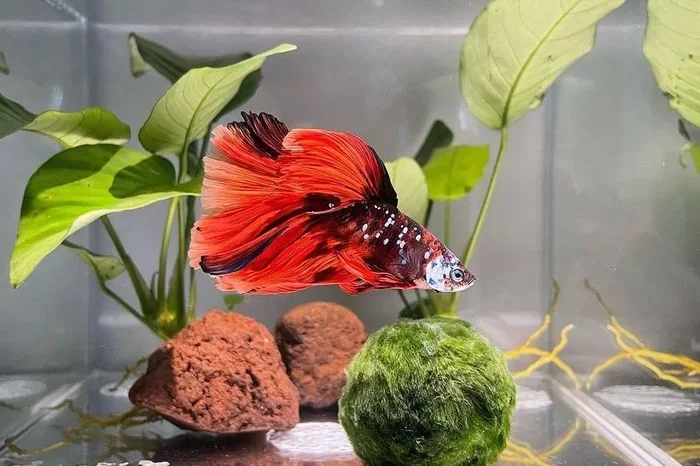
While males are famous for their spectacular, 3-inch-long flowing fins (halfmoons, crowntails, etc.), females typically have shorter, more practical fins—often described as “plakat” style. However, don’t mistake this for plain! Female fins can be beautifully rounded, and their body shapes are often more robust and oval. Their colors can be incredibly vibrant, with stunning shades of red, blue, mustard, and multicolored patterns. Some modern breeding lines are even producing females with slightly longer, more ornate fins. Their beauty is one of subtle power and elegance.
Temperament & Social Potential
This is the biggest reason people seek out females. Male bettas are famously solitary and must be kept alone (with very few, risky exceptions). Female bettas, due to their less territorial nature in the wild, can be housed together in what’s called a “sorority.” This requires a minimum 20-gallon tank, at least 5-6 females to spread aggression, abundant plants and hides, and meticulous water quality. It’s an advanced but rewarding endeavor. Many females also thrive as the centerpiece of a carefully chosen community tank with peaceful, fast-moving tank mates like neon tetras or harlequin rasboras. Their temperament is generally less prone to flaring at their own reflection, though individual personalities always vary.
The Local Option: Your Neighborhood Fish Store (LFS)
Let’s start with the most traditional and often most rewarding avenue: a dedicated, local fish store. This is not the same as a big-box pet retailer. A true LFS is a specialty shop where the staff are aquarists, not just cashiers.

Visual guide about Where Can I Buy a Female Betta Fish
Image source: hepper.com
Why a Reputable LFS is a Top Tier Choice
A good LFS is a treasure trove. The owner or manager usually has a direct relationship with their distributors or even local breeders. They understand the importance of quarantine. Many responsible LFSes will keep newly arrived bettas (and all fish) in a separate quarantine system for 2-4 weeks, observing them for signs of disease like velvet, dropsy, or fin rot before they ever hit the sales floor. This single practice dramatically reduces the chance of you bringing a hidden illness home.
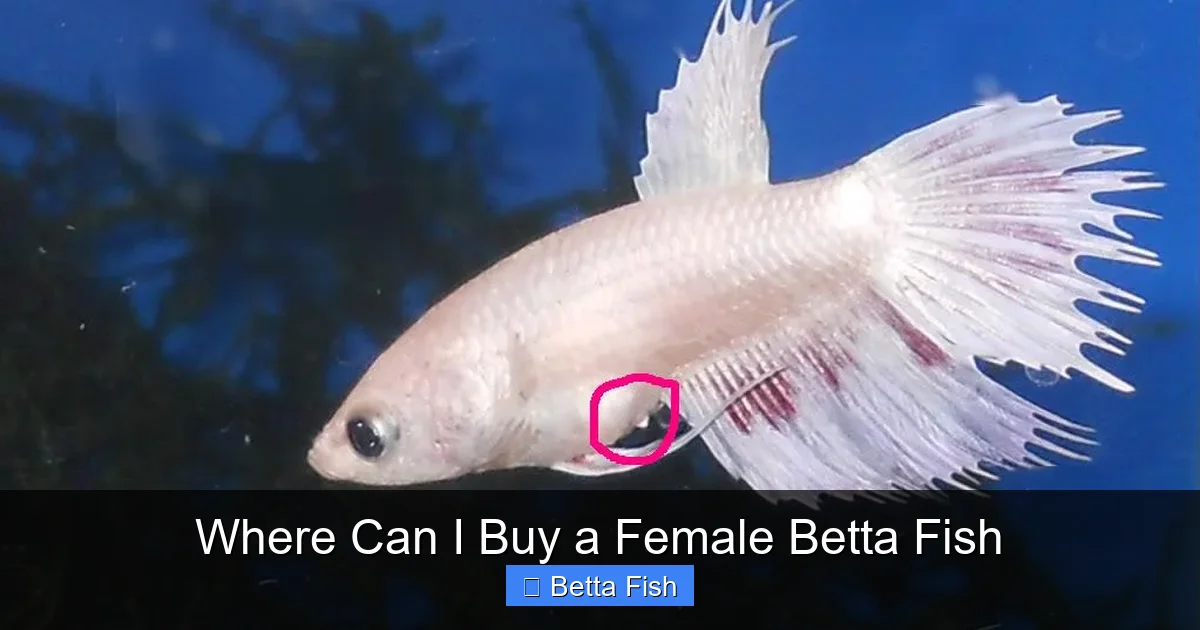
Furthermore, sexing bettas correctly is a skill. A knowledgeable LFS employee will be able to reliably tell you if that beautiful fish is indeed a female (look for a small, white ovipositor tube behind the ventral fin, and a less pronounced, rounder beard). They can tell you about the fish’s history—where it came from, how long it’s been at the store, what it’s been eating. This transparency is priceless.
What to Look For (and Ask) at the LFS
When you walk in, do a quick assessment. The betta containers should be clean, with fresh water. The fish should be swimming actively, with fins fully extended (not clamped tight to the body). Colors should be vivid. Look for any white spots (ich), cottony growths (fungus), torn or fuzzy fins (fin rot), or bulging eyes (pop-eye).
Then, ask direct questions:
- “How long have you had this female betta in stock?” A recent arrival (under 2 weeks) is still in the high-risk period for disease manifestation.
- “Do you quarantine all new arrivals?” The answer should be a confident “yes” with an explanation of their process.
- “Can you confirm this is a female?” Watch their response. They should be able to point to the ovipositor or explain the differences.
- “What are you feeding them?” High-quality pellets, frozen or live foods (like daphnia or brine shrimp) are a great sign of good husbandry.
Building a rapport with your LFS is one of the best investments you can make. They become your go-to resource for advice, emergency supplies, and future fish.
The Online Frontier: Specialized Breeders & Retailers
The internet has revolutionized access to high-quality bettas. You are no longer limited to what’s in your local tank. This is where you find the most stunning, selectively bred female bettas, including some with longer, more decorative fins.

Visual guide about Where Can I Buy a Female Betta Fish
Image source: petshun.com
Reputable Online Betta Breeders
These are the artists of the betta world. They spend years cultivating specific color lines (like the mesmerizing Koi or Mustard Gas patterns) or fin types. They breed for health and conformation, not just color. Purchasing from a breeder means you often get a fish with a known lineage, raised in pristine, filtered water from the start.
How to find one: Search for terms like “female halfmoon betta breeder” or “plakat female betta for sale.” Look for breeders on established forums (like BettySplendens), social media groups, or marketplaces like AquaBid. Study their websites or sales posts. Do they have clear, high-quality photos and videos of the actual fish? Do they describe the fish’s personality? Do they have a clear shipping, health guarantee, and quarantine policy? A breeder who ships fish in heated, insulated boxes with oxygenated water and a heat pack (if needed) is serious about animal welfare.
Trusted Online Aquarium Retailers
Not everyone wants to buy from a small breeder, and that’s okay. Several large, reputable online aquarium retailers have built businesses on quality and customer service. Companies like LiveAquaria, Aquatic Arts, or Betta Fish Store (to use general examples) source their bettas from quality farms and have their own stringent holding and quarantine protocols. They offer a wide selection, often with detailed photos and care information. The advantage is reliability, customer service, and often a live arrival guarantee. The fish may be less “special” than a breeder’s one-off, but they are generally healthy and well-presented.
Critical Considerations for Online Purchases
Shipping live animals is stressful. Here’s your checklist:
- Temperature: Never have a betta shipped in extreme cold or heat. Reputable sellers only ship during moderate weather weeks and use proper insulation.
- DOA (Dead On Arrival) Policy: Understand the seller’s policy. Do they require a photo within a certain time? Do they offer a refund or replacement?
- Quarantine Upon Arrival: Even if the seller quarantines, you MUST quarantine your new online betta for at least 2 weeks in your own hospital tank. This is your final safety net.
- Patience: Shipping delays happen. Be prepared for your fish to arrive later than expected.
The Convenience Factor: Big-Box Pet Stores (A Word of Caution)
We cannot have an honest conversation about buying a betta without addressing the most visible source: large chain pet stores. The convenience of picking up a fish and a tank on one trip is undeniable. However, for a female betta fish, this is typically the riskiest option.
The Reality of Betta Display Conditions
In many chains, bettas are kept in small, isolated cups or vials. The water is often not heated, and water changes may be infrequent. This environment is a breeding ground for stress and disease. Bettas are tropical fish requiring water at 78-80°F (25.5-26.5°C). Chronic cold water suppresses their immune system. Furthermore, the tiny containers make accurate sexing nearly impossible for untrained staff. You may be sold a “female” that is actually a young male, or a female with severe fin nipping from stress.
If You Must Buy from a Chain, Be a Detective
Sometimes, you walk in and see a betta that just looks too good to pass up. If you find yourself in this situation, become a meticulous observer:
- Inspect the Container: Is the water clean? Is there excessive waste or debris? Is the cup itself clean?
- Observe the Fish: Does it react to your finger on the glass? Is it swimming purposefully, or hovering listlessly? Are its fins whole and vibrant, or ragged and faded? Are the eyes clear?
- Ask for the Backstock: Sometimes, the healthiest fish are the ones that have been in the store longer and are in larger, better-maintained community tanks. Politely ask if they have any other female bettas in the back system.
- Demand a Quarantine Tank at Home: If you purchase here, you must assume the fish is carrying pathogens. Your quarantine tank is not optional; it is essential. Be prepared to treat for common ailments like ich or velvet prophylactically.
For a beginner seeking a peaceful female for a sorority or community tank, the gamble on temperament and health is often not worth the convenience. Save this option for when you have more experience and can better assess and treat a potentially compromised fish.
The Ultimate Betta Buyer’s Health & Selection Checklist
No matter where you go, you need a standardized method for evaluating a potential pet. Print this checklist out and use it.
The Pre-Purchase Visual Exam
Spend at least 5 minutes watching the individual fish. Do not just glance in a crowded cup.
- Swimming Behavior: Should be smooth, controlled, and purposeful. No darting, flashing (rubbing against objects), or hovering at the top gasping.
- Fins: Fully extended when at rest (for females, this means their shorter fins should still be open and flowing, not clamped). No tears, holes, blackening edges (fin rot), or white, fuzzy growths.
- Body: Symmetrical, no sores, bumps, or raised scales (sign of dropsy). No excessive slime coat (a sign of parasites or severe stress).
- Eyes: Completely clear and protruding normally. Cloudy or “pop-eye” (exophthalmia) is a major red flag.
- Gills: Should move rhythmically. Rapid gill movement can indicate respiratory distress from poor water quality or disease.
- Color: Bright and even. Fading, pale, or patchy color can indicate stress or illness.
The Post-Purchase Protocol: Quarantine is Law
You have selected your fish. Now, the most critical step begins. Do not, under any circumstances, net your new female betta and drop her directly into your display tank.
- Set Up a Hospital Tank: A 5-10 gallon tank is ideal. It needs a gentle filter (like a sponge filter), a heater set to 78-80°F, and a few silk plants or a hiding cave. No substrate is easiest for cleaning.
- Drip Acclimate: Float the sealed bag in the hospital tank for 15-20 minutes to equalize temperature. Then, open the bag and slowly drip water from the hospital tank into the bag over 30-60 minutes using airline tubing and a knot. This slowly acclimates the fish to your water parameters.
- Net and Transfer: After acclimation, use a net to gently transfer the betta to the hospital tank. Do not pour the bag water (which may contain pathogens) into your tank.
- Observe and Feed: For the next 2-4 weeks, observe your betta daily. Offer high-quality food (soaked pellets, frozen daphnia). Watch for any signs of disease that may have been incubating. Only after this full quarantine period with no symptoms should you consider moving her to her permanent home.
Building a Sustainable Betta Journey
Buying the fish is the beginning, not the end. Where you buy from should connect you to a community of knowledge.
Leveraging Your Seller’s Knowledge
A great seller—whether local or online—is a partner. Ask them: What’s her favorite food? Does she have any quirks? What was her water like at the store? This information is gold. If you buy from an LFS, ask if they have a loyalty program or a newsletter with care tips. If you buy from an online breeder, follow their social media. They often post care guides and updates.
Joining the Community
The betta-keeping community is vast and incredibly helpful. Once you have your female, join online forums like the aforementioned BettySplendens or subreddits like r/bettafish. Share a photo of your new fish! These communities are invaluable for troubleshooting issues, getting tank-mate recommendations for your female, and sharing the joy of your betta’s unique personality. They can also help you vet future sellers if you decide to expand your collection.
Conclusion: Your Journey Starts with a Healthy Choice
Choosing where to buy your female betta fish is the foundational decision that will echo through every subsequent moment of your aquarium hobby. It’s tempting to go for the cheapest, fastest, or most convenient option, but the true cost of a sick or stressed fish—in terms of veterinary care, emotional toll, and potential tank crashes—is far higher. By prioritizing reputable local fish stores, specialized online breeders, or trusted online retailers, you are investing in a healthy start. You are supporting businesses that value animal welfare over pure profit. You are giving yourself the best possible chance to enjoy the full, vibrant personality of your female betta for her potential 3-5 year lifespan. Remember the golden rules: inspect thoroughly, quarantine religiously, and never stop learning. Your perfect, peaceful, and beautiful female betta is out there. Now you know exactly where and how to find her. Welcome to the wonderful world of betta keeping!
Frequently Asked Questions
Are female bettas less aggressive than males?
Generally, yes. Female bettas are less territorial towards other fish and can often be kept in peaceful community tanks or carefully managed sororities. However, every betta has a unique personality, and some females can still be feisty, especially towards other long-finned or brightly colored fish.
Do female bettas have a shorter lifespan than males?
No. With proper care—including a heated, filtered tank, a quality diet, and pristine water conditions—both male and female betta splendens have an average lifespan of 3-5 years. Poor husbandry, often stemming from a bad initial source, is the primary reason for shorter lifespans.
Why are female bettas often cheaper than males?
This is primarily a supply-and-demand issue. The ornamental betta industry has historically focused on breeding males for their spectacular fins. Females, with their shorter fins, are less in demand for the single-fish display market, so they are often priced lower. However, high-quality females from show lines can command premium prices.
Can I keep my new female betta with other fish right away?
Absolutely not. You must first complete a strict 2-4 week quarantine period in a separate hospital tank. This protects your existing tank from any potential diseases the new fish may be carrying. Only after a healthy quarantine should you begin the careful, supervised process of introducing her to tank mates.
What is the best food for a new female betta?
A high-quality, betta-specific pellet should be the staple. Soak it briefly before feeding to aid digestion. Supplement this 2-3 times a week with protein-rich treats like frozen or live daphnia, brine shrimp, or bloodworms. Avoid overfeeding; a betta’s stomach is roughly the size of its eye.
My female betta’s colors seem dull. Is she sick?
Not necessarily. Bettas, especially females, can change color throughout their lives due to stress, water quality, diet, or simply maturation (this is called “marble” coloring). First, check all water parameters (ammonia, nitrite, nitrate, temperature) and ensure your tank is cycled. A stress-free environment with high-quality food often brings out vibrant colors. If the dullness is accompanied by other symptoms (clamped fins, lethargy, loss of appetite), then illness is likely.