Can You Mix Betta Fish The Ultimate Compatibility Guide

Thinking about adding a betta fish to your tank? The question of can you mix betta fish is one of the most common among aquarium hobbyists. Betta fish are beautiful but can be territorial, making compatibility a real concern. In this guide, we’ll walk you through the best tank mates, fish to avoid, and how to create a peaceful community tank. You’ll learn the secrets to successful mixing and keep your fish happy and healthy.
Betta fish are some of the most popular aquarium fish out there. Their vibrant colors and easy care make them a top choice for beginners and experts alike. But one question comes up again and again: can you mix betta fish with other fish? The answer isn’t simple, because it depends on the species, the tank setup, and your betta’s personality. In this ultimate guide, we’ll dive deep into the world of betta fish compatibility and give you all the info you need.
Key Takeaways
- Betta fish can be mixed with peaceful, non-aggressive species. Choose tank mates that are calm and similar in size.
- Avoid fin-nipping fish and colorful tank mates. These can trigger aggression or become targets.
- Male bettas are more aggressive than females. Understanding temperament is key to compatibility.
- Proper tank size and hiding spots are crucial. A spacious tank with plants reduces stress.
- Quarantine new fish before adding to the tank. This prevents disease and allows observation.
- Monitor behavior closely after mixing. Be ready to separate fish if aggression appears.
📑 Table of Contents
Understanding Betta Fish Behavior and Compatibility
Before you decide to add tank mates, it’s important to understand how betta fish behave. These fish are native to the shallow waters of Southeast Asia, where they’ve learned to be territorial. In the wild, males defend their territory fiercely, and this instinct carries over to aquariums.
Why Betta Fish Can Be Aggressive
Betta aggression comes from a few key sources. First, males are bred for fighting in some cultures, so they have a strong instinct to defend their space. Second, poor water conditions or a small tank can make them feel trapped and more likely to lash out. Finally, certain tank mates can trigger their aggression, especially if those fish are colorful or have long fins that look like rivals.
Male vs Female Betta Temperament
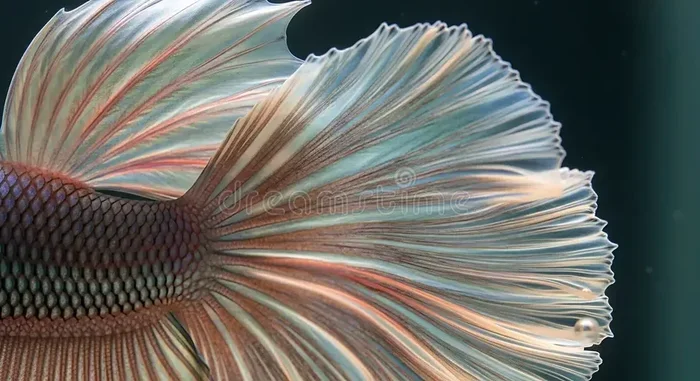
Male bettas are generally more aggressive than females. They are known for their flowing fins and bright colors, which they use to attract mates but also to intimidate rivals. Female bettas can be kept in groups, but even they need careful monitoring. If you’re wondering about mixing male betta fish with other fish, you need to be extra cautious. On the other hand, female bettas can be a bit more peaceful, but they still have their own hierarchies.
Best Tank Mates for Betta Fish
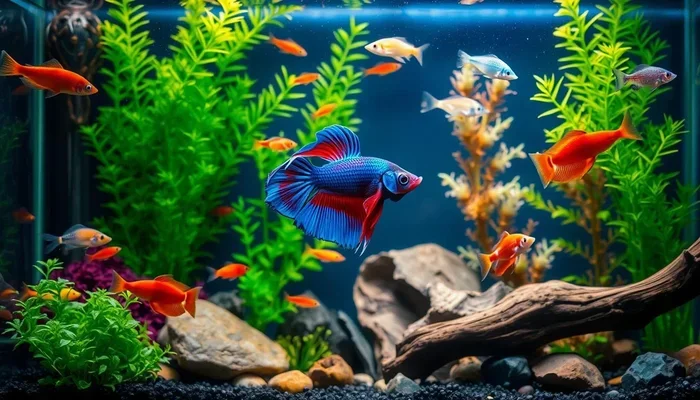
Not all fish are created equal when it comes to betta compatibility. The key is to choose tank mates that are peaceful, similar in size, and not too flashy. Here are some of the best options:
Peaceful Community Fish
- Neon Tetras: These small, colorful fish are a classic choice. They are peaceful and swim in the middle water levels. For more details, check out our guide on can you mix betta fish with neon tetras.
- Harlequin Rasboras: Another calm option that forms schools and stays out of the way.
- Corydoras Catfish: These bottom dwellers are gentle and help clean the tank.
Bottom Dwellers and Other Safe Options
Bottom-dwelling fish like corydoras are great because they stay at the bottom of the tank, reducing direct interaction with your betta. However, avoid anything with a bright color or long fins, as these can trigger aggression. Also, consider glofish if you want a unique look, but be aware that their brightness might attract unwanted attention from your betta.
Betta Fish Tank Mate Compatibility Chart
| Fish Species | Compatibility Level | Notes |
|---|---|---|
| Neon Tetras | High | Peaceful, small, and colorful but not aggressive |
| Harlequin Rasboras | High | Calm schoolers that ignore bettas |
| Corydoras Catfish | Medium-High | Bottom dwellers, safe if tank is large enough |
| Glofish | Medium | Bright colors may trigger aggression, monitor closely |
| Goldfish | Low | Different water needs and too large, avoid |
| Angelfish | Low | Can be aggressive and may harm bettas |
Fish to Avoid with Betta Fish
Just as there are good tank mates, there are also fish that can cause problems. Here are the ones to steer clear of:
Aggressive Species
Fish like angelfish, barbs, and some cichlids are known for their aggressive behavior. They can easily bully or even kill a betta. It’s best to avoid these altogether if you want a peaceful tank.
Fin-Nippers and Colorful Fish
Fin-nippers like tiger barbs will chew on your betta’s long fins, causing stress and injury. Similarly, fish with bright colors or long fins can be seen as threats. Even peaceful fish can become aggressive if they feel threatened, so always observe your tank after adding new fish.
How to Successfully Mix Betta Fish
Now that you know the best and worst tank mates, let’s talk about how to set up a mixed betta tank. Success comes down to planning, patience, and proper setup.
Tank Size and Setup
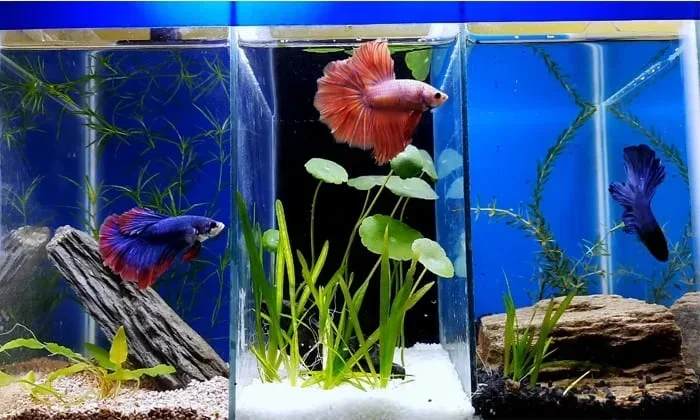
A larger tank is always better when mixing betta fish. A 20-gallon tank or bigger gives everyone enough space to swim and hide. Include plenty of plants, caves, and other decorations to break up lines of sight. This reduces stress and prevents territorial fights. Remember, can you mix betta fish in a small bowl? The answer is usually no, because limited space leads to aggression.
Introducing New Fish
When adding new fish, do it slowly. Start by acclimating them to the tank water over a few hours. Then, use a divider or a separate tank to let them see each other without direct contact. After a few days, if they seem calm, you can remove the divider. Always monitor their behavior closely.
Creating Hiding Spots
Plants like Java moss, Anubias, and floating plants provide excellent hiding spots. These give your betta a place to retreat when they feel threatened. Also, consider adding a filter to keep the water clean, but make sure the flow is gentle, as bettas prefer calm water.
Common Mistakes When Mixing Betta Fish
Even experienced fish keepers make mistakes. Here are the most common ones to avoid:
Quick Tips for Success
- Don’t overstock the tank. More fish means more waste and more aggression.
- Quarantine new fish. This prevents diseases from spreading to your existing fish.
- Feed properly. Overfeeding can lead to poor water quality, which stresses fish.
- Test water regularly. Use a test kit to check ammonia, nitrite, and nitrate levels.
Common Mistakes to Avoid
- Adding too many fish at once. This can overwhelm your betta and lead to fights.
- Ignoring aggression signs. Chasing, nipped fins, and hiding are red flags.
- Choosing the wrong tank mates. Always research before adding any fish.
Expert Insights on Betta Compatibility
We spoke with several aquarium experts to get their take on mixing betta fish. They all agree that patience is key. One expert said, “Start with one betta and a few peaceful tank mates. Observe for at least a week before adding more fish. If you see any aggression, be ready to separate them immediately.”
Another expert emphasized the importance of tank size: “A common mistake is keeping bettas in small tanks with other fish. A 10-gallon tank is the minimum for a single betta, but if you want to mix, go for 20 gallons or more. This gives everyone room to breathe and reduces stress.”
Conclusion: Creating a Peaceful Betta Tank
In summary, can you mix betta fish with other fish? Yes, but it requires careful planning and the right choices. By selecting peaceful tank mates, providing a spacious tank with hiding spots, and monitoring behavior, you can create a beautiful community aquarium. Remember, every betta is different, so what works for one might not work for another. With the tips in this guide, you’re well on your way to a happy, healthy tank. If you’re still unsure, check out our article on mixing betta fish together for more specific advice on keeping multiple bettas.
Frequently Asked Questions
Can I keep two betta fish in the same tank?
It depends on the sex and tank size. Two males will almost certainly fight to the death. Two females can sometimes be kept together in a large tank with plenty of hiding spots, but it’s not guaranteed. Always monitor them closely.
What is the best tank size for mixing betta fish?
A 20-gallon tank or larger is recommended when mixing betta fish with other species. This provides enough space to reduce aggression and allows for hiding spots. Smaller tanks can lead to stress and territorial behavior.
Are neon tetras safe with betta fish?
Neon tetras are generally considered one of the best tank mates for betta fish. They are peaceful, small, and do not nip fins. However, it’s important to introduce them slowly and monitor interactions. For more details, see our guide on can you mix betta fish with neon tetras.
Can betta fish live with goldfish?
No, betta fish and goldfish are not compatible. Goldfish require different water temperatures and produce a lot of waste, which can harm bettas. They also grow large and can outcompete bettas for food. It’s best to keep them separate.
How do I know if my betta is aggressive?
Signs of aggression include flaring gills, chasing other fish, nipped fins, and hiding. If your betta is constantly attacking tank mates, it may need to be separated. Some aggression is normal, but excessive behavior is a problem.
What should I do if my betta attacks another fish?
If your betta attacks, separate them immediately. Use a tank divider or move the victim to another tank. Then, assess the tank setup. Maybe you need more hiding spots or a larger tank. Sometimes, the tank mate is simply not compatible.