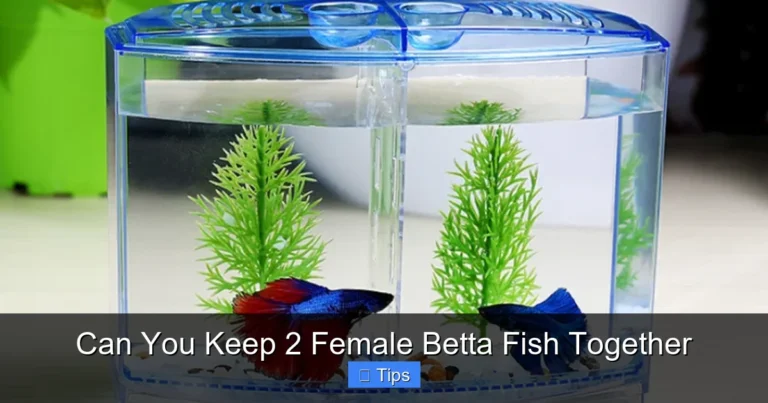
Can You Mix A Male And Female Betta Fish The Simple Answer
Can you mix a male and female betta fish? In most home tanks, the safe answer is no, even if both fish look calm at first. A pair should share water only during a short, closely watched breeding attempt with a safe tank, an exit plan, and homes for the fry; this guide also covers the risks, safer tank choices, and signs that mean you must separate them at once.
The question can you mix a male and female betta fish sounds simple. The answer depends on your goal. A pair may share water for a brief breeding try. They should not share a normal display tank as pets.
In the wild, the pair meets to spawn. It is not a lasting bond. After eggs appear, the male guards them. The female may then become a target. This guide explains the risks, the rare breeding exception, and safer tank choices.
Key Takeaways
- Permanent mixing is not safe: A male and female betta should not live together in a normal home tank.
- Breeding is the main exception: A pair may share a tank briefly for supervised spawning.
- Use separate tanks: Keep each fish in its own heated, filtered tank before and after breeding.
- Prepare for aggression: Either fish can chase, bite, or injure the other.
- Have an exit plan: Use a tank divider or breeder box, and keep a backup tank ready.
- Think about the fry: Betta breeding can produce many young fish that need care and homes.
📑 Table of Contents
The Simple Answer: Can You Mix A Male And Female Betta Fish?
For most keepers, the answer is no. A male and female betta should live in separate tanks unless you plan a watched breeding session.
Mixing them for looks is not safe. Even a quiet pair can change fast. A short chase can lead to torn fins, stress, or death.
| Goal | Safer choice | Main risk |
|---|---|---|
| Permanent pets | Separate tanks | Fights and injury |
| Short breeding try | Prepared tank and close watch | Attack or stress |
| Community display | One betta with tested tank mates | Chasing or fin nipping |
If you want the long answer about permanent housing, read whether one male and one female betta can live together.
For example, suppose you buy a male and a female because they look nice side by side. Do not place them in one display tank. Put each fish in its own heated tank. If you later choose to breed, set up a separate tank and follow a plan.
What does “mix” mean?
If you mean keeping them together all the time, do not do it. If you mean a brief breeding pairing, it can be done by an experienced keeper. The pair still needs a fast way to split up.
- Never place them in a small bowl together.
- Never leave a new pair alone.
- Never treat a calm first hour as proof of safety.
Why Male and Female Bettas May Fight
Betta aggression is not always about hate. It comes from instinct, space, and stress. A male may guard a bubble nest. A female may defend herself. Either fish can start a fight.
During spawning, the male wraps around the female. She drops eggs, and he fertilizes them. He then puts the eggs in his nest. After this job, he may chase her away to guard the eggs.
A small tank makes this worse. There is no room to get away. A fish may fight because it feels trapped, not because it is “bad.” Stress can also lower appetite and make disease more likely.
Warning signs of aggression
- Flaring gills or showing bright colors
- Chasing without stopping
- Locking jaws or biting fins
- Curving the body into an S shape
- Cornering the other fish
- Hiding, gasping, or refusing food
Expert insight: calm does not mean safe
Many pairs look fine at first. Then one fish flares or nips with no clear warning. Bettas can also hide stress. A fish may eat one day and refuse food the next.
Watch body language, not just color or sex. Individual temperament matters. A gentle male with one female may still attack another female. A bold female may attack a tired male.
When Can You Mix a Male and Female Betta Fish?
The only common reason is planned betta breeding. This is a short spawning session, not a new home arrangement. Even then, the pair may fail or fight.
Do not breed just to see eggs. A spawn can make dozens of betta fry. You need time, food, water tests, and homes for the young fish.
Breeding is also a commitment after the spawn. The adults are only part of the work. Fry need clean water, tiny food, and frequent checks. If you cannot care for them or find good homes, do not breed.
- Use healthy adult fish with no signs of disease.
- Keep the male and female in separate tanks first.
- Make sure you know which fish is male and which is female.
- Prepare a proper breeding tank before the pair meets.
- Have a tank divider, breeder box, and backup tank ready.
- Plan for the eggs, betta fry, and possible injuries.
- Be ready to stop the breeding attempt at any time.
How to know if the pair is ready
A ready female may show dark vertical bars, a rounded belly, and a small white egg spot. This is called a gravid female. No one sign proves that she is ready.
A ready male may build a bubble nest and act active. He should be healthy and able to reach the surface. Learn more about how male and female betta fish mate before you start.
If either fish hides, stops eating, or has damaged fins, wait. Health comes first.
How to Set Up a Safe Breeding Tank
A display tank is not a breeding tank. Use a separate tank with calm water and safe cover. Keep all tools clean.
Tank size and water
Many breeders start with a 10-gallon tank. A larger tank can work if it has low flow and places to hide. Keep the water shallow at first, often 6 to 8 inches. Raise it slowly after the fry can swim well.
- Use a heater and keep the water near 78 to 80 degrees F.
- Use a gentle sponge filter. Strong flow can break a bubble nest.
- Keep ammonia and nitrite at zero. Test the water before adding fish.
- Add floating plants, a broad leaf near the top, or almond leaves for cover.
- Use a tight lid. Bettas need warm air above the water.
- Keep pH stable, often near 6.5 to 7.5.
Stable water is more important than chasing a perfect pH number.
Condition each fish first
Keep the pair in separate tanks for one or two weeks. Feed small meals of good pellets and safe frozen or live foods. Do small water changes. This conditioning period helps them gain strength.
- Feed small amounts several times a day.
- Use high-quality betta pellets as the main food.
- Offer safe treats, such as baby brine shrimp.
- Do not overfeed or leave old food in the water.
- Keep both tanks warm, clean, and calm.
Introduce the pair slowly
Acclimate both fish to the breeding tank. Put the female in a clear breeder box or behind a tank divider. Watch how they act.
- Look for flaring, lunging, or hard chasing through the divider.
- If either fish panics, stop the try and return both fish to their own tanks.
- If they stay calm, release the female only while you can watch.
- Keep the room quiet and stay close for the first part of spawning.
Do not use your hands to stop a fight. Slide in an opaque divider or lift the female with a soft net. Have a backup tank ready.
What to do after spawning
Once the male has the eggs in his nest, he may chase the female. Move her to a clean recovery tank. Do not leave her there to be bitten. The male may guard the eggs for two or three days.
Keep the tank quiet and the light low. When the fry swim freely, often after three to five days, some keepers remove the male. This depends on the tank and the male. The fry need very small foods, such as baby brine shrimp, and frequent water care.
Quick tips for a safer breeding try
- Write down your fry plan before the pair meets.
- Keep a spare tank ready.
- Use a divider with no sharp edges.
- Never breed sick or very young fish.
- Stop if stress signs appear.
- Ask an experienced breeder for help.
Better Tank Options and Suitable Tank Mates
If you do not plan to breed, give each betta a safe home of its own. This is the simplest and kindest choice for most people.
One betta in a proper tank
A single male or female can thrive in a heated, filtered tank. Five gallons is a practical minimum for many adults. A 10-gallon tank gives more room and steadier water.
Add a lid, soft plants, and a low-flow filter. Keep the water warm and clean. A betta can gulp air, but that does not make dirty water safe.
A female sorority is not a fix
Some keepers house several females together. This does not make it safe to add a male. Female bettas can also fight. A sorority needs a large, stable tank, many hiding spots, and backup plans.
Other aquarium tank mates
You may be able to keep one betta with other peaceful tropical freshwater fish. Success depends on the betta, tank size, and species. Start with a well-cycled tank and quarantine new fish.
- Snails may work, but some bettas nip them.
- Shrimp can become food, even if they are safe on paper.
- Small schooling fish need enough room and may nip fins.
- Avoid goldfish because they need cooler water and make more waste.
- Avoid other bettas and similar fish, such as gouramis.
For more help, read this guide to mixing a betta with other fish.
Use this quick decision test
- Do you have a breeding plan? If not, keep them apart.
- Can you care for many fry? If not, do not breed.
- Do you want a community tank? Keep only one betta.
Common Mistakes, Warning Signs, and Final Advice
Most problems start when keepers hope for the best. A pair can look calm, then fight in seconds. Watch the fish and act early.
Separate them at once if you see:
- Bites or torn fins
- Nonstop chasing
- A fish hiding all day
- Clamped fins or pale color
- Rapid breathing
- Refusal to eat
- The female lying on the bottom
How to separate a fighting pair
Lower the lights and slide in a solid tank divider. If that is not possible, use a soft net or cup. Move one fish to a clean, warm tank.
Do not put your hand in the tank. Do not punish the fish. Check the water and give the injured fish quiet time. Get help from an experienced keeper or aquatic vet if wounds look deep.
After separation, do not try again that day. Let both fish settle for several days. Check their water and fins before making a new plan.
Common mistakes to avoid
- Putting the pair in a bowl because it seems cute.
- Using a tank with no divider or escape space.
- Leaving the female with the male after eggs appear.
- Assuming a bubble nest means the pair is safe.
- Breeding without a plan for betta fry.
- Adding goldfish or fin-nipping fish to solve loneliness.
- Ignoring stress signs because the fish stopped fighting.
Conclusion: Keep Safety First
So, can you mix a male and female betta fish? For a normal pet tank, the answer is no. The only fair exception is a short, planned breeding try with the right tank, close watch, and a clear way to separate them.
Your bettas do not need each other to be happy. Give them clean, warm water, space, and safe care. When in doubt, choose separate tanks over a risky pairing.
Frequently Asked Questions
Can a male and female betta fish live together permanently?
No. A male and female betta should not live together in a permanent home tank. The male may attack the female after spawning, and the female may also fight back.
Can you mix a male and female betta fish for breeding?
Yes, but only for a short, closely watched breeding attempt. Use a prepared breeding tank, a divider or breeder box, and a backup tank.
Will a female betta kill a male betta?
It is possible, although the male is often the one who chases the female after spawning. Either fish can become aggressive, so never assume one sex is always safe.
How should I introduce a male and female betta?
Acclimate both fish, then place the female behind a divider or in a breeder box. Watch their behavior, and separate them at once if you see lunging, biting, or panic.
Can a female betta live with other fish?
She may live with some peaceful tank mates, but success depends on her temperament and the tank size. Always add fish slowly and keep a backup plan.
Can a male betta fish lay eggs?
No. The female produces the eggs, and the male fertilizes them during spawning. The male then guards the eggs and may care for the betta fry.