Can Pleco Fish Live with Betta Fish
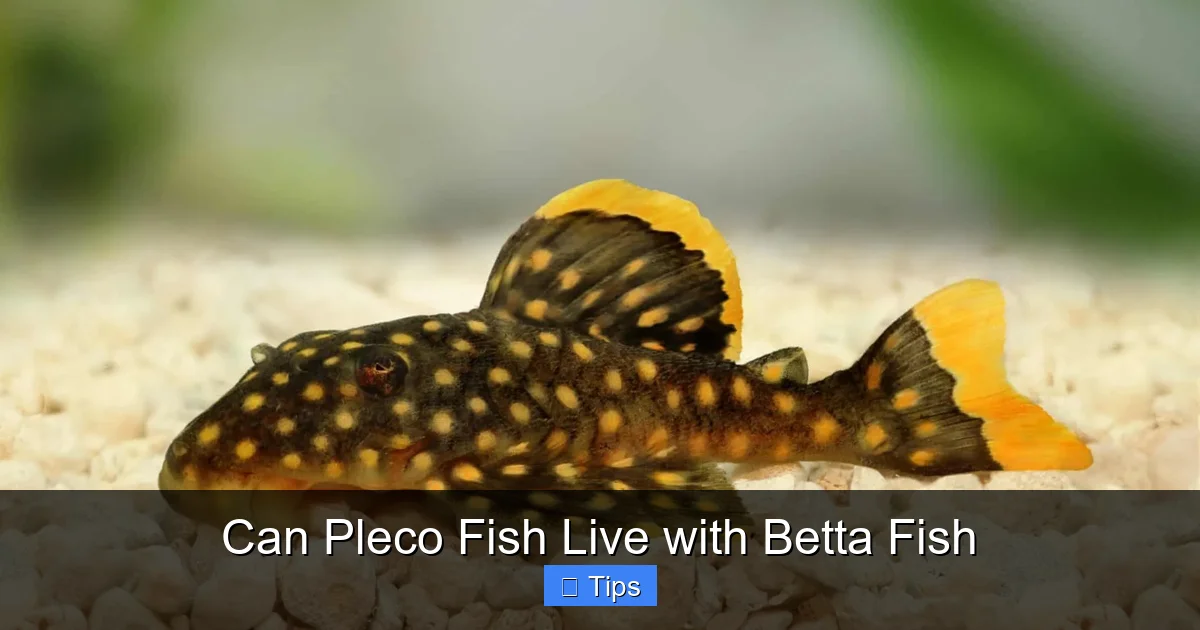
Yes, pleco fish can often live with betta fish, but success depends entirely on selecting the right pleco species and providing an adequately sized, properly configured tank. Bristlenose plecos are the most recommended due to their small adult size and peaceful nature. The key is matching the pleco’s needs—ample space, strong filtration, and hiding spots—with the betta’s territorial instincts to minimize stress and conflict for both fish.
So, you’ve got a beautiful, flowing-finned betta in a tank, and you’re dreaming of a bustling community aquarium. Or perhaps you have a pleco and are wondering if your betta would be a compatible roommate. The question “Can pleco fish live with betta fish?” is one of the most common in the aquarium hobby, and the answer is a qualified yes, but with very important caveats. It’s not as simple as just dropping them together. Success hinges on understanding the natural behaviors of both fish, making intelligent species selections, and creating an environment that caters to both their needs. Let’s dive deep into the details to help you make a safe, informed decision for your aquatic pets.
Key Takeaways
- Species Matters Most: Not all plecos are suitable. Stick to small, peaceful species like the Bristlenose Pleco (Ancistrus sp.). Avoid common plecos (Hypostomus plecostomus) which grow huge and can become aggressive.
- Tank Size is Non-Negotiable: A minimum of 30 gallons is strongly recommended, with 40+ gallons being ideal. This provides essential territory separation and dilutes the betta’s territorial aggression.
- Plecos Have Specific Needs: They require strong filtration for their waste, driftwood for digestion, and dense hiding places (caves, PVC pipes) to feel secure, especially during the day.
- Betta Temperament is a Variable: Some bettas are mellow, others are fiercely territorial. You must observe your specific betta’s personality before and after introducing any tankmate.
- It’s Not an Algae Solution: Do not get a pleco expecting it to clean your tank. Most plecos, especially captive-bred ones, need supplemental high-quality foods like algae wafers and blanched vegetables.
- Introduction Protocol is Crucial: Use a divider or acclimation box for the initial meeting. Always add the pleco first, let it establish its territory for a week, then carefully introduce the betta.
- Constant Monitoring is Required: Watch for signs of stress: the betta flaring and chasing constantly, or the pleco hiding 24/7 and not eating. Be prepared to separate them if conflicts arise.
📑 Table of Contents
Understanding the Betta: The Territorial King
To figure out if a pleco can live with a betta, we must first understand the betta’s nature. The betta splendens, or Siamese fighting fish, is famous for its aggression, but this trait is often misunderstood. In the wild, bettas are not solitary bullies; they are solitary territorial fish. They establish a small patch of space—a plant thicket, a root system—and defend it fiercely from other male bettas and fish they perceive as flashy, long-finned intruders.
The Betta’s Personality Spectrum
It’s critical to recognize that betta temperament exists on a wide spectrum. Some individuals are outright “dragons,” flaring at their own reflection and attacking any fish that enters their zone. Others are laid-back “cupcake” bettas who barely notice other fish. Your specific betta’s personality is the single biggest variable in this compatibility equation. A mellow betta in a 50-gallon tank with plenty of visual barriers might ignore a pleco entirely. A aggressive betta in a 10-gallon bowl will see any bottom-dweller as an annoyance to harass.
Practical Tip: Before even considering a pleco, observe your betta in its current setup. Does it flare at you when you approach the glass? Does it constantly pace or attack decorations? This is a red flag. A betta that is calm, curious, and not obsessed with its reflection is a much better candidate for tankmates.
The Pleco Paradox: Not All “Suckers” Are Created Equal
This is where most people go wrong. The term “pleco” is a blanket name for hundreds of species in the Loricariidae family. When you hear “pleco,” you might picture the common pleco sold in big box stores—a fish that starts small and promises to clean your tank. This is the biggest mistake you can make.
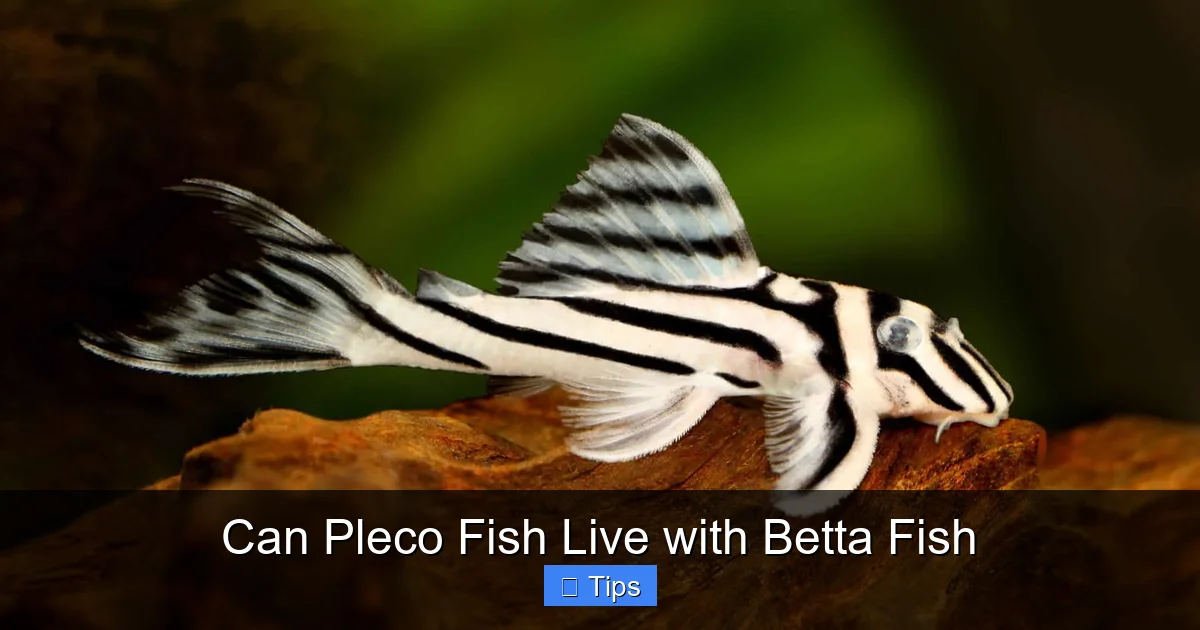
Visual guide about Can Pleco Fish Live with Betta Fish
Image source: fishlaboratory.com
The Giant, Aggressive “Common” Pleco (Hypostomus plecostomus)
Let’s be absolutely clear: the so-called “Common Pleco” is a terrible, dangerous choice for a betta tank. These fish routinely exceed 12-18 inches in length. They produce an enormous biological load (waste), requiring massive filtration. As they grow, many become increasingly territorial and aggressive, especially towards other bottom-feeders or fish that invade their space. A full-grown common pleco in a tank with a betta is a recipe for disaster. The pleco is too big, too messy, and too likely to eventually bully or even physically harm the betta, especially if the betta tries to rest on the substrate or explore a cave the pleco has claimed.
The Champions: Bristlenose Plecos (Ancistrus sp.)
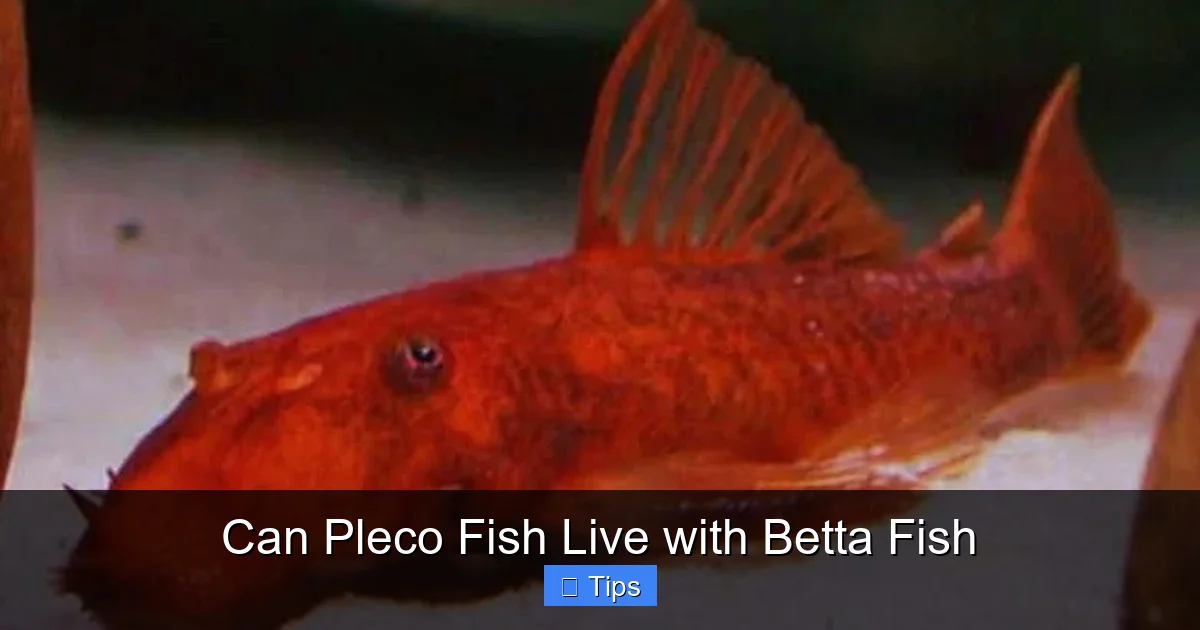
The undisputed champion for betta tank companionship is the Bristlenose Pleco, often sold as “Bristlenose Catfish” or “Bushy Nose Pleco.” Here’s why they are the top recommendation:
- Manageable Size: They max out at 4-5 inches, a much more reasonable size for a community tank.
- Peaceful Demeanor: They are shy, reclusive, and non-aggressive towards other fish species. Their entire defense mechanism is hiding.
- Distinct Look: Males develop the iconic “bristles” or tentacles on their snouts, which bettas typically do not perceive as a threat (unlike the long fins of another male betta).
- Algae Grazing: They do a decent job of cleaning algae off glass and decorations, though they still need supplemental feeding.
Other Viable (But More Niche) Options: The Rubber Lip Pleco (Chaetodonoma spp.) is another small, peaceful algae eater. The Clown Pleco (Panaque maccus) is also peaceful and a wood-eater, but it can be a bit more secretive and may not be as active during the day. Always research the exact species before purchase, not just the common name.
Tank Setup: The Foundation for Peace
Even with a perfectly chosen peaceful pleco and a mellow betta, a poorly set up tank will lead to failure. The environment must meet the biological and psychological needs of both species.

Visual guide about Can Pleco Fish Live with Betta Fish
Image source: articles.hepper.com
The Absolute Minimum: 30 Gallons
Let’s start with the number one cause of failure: tank size. A 5-gallon betta tank is not a community tank. It’s a single-species habitat. For a pleco and betta to coexist with any chance of success, you need volume to create physical and visual separation. 30 gallons is the absolute, bare minimum. A 40-gallon breeder (with its wide footprint) is significantly better. This space allows the betta to establish a territory in the upper/mid levels without constantly bumping into the pleco, which will inhabit the bottom. More water volume also means more stable water parameters, which is crucial for sensitive bettas and the high bioload of a pleco.
Creating a Pleco-Friendly (and Betta-Stress-Reducing) Environment
The layout of your tank is your most powerful tool for peace.
- Substrate: Sand or fine, smooth gravel is best for plecos to sift through without damaging their barbels. Avoid sharp gravel.
- Driftwood is Essential: For Bristlenose and Clown plecos, driftwood is not a decoration; it’s a dietary requirement. The cellulose in wood aids their digestion. Provide several pieces of Malaysian driftwood or mopani wood.
- Caves and Hiding Spots: The pleco must have multiple, secure hiding places it can claim as its own. Use ceramic caves, half coconut shells, or stacks of slate. Place these in the lower corners and back of the tank, away from the betta’s preferred resting spot (often a leaf or hammock near the surface).
- Plants and Vertical Structure: Dense planting (live or silk) and tall decorations (seiryu stone, bogwood roots) break up lines of sight. This is vital. If the betta can see the pleco constantly, it may view it as an intruder in its territory. Plants provide cover for the pleco to move about safely.
- Filtration: A pleco is a waste machine. You need robust filtration—a canister filter or a large hang-on-back filter rated for at least double your tank’s volume. Strong flow is good, but ensure there are calm areas where the betta can rest without being buffeted.
Feeding Frenzy: Nutrition for Two Very Different Fish
This is another critical area of misunderstanding. A pleco is not a self-sustaining algae cleaner. A healthy pleco diet is diverse.
Visual guide about Can Pleco Fish Live with Betta Fish
Image source: fishlaboratory.com
The Betta’s Diet
Bettas are primarily carnivores. They need high-protein foods: quality pellets, frozen or live daphnia, brine shrimp, or bloodworms. Overfeeding can quickly foul the water, which harms both fish.
The Pleco’s Diet
Plecos are omnivores with a strong herbivorous tendency, but their needs vary by species.
- Algae Wafers: The staple. Use a high-quality brand (like Hikari Algae Wafers or Repashy Superfoods). Feed one wafer per day, secured to the substrate with a rock or clip.
- Vegetables: Blanched zucchini, cucumber, spinach, kale, and shelled peas are excellent. Remove any uneaten portions after 24 hours.
- Driftwood: As mentioned, this is necessary for digestion.
- Supplemental Protein: Occasional treats of bloodworms or high-quality shrimp pellets can be offered.
Feeding Strategy: Feed your betta its normal portion in the upper water column. Once the betta is occupied, drop the pleco’s algae wafer near its cave. This reduces the chance of the betta seeing the pleco as a competitor for food. Target feeding with a syringe or feeding tongs for vegetables ensures the pleco gets its share.
Common Pitfalls and How to Avoid Them
Let’s address the most frequent mistakes aquarists make when attempting this pairing.
Pitfall 1: The “Clean-Up Crew” Myth
Mistake: “I got a pleco because my tank has algae.” If your primary motivation is algae control, you are setting up for failure. No pleco will keep a tank spotless. Algae is usually a symptom of an imbalance (too much light, too many nutrients, not enough competition). Fix the root cause, and the pleco becomes a helpful helper, not the sole solution.
Pitfall 2: The “Starter Pleco” Fallacy
Mistake: “I’ll get a small pleco now, and it will be fine in my betta’s 10-gallon tank.” This is a path to a stunted, unhealthy pleco and a stressed betta. That “small” pleco will grow fast and soon outstrip the tank’s capacity. You must plan for the pleco’s adult size from day one. A Bristlenose in a 10-gallon tank is cruel and will lead to poor water quality quickly.
Pitfall 3: Poor Introduction Protocol
Mistake: Dumping the pleco into the betta’s established tank. The betta will see a large, strange object appearing in its territory and will attack. The correct method is to add the pleco first. Set up the entire tank, add the pleco, and let it explore and claim its hiding spots for at least one full week. Only then, use a divider or an acclimation box to introduce the betta. This allows the pleco to be “part of the furniture” when the betta arrives, not an invader.
Conclusion: Is It Worth the Effort?
So, can pleco fish live with betta fish? The responsible answer is: it can be done, but it’s a commitment, not a casual mix. It requires careful species selection (Bristlenose Pleco), a spacious tank (30+ gallons), meticulous aquascaping with ample hiding places, and diligent maintenance. You are not just adding another fish; you are creating a complex ecosystem that must cater to two very different animals.
For the dedicated aquarist who can provide these conditions, the pairing can be beautiful and rewarding. You’ll see your active, curious pleco methodically cleaning the wood and glass during the day while your betta patrols the mid and upper levels, largely ignoring its quiet neighbor. The contrasting behaviors—the betta’s flamboyant show versus the pleco’s subtle, armored work—can make for a fascinating display.
If you cannot commit to a 30+ gallon tank, strong filtration, and the specific dietary needs of a pleco, then the answer is no. Your betta will be much happier and healthier as the sole resident of a well-maintained, appropriately sized tank. Always prioritize the long-term welfare of both animals over the desire for a “community” tank. Do your research, set up for success, and you may just create a harmonious underwater world.
Frequently Asked Questions
What is the absolute best pleco to keep with a betta?
The Bristlenose Pleco (Ancistrus sp.) is the best and safest choice. It stays small (4-5 inches), is peaceful, and has a low profile that bettas typically ignore. Always avoid the “Common Pleco” which grows massive and can become aggressive.
Can a pleco and betta live in a 10-gallon tank?
No, a 10-gallon tank is far too small for this combination. A single betta needs at least 5 gallons, but adding any pleco requires a minimum of 30 gallons to provide enough space for territory separation and to handle the pleco’s waste output. A 10-gallon tank will lead to stress, poor water quality, and likely aggression.
How do I know if my betta is bullying the pleco?
Watch for constant, relentless chasing and flaring by the betta, especially if the pleco is trying to hide or eat. If the pleco is hiding 24/7, not coming out to graze, and appears stressed (clamped fins, pale color), the betta is likely winning the intimidation battle. You may need to separate them.
Will a pleco actually clean my betta’s tank of algae?
It will help, but it will not be the sole solution. Bristlenose plecos do graze on algae, but they need a balanced diet of algae wafers and vegetables to stay healthy. Rely on proper tank management (light control, nutrient balance, water changes) for primary algae control, and consider the pleco a helpful assistant.
Can I keep other fish with my betta and pleco?
Once you have a stable 30+ gallon tank with a betta and a peaceful pleco, you may have room for a few other very peaceful, fast-moving schooling fish like neon tetras or harlequin rasboras. However, this adds significant bioload and complexity. Master the duo pairing first before adding more fish.
What should I do if my betta and pleco start fighting?
Have a backup plan (a separate tank) ready. If the betta is the aggressor, try adding more visual barriers (plants, wood) to break the line of sight. If fighting persists, you will likely need to rehome one of the fish. The pleco, being nocturnal and reclusive, is often the one suffering from chronic stress in an incompatible setup.