Do Betta Fish Eat Their Own Tails
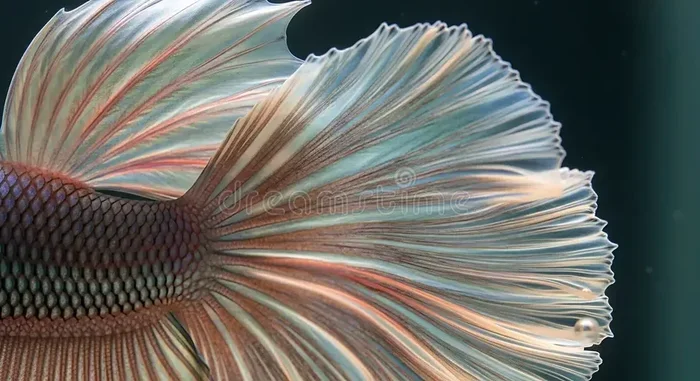
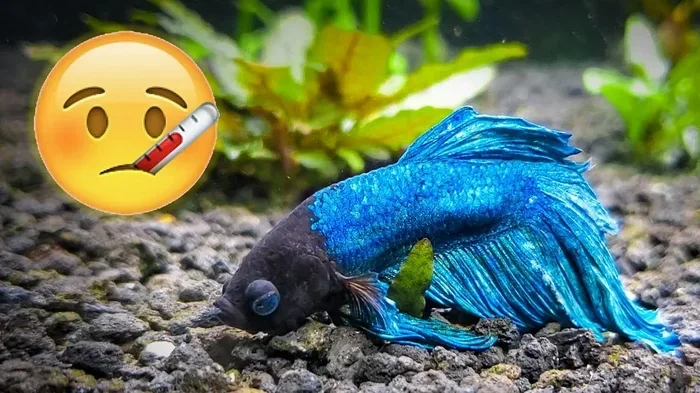
Yes, betta fish can and do eat their own tails. This strange behavior is usually caused by stress, boredom, or poor water conditions. Understanding the root cause is the first step to stopping your betta from damaging its own tail.
Have you ever looked into your betta fish tank and noticed something disturbing? Your beautiful betta is nibbling on its own tail. It sounds bizarre, right? But here is the truth — do betta fish eat their own tails is a real question that many fish owners ask. And the answer might surprise you.
Betta fish are stunning creatures. Their flowing fins and vibrant colors make them a favorite among aquarium lovers. But sometimes, these fish turn their attention inward. They bite, chew, and even tear at their own tails. This behavior is called tail biting, and it happens more often than most people think.
In this article, we will explore why betta fish eat their own tails. We will look at the causes, how to tell the difference between tail biting and other problems, and what you can do to stop it. Whether you are a new betta owner or a seasoned hobbyist, this guide has practical tips that actually work.
Key Takeaways
- Tail eating in bettas is real: Bettas sometimes bite and chew their own tails, a behavior known as tail biting or self-mutilation.
- Stress is the main trigger: Poor water quality, small tanks, and lack of stimulation can push bettas to chew their tails.
- It is different from fin rot: Tail biting and fin rot look similar but have different causes and treatments.
- Quick fixes work: Improving tank conditions, adding enrichment, and reducing stress can stop the behavior fast.
- Prevention is easy: A well-setup tank with hiding spots and proper diet keeps bettas from chewing their tails.
- See a vet if it worsens: If the tail damage gets worse despite your efforts, consult a fish veterinarian.
📑 Table of Contents
Why Do Betta Fish Eat Their Own Tails?
Understanding the “why” behind tail eating is the first step to fixing it. Bettas do not chew their tails just for fun. There is always a reason behind the behavior. Let us break down the most common causes.
Stress and Boredom
Betta fish are intelligent. They need stimulation. When a betta lives in a bare tank with nothing to do, it gets bored. Boredom leads to stress. And stressed bettas often turn to tail biting as a way to cope. Think of it like a person biting their nails when nervous. Your betta is doing something similar.
Small tanks make this worse. A tiny bowl with no plants or decorations gives your betta nowhere to explore. The fish has nothing to do all day. Over time, the boredom builds up, and tail chewing starts.
Poor Water Quality
Dirty water is a huge stressor for bettas. When ammonia and nitrite levels rise, bettas feel uncomfortable. They become irritable and anxious. In some cases, this stress triggers self-mutilation. The fish starts biting at its fins and tail.
Regular water changes are essential. Test your water parameters at least once a week. Keep ammonia and nitrite at zero. A cycled tank with stable conditions keeps your betta calm and healthy.
Overcrowded or Aggressive Tank Mates
Betta fish are territorial. They do not always get along with other fish. If your betta shares a tank with aggressive neighbors, it may feel threatened. This constant stress can lead to tail biting behavior. The betta redirects its aggression toward itself.
Even overcrowding in a community tank can cause problems. Too many fish in a small space raises stress levels for everyone. Your betta might start chewing its tail as a way to release tension.
Genetic Predisposition
Some bettas are simply more prone to tail biting than others. This trait can run in bloodlines. If you bought your betta from a breeder who prioritizes long, flowing fins, the fish might be more likely to chew those fins. The heavy fins are harder to manage, and some bettas just cannot help themselves.
This does not mean you should avoid beautiful finnage. It just means you need to be extra attentive to tank conditions and stress levels.
How to Tell If Your Betta Is Eating Its Own Tail
Not all tail damage means your betta is chewing its own tail. Several conditions look similar. Learning to spot the differences helps you choose the right treatment.
Tail Biting vs. Fin Rot
Fin rot is a bacterial or fungal infection. It causes the fins to look ragged, discolored, or melted. Tail biting, on the other hand, creates irregular bite marks. The edges look torn and uneven, almost like someone took scissors to the fin.
Here is a quick comparison:
- Tail Biting: Irregular bite marks, torn edges, the fish is actively seen chewing the tail.
- Fin Rot: Ragged, discolored fins, white or fuzzy edges, the fish is not actively biting.
If you are unsure, watch your betta closely. Use a camera to record its behavior. If you catch your betta in the act of chewing its tail, that is a clear sign of tail biting. You can also compare with why betta fish bite their tails for more insight on this common behavior.
Tail Biting vs. Fin Nipping by Tank Mates
If your betta shares a tank, other fish might be the culprits. Some fish love to nip at flowing fins. Tetras and barbs are common offenders. Watch carefully to see who is actually doing the damage.
Tail Biting vs. Natural Tail Wear
Sometimes, bettas simply bump their tails against decorations. This can cause minor tearing that looks like biting. Check your tank décor for sharp edges. Rough plastic plants or sharp rocks can damage fins over time.
How to Stop Your Betta From Eating Its Own Tail
The good news is that tail biting can be stopped. Most cases respond well to simple changes in tank setup and care. Here is what you need to do.
Improve Water Quality
This is the number one fix. Start by testing your water. Keep ammonia and nitrite at zero. Maintain a temperature between 78 and 80 degrees Fahrenheit. Perform 25 to 30 percent water changes every week. Clean the gravel and remove any waste buildup.
If your tank is not fully cycled, cycle it before adding your betta. A stable nitrogen cycle is the foundation of a healthy aquarium. For more on maintaining a clean tank, check out our guide on what betta fish need inside their tank.
Increase Tank Size
A larger tank makes a huge difference. Bettas need at least 5 gallons, but bigger is always better. A 10-gallon tank gives your betta room to swim and explore. More space means less stress and less boredom.
Add live plants, caves, and driftwood. These create a natural environment that keeps your betta mentally stimulated. The more things to explore, the less time your fish has to think about chewing its tail.
Add Enrichment and Stimulation
Bettas get bored easily. Keep them entertained with a variety of enrichment activities.
- Place a mirror in front of the tank for a few minutes a day. This gives your betta something to explore and flare at.
- Use puzzle feeders that make your betta work for its food.
- Add floating plants that create shade and hiding spots.
- Rotate decorations occasionally to keep the environment fresh.
These simple steps keep your betta’s mind active and reduce the urge to chew its tail.
Reduce Stress Triggers
Identify and remove sources of stress. If your betta shares a tank with aggressive fish, move it to a solo tank. Avoid tapping on the glass or making loud noises near the aquarium. Keep the lights on a consistent schedule — 8 to 10 hours of light per day is plenty.
Some bettas also get stressed when you rearrange their tank. If you need to redecorate, do it gradually. For tips on how decorations affect betta behavior, see our article on whether betta fish get mad when you change their decorations.
Adjust the Diet
A poor diet can contribute to stress and poor fin health. Feed your betta high-quality pellets as the staple food. Supplement with frozen or live foods like brine shrimp and bloodworms. Avoid overfeeding — uneaten food pollutes the water and adds stress.
For more on betta nutrition, read our article on whether betta fish eat special food to learn about the best dietary options.
Can Betta Fish Regrow Their Tails?
Here is some good news. Bettas can regrow their fins and tails. Given the right conditions and enough time, damaged fins will grow back. The new growth might not look exactly the same as the original, but the fin will heal.
However, this only works if you stop the tail biting first. If the behavior continues, the new growth will just get bitten again. Break the cycle by addressing the root cause. You can learn more about fin regrowth in our article on whether betta fish ever grow their fins back.
The regrowth process takes several weeks to months. Be patient and consistent with your tank maintenance. Keep the water clean and stress-free. Your betta will thank you with a full, beautiful tail.
Common Mistakes Bettas Owners Make
Many well-meaning owners accidentally make tail biting worse. Avoid these common mistakes:
- Keeping the betta in too small a tank: Bowls and tiny cups are not suitable for bettas. They need at least 5 gallons of space.
- Ignoring water changes: Dirty water builds up toxins that stress your fish. Stick to a regular maintenance schedule.
- Overcrowding the tank: Even with plants and decorations, too many fish create a stressful environment.
- Using harsh decorations: Sharp plastic plants and rough surfaces can injure fins and encourage biting behavior.
- Feeding too much: Excess food rots in the tank and spikes ammonia levels. Feed small amounts twice a day.
Each of these mistakes adds up. One bad habit might not cause tail biting, but a combination of several can push your betta over the edge.
When to See a Veterinarian
Most cases of tail biting resolve with the steps above. But sometimes, the behavior is caused by an underlying health issue. If your betta continues to chew its tail despite improving tank conditions, it is time to consult a professional.
A fish veterinarian can check for infections, parasites, or other medical problems. Some fish also develop compulsive behaviors that require specialized treatment. Do not wait too long. Early intervention gives your betta the best chance of a full recovery.
Preventing Tail Biting for Good
The best cure is prevention. Set up your betta tank for success from day one. Here is a quick checklist:
- Use a tank of at least 5 gallons with a heater and filter.
- Cycle the tank before adding your betta.
- Add live plants, caves, and soft decorations.
- Keep water parameters stable and clean.
- Feed a balanced, high-quality diet.
- Provide mental stimulation with enrichment activities.
- Avoid aggressive tank mates.
- Monitor your betta’s behavior daily.
Follow these steps, and your betta will live a happy, healthy life with a beautiful, intact tail. Prevention is always easier than treatment.
Remember, do betta fish eat their own tails is not a sign that something is wrong with your fish. It is a sign that something in the environment needs to change. Your betta is telling you it needs better conditions. Listen to what it is saying, and you can fix the problem.
For more information on betta behavior, also check out our article on whether betta fish eat themselves to understand related self-directed behaviors in bettas.
Final Thoughts
Watching your betta chew its own tail can be heartbreaking. But you are not alone, and you are not helpless. Tail biting is a common behavior with clear causes and proven solutions. Improve the water, increase the space, add enrichment, and reduce stress. These simple changes can make all the difference.
Your betta deserves a happy, healthy life. With the right care, its tail will stay beautiful and intact. Start making changes today, and you will see results soon. Your betta will be swimming happily with its full, gorgeous tail in no time.
Frequently Asked Questions
Why is my betta fish eating its own tail?
Betta fish eat their own tails mainly due to stress, boredom, or poor water conditions. When a betta feels anxious or has nothing to do, it may start chewing its tail as a coping mechanism. Improving tank conditions and adding enrichment usually stops the behavior quickly.
Is tail biting in bettas dangerous?
Yes, if left unchecked, tail biting can cause serious damage. The tail may not regrow properly, and open wounds can lead to infections. It is important to address the behavior as soon as you notice it to prevent long-term harm to your betta.
How can I tell if my betta is biting its tail or has fin rot?
Tail biting creates irregular bite marks and torn edges, and you may actually see your betta chewing on its tail. Fin rot causes ragged, discolored fins with white or fuzzy edges, and the fish is not actively biting. If you are unsure, watch your fish closely or consult a fish veterinarian.
Can a betta’s tail grow back after it has been bitten?
Yes, bettas can regrow their tails and fins if the biting behavior stops. The regrowth process takes several weeks to months. Keep the water clean and stress-free to support healthy fin regrowth. For more details on this topic, check out our guide on whether betta fish ever grow their fins back.
What tank size is best to prevent tail biting?
A minimum of 5 gallons is recommended for a single betta. Larger tanks, such as 10 gallons, provide more swimming space and reduce stress. A bigger tank also makes it easier to maintain stable water parameters, which helps prevent stress-related tail biting.
Do betta fish eat their own eggs and babies too?
Yes, betta fish sometimes eat their own eggs and babies, which is a related stress-driven behavior. This is different from tail biting but shares similar root causes like poor conditions and high stress. If you are breeding bettas, proper tank setup and careful monitoring are essential to protect both eggs and fry.