Can Snails Be with Betta Fish
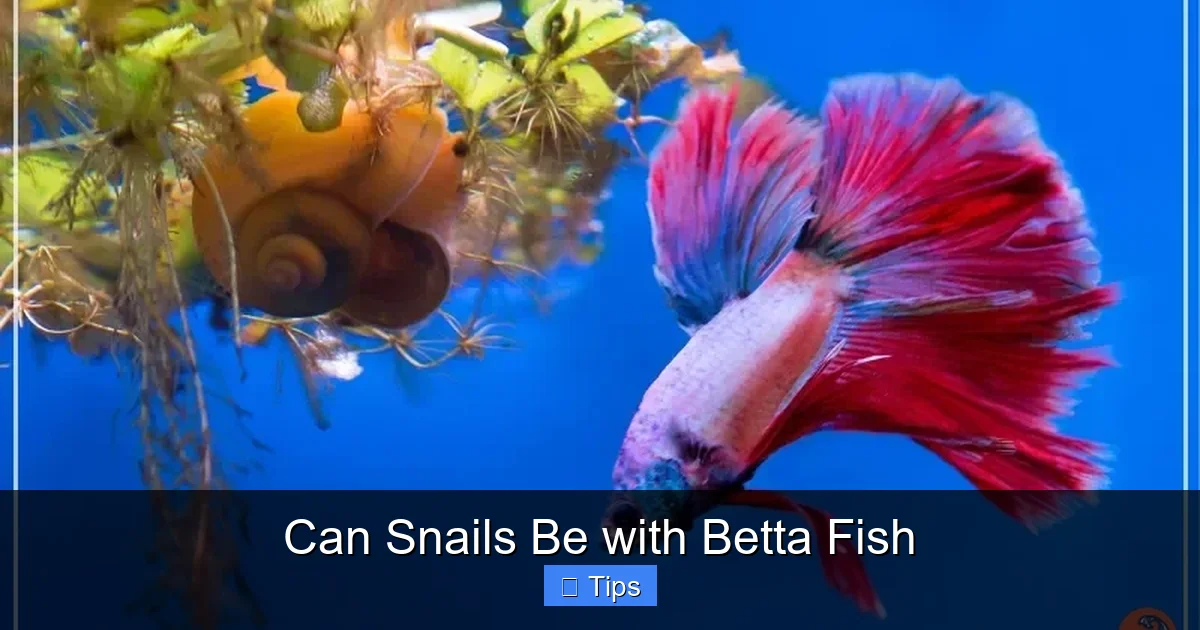
Yes, many snails can be excellent tank mates for betta fish! Their calm, slow-moving nature often doesn’t trigger a betta’s aggression, and they provide valuable cleanup services. However, success depends entirely on choosing the right snail species, providing a spacious and well-decorated tank, and understanding your individual betta’s temperament. With the proper setup, a snail can be a fascinating and beneficial addition to your betta’s world.
Key Takeaways
- Compatibility is Possible: Many peaceful snail species, like Nerite and Mystery Snails, make excellent betta tank mates due to their slow pace and different environmental needs.
- Betta Temperament is Key: A curious or aggressive betta may still nip at a snail’s antennae. Observing your betta’s personality is the first step before adding any tank mate.
- Tank Setup is Non-Negotiable: A minimum 5-gallon (19L) tank with ample hiding spots, plants, and a secure lid is essential for both betta health and snail safety.
- Choose Snails Wisely: Avoid small, fast-reproducing snails like bladder snails if you want to prevent population explosions. Opt for larger, algae-eating, or non-fertile species.
- Snails are Cleanup Crew, Not Janitors: They help with algae and decaying matter but do not replace regular water changes and tank maintenance.
- Introduction Protocol Matters: Always acclimate snails slowly using the drip method and monitor interactions closely for the first 24-48 hours.
- Water Parameters Must Match: Both bettas and most common aquarium snails thrive in warm (76-82°F / 24-28°C), stable, cycled water with a pH around 7.0-7.5.
📑 Table of Contents
- The Great Debate: Betta Fish and Snail Tank Mates
- Understanding Your Betta: The Temperament Test
- The Perfect Snail Candidates: Who Makes the Cut?
- Crafting the Perfect Shared Habitat: Tank Setup & Maintenance
- The Introduction: A Slow and Steady Process
- Potential Problems and How to Solve Them
- The Rewards: Why a Snail is a Great Addition
- Conclusion: A Match Made in Aquarium Heaven (With Conditions)
The Great Debate: Betta Fish and Snail Tank Mates
So, you’ve got that stunning, flowing-finned betta fish swimming solo in its tank. It’s beautiful, but maybe a little lonely… or maybe your algae is getting out of hand. You’ve heard whispers about snails. Can snails be with betta fish? It’s one of the most common questions in the betta community, and the answer is a resounding, qualified yes. But it’s not as simple as just dropping any snail into the bowl.
Betta fish, or Siamese fighting fish, have a reputation. That reputation is for being solitary, territorial, and sometimes downright grumpy. This reputation is largely earned, especially with other fish that have long, flowing fins. Snails, however, are a different story. They aren’t fish. They don’t swim in a way that triggers a betta’s instinct to flare and chase. They are slow, deliberate, and often armored. This fundamental difference makes many snail species fantastic candidates for cohabitation. But “can” doesn’t always mean “should” for every single betta. The success of this pairing hinges on three pillars: your betta’s individual personality, your tank setup, and your choice of snail species. Let’s dive deep into each of these to turn your “maybe” into a confident, happy “yes.”
Understanding Your Betta: The Temperament Test
Before you even think about a snail, you need to become a betta behavior expert. Your betta is not a generic “betta.” It’s an individual with its own likes, dislikes, and mood swings. The first step is observation.
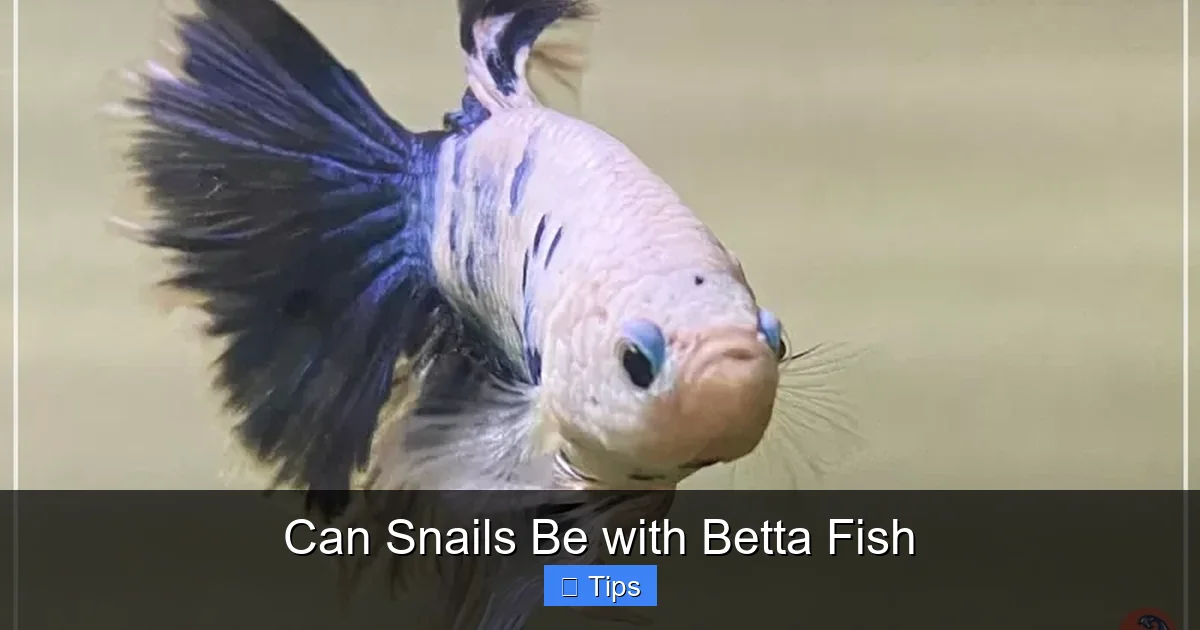
Visual guide about Can Snails Be with Betta Fish
Image source: aquariumnexus.com
Is Your Betta a Chill Dude or a Tank Tyrant?
Watch your betta when someone (or something) approaches the glass. Does it flare its gills, puff up its body, and dart aggressively? This is a sign of high territoriality. A betta like this might see a slow-moving snail as an intruder to be harassed. On the other hand, if your betta mostly ignores activity outside the tank, or is curious but not aggressive, it’s a much better candidate for a snail roommate.
Practical Tip: Perform a simple “mirror test.” Hold a small mirror up to the side of the tank. A very aggressive betta will flare intensely and try to attack its reflection for a long time. A more laid-back betta might flare once out of surprise and then lose interest. The latter is a better prospect.
Also, consider your betta’s history. Was it previously housed with other fish without incident? A betta that has lived peacefully in a community tank before is a safer bet than one that has always been isolated and highly reactive.
The Space Factor: Tank Size is Everything
This cannot be stressed enough. The classic “betta in a vase” or tiny bowl is a death sentence for any tank mate, snail included. A stressed betta in cramped quarters is an aggressive betta. For a betta and snail to thrive together, you need space. The absolute minimum is a 5-gallon (19-liter) tank, but a 10-gallon (38-liter) or larger is significantly better. More space means:
- Territory: Your betta can establish a home base without feeling the entire tank is under threat.
- Escape Routes: The snail needs places to hide and graze out of the betta’s direct line of sight.
- Water Stability: Larger volumes of water are more resistant to harmful spikes in ammonia or nitrites, which both creatures are sensitive to.
Think of it like roommates. Would you be happier sharing a studio apartment or a two-bedroom house? The betta and snail need their own “rooms” within the shared space.
The Perfect Snail Candidates: Who Makes the Cut?
Not all snails are created equal in the world of betta cohabitation. Some are champions; others are risky. Here’s a breakdown of the top contenders and those to avoid.
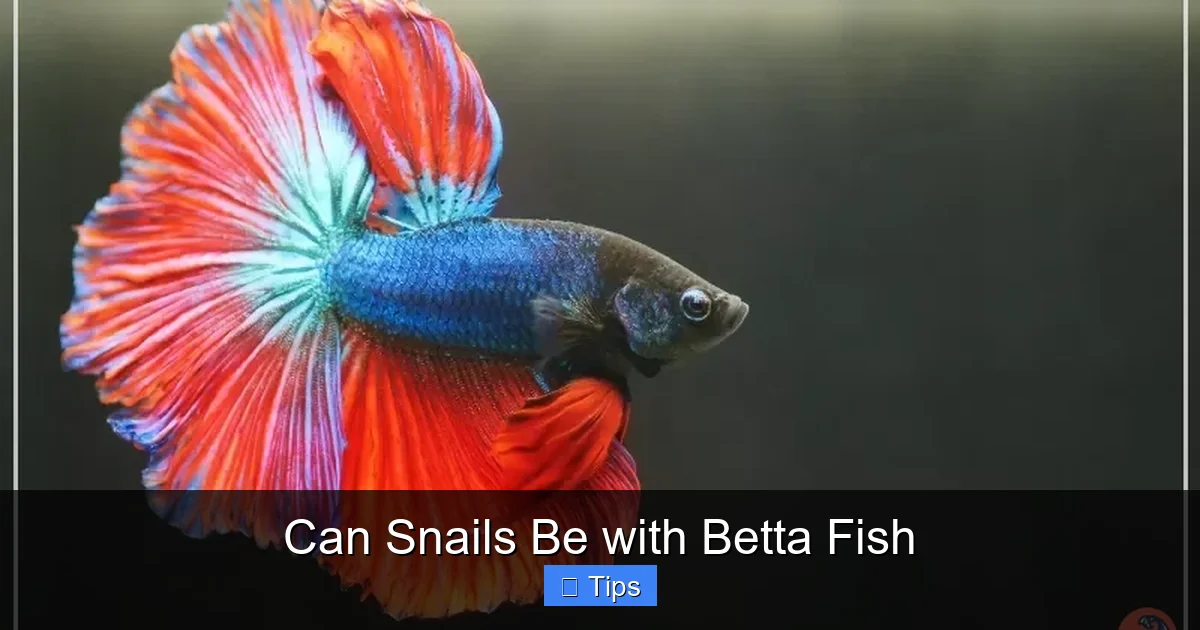
Visual guide about Can Snails Be with Betta Fish
Image source: aquariumnexus.com
Top Tier: The Safe and Stellar Choices
1. Nerite Snails: These are arguably the gold standard for betta tanks. They come in beautiful varieties (Zebra, Tiger, Olive) and are voracious algae eaters. They have a strong, often rounded shell that is difficult for a betta to damage. Crucially, Nerite snails require brackish (slightly salty) water to reproduce, so you will never have a population explosion in your freshwater betta tank. You get the cleanup crew benefits without the snailocalypse.
2. Mystery Snails (Apple Snails): These are the gentle giants of the freshwater snail world. They are large (often 2-3 inches), very peaceful, and have a thick, robust shell. They are excellent at cleaning algae off glass and decorations. Their downside? They are messy eaters and produce a lot of waste, requiring excellent filtration. They also live about a year. Like Nerites, they require a mate to breed and lay eggs above the waterline, which are easy to remove, preventing overpopulation.
3. Ramshorn Snails: These are smaller, with a distinctive coiled shell that looks like a ram’s horn. They are excellent scavengers, eating leftover food and decaying plant matter. They are generally too small to trigger a betta’s aggression and are often ignored. However, they *can* reproduce quickly in freshwater if you have both males and females. Starting with one or two is usually fine, but be prepared for their numbers to slowly increase.
Proceed with Caution: The Conditional Choices
1. Japanese Trapdoor Snails: These are live-bearing snails with a hard operculum (trapdoor) they can seal shut. They are very hardy and peaceful. Their main drawback is that they *can* reproduce in freshwater, though slowly. They are a good, hardy option but monitor the population.
2. Ivory Snails: A color morph of the Mystery Snail. They share all the pros (size, hard shell) and cons (messiness) of their cousins. They are a safe bet if you like the aesthetic.
The “No” List: Snails to Avoid with Bettas
1. Small, Soft-Shelled Snails: Snails like Bladder Snails or Pond Snails are tiny and have very thin, delicate shells. A curious or frustrated betta can easily crush them. They also reproduce astronomically fast (they are hermaphrodites—any two can breed), leading to a tank full of tiny snails that your betta might constantly harass.
2. Assassin Snails: Despite their cool name, they are predators that hunt and eat other snails. They are not a “cleanup crew” and are completely unsuitable for a betta tank.
3. Any Snail You’re Unfamiliar With: If you can’t identify it and don’t know its temperament, breeding habits, and size potential, don’t add it to your betta tank. Do your research first.
Crafting the Perfect Shared Habitat: Tank Setup & Maintenance
You’ve chosen a peaceful betta and a hardy snail like a Nerite. Now you need to build a home where both can feel secure. The tank setup is your blueprint for success.
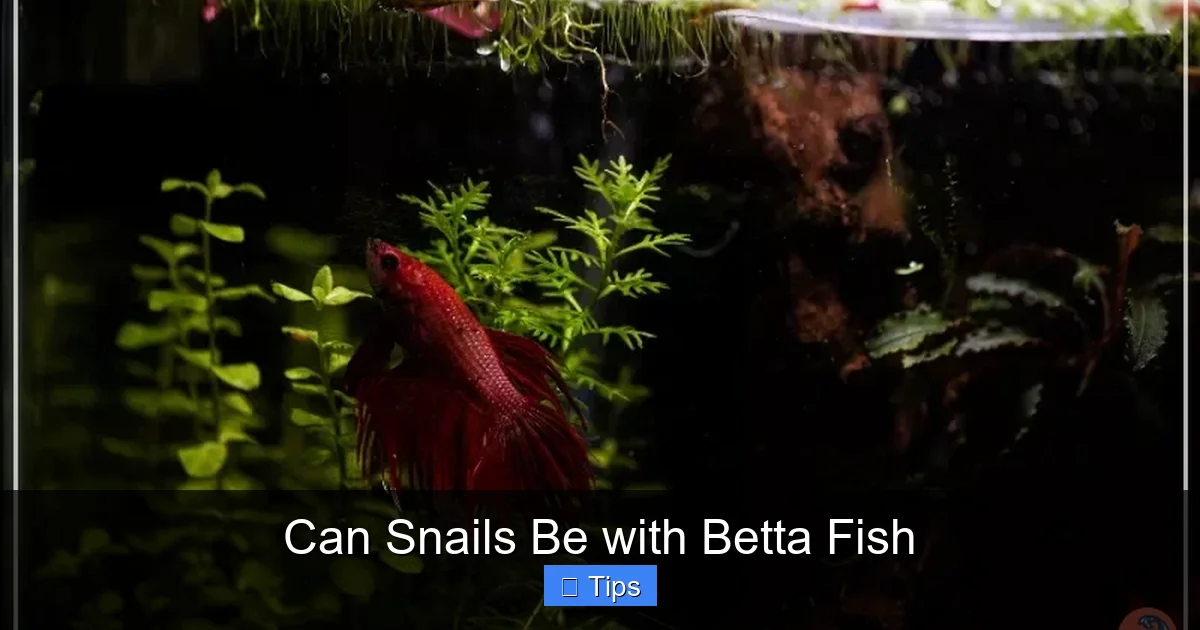
Visual guide about Can Snails Be with Betta Fish
Image source: aquariumnexus.com
The Essential Elements: Lid, Plants, and Hiding Spots
THE LID IS MANDATORY. Bettas are notorious jumpers. A snail, especially a curious Mystery Snail, can also climb out of an open tank. A secure, ventilated lid is the first rule. No exceptions.
Plants and Décor are Your Best Friends. Live plants are ideal. They provide oxygen, absorb nitrates, and create a complex, natural environment. Floating plants like Salvinia or Duckweed are perfect—they give your betta a sense of security at the surface and shade. Silk or live plants with broad leaves (like Anubias or Java Fern) are great for perching. For the snail, include smooth rocks, driftwood, and especially hardscape. Snails love to graze on the biofilm that grows on rock and wood. This gives them a food source and places to explore away from the betta’s favorite corner.
Create Visual Barriers. Use tall plants or decorations to break up the line of sight. This prevents your betta from seeing the snail as a constant, moving target in its territory all the time. A snail can hide behind a rock or plant, and the betta can’t fixate on it.
Filtration, Heating, and Water Quality
Gentle Filtration: Bettas hate strong currents. Use a sponge filter (the best choice for bettas and shrimp/snails) or a hang-on-back filter with a baffle to diffuse the flow. Snails are not strong swimmers and can be sucked into intakes. A sponge filter eliminates this risk entirely and is also a great place for beneficial bacteria.
Stable Warmth: Both bettas and most tropical snails need a consistent temperature between 76-82°F (24-28°C). Use a reliable aquarium heater and a thermometer. Temperature swings stress both animals and can lead to illness.
Cycled Water is Non-Negotiable. You cannot add a snail (or any living creature) to an uncycled tank. The nitrogen cycle must be complete, with zero ammonia and zero nitrites, and low nitrates. Snails are sensitive to ammonia and nitrite poisoning. Perform regular water changes (25% weekly) and test your water parameters with a liquid test kit.
The Introduction: A Slow and Steady Process
You’ve got the perfect tank. Now, how do you introduce the snail without causing World War III?
Acclimation is a Must
Never just dump the snail from its bag into your tank. The water parameters (temperature, pH, hardness) will be different. Use the drip acclimation method. Place the snail (still in its cup/bag from the store) in the tank and use airline tubing to slowly drip tank water into it over 1-2 hours. This gradually adjusts the snail to your water. After acclimation, gently net the snail and lower it into the tank, ideally near a piece of décor or plant so it can immediately find a foothold.
The Critical First 48 Hours
For the first two days, watch. Closely. Sit by the tank. Does your betta immediately flare at the snail? Does it chase it relentlessly? A little initial curiosity is normal—the betta will investigate this new, moving object. But if the betta is persistently nipping at the snail’s antennae or shell, or if the snail is constantly retracted and hiding in fear, you have a problem.
What to do if there’s aggression: Have a backup plan. A large, tall piece of décor or a breeding box/divider can be used to temporarily separate them, giving the snail a safe zone. Sometimes, a particularly feisty betta just needs to be re-homed with a species-only tank. The snail’s safety comes first.
Signs of a Peaceful Coexistence: The betta acknowledges the snail’s presence but largely ignores it after the first few hours. The snail is out grazing on algae, exploring the glass and plants, and retracting only when the betta gets too close (which is a normal snail defense). They go about their separate business. This is the goal.
Potential Problems and How to Solve Them
Even in the best setups, issues can arise. Being prepared is key.
“My Betta Nipped My Snail’s Antennae!”
This is the most common issue. Snail antennae are sensory organs and can be nipped. A small nick often heals, but severe damage can be fatal or leave the snail disoriented. If this happens:
- Re-evaluate the tank setup. Add more plants and hiding places immediately to break line of sight.
- Consider a larger snail. If you have a small Ramshorn and a nippy betta, a larger Mystery or Nerite might be too big to bother with.
- You may need to rehome one. If the betta is obsessively targeting the snail despite environmental enrichment, the snail is living in constant stress. For its welfare, it may need to move to a different tank.
“I Have a Snail Infestation!”
This usually happens if you accidentally introduced a small, prolific breeder like a bladder snail on a plant. The population can explode, feeding on excess food and algae. To control it:
- Manual Removal: Regularly pick them out. You can use a lettuce leaf or zucchini slice as a trap—place it in the tank overnight, and in the morning, remove it with all the snails clinging to it.
- Control Food: Ensure you are not overfeeding. Excess food is the primary fuel for snail population explosions.
- Introduce a Predator (Carefully): This is a last resort in a betta tank. A single Assassin Snail can help control pest snails, but it introduces another predator that your betta might not like. Do not add loaches or puffers—they will eat your betta’s fins.
Algae Isn’t Vanishing
Don’t expect your snail to be a magic eraser. Snails are supplemental cleanup. They will graze on algae, but they cannot handle a full-blown algal bloom caused by too much light or nutrients. Fix the root cause: reduce lighting duration, perform more frequent water changes, and check your fertilizer dosing if you have live plants. The snail is there to help maintain, not to solve your algae problem single-handedly.
The Rewards: Why a Snail is a Great Addition
When done correctly, adding a snail to your betta tank is one of the best decisions you can make. The benefits are substantial.
A Living Cleanup Crew
Snails are Nature’s little janitors. They will diligently scrape algae off the glass, plant leaves, and decorations. They will consume uneaten food pellets that sink to the bottom before they rot and foul the water. They will eat decaying plant matter. This creates a cleaner, healthier environment for your betta and reduces your weekly maintenance load.
Low-Maintenance Beauty and Interest
Watching a snail glide gracefully across the glass, leaving a tiny trail, is mesmerizing. Different species have beautiful shell patterns—the bold stripes of a Zebra Nerite, the deep blue of a Mystery Snail, the elegant coil of a Ramshorn. They add a different dimension of movement and life to the tank. They are completely peaceful, require no social interaction (they are happy alone), and their care needs perfectly overlap with a betta’s.
Educational Value
For newer aquarists, a snail is a fantastic lesson in the ecosystem of a closed tank. You can observe molting (if you have an Apple Snail), egg-laying, and grazing behavior. It’s a living lesson in invertebrate biology and a great conversation starter about the diversity of aquatic life.
Conclusion: A Match Made in Aquarium Heaven (With Conditions)
So, can snails be with betta fish? The evidence overwhelmingly says yes, but with the critical caveats we’ve explored. The journey begins with you, the aquarist. Know your betta. Provide a spacious, planted, and secure environment. Choose a snail species that is robust, appropriately sized, and suited to a freshwater community.
Think of it not as forcing two opposites together, but as creating a small, balanced ecosystem. The betta, a surface-dwelling predator (of tiny insects in the wild), rules the mid-to-upper water column. The snail, a bottom-dwelling grazer, works the hardscape and glass. They occupy different niches, minimizing competition and conflict. When you see your betta resting on a broad leaf, completely ignoring the Nerite snail methodically cleaning the glass below, you’ll know you’ve succeeded. You’ve built a more beautiful, more functional, and more fascinating aquatic world. Start with the right research, set up the perfect tank, and you can very likely enjoy the peaceful company of both a betta and a snail for years to come.
Frequently Asked Questions
Can a betta fish kill a snail?
Yes, a persistent and aggressive betta can stress a snail to death or physically damage its shell or antennae. This is why assessing your betta’s temperament and providing ample hiding spots is crucial before introducing a snail.
What is the absolute safest snail for a betta?
The Nerite Snail is widely considered the safest. Its hard, often rounded shell is difficult to damage, it doesn’t breed in freshwater, and its primary focus is algae, not interacting with fish.
Do snails help clean a betta tank?
Yes, but with limits. Snails are excellent at eating algae, decaying plant matter, and uneaten food, which helps maintain water quality. However, they are not a substitute for regular water changes, proper filtration, and not overfeeding your betta.
Will snails breed in my betta tank?
It depends on the species. Nerite Snails will not breed in freshwater. Mystery Snails can breed but require a mate and lay conspicuous egg clusters above the waterline that are easy to remove. Ramshorn, Bladder, and Pond Snails can and will reproduce rapidly in a freshwater tank if you have both sexes (or in the case of bladder/pond snails, any two individuals).
How do I know if my betta is bullying the snail?
Signs of bullying include the betta constantly chasing, nipping, or flaring at the snail. The snail will be retracted in its shell most of the time, appear stressed, and have little to no opportunity to graze normally. If this behavior is constant, not just initial curiosity, the pairing is not working.
What water parameters do bettas and snails need?
Both thrive in warm, stable, cycled water. Ideal temperature is 76-82°F (24-28°C). pH should be neutral to slightly alkaline, around 7.0-7.5. Ammonia and nitrite must be at 0 ppm. Snails are particularly sensitive to copper, so ensure any water conditioners or medications you use are safe for invertebrates.