Do Betta Fish Like To Be Alone Best Guide To Solo Care
Do betta fish like to be alone? Yes, most thrive as solo pets because they are naturally territorial and prefer calm environments. Keeping one betta in a well-planned tank reduces stress and prevents aggressive fights. You will learn how to set up a peaceful solo space, what enrichment they need, and when careful tank mates might work. This guide gives you clear, simple steps for happy single-fish care.
If you just brought home a beautiful betta, you might wonder about the best way to keep him happy. Many new owners ask the same question: do betta fish like to be alone? The short answer is usually yes. These fish are famous for their bright colors and big personalities, but they are also known for being territorial. That means they often do best when they have their own space. In this guide, we will walk through why solo living works so well, how to build a comfortable single-fish setup, and what to watch for if you ever consider adding companions.
You do not need a huge community tank to give your betta a great life. In fact, a calm solo setup can be easier to manage and much less stressful for the fish. We will cover tank size, water flow, heating, enrichment, and simple daily care. You will also learn the signs of a content betta and the red flags that mean something needs to change. By the end, you will feel confident creating a safe, lively home for your solo swimmer.
Key Takeaways
- Solo living matches their nature: Betta fish are territorial and usually prefer to live alone without rivals in the same tank.
- Space matters more than company: A properly sized, filtered, and heated tank keeps a single betta healthy and active.
- Enrichment prevents boredom: Plants, gentle flow, and varied feeding keep a lone betta engaged and curious.
- Tank mates are optional and risky: If you add companions, choose calm, small species and monitor behavior closely.
- Water quality is the real key: Clean, warm, stable water matters far more than having another fish nearby.
- Know the warning signs: Hiding, fading color, or constant flaring can signal stress, not just personality.
- Solo care is simple and rewarding: One well-cared-for betta can live a full, colorful life with routine maintenance and attention.
📑 Table of Contents
Do Betta Fish Like To Be Alone And Why It Matters
This is one of the most common questions new fish keepers ask, and it makes sense. We often assume that pets need friends, but bettas are a little different. They are labyrinth fish, which means they can breathe air from the surface. They also have a strong territorial instinct. In the wild, males claim small areas and defend them from rivals. That natural behavior is why you often see flaring, chasing, and fin spreading when two males meet.
When people ask do betta fish like to be alone, they are usually trying to do the right thing. The good news is that a single betta can live a full and active life without other fish around. Solitude does not mean loneliness in the human sense. What matters most is that the fish has enough space, clean water, and things to do. A well-kept solo tank can be a very happy place.
There are a few important reasons solo care is such a strong choice for many homes. First, it removes the risk of fighting. Second, it makes water care simpler because you only manage one fish’s needs. Third, it lets you watch your betta’s unique personality without constant tension in the tank. If you want a peaceful aquarium that is easy to maintain, solo living is a smart starting point.
Understanding Their Natural Instincts
Bettas come from shallow, slow-moving waters in Southeast Asia. These habitats can be crowded with plants and hiding spots, but they do not usually feature large groups of the same species living together peacefully. Males, in particular, defend their territory. That is why pairing two males in a small tank often leads to trouble. Even in bigger spaces, tension can remain high.
Females can sometimes live in groups, called sororities, but that setup takes experience, space, and careful monitoring. For most beginners, a single betta is the safest and simplest route. You do not need to worry about complex social dynamics. Instead, you can focus on water quality, temperature, and enrichment.
What “Alone” Really Means for a Betta
Living alone does not mean living in a bare, boring bowl. A betta can enjoy a rich environment with plants, gentle currents, and interesting feeding routines. The goal is to give your fish a secure territory that feels like home. When the tank is calm and stable, a single betta often shows off more color, swims more confidently, and interacts more with you.
If you are curious about related care questions, you may also want to read Do Betta Fish Like A Lot Of Space for more on how roomy a setup should feel.
Quick Tips for Solo Success
- Start with one betta and give the tank time to settle before adding anything new.
- Watch for relaxed fins, steady swimming, and regular feeding as signs of comfort.
- Keep the tank away from loud vibrations, constant tapping, and sudden light changes.
- Offer a simple routine so your betta learns when to expect food and interaction.
The Truth About Betta Social Behavior
Betta behavior can seem confusing at first. One moment your fish may flare at a reflection, and the next moment he may drift lazily near a plant. That mix of boldness and calm is very normal. Bettas are not constantly aggressive, but they are quick to defend what they see as theirs. This is why the question do betta fish like to be alone comes up so often. The answer depends on what kind of company you mean.
A betta usually does not need another fish for companionship. He may actually prefer a quiet space where he can control his environment. Some bettas tolerate peaceful tank mates, while others do not. That variation is part of the fun and the challenge. You have to read your individual fish and respond to his comfort level.
Male Versus Female Dynamics
Male bettas are the ones most people recognize for their vivid colors and long fins. They are also the most territorial. Putting two males together is a bad idea in almost every case. Even males shown through a divider can stay stressed if they see each other all day. Female bettas can sometimes live together, but only with enough space, cover, and close observation. Even then, it is not a guarantee.
For most home aquariums, one fish is the safest choice. That does not mean your betta will feel sad. It means you are giving him a setup that matches his instincts. A secure solo tank often leads to less stress and fewer injuries.
Signs Your Betta Is Comfortable Alone
A relaxed betta usually moves with ease and takes food readily. His fins may flow naturally instead of being clamped tight. He may explore different parts of the tank during the day and rest in a favorite spot at night. Some bettas even learn to recognize their owners and swim forward at feeding time. These are all good signs that solo life suits him.
If you want to understand more about how bettas interact with people, you can check Do Betta Fish Know Their Owner for helpful context on recognition and daily bonding.
Common Mistakes With Solo Tanks
- Using a tank that is too small for stable water and comfortable movement.
- Adding sharp decorations that can tear delicate fins.
- Relying on a tiny unfiltered bowl that makes water quality hard to manage.
- Ignoring temperature swings, which can weaken a betta’s immune system.
- Overfeeding, which clouds the water and creates unnecessary waste.
Do Betta Fish Like To Be Alone In A Community Tank
Some owners want a busier aquarium with several species swimming together. That can work in certain situations, but it is not required for a happy betta. If you are asking do betta fish like to be alone in a community tank, the honest answer is that many prefer not to share at all. Others may tolerate select companions if the setup is carefully planned. The key word is carefully.
A community tank adds complexity. You have to think about water needs, size, temperament, and hiding places. You also have to be ready to separate fish if chasing starts. If your main goal is a calm, low-stress home, a solo tank is often the better path. If you still want to try tank mates, choose gentle species that stay out of the betta’s way.
When Tank Mates Can Work
Peaceful bottom dwellers or fast, small fish that stay near the top can sometimes share a tank with a betta. The best candidates are not flashy, not aggressive, and not likely to nip fins. Even then, the betta’s personality matters most. Some bettas ignore everyone. Others treat every newcomer like a rival. There is no universal rule, so observation is essential.
If you are thinking about adding companions, it helps to read Do Betta Fish Keep Eachother for a closer look at how they behave around other fish. You may also find Do Betta Fish Kill And Eat Other Fish useful if you are worried about safety in mixed tanks.
When To Avoid Tank Mates
- Your betta already flares constantly at his own reflection.
- The tank is modest in size and cannot offer multiple territories.
- You are a beginner and still learning water care basics.
- The proposed tank mates are fin-nippers or overly bold.
- You cannot separate fish quickly if aggression starts.
Quick Tips For Mixed Tanks
If you decide to try a community setup, introduce only one or two calm companions at first. Add plants and visual barriers so fish can break line of sight. Feed in different spots so competition stays low. Watch the tank for several days before deciding whether the arrangement is working. Patience pays off.
How To Set Up A Happy Solo Betta Tank
A great solo tank is not just a container with water. It is a balanced little ecosystem that supports your betta’s health and comfort. The good news is that you do not need the most expensive gear to succeed. You do need the right basics: enough space, stable warmth, clean water, and a few thoughtful decorations. When those pieces are in place, your betta can thrive on his own.
Start with the tank itself. A larger water volume is usually easier to keep stable than a tiny bowl. More water helps buffer temperature changes and dilutes waste. A secure lid matters too, because bettas can jump. Once the tank is in place, focus on filtration and heating. Gentle filtration keeps water moving without creating a strong current that tires your fish. A steady temperature in the right warm range supports digestion, immunity, and overall activity.
Best Tank Conditions For One Betta
A comfortable solo setup usually includes the following:
- A tank that gives your betta room to swim and turn easily.
- A heater that keeps the water consistently warm.
- A filter with adjustable flow or a baffle to soften current.
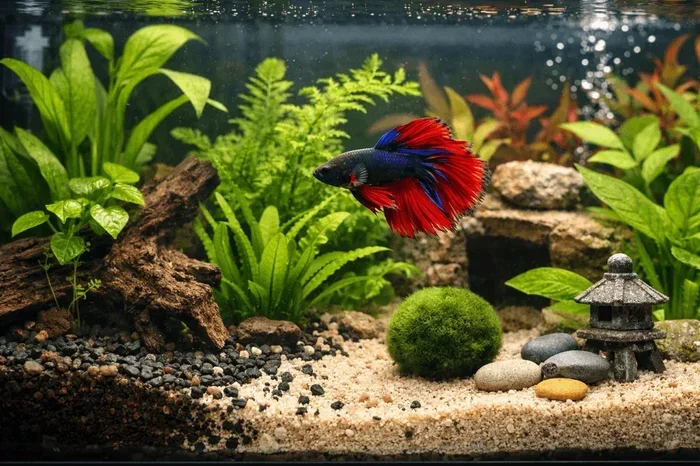
- Smooth decorations and live or silk plants for cover.
- A lid or hood to reduce evaporation and prevent jumping.
- A simple maintenance routine for water changes and filter care.
If you want a deeper dive on filtration, you can read Do Betta Fish Have To Be In A Filtered Tank. For airflow and surface movement, Do Betta Fish Like Air Pump Circulation is also worth a look.
Enrichment For A Solo Fish
A lone betta still needs mental stimulation. Enrichment can be simple. Try rotating a safe decoration occasionally, adding a new plant position, or using a varied feeding routine. Some owners use lightweight training activities to encourage interaction. If that sounds interesting, see Can You Train A Betta Fish To Do Tricks for ideas on gentle engagement.
You can also offer different foods on different days, as long as the diet stays balanced. Variety keeps mealtimes interesting and helps you notice appetite changes early. A betta that looks forward to feeding is usually a betta that feels secure.
Lighting And Daily Rhythm
Bettas appreciate a predictable day and night cycle. Too much light can feel stressful, while too little can make the tank feel empty. Aim for a steady schedule that mimics a natural rhythm. If you wonder whether your light setup is too intense, Can A Light Be To Bright For A Betta Fish offers helpful guidance.
Water Quality And Care For A Single Betta
Water quality is the foundation of solo care. A single betta in clean, stable water can look vibrant and act lively. Poor water, on the other hand, can cause stress even in a quiet tank. That is why maintenance matters so much. You do not need complicated routines, but you do need consistency.
Regular water changes help remove waste and keep conditions steady. A filter supports clarity, but it does not replace water changes. You also want to match new water to the tank’s temperature and treat tap water appropriately before adding it. Small, steady care beats big, irregular fixes every time.
Why Clean Water Matters More Than Company
Many owners worry about whether their fish is lonely, but water quality usually has a bigger impact on health. A stressed betta may clamp his fins, hide more often, or lose color. Sometimes those signs have nothing to do with being alone and everything to do with ammonia, temperature swings, or dirty water. Before changing the tank setup, check the basics first.
If you are unsure how often to refresh the tank, Do Betta Fish Have To Have Water Changes explains why routine maintenance matters. For water type and treatment questions, Do Betta Fish Have To Have Special Water can help you choose safely.
Simple Maintenance Checklist
- Test water regularly so you know what is changing between cleanings.
- Do partial water changes on a steady schedule instead of waiting for problems.
- Rinse filter media in old tank water, not tap water, to protect beneficial bacteria.
- Vacuum the substrate gently to remove leftover food and debris.
- Keep a thermometer in the tank and check it often.
Expert Insights On Solo Care
Experienced keepers often say the best betta tanks are the ones that stay boring in a good way. Stable temperature, clear water, and a calm environment usually beat fancy setups with too much activity. Another common tip is to observe your fish every day. Small changes are easier to catch early. If your betta eats well, swims naturally, and rests comfortably, you are likely doing the right things.
Signs Your Betta Is Happy Or Stressed
Reading your betta is part of the joy of keeping one. These fish can be expressive. They may flare, hide, explore, or hover in favorite spots. The trick is to notice patterns rather than one-off moments. A single flare at a shadow is normal. Constant pacing or hiding can mean something needs attention.
A happy solo betta usually shows a mix of confidence and relaxation. He may claim a favorite plant or corner, but he should also move around the tank during the day. Feeding response is another useful clue. A fish that swims up for food and finishes meals comfortably is usually in decent shape.
Happy Betta Behavior
- Steady swimming without constant fear or freezing.
- Fins that are carried naturally rather than pressed tight.
- Regular interest in food and easy feeding.
- Occasional exploration of different tank areas.
- Calm resting positions near plants or decor.
Stress Signals To Watch For
Stress can show up in subtle ways. You might see faded color, clamped fins, frequent hiding, or heavy breathing at the surface. Sometimes a betta lies on the bottom more than usual. That does not always mean something is wrong, but it does deserve a closer look. If you are unsure whether resting behavior is normal, Do Betta Fish Lay On Rocks and Do Betta Fish Lay On Their Sides can help you interpret what you see.
What To Do If Your Betta Seems Off
Start with the basics. Check the temperature, look for waste buildup, and review your feeding routine. Make sure the filter is running and the water is not cloudy or foul-smelling. If your betta is alone, the problem is often environmental rather than social. Fix the simple things first, then watch for improvement over a few days.
Common Questions About Solo Betta Care
Many owners still have practical questions after they decide to keep one betta. That is completely normal. Solo care is simple in concept, but the details matter. The FAQs below cover some of the most useful points so you can feel more confident in your setup.
Do Betta Fish Get Lonely When Kept Alone?
They do not experience loneliness the same way people do. A single betta usually feels secure when his tank is stable, warm, and enriched. If he is active and eating well, solitude is not a problem.
Is A Larger Tank Better For One Betta?
Yes, a larger tank usually makes water steadier and gives your fish more room to move. It also gives you more options for plants and hiding spots without crowding the setup.
Can A Solo Betta Live In A Bowl?
A bowl can be risky because small water volumes change temperature and quality quickly. A filtered, heated tank is usually a safer and easier choice for long-term care.
Should I Add A Snail Or Shrimp For Company?
Sometimes, but only if your betta is calm and the tank has enough cover. Some bettas ignore invertebrates, while others may harass them. Watch closely before assuming everyone will coexist.
How Do I Know If My Betta Is Stressed?
Look for clamped fins, hiding, fading color, reduced appetite, or unusual resting behavior. If those signs appear, check water quality and temperature before making big changes.
What Is The Best Way To Keep A Solo Betta Engaged?
Use plants, gentle flow, a consistent light cycle, and varied feeding. Small changes to the environment and routine can keep a lone betta curious and active.