Do Betta Fish Need a Big Tank for a Happy Life

Do betta fish need a big tank? The short answer is yes, but not for the reasons you might think. While these beautiful fish can survive in small containers, they truly thrive in larger, well-maintained environments. A bigger tank offers stable water conditions, more swimming space, and room for enrichment. Choosing the right size setup directly impacts your betta’s health, behavior, and overall lifespan.
Welcome to the world of betta fish care. These stunning creatures capture hearts with their brilliant colors and flowing fins. Yet many new owners wonder about the right home for them. Do betta fish need a big tank? This question comes up constantly in pet shops and online forums. The answer shapes everything from water quality to your fish’s daily happiness.
You might have seen tiny bowls sold as perfect homes. Those setups look cute on store shelves. But appearance does not equal good living conditions. Your betta deserves an environment that supports natural behaviors. A thoughtful setup keeps water clean, temperature steady, and stress low. Let’s explore what size really means for these amazing fish.
Key Takeaways
- Bigger is better for stability: Larger water volumes maintain consistent temperature and chemistry, reducing stress on your fish.
- Five gallons is the sweet spot: A 5-gallon tank provides enough space without overwhelming maintenance for most beginners.
- Tank shape matters more than volume: Long, horizontal tanks give bettas more surface area to breathe and swim comfortably.
- Proper filtration keeps water clean: Gentle filters prevent toxic buildup while respecting your betta’s calm swimming style.
- Heating is non-negotiable: Warm water around 78-80F supports healthy metabolism and vibrant colors.
- Enrichment improves quality of life: Plants, hiding spots, and open swimming zones keep your betta active and engaged.
- Avoid overcrowding and sharp decor: Solitary fish need space, and rough ornaments can damage their delicate fins.
📑 Table of Contents
- Do Betta Fish Need a Big Tank for Better Water Quality?
- What Size Tank Do Betta Fish Actually Need?
- Do Betta Fish Need a Big Tank with Filtration and Heating?
- Do Betta Fish Need a Big Tank for Enrichment and Behavior?
- Common Mistakes When Choosing a Betta Tank
- Quick Tips for a Happy Betta Setup
- Comparison: Small Bowl vs. Proper Tank Setup
- Final Thoughts on Tank Size and Betta Happiness
Do Betta Fish Need a Big Tank for Better Water Quality?
Water quality stands as the most important factor in fish health. Small containers struggle to maintain stable conditions. Waste builds up quickly in limited water. Ammonia spikes happen faster when volume is low. These toxins harm your betta’s gills and overall wellness.
A larger tank dilutes waste more effectively. Beneficial bacteria have more surface area to colonize. These helpful microbes break down harmful compounds naturally. The result is a safer, more balanced ecosystem. Your fish experiences fewer health scares and less stress.
Think of it like living in a small room versus a spacious apartment. Both can work, but one offers much more comfort. A bigger water volume gives you a buffer against mistakes. You have more time to catch issues before they become serious. This stability matters greatly for long-term care.
Why Small Bowls Often Fail
Tiny bowls create several hidden problems. Temperature fluctuates rapidly without much water to hold heat. Light exposure changes oxygen levels throughout the day. Cleaning becomes frequent and disruptive. Your betta faces constant environmental shifts that wear down its immune system.
Many people believe bettas thrive in still water. This myth comes from their ability to breathe air. They do use a special organ called the labyrinth. But breathing air does not mean they prefer dirty water. Clean, oxygenated water still supports better health and brighter colors.
Signs Your Tank Size Is Too Small
Watch for these warning signals. Your betta may linger near the surface more than usual. Fins might appear clamped or frayed. Color intensity could fade over time. Appetite changes often appear before visible illness. These signs suggest the environment needs improvement.
Upgrading to a more suitable setup usually reverses these issues. You will notice more active swimming patterns. Fins often regain their full spread. Feeding response improves within days. A better home rewards both you and your fish.
What Size Tank Do Betta Fish Actually Need?
The minimum recommendation for most bettas is five gallons. This size offers a practical balance for beginners. It holds enough water for stability while remaining manageable. You can maintain it without feeling overwhelmed. Many hobbyists consider this the true starting point.
Ten-gallon tanks provide even more comfort. They allow extra swimming space and room for gentle decorations. Maintenance stays straightforward with proper filtration. Some owners prefer this size for long-term planning. It gives your betta room to grow into its full personality.
Bigger tanks are not always necessary. A very large setup can feel daunting for new owners. Water changes take more effort. Equipment costs rise with volume. The goal is finding a size that fits your routine and your fish’s needs.
Tank Shape and Swimming Space
Shape influences how your betta uses the space. Horizontal tanks offer more surface area for breathing. Bettas frequently visit the top to gulp air. A wide surface supports this natural behavior comfortably. Long tanks also provide better swimming paths.
Tall tanks can work with careful planning. Ensure the water column is not too deep for easy access. Place decorations at different levels to create interest. Your betta will explore vertical space when given safe options. Just keep the overall footprint reasonable for your room.
Quick Tip
Choose a tank that measures at least 12 inches across the front. This width gives your betta horizontal room to glide and turn comfortably.
Do Betta Fish Need a Big Tank with Filtration and Heating?
Size alone does not guarantee a healthy environment. Equipment plays a huge role in daily care. Gentle filtration keeps water clear without creating strong currents. Bettas prefer calm movement over rushing water. A sponge filter or low-flow hang-on-back unit works well.
Heating is equally essential. These fish come from warm tropical waters. Room temperature often falls below their ideal range. A steady 78 to 80 degrees supports proper digestion and immune function. Cooler water slows metabolism and increases disease risk.
Many beginners ask do betta fish need a big tank with all this gear. The answer connects size and equipment together. A larger volume holds heat more reliably. Filters perform better in more water. The combination creates a stable home that rewards consistent care.
Choosing the Right Filter
Select a filter rated for your tank size. Avoid units that push water aggressively. Bettas dislike fighting strong currents with their long fins. Adjust flow direction toward the glass when possible. This simple change reduces stress significantly.
Maintaining Stable Temperature
Use a reliable heater with a built-in thermostat. Place it near a gentle water flow for even distribution. Check the temperature daily during the first week. A separate thermometer confirms the heater’s reading accurately. Consistent warmth keeps your betta active and healthy.
Do Betta Fish Need a Big Tank for Enrichment and Behavior?
Behavior tells you a lot about comfort. Bettas explore their surroundings when they feel secure. They investigate plants, rest on leaves, and patrol their territory. A bare tank offers little stimulation. Enrichment encourages natural curiosity and reduces boredom.
A larger setup allows more enrichment options. You can add live or silk plants for resting spots. Smooth caves provide secure hiding places. Open areas give room for graceful swimming. These features work together to create a lively habitat.
You may wonder do betta fish get bored in a tank when the environment stays too plain. Yes, they can lose interest in a sterile setup. Adding variety keeps their minds active. Rotate decorations occasionally to refresh the scenery. Your fish will show more engagement as a result.
Safe Decor Choices
Avoid sharp plastic ornaments that tear delicate fins. Choose soft materials and rounded edges. Live plants like java fern and anubias thrive without strong light. Silk plants offer texture without risk. Test every item by running your fingers over it first.
Creating Resting Zones
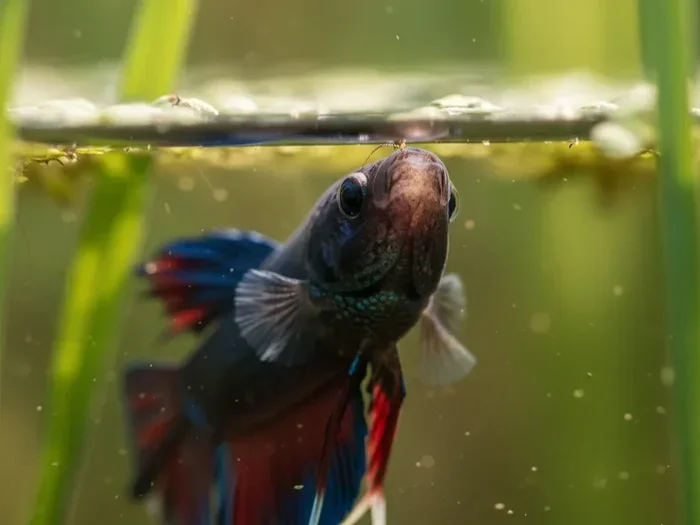
Bettas enjoy perching near the top. Broad leaves serve as perfect resting spots. Position them just below the surface for easy access. Your fish will use these areas between swims. Resting zones also reduce constant movement and conserve energy.
Common Mistakes When Choosing a Betta Tank
New owners often make predictable errors. Avoiding these pitfalls saves time and protects your fish. Let’s review the most frequent missteps and how to fix them.
Mistake 1: Relying on Marketing Claims
Product packaging sometimes suggests tiny bowls are ideal. These claims ignore basic water chemistry. Marketing focuses on appearance rather than welfare. Trust expert guidance over flashy labels. Your betta benefits from a thoughtful, evidence-based choice.
Mistake 2: Skipping the Nitrogen Cycle
Adding fish before cycling the tank causes dangerous ammonia buildup. Beneficial bacteria need time to establish. Run your filter and add a ammonia source before introducing your betta. Test water regularly during this process. Patience here prevents serious health issues later.
Mistake 3: Overcrowding the Setup
Some hobbyists add tank mates too quickly. Bettas are solitary by nature and prefer calm surroundings. Can betta fish live together in a big tank? Generally, males should live alone. Females may form groups under careful conditions, but monitoring is essential. Start simple and observe behavior before adding anything else.
Mistake 4: Ignoring Water Source Quality
Tap water often contains chlorine or chloramines. These chemicals harm fish and beneficial bacteria. Treat water with a proper dechlorinator before use. You can also learn can you use tap water in a betta fish tank safely when treated correctly. Consistent water prep keeps your setup stable.
Expert Insight
Many experienced keepers recommend starting with a 5-gallon tank, a gentle filter, and a reliable heater. This trio creates a forgiving environment that supports healthy betta care without overwhelming beginners.
Quick Tips for a Happy Betta Setup
Use these practical pointers as you build your tank. Each tip supports water quality, comfort, and long-term success.
- Start with five gallons minimum for stable water and easier maintenance.
- Add a gentle filter that does not create strong surface turbulence.
- Install a heater to maintain 78-80F consistently.
- Use smooth decor and live or silk plants for safe enrichment.
- Cycle the tank before adding your betta to establish beneficial bacteria.
- Test water weekly for ammonia, nitrite, nitrate, and pH.
- Perform regular partial water changes to keep conditions fresh.
- Observe daily for fin condition, appetite, and swimming patterns.
Comparison: Small Bowl vs. Proper Tank Setup
Understanding the differences helps you make a confident choice. The table below highlights key factors between common setups.
| Feature | Tiny Bowl | 5-Gallon Tank | 10-Gallon Tank |
|---|---|---|---|
| Water Stability | Low; temperature and chemistry shift quickly | Good; moderate buffer against changes | Excellent; strong buffer and easier maintenance |
| Filtration Options | Limited; often none or very weak | Wide; sponge, hang-on-back, or internal filters | Many; larger filters with adjustable flow |
| Heating Reliability | Poor; heat escapes rapidly | Good; heater maintains steady warmth | Excellent; stable temperature with less fluctuation |
| Enrichment Space | Very limited; few safe decor options | Adequate; plants, caves, and open swimming areas | Spacious; room for varied layout and exploration |
| Maintenance Effort | Frequent; small volume needs constant attention | Moderate; manageable water changes and filter care | Moderate; larger changes but less frequent stress |
| Overall Betta Health | Often compromised; higher stress and disease risk | Much better; supports natural behavior and wellness | Best for many keepers; long-term stability and comfort |
This comparison shows why thoughtful sizing matters. A proper tank gives your betta the support it needs. You also gain a more enjoyable care routine. The upfront effort pays off in healthier fish and fewer emergencies.
Final Thoughts on Tank Size and Betta Happiness
So, do betta fish need a big tank? They need a tank that supports stable water, gentle flow, warm temperatures, and enriching space. Five gallons often marks the true minimum for these goals. Ten gallons offers extra comfort if your routine allows it. The best choice matches your fish’s needs and your ability to maintain the setup.
Focus on consistency rather than sheer size alone. A well-cycled, heated, and filtered environment beats a large but neglected one. Add safe plants and smooth decor to encourage natural behavior. Watch your betta’s fins, appetite, and activity as you adjust the habitat. These signs guide you toward the right balance.
Your betta will reward careful planning with vibrant color and confident movement. A thoughtful home creates a peaceful scene you can enjoy every day. Start with a solid foundation, keep maintenance steady, and give your fish the space it deserves.
Frequently Asked Questions
Do betta fish need a big tank to survive?
Bettas can survive in small containers for a while, but they truly thrive in larger, stable setups. A five-gallon tank or bigger supports better water quality, temperature consistency, and overall health.
What is the best tank size for a beginner with a betta?
A five-gallon tank is the best starting point for most beginners. It offers enough water volume for stability while remaining easy to maintain with a gentle filter and heater.
Can a tank be too big for a betta fish?
A tank is rarely too big if it is properly filtered and heated. Very large tanks can feel daunting for new owners, but bettas adapt well when the environment is stable and enriched.
Do betta fish like a lot of space to swim?
Yes, they appreciate horizontal swimming room and calm open areas. A longer tank shape gives them more surface area to breathe and glide comfortably between resting spots.
Do I need a heater if I get a bigger tank?
Yes, a heater remains essential regardless of tank size. Bettas need warm water around 78-80F for proper metabolism, digestion, and immune health.
Can I add plants and decorations in a larger betta tank?
Absolutely, and a bigger tank gives you more room for safe enrichment. Use smooth ornaments and live or silk plants to create hiding spots and resting zones without risking fin damage.