How Do Betta Fish Sleep
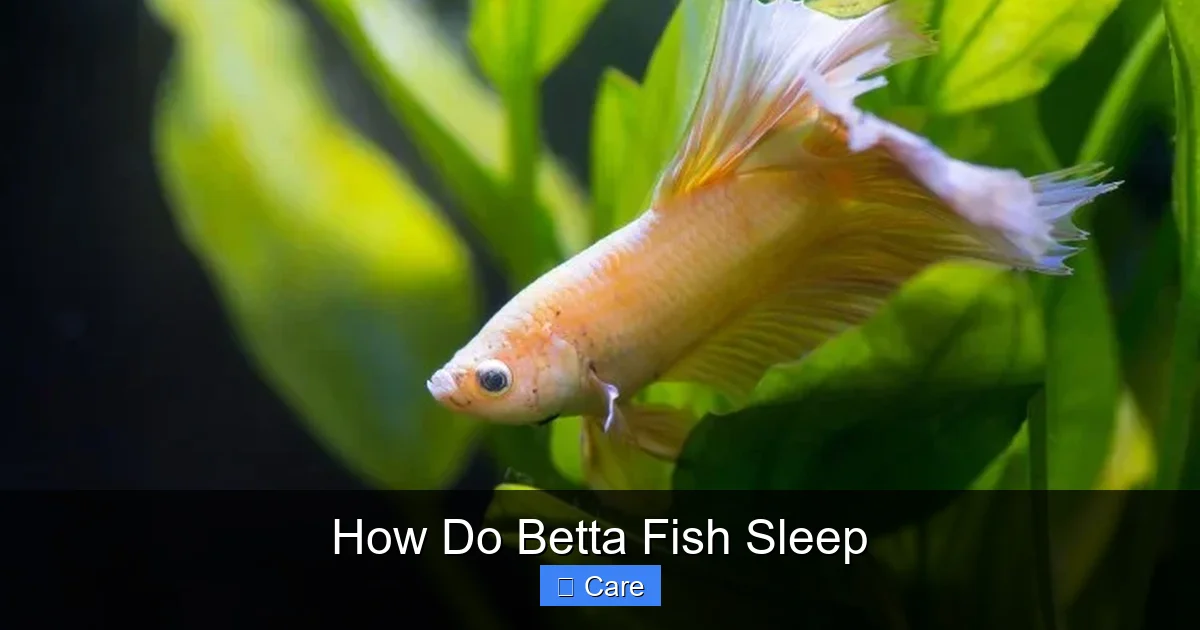
Betta fish don’t sleep like humans. Lacking eyelids, they enter a state of rest that looks like lethargy or even death. They sleep in bizarre positions—upside down, wedged in plants, or floating mid-water—and are highly sensitive to light. Understanding their unusual sleep patterns is crucial for providing proper care, reducing stress, and monitoring their health.
Key Takeaways
- Betta fish do not have eyelids and therefore cannot close their eyes. Their “sleep” is a period of reduced activity and metabolism, not a deep, unconscious state like mammals.
- They sleep in a wide variety of bizarre positions, including floating motionless at the water’s surface, resting on the bottom, upside down, or wedged between decorations. These are all normal behaviors.
- Light cycles are critically important. Bettas need a consistent day/night cycle of 8-12 hours of darkness to rest properly. Constant light causes chronic stress and weakens their immune system.
- Their resting state is a key health indicator. A healthy betta will occasionally rest. Prolonged, motionless lethargy (especially at the bottom) is often a sign of illness, poor water quality, or temperature issues.
- They are light-sensitive predators. Sudden bright lights or a lack of hiding places will prevent them from feeling secure enough to rest. Dense foliage and subdued lighting are essential for their well-being.
- Temperature directly impacts their rest. As tropical fish, they become sluggish and sleep more if the water is too cold (below 76°F/24°C), and stressed if too hot (above 82°F/28°C).
📑 Table of Contents
- The Great Betta Sleep Mystery: Debunking the “They Don’t Sleep” Myth
- The Biology Behind the Rest: Why Bettas Sleep Differently
- Sleep Positions: The Bizarre and Normal Behaviors of a Resting Betta
- Creating the Perfect Sleep Sanctuary: Environmental Needs
- Sleep and Health: What Your Betta’s Rest (or Lack Thereof) Is Telling You
- Practical Owner’s Guide: Supporting Your Betta’s Sleep Cycle
- Conclusion: Sleep Is a Window into Their World
The Great Betta Sleep Mystery: Debunking the “They Don’t Sleep” Myth
If you’ve ever stared at your betta fish and wondered, “Does this beautiful, vibrant creature ever actually sleep?” you’re not alone. The common refrain in many casual fish-keeping circles is that bettas don’t sleep. This is a fascinating and persistent myth, but it’s only half true. The reality is far more interesting and crucial for proper care. Betta fish absolutely do sleep, but their sleep is nothing like ours. They don’t curl up, close their eyes, or enter a state of unconsciousness. Instead, they experience periods of rest where their metabolism slows, they become still, and they regain their energy. Understanding how they sleep—the when, where, and why—is one of the most important keys to being a successful and compassionate betta keeper. It’s the secret language of their health and happiness.
The confusion stems from their alien-like physiology. Bettas, like all fish, lack eyelids. They cannot blink, and they cannot close their eyes. To us, a motionless betta with eyes wide open can look eerily like a statue, or worse, a deceased fish. This, combined with their ability to sleep in positions that defy our terrestrial logic—upside down, wedged in a corner, floating at the surface—has cemented the myth. But watch closely over a 24-hour period, and you will see patterns emerge. Your betta will have active, exploratory periods and quiet, still periods. That stillness is their sleep. Recognizing it as such, and not as a problem, is the first step.
The Biology Behind the Rest: Why Bettas Sleep Differently
The No-Eyelid Reality
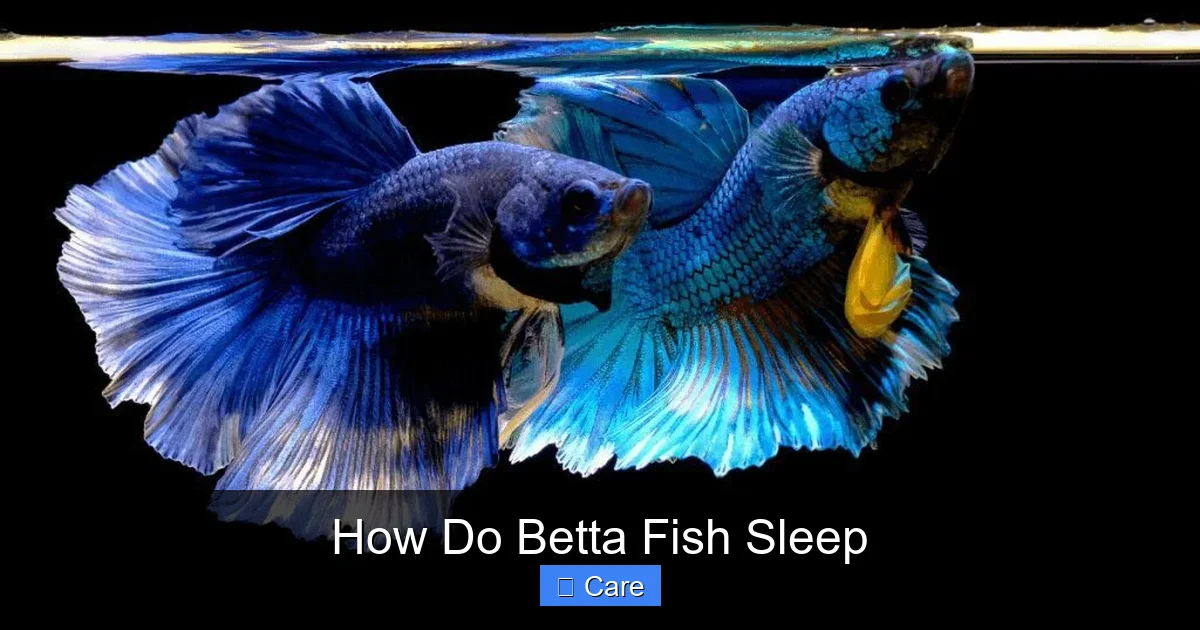
Let’s start with the most obvious difference: no eyelids. This isn’t a defect; it’s an evolutionary adaptation. In the wild, a betta’s survival depends on constant vigilance. They are surface-dwelling predators in the shallow, slow-moving waters of Thailand’s rice paddies and streams. Their large, upward-facing eyes are always scanning for insect prey and potential threats. The ability to sleep with eyes “open” means they can remain semi-aware of their surroundings, ready to dart away at the first sign of danger. For a prey animal, a few seconds of vulnerability can mean the difference between life and death. Their brain enters a state of rest, but their sensory systems maintain a low-level alertness. This is why you might see your betta slightly twitch or shift even during what appears to be deep rest.
Visual guide about How Do Betta Fish Sleep
Image source: wellnessvoice.com
The Labyrinth Organ: Breathing Without Effort
Another critical piece of the sleep puzzle is the betta’s labyrinth organ. This is a specialized structure that allows them to breathe atmospheric air directly from the surface. It’s a survival tool for oxygen-poor water. How does this affect sleep? It means they don’t need to be constantly swimming to pass water over their gills. A fish without this adaptation (like many tetras) must keep moving, even while resting, to breathe—a behavior called “sleep swimming.” Bettas can be completely still because they can gulp a bubble of air and be fine. This freedom from constant motion is why you see them in such静止的, diverse positions. They can rest on the substrate, on a leaf, or anywhere else, without worrying about suffocation. This is a luxury most fish don’t have.
Sleep Positions: The Bizarre and Normal Behaviors of a Resting Betta
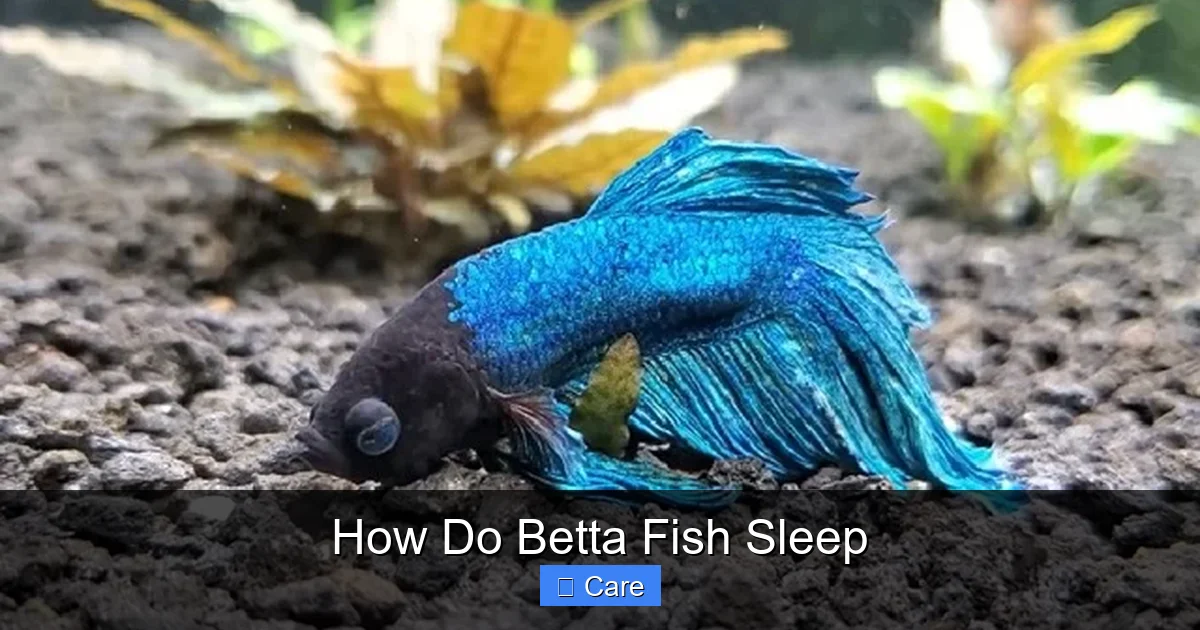
Now for the fun part: the positions. If you’ve ever seen your betta sleeping upside down at the bottom of the tank, you might have panicked. But this is often perfectly normal. Bettas are incredibly flexible fish with a swim bladder that allows for buoyancy control. During rest, they may relax this organ completely, leading to some Gravity-defying poses. Here are the most common and normal sleep positions you will observe:
Visual guide about How Do Betta Fish Sleep
Image source: animalhype.com
- The Surface Float: The betta floats motionless near the top, often with fins slightly drooped. This is very common, especially after a meal. They may rest just beneath the water line, with their head tilted up slightly, ready to take a breath from their labyrinth organ.
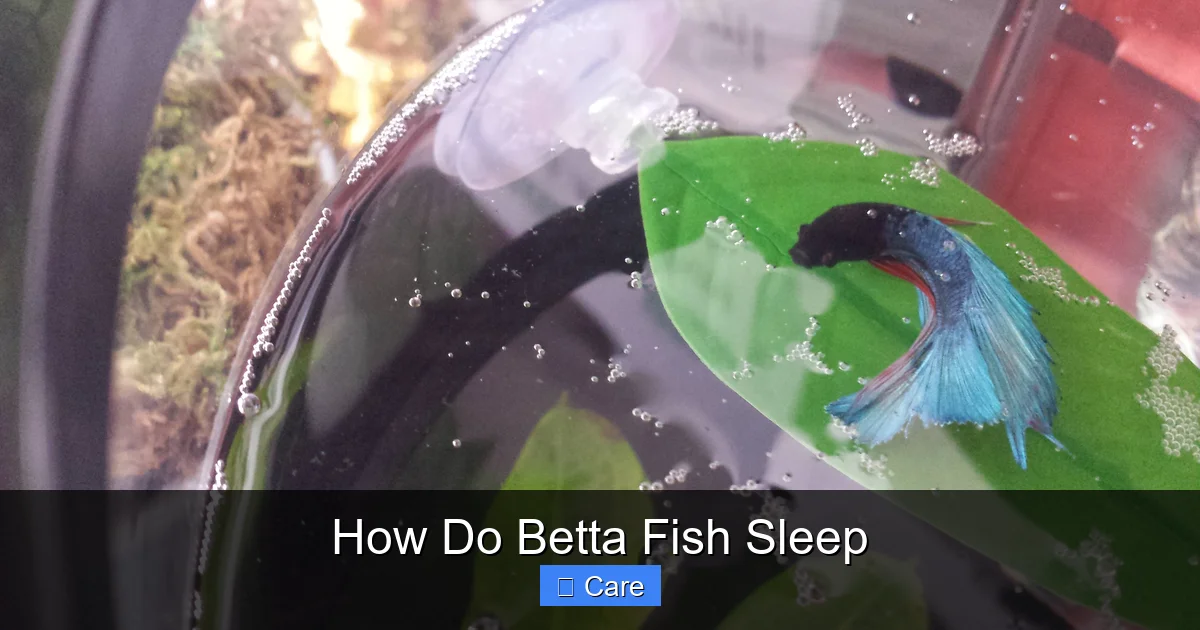
- The Plant Snooze: This is the ideal. Your betta wedges itself between broad leaves, rests on a floating plant’s roots, or perches on a decoration. This mimics their natural habit of resting on overhanging vegetation in the wild. It provides a sense of security and cover.
- The Bottom Dweller: Lying on the substrate, often on its side. A healthy betta will occasionally do this for a short rest. However, prolonged, motionless time on the bottom is a major red flag for illness (like swim bladder disease, dropsy, or severe constipation) or poor water parameters.
- The Upside-Down Wonder: Yes, they sometimes sleep upside down. This is usually a sign of extreme relaxation and buoyancy control. However, if it’s persistent and accompanied by other symptoms, it can indicate a severe swim bladder issue. Context is everything.
- The Mid-Water Pause: Simply hovering in one spot in the middle of the tank, fins relaxed. This is a neutral rest position.
Practical Tip: The key to distinguishing normal sleep from sickness is duration and context. A healthy betta will have bursts of activity (patrolling, flaring, exploring) interspersed with short, 15-30 minute periods of stillness in various locations. If your betta is stuck in one position (especially the bottom) for hours on end, listless, and not eating, it’s time to check water quality and temperature immediately.
Creating the Perfect Sleep Sanctuary: Environmental Needs
You cannot force a betta to sleep on your schedule. You can, however, create an environment that naturally encourages healthy rest cycles. This is about respecting their innate biology as a prey animal that needs to feel secure.
Visual guide about How Do Betta Fish Sleep
Image source: bettafish.org
The Critical Role of Darkness
This is non-negotiable. Bettas, like nearly all living creatures, operate on a circadian rhythm. They need 8-12 hours of uninterrupted darkness to properly rest and restore. A tank with a bright LED light that never turns off is a recipe for chronic stress. A stressed betta has a suppressed immune system, making it susceptible to diseases like fin rot or velvet. Use a simple outlet timer for your aquarium light. The “daytime” light should be on for 10-12 hours, and the “nighttime” should be full, dark darkness. If you need to view your tank at night, use a very dim, red-toned nightlight or a quick flashlight—avoid turning on the main tank light.
Light Intensity and Hiding Places
Bettas come from shaded, vegetated waters. Harsh, direct aquarium lighting is uncomfortable for them. Choose a light with adjustable intensity or use floating plants (like frogbit or water lettuce) to create a canopy of shade on the water’s surface. This dim, dappled light mimics their natural habitat and makes them feel safe. Furthermore, you must provide physical hiding spots. A lone betta in a bare tank with nowhere to retreat is an anxious betta. Use live or silk plants (avoid plastic with sharp edges), driftwood, caves, and betta logs. A betta that can retreat into a cozy plant to sleep is a betta that will actually get some rest. The decoration should break the line of sight across the tank, giving them a sense of territory and security.
The Temperature Sweet Spot
Temperature is the thermostat for their metabolism. The ideal range for a betta is 78-80°F (25.5-26.5°C). If the water is too cold (below 76°F/24°C), their metabolism slows dramatically. They become lethargic, sleep excessively, and their digestive system grinds to a halt, leading to constipation and swim bladder problems. They might appear to be sleeping all the time because they are too cold to be active. Conversely, water that is too hot (above 82°F/28°C) speeds up their metabolism unnaturally, causing stress, rapid aging, and oxygen depletion. Use a reliable, adjustable aquarium heater and a separate thermometer to monitor the temperature accurately. A stable, correct temperature is fundamental for normal activity and rest cycles.
Sleep and Health: What Your Betta’s Rest (or Lack Thereof) Is Telling You
A betta’s sleeping behavior is one of the most valuable diagnostic tools you have. It’s a daily report card on their well-being. Learning to read it can mean the difference between a minor issue and a fatal one.
The “Just Sleeping” vs. “Something’s Wrong” Checklist
How do you tell the difference between a peacefully resting betta and a sick one? Ask these questions:
- Position: Is it in a normal, varied resting spot (plant, surface, mid-water) or is it stuck on the bottom, pressed against the glass, or floating upside down consistently?
- Response: Gently tap the glass near the fish. A sleeping or resting betta will usually give a slight fin flick or shift its body. A sick betta will show no response or a very delayed, weak one.
- Appetite: Does it come to eat when you offer food? A betta that is truly resting will be active and hungry when it wakes. A chronically lethargic betta will ignore food.
- Fin Condition: Are the fins clamped tightly against the body (a sign of stress or illness) or are they relaxed and flowing, even during rest?
- Color: Is its color vibrant, even while resting? Stress and illness often cause fading.
If you answer “no” to several of these, your betta’s stillness is not sleep—it’s a symptom. The first suspects are always water quality (test for ammonia, nitrite, nitrate, and pH) and temperature. A sudden change in sleep pattern is your earliest warning system.
Common Illnesses That Disrupt Sleep Patterns
Certain diseases manifest first as changes in activity and rest.
- Swim Bladder Disorder (SBD): This is the classic “upside-down, floating, sinking” betta. The swim bladder is inflamed, infected, or compressed (often by constipation). The fish cannot control its buoyancy, so every attempt to rest becomes a struggle. It may appear to be “sleeping” upside down or bobbing at the surface, but it’s in distress.
- Dropsy: A symptom of severe internal infection (often bacterial). The fish becomes massively swollen (pinecone-like scales), and due to the fluid buildup and organ failure, it becomes extremely lethargic, spending all its time listless at the bottom. This is a very late-stage symptom.
- Chronic Stress: From poor water, aggressive tank mates (even reflections), or constant light. A stressed betta will hide constantly (which can look like resting) and show a suppressed immune response. It’s not sleeping peacefully; it’s cowering.
Practical Owner’s Guide: Supporting Your Betta’s Sleep Cycle
Armed with this knowledge, you can now actively design your betta’s care routine to support its natural rhythms. This isn’t about human convenience; it’s about fish welfare.
Establishing a Light Schedule
Get an inexpensive plug-in timer for your aquarium light. Set it to be on for 10-12 hours a day. Consistency is key—try to have it turn on and off at roughly the same time each day. This regulates their internal clock. During the dark period, resist the urge to check on them with a bright flashlight. If you must look, use a very dim red light (red wavelengths are less disruptive to most aquatic life) or a quick, brief peek with your phone’s screen light covered by your hand.
Tank Setup for Security and Rest
When decorating, think “jungle gym and bunker.” Provide multiple levels of resting places: a broad-leafed plant near the surface for surface sleeping, a mid-level cave or log, and maybe a smooth rock on the bottom. Use a mix of tall, background plants and low, foreground plants. Floating plants are arguably the most important addition for a betta tank; they create a ceiling of shade and a natural resting platform. Ensure all decorations are smooth to prevent fin damage. A betta that feels it has multiple safe, covered spots to choose from will be a more confident and well-rested fish.
Feeding Timing and Its Impact
Feed your betta during its active period—usually 1-2 hours after the tank light comes on. A small, high-quality meal (pellets or frozen foods) will give them energy for the day. Avoid feeding right before their “bedtime” (when the light turns off). A full belly can lead to constipation, which is a prime cause of swim bladder issues that disrupt rest. A good rule is to feed only what they can consume in 2-3 minutes, once a day. Bettas are prone to overeating.
Conclusion: Sleep Is a Window into Their World
Understanding how do betta fish sleep transforms them from a beautiful decoration into a complex, living creature with specific needs. Their odd sleeping postures are not a source of worry but a fascinating insight into their biology as air-breathing, prey animals without eyelids. By providing a dark, quiet night, a tank full of secure hiding places, perfect water temperature, and clean water, you are not just meeting basic needs—you are granting your betta the fundamental right to rest. This rest is the foundation of their vibrant color, their active personality, and their long-term health. The next time you see your betta perfectly still, eyes open, nestled in a plant, you won’t panic. You’ll smile, knowing you’ve given your little friend a safe place to dream—even if they dream with their eyes wide open.
Frequently Asked Questions
Is my betta fish dead or just sleeping?
First, gently tap the glass. A sleeping betta will usually show a slight twitch or fin movement. A dead betta will show no reaction at all. Check for slow, rhythmic gill movement (look closely at the gill covers). If gills are moving, even very slowly, it’s resting. If there’s absolutely no movement for an extended period, it may have passed away. When in doubt, observe for 10-15 minutes.
Why does my betta sleep upside down at the bottom?
Occasional, brief upside-down resting can be a sign of extreme relaxation and is normal. However, if your betta is consistently sleeping upside down, motionless on the bottom, it is very likely suffering from Swim Bladder Disorder (SBD). This is often caused by constipation from overfeeding. Fast for 2-3 days, then offer a cooked, skinned pea to help clear the digestive tract. If the behavior persists, water quality or infection could be the cause.
How many hours a day do betta fish sleep?
Bettas don’t have one long sleep period like humans. They take numerous short naps throughout a 24-hour cycle. In total, they likely rest for 8-12 hours, broken up into many sessions. The majority of this rest occurs during the dark period when they are less active. You’ll see them darting around and exploring for several hours after the light comes on, then taking periodic breaks.
Should I turn my betta’s light off at night?
Absolutely, yes. Constant light is one of the worst things for a betta. It causes severe stress, suppresses the immune system, and disrupts their natural rest cycle. Use a timer to provide a consistent 8-12 hours of complete darkness. This is as important as feeding them.
My betta is always hiding and sleeping. Is it depressed?
Constant hiding and lethargy are signs of stress or illness, not necessarily “depression” in a human sense. First, check your water parameters (ammonia, nitrite, nitrate, pH) with a liquid test kit. Perform a partial water change if needed. Ensure the temperature is in the 78-80°F range. Evaluate tank mates (betta should be alone). Is the light too bright? Add more plants and decorations. If the behavior continues after correcting these factors, the betta may be internally sick.
Can I handle or touch my betta while it’s sleeping?
It’s best to avoid disturbing a resting betta. Sudden movements or vibrations from tapping the glass will stress them. Remember, they are in a state of rest, not deep sleep, and are still somewhat aware. Constant disturbances will prevent them from getting proper rest and will make them fearful. Observe them quietly during their rest periods.