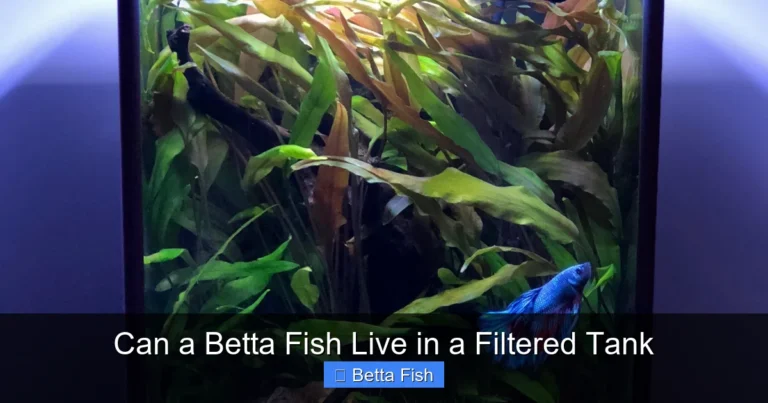
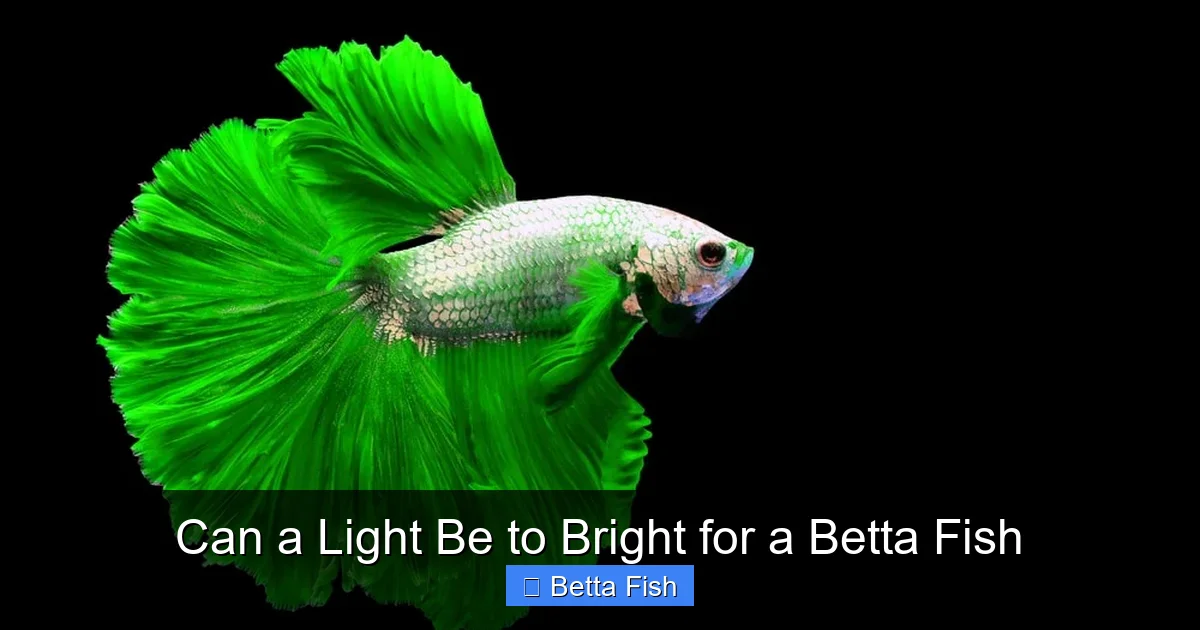
Can a Light Be to Bright for a Betta Fish

Betta fish thrive under gentle, natural‑looking illumination, but overly intense light can stress them, fade their colors, and even trigger health problems. By choosing the right bulb type, adjusting duration, and monitoring your fish’s behavior, you can create a perfect lighting environment that showcases your betta’s beauty without harming it.
Key Takeaways
- Brightness matters: Betta fish prefer moderate light; too much can cause stress and color loss.
- Duration is key: Aim for 8‑10 hours of light per day, mimicking natural daylight cycles.
- Bulb choice: LED or low‑intensity fluorescent lights are safest; avoid high‑output spotlights.
- Observe behavior: Hiding, pale fins, or rapid breathing signal that the light is too harsh.
- Tank setup matters: Plants, décor, and background colors can diffuse light and protect your betta.
- Seasonal adjustments: Shorten light periods in winter and lengthen them in summer to match natural changes.
- Regular checks: Combine lighting care with proper water temperature, filtration, and diet for a happy betta.
📑 Table of Contents
- Introduction: Why Light Matters for Betta Fish
- Understanding Betta Vision and Natural Habitat
- Choosing the Right Light Fixture
- Setting the Correct Light Duration
- Spotting Signs That the Light Is Too Bright
- Enhancing Light Quality with Tank Décor
- Integrating Lighting with Overall Betta Care
- Step‑by‑Step Checklist for Perfect Betta Lighting
- Conclusion: Bright Light Isn’t Always Better
Introduction: Why Light Matters for Betta Fish
When you first set up a betta tank, the excitement often centers on choosing a colorful background or a fancy LED strip. It’s easy to think, “the brighter, the better” because a vivid display makes the fish look spectacular in photos. However, bettas are native to the shallow, shaded waters of Southeast Asia, where sunlight is filtered through plants and leaf litter. Their eyes are adapted to soft, dappled light, not the harsh glare of a spotlight.
If you’ve ever wondered can a light be too bright for a betta fish, the answer is a confident yes. Over‑lighting can stress the fish, hide its natural colors, and even lead to health issues like fin rot or weakened immune response. In this guide we’ll break down the science, show you how to choose the right lighting, and give you practical steps to keep your betta comfortable and vibrant.
Understanding Betta Vision and Natural Habitat
What bettas see in the wild
Betta splendens hail from rice paddies, slow‑moving streams, and swampy pools where sunlight is filtered through dense vegetation. The water is often murky, and the light that reaches the bottom is low‑intensity, amber‑toned, and constantly shifting with cloud cover.
Visual guide about Can a Light Be to Bright for a Betta Fish
Image source: pangovet.com
How bright is “natural” for a betta?
Scientists measure light in lux. Shaded tropical streams typically range from 50 to 200 lux. By comparison, a standard office fluorescent light can reach 500 lux, and a direct LED spotlight may exceed 1,000 lux. Providing a betta with lighting that mimics its natural range helps maintain its natural coloration and reduces stress.
Choosing the Right Light Fixture
LED vs. fluorescent vs. incandescent
LED lights are the most popular choice for betta tanks. They are energy‑efficient, produce little heat, and can be dimmed to the perfect level. Look for LEDs rated 2–5 watts for a 2.5‑gal tank.
Visual guide about Can a Light Be to Bright for a Betta Fish
Image source: aquariadise.com
Fluorescent tubes work well too, especially T5 or T8 bulbs that emit a soft, even glow. Avoid high‑output “grow lights” that are meant for intense plant growth; they can be far too bright for a single betta.
Incandescent bulbs generate a lot of heat and are generally discouraged because they can raise water temperature and create uneven lighting.
How to measure brightness
If you want to be precise, use a cheap lux meter (available at most hardware stores). Aim for 100–250 lux at the water surface. If the reading is higher, consider adding a dimmer switch or moving the light farther away.
Setting the Correct Light Duration
Why a day‑night cycle matters
Betta fish have a circadian rhythm just like us. A consistent light schedule supports hormone regulation, appetite, and overall health. In the wild, they experience roughly 12 hours of light and 12 hours of darkness, though cloud cover can make daylight shorter.
Visual guide about Can a Light Be to Bright for a Betta Fish
Image source: bettasource.com
Practical light schedule
Use a timer to provide 8–10 hours of light daily. This range is safe for most bettas and aligns with their natural behavior. During breeding season, a slightly longer light period (up to 12 hours) can stimulate spawning, but only if the intensity remains moderate.
Seasonal adjustments
In winter, daylight naturally shortens, so you might reduce the timer to 6–8 hours. In summer, extend it to 10–12 hours if you notice your betta becoming more active. Always watch for signs of stress when you make changes.
Spotting Signs That the Light Is Too Bright
Behavioral clues
- Frequent hiding under plants, caves, or the tank lid.
- Rapid, shallow breathing (gill flaring).
- Lethargy or loss of interest in food.
Physical clues
- Pale or faded coloration, especially on the fins.
- Stress‑related spots or white‑blood‑cell‑like growths (early signs of fin rot).
- Eye irritation or a milky appearance.
If you notice any of these, dim the light immediately and give your betta a few days to recover before re‑evaluating.
Enhancing Light Quality with Tank Décor
Using plants and background to diffuse light
Live or artificial plants act as natural light filters. A dense carpet of Anubias, Java fern, or floating leaves will break up harsh beams and create a soothing dappled effect.
Choosing tank background colors
Dark backgrounds (deep blues or blacks) absorb excess light and make the betta’s colors pop without needing a brighter bulb. Light‑colored backgrounds reflect more light, which can be useful in a dimly lit room but may increase overall brightness.
Practical décor tip
Place a piece of smooth driftwood or a small cave in the back corner of the tank. Not only does it provide a hiding spot, it also creates shadow zones where your betta can retreat if the light feels too strong.
Integrating Lighting with Overall Betta Care
Temperature considerations
Betta fish thrive at 76‑82°F (24‑28°C). LEDs produce minimal heat, but if you use a high‑output bulb, monitor water temperature closely. A sudden rise can stress the fish just as much as bright light.
Water quality and lighting
Over‑lighting can encourage algae growth, which quickly clouds the water and reduces oxygen levels. Keep a regular cleaning schedule and consider a gentle algae‑eating snail if you notice a film forming.
Feeding and lighting
Feed your betta during the light period when it is most active. This aligns with its natural hunting rhythm and helps you observe any changes in appetite that might indicate stress.
Link to related care topics
For a full picture of a healthy betta environment, read our guide on how to set up a tank for a betta fish, which covers substrate, filtration, and plant selection.
Water temperature link
Maintaining the right temperature works hand‑in‑hand with lighting; learn more about optimal ranges in our article on what temperature should water be for a betta fish.
Step‑by‑Step Checklist for Perfect Betta Lighting
- Choose a low‑intensity LED or fluorescent bulb (2–5 watts for a 2.5‑gal tank).
- Measure light output; aim for 100–250 lux at the water surface.
- Install a timer set to 8–10 hours of light per day.
- Add live or artificial plants to diffuse light.
- Observe your betta for 48 hours; note any hiding or color changes.
- If stress signs appear, dim the light or add more décor for shade.
- Re‑check water temperature weekly to ensure lighting isn’t raising it.
- Adjust the schedule seasonally, keeping an eye on behavior.
Conclusion: Bright Light Isn’t Always Better
While a well‑lit tank showcases the stunning hues of a betta, too much brightness can do more harm than good. By selecting the right bulb, controlling intensity, and providing natural‑looking refuges, you create a balanced environment where your betta can thrive and display its true colors. Remember to watch for behavioral cues, keep the lighting schedule consistent, and pair good lighting with proper temperature, water quality, and nutrition. With these steps, you’ll answer the question can a light be too bright for a betta fish with confidence: yes, it can, but you have the tools to prevent it.
Frequently Asked Questions
Can I use any LED light for my betta tank?
Not all LEDs are suitable. Choose low‑intensity, dimmable LEDs designed for aquarium use, typically 2–5 watts for a small betta tank.
How long should my betta be exposed to light each day?
Provide 8–10 hours of light daily using a timer. This mimics natural daylight and supports healthy behavior.
What are the signs that my betta is stressed by light?
Look for hiding, pale coloration, rapid breathing, or loss of appetite. These indicate the light may be too intense.
Will bright light cause my betta’s colors to fade?
Yes. Over‑exposure can bleach pigments, making fins look dull. Moderate lighting helps maintain vibrant colors.
Do plants help reduce light intensity?
Absolutely. Live or artificial plants act as natural filters, breaking up harsh beams and creating shaded areas for your betta.
Can I keep a betta in a bowl with a small night light?
A tiny night light that emits less than 20 lux is safe, but it’s better to use a full‑cycle timer and turn the light off completely at night.