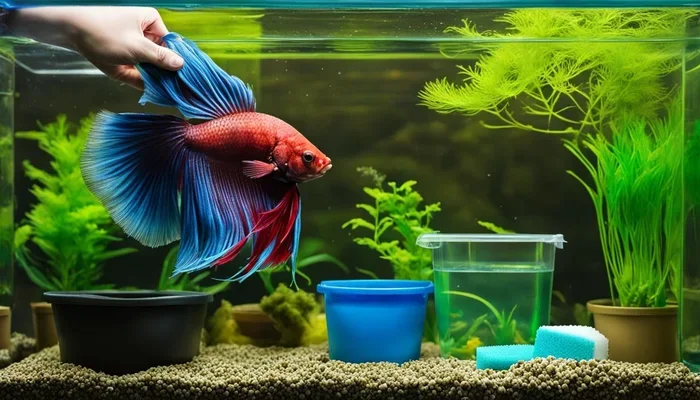
How Often Should You Change Water For Betta Fish
Keeping your betta fish healthy starts with clean water. You should change how often should you change water for betta fish based on tank size and filtration. A regular schedule prevents toxins from building up. This guide explains the best routine for your fish.
Key Takeaways
- Weekly Changes: Change 25-50% of the water every week for best results.
- Tank Size Matters: Smaller tanks need more frequent water changes than larger ones.
- Test Your Water: Use a test kit to check ammonia and nitrate levels regularly.
- Conditioner is Key: Always use a water conditioner to remove harmful chlorine.
- Watch Your Fish: Look for signs like lethargy or faded color that indicate poor water quality.
- Avoid Overcleaning: Do not change 100% of the water unless absolutely necessary.
- Consistency Counts: Stick to a schedule to keep your betta stress-free.
📑 Table of Contents
Why Water Quality Matters for Your Betta
Your betta fish lives in the same water every single day. Unlike people, they cannot walk away to find fresh air. The water quality directly impacts their health and happiness. Poor water leads to stress and disease. Good water keeps your fish vibrant and active.
Many new owners ask how often should you change water for betta fish. The answer depends on a few things. You need to think about tank size and filtration. You also need to consider how much your fish eats. Waste builds up quickly in small spaces. Regular changes remove this waste before it harms your pet.
Clean water prevents toxic spikes. Ammonia and nitrites are dangerous chemicals. They come from fish waste and uneaten food. Beneficial bacteria help break these down. But they cannot handle everything alone. You must help them by changing the water. This simple task saves lives.
The Ideal Water Change Schedule
So, how often should you change water for betta fish? Most experts recommend a partial change every week. This keeps the environment stable. You do not need to drain the whole tank. In fact, you should avoid doing that. A partial change is safer for your fish.
Here is a general rule of thumb. Change 25 to 50 percent of the water weekly. This removes toxins without shocking your fish. Stability is key for bettas. They dislike sudden changes in temperature or chemistry. A gradual approach works best.
If you have a larger tank, you might stretch this to every two weeks. Larger volumes of water stay cleaner longer. But you must test the water to be sure. Never guess when it comes to your fish’s health. Testing tells you exactly what is happening inside the tank.
Factors That Influence Frequency
Several things change your water change schedule. You need to look at your specific setup. One size does not fit all. Here are the main factors to consider.
Tank Size
Small tanks get dirty faster. A five-gallon tank needs more attention than a twenty-gallon tank. Waste concentrates quickly in small volumes. If you have a small bowl, you must change water more often. However, bowls are not ideal for bettas. They prefer larger spaces with filtration.
Filtration System
A good filter helps a lot. It houses beneficial bacteria. These bacteria eat harmful waste. But filters do not remove everything. They still need help from water changes. If your filter is strong, you might change water less often. If you have no filter, you must change water more frequently.
Feeding Habits
Overfeeding causes problems. Extra food rots in the water. This creates ammonia spikes. Feed your fish only what they can eat in minutes. Remove any leftover food quickly. This reduces the workload on your water change routine.
Signs You Need to Change Water Sooner
Sometimes you need to act fast. Do not wait for the scheduled day if something looks wrong. Your fish will tell you if the water is bad. Watch them closely every day.
Look for these warning signs:
- Lethargy: Your fish sleeps too much or hides.
- Faded Color: Bright colors turn dull or gray.
- Clamped Fins: Fins stay close to the body.
- Cloudy Water: The water looks murky or dirty.
- Strange Smell: A bad odor comes from the tank.
If you see these signs, test your water immediately. High ammonia levels are dangerous. You may need to do an emergency water change. This can save your fish from serious illness. Always use conditioned water for emergencies.
How to Perform a Safe Water Change
Doing a water change is simple. But you must do it correctly. Safety is the most important part. You do not want to hurt your fish during the process. Follow these steps for success.
Gather Your Supplies
You need a few basic tools. A gravel vacuum helps clean the substrate. You also need a bucket dedicated to your fish. Never use soap on fish buckets. Soap leaves harmful residues. You also need a water conditioner. This removes chlorine from tap water.
Many people wonder can you use tap water for your betta fish. The answer is yes, but only if treated. Tap water contains chlorine that burns fish gills. A conditioner neutralizes this chemical. It makes the water safe instantly. Always treat new water before adding it.
The Step-by-Step Process
Start by turning off any equipment. Heaters and filters should stop. This prevents damage during the change. Use your gravel vacuum to remove waste. Suck up debris from the bottom. This is where waste collects.
Remove about 25 percent of the old water. Put it in your bucket. Now mix your new water. It should match the temperature of the tank. Cold water shocks fish. Use your conditioner on the new water. Let it sit for a few minutes if needed.
Slowly pour the new water into the tank. Pour it onto a plate or rock. This prevents disturbing the gravel. Turn your equipment back on. Check that the filter is flowing well. Your fish should settle down quickly.
Common Mistakes to Avoid
Even experienced owners make mistakes. Avoiding these errors keeps your betta safe. Here are some common pitfalls to watch out for.
Changing Too Much Water
Some people think clean means 100 percent new water. This is wrong. Changing all the water removes beneficial bacteria. It also shocks the fish. Stick to partial changes. Your bacteria colony needs to stay strong.
Ignoring Temperature
Temperature shock is deadly. New water must match the old water. Use a thermometer to check. A difference of a few degrees is okay. But large swings cause stress. Stress weakens the immune system.
Skipping the Conditioner
Never skip the conditioner with tap water. Chlorine is invisible but dangerous. It damages fish over time. Even if the water looks clear, it may be toxic. Always treat your water before use. If you are unsure about your source, read more about can you use regular tap water for your betta fish.
Expert Insights on Maintenance
Consistency is the secret to success. Set a reminder on your phone. Pick a day that works for you. Sunday mornings are popular for many owners. Routine makes the task easier. You will not forget as often.
Also, consider your water source. Some people use well water. Others use city water. Each has different chemicals. City water usually has chlorine. Well water might have heavy metals. Test your source occasionally. This helps you choose the right conditioner.
Some owners ask about bottled water. It seems pure and safe. But it lacks minerals fish need. You can use it in a pinch. But it is not ideal for long term. Tap water with conditioner is usually better. For more details, check out can you use bottled water in a betta fish tank.
Maintenance also involves cleaning the filter. Rinse filter media in old tank water. Do not use tap water on the filter. Chlorine kills the good bacteria. You want to keep those bacteria alive. They are your best defense against toxins.
Long-Term Health Benefits
Regular water changes pay off. Your fish will live longer. They will show brighter colors. Active swimming is a good sign too. Healthy water means a happy fish. It reduces vet bills and medicine costs.
You also protect the tank itself. Algae grows less in clean water. Glass stays clearer. Your setup looks better too. A clean tank is enjoyable to watch. It becomes a beautiful part of your home.
Remember that every tank is unique. What works for one might not work for another. Observe your fish daily. Adjust your schedule as needed. If the water looks dirty, change it. Do not wait for the weekend. Your fish depend on you for care.
In summary, knowing how often should you change water for betta fish is vital. Aim for weekly partial changes. Test your water regularly. Use a conditioner every time. Avoid common mistakes like overcleaning. Follow these steps for a thriving pet.
Frequently Asked Questions
How much water should I change each time?
You should change about 25 to 50 percent of the water. This removes toxins without shocking your fish. Never change 100 percent unless there is an emergency.
Can I use tap water for my betta fish?
Yes, you can use tap water if you treat it first. You must add a water conditioner to remove chlorine. Chlorine is harmful to fish gills and skin.
What happens if I don’t change the water?
Waste builds up and creates toxic ammonia levels. This can kill your fish quickly. Poor water leads to disease and stress.
Do I need to remove my fish during the change?
No, you do not need to remove your fish. Keep them in the tank during the process. Removing them causes unnecessary stress.
How do I know if the water is safe?
Use a liquid test kit to check ammonia and nitrites. Clear water is not always safe. Testing gives you accurate information about water quality.
Is distilled water good for betta fish?
Distilled water lacks essential minerals your fish need. It is better to use treated tap water. You can read more about can you put distilled water in a betta fish tank for specifics.