How Often Should You Change a Betta Fish Water for Best Health
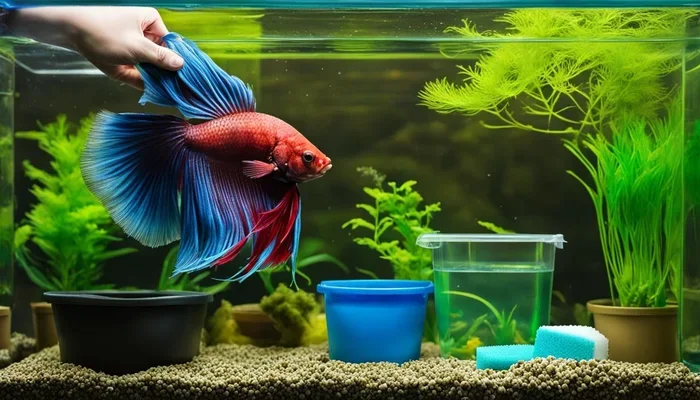
Keeping your betta fish healthy starts with clean water. You need to know how often should you change a betta fish water to avoid harmful toxins. This guide covers weekly schedules, water types, and simple tips for a thriving tank.
Welcome to the world of betta fish care. These beautiful creatures bring color and life to any room. But they need clean water to survive and thrive. Many new owners ask how often should you change a betta fish water to keep their pet safe.
Water quality is the most important part of fish care. Bad water leads to stress and sickness. Good water leads to a happy and active fish. We will explore the best schedules and methods for you.
You do not need to be an expert to maintain a tank. Simple routines work best for most hobbyists. Let us dive into the details of water maintenance. Your betta will thank you for the clean home.
Key Takeaways
- Weekly Changes: Change 25 to 50 percent of the water every week for best results.
- Test First: Always test water parameters before starting a water change routine.
- Dechlorinate: Use a water conditioner to remove harmful chlorine from tap water.
- Match Temperature: Ensure new water matches the tank temperature to avoid shock.
- Clean Gravel: Vacuum the substrate gently during partial water changes.
- Avoid Distilled: Do not use pure distilled water without remineralizing it first.
- Consistency Matters: Regular maintenance prevents disease and keeps your fish active.
📑 Table of Contents
Understanding Water Quality for Your Betta
Betta fish live in water that holds waste. Their poop and uneaten food create harmful toxins. Ammonia and nitrites build up over time. These chemicals hurt your fish quickly.
You need to understand the nitrogen cycle. Beneficial bacteria break down waste into less harmful nitrates. But nitrates still need removal through water changes. This process keeps the environment safe.
Tap water often contains chlorine. Chlorine kills beneficial bacteria and hurts fish. You must treat tap water before adding it. This step is crucial for every change.
Well water has different challenges. It may contain heavy metals or unpredictable pH levels. Owners often wonder can you use well water for a betta fish safely. Testing is key before using any source.
Testing Your Water Parameters
You should buy a simple test kit. These kits measure ammonia, nitrite, and nitrate levels. High ammonia means you need a change now. Low nitrates mean your schedule is working.
pH levels also matter for bettas. They prefer slightly acidic to neutral water. Sudden pH swings cause stress. Regular changes help stabilize these levels.
Temperature is another factor to watch. Cold water slows down your fish metabolism. Warm water holds less oxygen. Keep your heater stable during changes.
How Often Should You Change a Betta Fish Water
This is the big question for every owner. The answer depends on your tank size and filter. A filtered tank needs less frequent changes. A small bowl needs more attention.
Most experts recommend a partial change weekly. Changing 25 to 50 percent works well. This removes nitrates without shocking the fish. Full changes are rarely needed unless sick.
Small tanks accumulate toxins faster. You might need to change water twice a week. Larger tanks hold more stable water chemistry. Consistency is more important than volume.
You might ask can you use tap water in a betta fish tank for these changes. Yes, you can, but only if treated. Untreated tap water is dangerous for your pet.
Signs Your Water Needs Changing
Your fish behavior tells you a lot. Lethargy or hiding suggests poor water quality. Clamped fins often indicate stress from toxins. Look for these signs daily.
Cloudy water is a clear warning sign. It shows a bacterial bloom or excess waste. Smelly water also indicates decay. Act quickly if you notice these issues.
Algae growth can signal excess nutrients. Too much light or food causes this. Water changes help reduce nutrient levels. Control feeding to help prevent this.
Preparing Water for the Change
Preparation prevents problems during the swap. You need clean buckets and siphons. Never use soap to clean your equipment. Soap residues harm fish gills.
Many people wonder can you use soap to clean a betta fish tank. The answer is a strict no. Use warm water and vinegar instead. Rinse everything thoroughly before use.
Conditioning the water is essential. A good conditioner neutralizes chlorine and heavy metals. Some conditioners also add protective slime coats. Read the label for dosage instructions.
Choosing the Right Water Source
Tap water is the most common choice. It is easy to access and cost-effective. Just remember to treat it with conditioner. This makes it safe for your betta.
Bottled water is another option for some. People often ask can you use bottled water in a betta fish tank. It lacks minerals unless labeled otherwise. Remineralizing might be necessary for health.
Distilled water is pure but lacks minerals. You should not use it alone for fish. Fish need some electrolytes for osmoregulation. Mix it with tap water if needed.
Spring water varies by brand. Some owners check can you put a betta fish in spring water for safety. Check the pH and mineral content first. Consistency matters more than the source.
The Step-by-Step Water Change Process
Start by turning off your heater and filter. This protects the equipment during the process. Gather your siphon and clean bucket. Wash your hands before starting.
Use the siphon to remove old water. Vacuum the gravel gently to remove waste. Do not dig too deep into the substrate. You want to remove debris without upsetting bacteria.
Fill your bucket with new water. Add the correct amount of conditioner. Let it sit for a few minutes. Check that the temperature matches the tank.
Pour the new water slowly into the tank. Pour onto a plate or decor to avoid disturbing the substrate. Turn your equipment back on. Observe your fish for any stress.
Maintenance Tips for Success
Keep a log of your water changes. Note the date and percentage changed. This helps you track your routine. Consistency builds a stable environment.
Clean your filter media in old tank water. Never rinse it in tap water. Chlorine kills the beneficial bacteria. Save your biological filter media carefully.
Reduce feeding before a water change. Less waste means cleaner water longer. Only feed what your fish eats quickly. This simple step helps maintain quality.
Common Mistakes to Avoid
Changing too much water at once is risky. It causes sudden parameter swings. Fish can go into shock from this. Stick to partial changes for safety.
Using cold water is a common error. Temperature shock weakens your fish immune system. Always match the new water temperature. Use a thermometer for accuracy.
Skipping the conditioner is dangerous. Chlorine burns fish gills and skin. It also kills helpful bacteria. Never skip this step even in a hurry.
People sometimes ask can you use tap water conditioner for betta fish. Yes, most standard conditioners work well. Just ensure it treats chloramine too. Some cities use chloramine instead of chlorine.
Ignoring the Substrate
Waste hides in the gravel or sand. Ignoring this leads to high ammonia levels. Vacuum the substrate during every change. This removes hidden toxins effectively.
Some substrates trap debris deeply. Sand needs gentle vacuuming to avoid digging. Gravel allows deeper cleaning safely. Choose substrate that fits your maintenance style.
Expert Insights on Water Maintenance
Veterinarians stress the importance of stability. Sudden changes harm fish more than dirty water. Slow and steady wins the race. Maintain a consistent schedule always.
Experienced keepers suggest large tanks for beginners. More water volume dilutes toxins naturally. This gives you more time between changes. It is more forgiving for new owners.
Filtration plays a huge role too. A good filter reduces the need for frequent changes. But it does not eliminate the need entirely. You still need to remove nitrates manually.
Some owners explore reverse osmosis water. They ask can you use reverse osmosis water for betta fish. It is very pure but needs remineralization. It gives you control over water chemistry.
Long-Term Health Benefits
Regular water changes prevent common diseases. Fin rot and ich thrive in poor water. Clean water boosts your fish immune system. Your betta will show vibrant colors.
Active fish are happy fish. They explore their tank with energy. Good water quality supports natural behaviors. You will enjoy watching them more.
Proper care extends your fish lifespan. Bettas can live several years with good care. Neglect shortens this significantly. Invest time in water maintenance for longevity.
Frequently Asked Questions
How much water should I change each time?
You should change about 25 to 50 percent of the water weekly. This removes toxins without shocking your fish. Smaller tanks may need larger percentages more often.
Can I use tap water directly from the sink?
No, you must treat tap water with a conditioner first. Chlorine and chloramine in tap water harm fish gills. Always neutralize these chemicals before adding water.
Do I need to remove my fish during the change?
You do not need to remove your fish for partial changes. Keep them in the tank to reduce stress. Only remove them for full tank cleanings or medication.
What temperature should the new water be?
The new water should match the tank temperature within a few degrees. Sudden temperature changes cause shock and stress. Use a thermometer to check before pouring.
How do I know if the water is safe?
Test your water parameters regularly with a kit. Safe water has zero ammonia and low nitrates. Clear water and active fish also indicate good quality.
Can I change water if my fish is sick?
Yes, clean water helps sick fish recover faster. Remove waste and toxins that worsen illness. Use conditioned water and maintain stable temperatures carefully.