How Often Should I Feed a Betta Fish for Best Health
Feeding your betta fish the right amount at the right time is essential for long-term health. Most adult bettas thrive on two small meals per day, with occasional fasting days to support digestion. Overfeeding is a common mistake that leads to swim bladder issues and poor water quality. By understanding betta fish dietary needs, you can prevent disease and enjoy a lively, active pet. This guide covers the ideal feeding schedule, safe food choices, and expert tips for optimal care.
Keeping a betta fish healthy starts with simple daily habits. One of the most important routines is knowing exactly how much to feed them and when. Many new owners worry about getting it wrong. You might ask yourself, how often should I feed a betta fish to keep it active and colorful? The answer is straightforward once you understand your fish natural eating patterns.
Bettas are small carnivorous fish that thrive on frequent, tiny meals. In the wild, they snack on insects and larvae throughout the day. Your home tank cannot perfectly copy that environment, but you can mimic it with a consistent routine. A steady schedule prevents hunger stress and keeps your fish metabolism running smoothly. It also makes water care much easier.
This guide breaks down everything you need to know about betta fish feeding frequency. You will learn the ideal daily routine, safe portion sizes, and which foods work best. We will also cover common mistakes, fasting benefits, and signs that your fish needs a diet change. By the end, you will feel confident about your daily care routine.
Key Takeaways
- Daily Schedule: Feed your betta fish two small meals per day, spacing them about 12 hours apart.
- Portion Control: Offer only what your betta can eat within two minutes to prevent waste and bloating.
- Fasting Benefits: Include one fasting day per week to support healthy digestion and reduce toxin buildup.
- Food Variety: Rotate between high-quality pellets, frozen bloodworms, and brine shrimp for balanced nutrition.
- Avoid Overfeeding: Overfeeding betta fish is a leading cause of swim bladder disorder and cloudy water.
- Watch Behavior: Adjust feeding frequency if your betta shows signs of lethargy, spitting food, or loss of appetite.
- Tank Maintenance: Remove uneaten food promptly to maintain clean water and prevent harmful bacteria growth.
📑 Table of Contents
How Often Should I Feed a Betta Fish Daily
The short answer is simple. Most healthy adult bettas do best with two small meals per day. Space these meals about twelve hours apart. For example, feed once in the morning and again in the evening. This rhythm matches their natural hunting cycle and keeps energy levels steady.
Some owners prefer a single daily feeding. That approach can work for certain fish, but it often leaves bettas hungry for long stretches. Others try three meals, which usually leads to waste and excess calories. Sticking to two balanced meals gives you the best balance of nutrition and tank cleanliness.
Why Two Meals Work Best
Bettas have small stomachs. Their stomach is roughly the size of one of their eyes. This means they cannot handle large portions at once. Splitting food into two smaller servings prevents bloating and supports steady digestion. It also gives you a chance to watch how your fish reacts to each meal.
A consistent routine also helps you spot health changes early. If your betta suddenly ignores its morning meal, you will notice it right away. That early warning can save your fish from hidden illness. Regular feeding times create a predictable pattern that benefits both you and your pet.
Adjusting for Age and Size
Young bettas and growing juveniles often need more frequent meals. Their bodies burn energy quickly as they develop. You can offer three tiny feedings per day for babies, keeping each portion very small. As they mature, transition to the standard two-meal schedule.
Older bettas may slow down and require slightly less food. Watch their activity level and body shape. If your fish looks less active, reduce portion sizes before cutting meals entirely. Every betta is different, so adjust based on what you see in the tank.
Best Feeding Schedule for Betta Fish
A reliable schedule makes care much easier. You do not need a complicated plan. You just need consistency. Here is a simple daily rhythm that works well for most home tanks.
Morning and Evening Routine
Start the day with a small feeding. Drop in a few pellets or a pinch of frozen food. Wait and watch your betta eat. If it finishes quickly, you know the portion is right. If food sinks to the bottom, remove it after a minute or two. Repeat the same process in the evening.
Try to keep feeding times close to the same hours each day. Fish respond well to routine. They will learn when to expect food and become more active during those windows. This predictability also helps you maintain a steady water quality routine.
Weekly Fasting Day
Many experienced keepers add one fasting day per week. This means no food for twenty-four hours. Fasting gives your betta digestive system a break. It also reduces waste buildup in the tank. A single day without food will not harm a healthy adult fish. In fact, it often improves digestion and lowers the risk of constipation.
Pick a day that fits your schedule. Some owners choose Sunday as their fasting day. Others spread it randomly through the week. The exact day does not matter. What matters is consistency and moderation.
Sample Weekly Plan
Here is a simple schedule you can follow:
- Monday: Two small meals
- Tuesday: Two small meals
- Wednesday: Two small meals
- Thursday: Two small meals
- Friday: Two small meals
- Saturday: Two small meals
- Sunday: Fasting day (no food)
This plan is easy to remember and simple to maintain. You can adjust it if your betta shows signs of hunger or low energy. The goal is balance, not perfection.
Portion Size and Food Types
Knowing how often to feed is only half the story. Portion size matters just as much. Even the best schedule can cause problems if you give too much food at once. The right amount keeps your betta healthy and your water clear.
How Much to Feed at Once
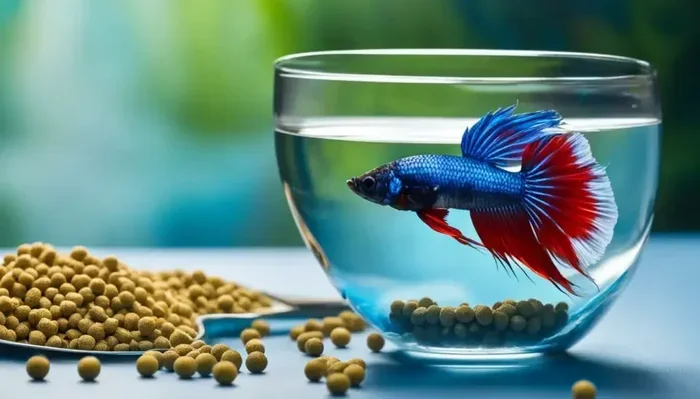
A good rule is to offer only what your betta can finish in two minutes. For pellets, that usually means two to four pieces per meal. The exact number depends on the brand and pellet size. Watch your fish closely during the first few feedings. Adjust based on what it can comfortably eat.
If you use frozen or live food, keep the portion tiny. A small pinch is enough. These foods are rich and dense, so a little goes a long way. Overdoing it can cause digestive upset and cloudy water.
Best Food Choices
Bettas need protein-rich foods. Their natural diet focuses on insects and small aquatic creatures. High-quality commercial foods work well when chosen carefully. Look for options that list real protein as the first ingredient.
Here are some reliable choices:
- Betta pellets: Convenient and balanced. Choose a trusted brand with high protein content.
- Frozen bloodworms: A tasty treat that many bettas love. Use in moderation.
- Brine shrimp: Great for variety and gentle on digestion.
- Daphnia: Helpful for digestion and a good occasional snack.
- Live foods: Excellent for enrichment, but source them carefully to avoid pests.
You can also rotate foods throughout the week. Variety prevents nutrient gaps and keeps your betta interested in meals. If you want to learn more about safe pellet options, you can read our guide on can I feed a betta tropical fish pellets. For owners curious about occasional protein treats, our article on can I feed a betta fish piece of shrimp offers helpful details.
Foods to Avoid
Not every kitchen item belongs in a betta tank. Human foods often lack proper nutrition and can harm water quality. Bread, crackers, and rice are common mistakes. These items swell in water, cause bloating, and break down into harmful waste. If you want to know why bread is a poor choice, check our explanation on can I feed a betta fish bread.
Stick to foods made for small carnivorous fish. Keep treats occasional and portions small. Your betta will stay healthier, and your tank will stay cleaner.
Signs of Overfeeding and Underfeeding
Even with a good schedule, it helps to watch your fish closely. Bettas show clear signs when their diet is off balance. Learning these signals helps you make quick adjustments.
Overfeeding Warning Signs
Overfeeding is one of the most common care mistakes. It often starts with good intentions. You want your fish to be happy, so you give a little extra. Over time, that extra food causes problems.
Watch for these signs:
- Leftover food: Pellets or frozen bits sinking to the bottom after meals
- Cloudy water: Excess waste breaking down faster than your filter can handle
- Swollen belly: A rounded or bloated stomach that looks uncomfortable
- Lethargy: Your betta resting more than usual and showing low energy
- Constipation: Difficulty swimming or staying balanced in the water
If you notice these issues, reduce portion sizes right away. You may also want to add a fasting day. For a deeper look at how extra food affects health, see our article on can yoy over feed a betta fish. You can also read can you feed a betta fish too much for more warning signs.
Underfeeding Warning Signs
Underfeeding is less common, but it still happens. Some owners worry about overfeeding and swing too far in the other direction. A betta that does not get enough food will show clear stress signals.
Look for these clues:
- Sunken belly: A thin or hollow-looking stomach
- Pale color: Dull scales or fading fin color
- Constant searching: Your betta pecking at the glass or scavenging endlessly
- Weak swimming: Low stamina and slow movement
- Weight loss: Visible thinning over time
If your betta shows these signs, increase portion sizes slightly. Make changes gradually. Sudden large meals can shock a hungry fish. A steady return to a balanced routine is safest.
Special Feeding Situations
Not every betta follows the same routine forever. Life changes, and your feeding plan may need to adapt. Travel, illness, tank changes, and age can all affect how often you should feed.
Feeding During Travel or Short Trips
Many owners worry about leaving their fish alone for a day or two. Healthy adult bettas can handle short absences if the tank is stable. For a two-day period, you can usually skip feeding without harm. In fact, a brief pause can be easier on the fish than leaving excess food that spoils. If you want more details on short absences, read can i leave a betta fish for 2 days.
For longer trips, use a slow-release feeding option or ask someone to help. Keep instructions simple. Clear guidance prevents accidental overfeeding by well-meaning helpers.
Feeding When Your Betta Is Sick
Illness changes appetite quickly. A sick betta may refuse food or spit it out repeatedly. In these cases, do not force meals. Focus on water quality and veterinary guidance first. Forcing food can stress the fish further. If you are wondering whether to intervene, our article on can you force feed a betta fish explains why caution matters.
Once your betta starts recovering, offer very small portions. Easy-to-digest foods work best during recovery. Watch for gradual improvement before returning to the normal schedule.
Tank Environment and Feeding
Your tank setup affects feeding success. Good filtration helps keep water clean between meals. A gentle filter also supports oxygen levels and reduces stress. If you are unsure about filtration needs, see can i use a filter with my betta fish.
Water quality also matters during feeding. Uneaten food breaks down quickly and raises toxin levels. Regular maintenance keeps the environment safe. Removing waste and leftover bits is part of responsible feeding. For simple cleaning tips, you can review can i use a vacum for betta fish tank.
Temperature plays a role too. Bettas are tropical fish, so stable warmth supports digestion. Cold water slows metabolism and reduces appetite. Keep conditions steady so your feeding routine works as intended.
Expert Tips for Healthy Betta Feeding
Small habits make a big difference. The best feeding routine is simple, consistent, and observant. Use these expert tips to keep your betta in top shape.
Tip 1: Watch, Do Not Guess
Every betta eats differently. Some finish meals in seconds. Others take their time. Watch your fish during feeding rather than relying on a fixed number. Adjust portions based on real behavior. This approach prevents waste and keeps your fish comfortable.
Tip 2: Keep a Feeding Log
A simple note on your phone can help. Record meal times, portion sizes, and any changes in appetite. Over time, patterns become easy to spot. You will notice what works and what needs adjustment. This is especially useful if you house multiple fish or manage a busy schedule.
Tip 3: Rotate Foods Carefully
Variety is good, but changes should be gradual. Sudden diet switches can upset digestion. Introduce new foods one at a time. Mix a little into the usual meal before offering more. This slow approach helps your betta adapt without stress.
Tip 4: Clean Up Quickly
Remove uneaten food after each session. Leftovers decay fast and affect water quality. A small net or siphon makes cleanup easy. Clean water supports healthy gills, clear scales, and better appetite.
Tip 5: Respect the Fasting Day
A weekly break from food is helpful for many bettas. It supports digestion and reduces tank waste. Do not skip this step out of worry. A healthy adult fish handles one fasting day well. If your betta is very young, elderly, or currently ill, adjust the plan with care.
Common Mistakes to Avoid
Even experienced owners can slip up. Here are the most common feeding errors and how to prevent them.
- Giving too much food: Stick to small portions and watch the two-minute rule.
- Feeding at irregular times: Set a routine so your betta knows what to expect.
- Using low-quality food: Choose protein-rich options with clear ingredients.
- Ignoring leftover food: Remove waste promptly to protect water quality.
- Assuming all fish eat the same: Adjust for age, size, and health status.
- Overreacting to a single missed meal: One skipped meal is not an emergency. Look for patterns instead.
Avoiding these mistakes keeps your routine smooth and your betta comfortable. Good feeding is less about perfection and more about steady attention.
Final Thoughts on Betta Feeding
Knowing how often should I feed a betta fish is one of the simplest ways to support long-term health. A steady routine of two small meals per day works well for most adults. Add a weekly fasting day, keep portions modest, and choose protein-rich foods. Watch your fish closely and adjust when needed.
Healthy feeding is not complicated. It is about consistency, observation, and respect for your betta natural needs. When you feed the right amount at the right time, you improve digestion, water quality, and overall vitality. Your betta will reward you with brighter color, better movement, and a more active personality.
Start with the basics, stay consistent, and make small changes based on what you see. With a thoughtful routine, you will feel confident every time you drop food into the tank.
Frequently Asked Questions
How often should I feed a betta fish each day?
Most adult bettas do best with two small meals per day, spaced about twelve hours apart. This routine supports steady energy and healthy digestion. You can adjust slightly based on age, activity level, and appetite.
Can I feed my betta fish once a day?
You can, but two smaller meals are usually better for digestion and energy. One large meal may leave your betta hungry for too long or cause bloating. If you choose once a day, keep the portion small and watch for signs of hunger.
Do betta fish need a fasting day?
Yes, many healthy adult bettas benefit from one fasting day each week. A short break helps digestion and reduces waste in the tank. It is not necessary for very young or sick fish, so adjust with care.
How much food should I give my betta fish at one time?
Offer only what your betta can finish in about two minutes. For pellets, that is often two to four pieces per meal. Frozen or live foods should be given in very small amounts because they are rich and dense.
What happens if I overfeed my betta fish?
Overfeeding can cause bloating, constipation, poor water quality, and low energy. Leftover food also breaks down into waste that stresses the tank environment. If you see leftovers or a swollen belly, reduce portion sizes right away.
Can I skip feeding my betta fish for a day or two?
Healthy adult bettas can usually handle a short break without harm. In fact, a brief pause can be easier than leaving food to spoil in the tank. For longer absences, use a reliable feeding plan or ask someone to help.