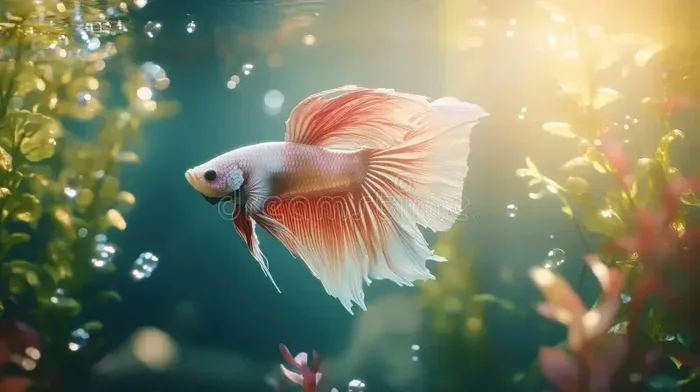
Can You Have Multiple Betta Fish in One Tank Safely
Can you have multiple betta fish in one tank is a question many new aquarium owners ask. The short answer is yes, but only under very specific conditions. You need the right tank size, careful species selection, and proper monitoring. This guide covers everything you need to know about keeping multiple bettas together without stress or aggression.
Many people fall in love with betta fish because of their stunning colors and flowing fins. They look beautiful in a small bowl or a cozy corner of your home. But as you learn more about these amazing creatures, you might wonder about their social needs. You may even ask yourself if they can share their space with others.
The truth is that bettas have a reputation for being aggressive. This reputation is not entirely fair, but it comes from real behavior. Male bettas will fight other males in the wild to protect their territory. In a small tank, that natural instinct becomes a serious problem. Still, many hobbyists successfully keep multiple fish together. You just need to understand the rules.
This article will walk you through everything you need to know. We will talk about tank size, gender differences, safe tank mates, and how to set up your aquarium for success. By the end, you will feel confident about making the right choice for your fish.
Key Takeaways
- Tank Size Matters: You need at least 20 gallons to safely house multiple bettas or compatible tank mates.
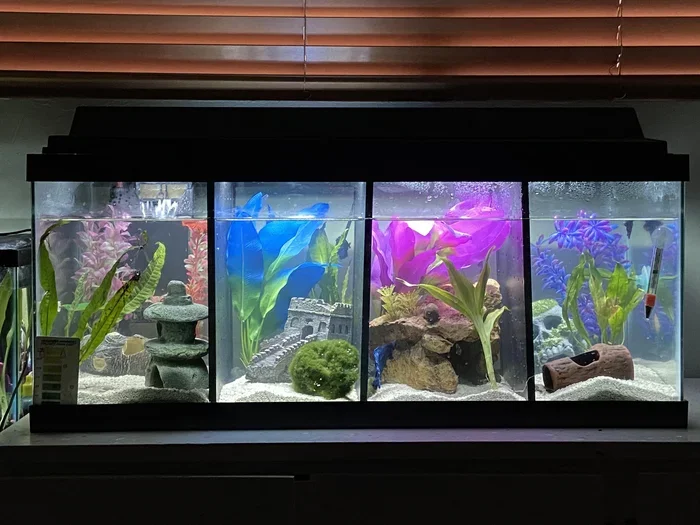
- Male Bettas Are Territorial: Never house two male bettas together without a solid divider or massive space.
- Female Betta Groups Work: You can keep a sorority of female bettas if you introduce them properly and monitor aggression.
- Choose Peaceful Tank Mates: Small, fast fish like neon tetras or bottom dwellers like Corydoras work best.
- Watch Water Parameters: Clean, filtered water reduces stress and lowers aggression levels dramatically.
- Provide Hiding Spots: Plants, rocks, and decorations give fish places to escape and establish boundaries.
- Observe Daily: Always watch your fish for signs of stress, fin nipping, or bullying after introductions.
Can You Have Multiple Betta Fish in One Tank?
The direct answer to can you have multiple betta fish in one tank is yes, but with important caveats. You cannot simply toss two fish into a small bowl and expect them to get along. Bettas are territorial by nature. They need space, structure, and careful planning.
The biggest factor is gender. Male bettas are highly aggressive toward other males. If you put two males together, they will likely fight until one is injured or dead. Female bettas are less aggressive, but they still need proper introductions and enough space. You can keep a group of females together, which is called a sorority tank. This setup works well when you follow the right steps.
You also need to think about tank mates. Some fish live peacefully with bettas. Others trigger aggression or get bullied. The key is to choose species that do not look like bettas, do not nip fins, and occupy different parts of the tank. When you match the right fish with the right environment, you can create a beautiful community aquarium.
Understanding Betta Behavior
Bettas come from shallow, slow-moving waters in Southeast Asia. In the wild, males claim small territories and defend them from rivals. They use their bright colors and large fins to warn off competitors. This behavior does not disappear just because they live in a tank.
Stress plays a huge role in aggression. A cramped tank, poor water quality, or lack of hiding spots will make any betta more irritable. On the other hand, a well-planted tank with clean water and plenty of room gives fish a chance to establish boundaries. When fish feel secure, they are much less likely to attack.
You should also watch for signs of stress. Clamped fins, hiding all the time, loss of color, or refusal to eat are all red flags. If you see these signs, you need to act fast. Sometimes the best solution is to separate the fish and try a different setup.
Male vs Female Bettas
Male bettas are the ones you usually see in pet stores. They have long, dramatic fins and vivid colors. They are also the most aggressive. You should never house two males together unless you have a very large tank with a solid divider. Even then, many experts recommend keeping them separate.
Female bettas are often shorter-finned and less colorful, but they can still be beautiful. They are more tolerant of each other, especially when introduced at the same time. A sorority tank usually works best with four to six females. This number spreads out the aggression so no single fish gets targeted too badly.
If you want to keep a male and female together, you must be very careful. This setup is usually only for breeding, and even then, it requires close supervision. After breeding, the male and female should be separated again. Keeping them together long-term is risky and not recommended for beginners.
Tank Size Requirements
Space is the most important factor when you ask can you have multiple betta fish in one tank. A small bowl or a one-gallon tank is never enough for more than one fish. In fact, even a single betta does best in at least five gallons. When you add more fish, you need more water volume to handle the extra waste and give everyone room to swim.
For a sorority of female bettas, aim for at least 20 gallons. This size gives each fish enough territory and reduces direct confrontations. If you want to add other tank mates, you may need 30 gallons or more. Larger tanks also stabilize water parameters better, which keeps stress low.
A good rule of thumb is to provide at least one gallon of water per inch of adult fish. This is a minimum, not a target. More space always equals a healthier, calmer aquarium. If you are unsure, it is better to go bigger than to risk crowding your fish.
Safe Tank Mates for Bettas
If you want a community tank, you need to choose your companions wisely. Some fish are peaceful and stay out of the betta’s way. Others are too flashy, too slow, or too aggressive. Here are some safe options to consider.
- Neon Tetras: These small, fast fish swim in schools and usually ignore bettas.
- Corydoras Catfish: Bottom dwellers that stay low and keep to themselves.
- Harlequin Rasboras: Calm, peaceful fish that do well in groups.
- Otocinclus Catfish: Tiny algae eaters that rarely cause trouble.
- Freshwater Snails: Slow-moving cleanup crew that most bettas ignore.
You should avoid fish with long, flowing fins because they can trigger a betta’s aggression. Goldfish are also a bad match. They produce a lot of waste, need cooler water, and can be quite nippy. If you want to learn more about what works and what does not, you can read our guide on can you have other fish in a betta tank.
Setting Up a Community Tank
A well-planned tank setup makes all the difference. Start with a sturdy filter that does not create too much current. Bettas prefer calm water, so a gentle filter is ideal. If you are not sure whether your betta needs filtration, check out our article on do betta fish have to be in a filtered tank.
Next, add plenty of live or silk plants. Real plants help clean the water and give fish places to hide. Silk plants are a good alternative because they will not tear delicate fins. Avoid plastic plants with sharp edges. You should also include driftwood, smooth rocks, and other decorations to break up sightlines. When fish cannot see each other all the time, they feel less threatened.
Water quality is another critical piece. Tap water often contains chlorine and heavy metals that harm fish. Always treat your water with a proper conditioner before adding it to the tank. If you want to know whether tap water is safe, read our full explanation at can you put your betta fish in tap water.
Try to use this simple checklist before adding any new fish:
- Tank is at least 20 gallons for multiple bettas or a community setup.
- Filter is running and cycled for several weeks.
- Plants and decorations provide hiding spots and visual barriers.
- Water temperature stays between 76 and 80 degrees Fahrenheit.
- You have a backup plan to separate fish if aggression occurs.
Introducing New Fish Safely
The way you add new fish matters just as much as the tank itself. Never dump a new fish straight into an established tank. Instead, use a slow acclimation process. Float the bag for about 15 minutes to match the temperature. Then add small amounts of tank water to the bag over 30 minutes. This helps the fish adjust without shock.
When you introduce a sorority of female bettas, add them all at the same time. This prevents one fish from claiming the whole tank before the others arrive. Spread out the introductions over a few hours if needed, but keep the process quick enough that no single fish dominates.
Watch the tank closely for the first few days. Some chasing and fin flaring is normal as fish establish their places. However, constant chasing, fin nipping, or one fish hiding all the time is not normal. If aggression gets too intense, be ready to remove the aggressor or separate the fish with a tank divider.
You may also wonder about adding cleaning fish to help with maintenance. Some people ask can you put a tank cleaning fish in with betta. The answer depends on the species. Small, peaceful cleaners can work, but aggressive or overly curious fish can cause stress. Always research before you buy.
Common Mistakes to Avoid
Even experienced hobbyists make mistakes when they try to keep multiple fish together. Here are some of the most common errors and how to avoid them.
- Using a tank that is too small: Crowding leads to stress, disease, and fighting. Always choose the largest tank you can afford.
- Adding fish too quickly: A sudden change in the tank’s population can upset the balance. Add fish slowly and monitor the results.
- Ignoring water quality: Dirty water weakens fish immune systems and increases aggression. Test your water regularly and do partial water changes.
- Picking flashy tank mates: Fish with bright colors or long fins can trigger a betta’s territorial instinct. Choose subdued, peaceful species.
- Skipping the quarantine step: New fish can carry diseases. Keep them in a separate tank for a couple of weeks before adding them to your main setup.
Another mistake is assuming that all bettas behave the same way. Each fish has its own personality. Some are calm and tolerant. Others are fierce and territorial. You need to observe your specific fish and adjust your plan accordingly. What works for one tank may not work for another.
Expert Tips for Long-Term Success
Keeping multiple fish together is rewarding, but it takes patience. Here are some expert tips to help your tank thrive over time.
First, maintain a consistent feeding schedule. Overfeeding causes waste buildup and health problems. Feed small amounts once or twice a day, and remove any uneaten food after a few minutes. Healthy fish are calmer fish, so good nutrition matters.
Second, perform regular water changes. A 25 percent change every week keeps nitrates low and replenishes minerals. Use a gravel vacuum to remove debris from the substrate. Clean water is the foundation of a peaceful aquarium.
Third, keep an eye on tank decorations. As plants grow and fish rearrange things, sightlines can change. If you notice new aggression, try moving a plant or rock to create a fresh barrier. Small adjustments can solve big problems.
Finally, trust your instincts. If something feels off, act quickly. It is better to separate fish early than to wait until someone gets hurt. Your fish depend on you to read the signs and make smart choices.
Quick Tips for a Peaceful Tank
- Start with a cycled tank: Never add fish to a brand-new setup. Let the filter establish beneficial bacteria first.
- Use a divider if needed: A tank divider can save lives when you need to separate aggressive fish temporarily.
- Keep schools of at least six: Small schooling fish feel safer and show more natural behavior in larger groups.
- Test water weekly: Ammonia, nitrite, nitrate, and pH levels tell you a lot about tank health.
- Watch feeding times: Some bettas guard food aggressively. Scatter food in different spots to reduce competition.
Key Takeaways for Multiple Betta Tanks
To wrap up the main advice, remember these core points. Can you have multiple betta fish in one tank comes down to planning, space, and careful observation. Male bettas should usually live alone or with a divider. Female bettas can live in groups if the tank is large enough. Peaceful tank mates can work well when you choose them wisely. Clean water, hiding spots, and slow introductions set the stage for success.
If you ever feel unsure, start small and build your knowledge. A single betta in a well-maintained 5-gallon tank is a great beginning. As you gain confidence, you can explore community setups and sorority tanks. The more you learn, the better your fish will do.
For more guidance on betta care, you might also want to read about can you put betta fish in tank right away and understand why patience matters during setup. You can also explore can you put plants in with betta fish to learn how greenery improves your aquarium.
Conclusion
So, can you have multiple betta fish in one tank safely? Yes, but only when you respect their nature and give them the right environment. Male bettas need separation or very careful management. Female bettas can form sororities in larger tanks with proper introductions. Peaceful tank mates can join the mix if you choose them wisely and provide enough space.
The secret to success is simple. Give your fish room to swim, clean water to live in, and places to hide. Watch them closely, especially in the first few weeks. Be ready to make changes when needed. With patience and care, you can enjoy a beautiful, lively aquarium full of healthy fish.
Your betta’s happiness depends on the choices you make today. Take your time, do your research, and build a tank that works for everyone. Your fish will thank you with vibrant colors, active swimming, and a calm, balanced home.
Frequently Asked Questions
Can you put two male betta fish in the same tank?
No, you should not put two male bettas in the same tank. They will almost always fight, and the aggression can lead to serious injury or death. If you want to keep two males, use a tank divider or separate tanks.
Can you have two female betta fish together?
Yes, you can keep two female bettas together, but a group of four to six works better. A larger group spreads out aggression and helps the fish establish a stable hierarchy. Always add them at the same time and monitor them closely.
What tank size do I need for multiple bettas?
You should use at least a 20-gallon tank for a sorority of female bettas. If you want to add other tank mates, consider 30 gallons or more. Larger tanks reduce stress and give fish enough space to establish territories.
Can betta fish live with other fish in the same tank?
Yes, bettas can live with other fish if you choose peaceful, non-aggressive species. Good options include neon tetras, Corydoras catfish, and snails. Avoid fish with long fins or bright colors that may trigger aggression.
How do I know if my bettas are fighting or just establishing territory?
Some chasing and fin flaring is normal at first. However, constant chasing, biting, clamped fins, or one fish hiding all the time means aggression is too high. If you see these signs, separate the fish immediately.
What should I do if my betta fish starts attacking tank mates?
Remove the aggressive fish as soon as possible. You can place it in a separate tank or use a tank divider. Check your water quality, tank size, and hiding spots, since poor conditions often increase aggression.