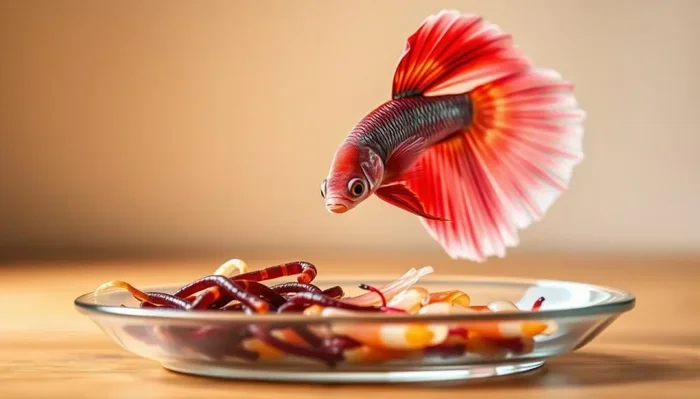
How Many Times Should You Feed A Betta Fish For Best Health

Feeding your betta fish the right amount at the right time is crucial for their long-term health and vibrant colors. Most experts agree that you should feed a betta fish two to three small meals per day, with portions they can finish in under two minutes. Overfeeding is a common mistake that leads to bloating, poor water quality, and shortened lifespans. By sticking to a consistent routine and adjusting for age and activity level, you can keep your betta thriving and happy.
Keeping a betta fish happy and healthy starts with one simple daily habit: feeding them the right way. Many new owners ask how many times should you feed a betta fish each day, and the answer is more important than it seems. Too little food leaves your fish hungry and weak. Too much food causes bloating, dirty water, and serious health problems. Finding the right balance takes a little knowledge, but it is easy once you understand your betta’s natural habits and dietary needs.
Bettas are small, active fish with fast metabolisms. In the wild, they eat small insects, larvae, and tiny organisms throughout the day. That means they thrive on frequent, small meals rather than one large feeding. Replicating this pattern in your home aquarium gives your fish steady energy, supports a strong immune system, and keeps their colors bright. The goal is not to fill their stomach. The goal is to provide steady, manageable nutrition without overwhelming their tiny digestive tract.
In this guide, we will break down exactly how often to feed your betta, how much food to offer, and what signs to watch for. You will also learn how age, water temperature, and tank setup affect feeding schedules. By the end, you will have a clear, practical routine that supports your betta’s long-term health and happiness.
Key Takeaways
- Ideal frequency: Feed adult bettas two to three times daily with small, manageable portions.
- Portion control: Only offer what your fish can consume in 2-3 minutes to avoid waste and health issues.
- Fasting days help: Skipping one meal per week gives their digestive system a healthy break.
- Age matters: Baby bettas need more frequent feedings, while older fish may require slightly less.
- Watch for signs: Bloating, lethargy, or leftover food indicate you are feeding too much or too often.
- Water quality link: Excess food pollutes the tank, so proper feeding directly impacts your betta’s environment.
- Consistency wins: A regular schedule reduces stress and helps your betta develop a healthy routine.
📑 Table of Contents
- Understanding How Many Times Should You Feed A Betta Fish
- Portion Size And Meal Frequency Explained
- Adjusting The Schedule For Age, Size, And Health
- Signs You Are Feeding Too Much Or Too Little
- How Feeding Habits Affect Water Quality And Tank Health
- Building A Consistent Feeding Routine For Long-Term Health
- Final Thoughts On Feeding Your Betta Fish
Understanding How Many Times Should You Feed A Betta Fish
The most common recommendation from experienced aquarists is to feed adult bettas two to three times per day. This frequency matches their natural grazing behavior and keeps their metabolism running smoothly. Each meal should be very small. A good rule of thumb is to offer only what your fish can finish in two to three minutes. If food remains after that time, you are giving too much.
Bettas have short digestive tracts designed for frequent, light meals. When you feed them large portions, the excess sits in their stomach and causes discomfort. Over time, this can lead to constipation, swim bladder issues, and even premature death. On the other hand, feeding too infrequently can leave your fish undernourished and less active. A steady schedule of small meals strikes the perfect balance.
You might wonder if one large meal per day is enough. While some owners try this approach, it does not match a betta’s natural eating pattern. Small, spaced-out feedings are gentler on their system and help maintain consistent energy levels. If your schedule is busy, two meals a day is perfectly fine as long as the portions stay small and the food is high quality.
Quick Tips for Daily Feeding
- Stick to a routine: Feed at roughly the same times each day to reduce stress.
- Use a timer: Watch your fish during meals and remove uneaten food after three minutes.
- Vary the diet: Rotate between pellets, frozen foods, and occasional live treats for balanced nutrition.
- Track portions: Start with two to three pellets per meal and adjust based on your fish’s size and appetite.
Portion Size And Meal Frequency Explained
Knowing how many times should you feed a betta fish is only half the equation. Portion size matters just as much. A betta’s stomach is roughly the size of its eye. This simple visual cue helps you avoid overloading your fish with too much food at once. For most adult bettas, two to four small pellets per meal is a safe starting point. If you use frozen or live foods, keep the portion equally small.
Different food types require slightly different approaches. Commercial pellets and flakes are convenient and nutritionally balanced, but they expand in water. Soak them briefly before feeding to prevent bloating. Frozen bloodworms or brine shrimp are excellent treats, but they should not replace staple pellets every day. Live foods like daphnia or mosquito larvae mimic natural prey and encourage hunting behavior, yet they should still be offered in modest amounts.
Your betta’s activity level also influences how much they need. A highly active fish in a spacious tank may burn through energy faster and handle slightly larger portions. A sedentary fish in a smaller setup needs less. Watch how your betta responds after meals. If they swim normally and show interest in food at the next feeding, your portion size is likely on track.
Common Mistakes To Avoid
- Feeding too much at once: Large portions overwhelm the digestive system and cloud the water.
- Leaving leftovers in the tank: Uneaten food decays quickly and spikes ammonia levels.
- Relying on one food type: A limited diet can cause nutritional gaps over time.
- Ignoring temperature changes: Cooler water slows metabolism, so your betta may need slightly less food.
Adjusting The Schedule For Age, Size, And Health
Not every betta follows the exact same feeding routine. Age, size, and overall health all play a role in how often and how much you should feed. Baby bettas, also called fry, need more frequent meals because they grow quickly and have tiny stomachs. They typically require small feedings three to four times a day with finely crushed flakes or specialized fry food. As they mature, you can gradually reduce the frequency to the standard adult schedule.
Young adult bettas usually thrive on two to three meals daily. Once a betta reaches full size, you can maintain that routine or slightly reduce portions if your fish becomes less active. Older bettas may slow down and need a lighter diet. If you notice your fish resting more or showing less interest in food, try reducing one meal per day or offering smaller portions. Always monitor their condition before making changes.
Health status also matters. A recovering betta may need extra care and easily digestible foods. If your fish is dealing with constipation or bloating, a short fasting period can help reset their system. Some owners wonder can you force feed a betta fish during illness, but forcing food is rarely the right approach. Instead, focus on gentle nutrition, clean water, and close observation.
Expert Insights On Age-Based Feeding
- Baby bettas: Feed small amounts three to four times daily with finely crushed food.
- Juvenile bettas: Transition to two to three meals per day as they grow.
- Adult bettas: Maintain two to three small meals with consistent portion control.
- Senior bettas: Consider lighter portions and watch for changes in appetite or activity.
Signs You Are Feeding Too Much Or Too Little
Your betta will give you clear signals when your feeding routine needs adjustment. Recognizing these signs early helps you prevent serious health issues. One of the most common warning signs of overfeeding is a swollen or distended belly. If your betta looks rounder than usual, especially after meals, you may be offering too much food or feeding too often. Lethargy, floating unevenly, or struggling to swim are also red flags.
Leftover food in the tank is another obvious clue. If pellets or flakes sit at the bottom after a feeding session, your fish is not eating everything you offer. This waste breaks down quickly and harms water quality. Dirty water stresses your betta and can lead to disease. Reducing portion size and removing uneaten food immediately keeps the tank cleaner and your fish healthier.
Underfeeding shows up in different ways. A hungry betta may become unusually aggressive during feeding time, search constantly for food, or lose color and body condition. If your fish looks thin or their spine becomes more visible, you may need to increase portion size or add an extra meal. The key is to adjust gradually and watch how your betta responds over several days.
Common Mistakes Section
- Ignoring belly shape: A consistently swollen stomach often means overfeeding.
- Overlooking water clarity: Cloudy water after meals suggests excess food decay.
- Assuming more food equals more energy: Too much food actually drains energy and causes discomfort.
- Waiting too long to adjust: Small changes made early prevent bigger health problems later.
How Feeding Habits Affect Water Quality And Tank Health
Feeding does more than nourish your betta. It also directly impacts the water they live in. Every uneaten pellet, flake, or treat eventually breaks down and releases waste into the tank. This process increases ammonia and nitrites, which are harmful to fish. Even small amounts of excess food can accumulate over time and create a stressful environment.
This is why portion control and clean-up matter so much. When you feed the right amount, your betta eats most of what you offer, and less waste sinks to the bottom. Removing leftovers with a net or siphon after each meal is a simple habit that protects water quality. Regular water changes also help, but they work best when your feeding routine is already under control.
Tank setup plays a supporting role too. A filter helps remove debris and maintain stable water conditions, but it cannot handle excessive food waste on its own. If you are wondering can you use a filter in a betta fish tank, the answer is yes, and it is highly recommended. A gentle filter paired with careful feeding creates a cleaner, safer home for your fish. Likewise, choosing the right substrate and decorations makes it easier to spot and remove leftover food before it decays.
Quick Tips For Cleaner Water
- Feed small portions: Less waste means cleaner water and less stress on your filter.
- Remove leftovers promptly: Use a small net or siphon after each feeding.
- Maintain a filter: Keep filtration running consistently to support water clarity.
- Test water regularly: Check ammonia and nitrite levels if you notice feeding-related changes.
Building A Consistent Feeding Routine For Long-Term Health
Consistency is one of the best gifts you can give your betta. Fish thrive on predictable routines because it reduces stress and helps their bodies regulate digestion and energy use. When you feed at similar times each day, your betta learns what to expect and stays more active and engaged. This simple structure also makes it easier for you to notice changes in appetite or behavior.
A good routine starts with choosing two or three feeding times that fit your schedule. Morning and evening meals work well for many owners. If you prefer three meals, add a midday feeding that is slightly smaller. Keep each portion light and remove any uneaten food after a few minutes. Over time, you will learn exactly how much your betta needs without guessing.
You can also build in a weekly fasting day. Skipping one meal each week gives your betta’s digestive system a break and helps prevent constipation. This practice is safe for healthy adult bettas and mirrors the natural variations they would experience in the wild. If you are ever unsure about how many times should you feed a betta fish during a busy week, remember that a slight reduction is safer than overfeeding.
Expert Insights On Routine Building
- Pick fixed times: Consistency helps your betta stay calm and healthy.
- Keep portions small: Light meals are easier to digest and produce less waste.
- Use a fasting day wisely: One lighter day per week supports digestive health.
- Observe daily: Watch for appetite changes, belly shape, and energy levels.
Comparison Table: Feeding Approaches At A Glance
| Approach | Frequency | Portion Size | Best For | Risks If Overused |
|---|---|---|---|---|
| Standard adult routine | 2-3 times daily | Small, finishes in 2-3 minutes | Most healthy adult bettas | Overfeeding if portions grow too large |
| Once-daily feeding | 1 time daily | Larger single meal | Owners with limited schedules | May not match natural grazing pattern |
| Frequent small meals | 3-4 times daily | Very small portions | Active bettas or younger fish | Time-consuming; easy to overfeed if not careful |
| Weekly fasting day | Skip 1 meal per week | No food that day | Digestive reset for healthy adults | Not ideal for very young or sick fish without guidance |
Final Thoughts On Feeding Your Betta Fish
Answering how many times should you feed a betta fish comes down to balance, observation, and consistency. For most adult bettas, two to three small meals each day is the sweet spot. Keep portions tiny, remove leftovers, and adjust based on age, activity, and health. When you feed with care, you support your betta’s digestion, keep the water cleaner, and help your fish live a longer, more vibrant life.
The best routine is the one you can maintain steadily. Start with small meals, watch how your betta responds, and make gentle adjustments as needed. Over time, you will develop a feeding rhythm that keeps your fish healthy and your tank in great shape. A well-fed betta is an active, colorful, and happy companion, and that begins with simple, thoughtful feeding habits every single day.
Frequently Asked Questions
How many times a day should I feed my adult betta fish?
Most adult bettas do best with two to three small meals each day. Keep portions tiny and only offer what they can finish in two to three minutes.
Can I feed my betta fish once a day instead of twice?
Yes, once-a-day feeding can work if your schedule requires it, but two smaller meals are usually better for digestion. If you feed once daily, keep the portion small and monitor your fish’s belly and energy.
How much food should I give my betta fish per meal?
A good starting point is two to four small pellets per meal, or a pinch of frozen food that your betta can finish quickly. Their stomach is roughly the size of their eye, so less is usually more.
Should I fast my betta fish sometimes?
Yes, a weekly fasting day can help healthy adult bettas by giving their digestive system a break. This may reduce bloating and support better long-term digestion, but avoid fasting very young or ill fish without guidance.
What happens if I feed my betta fish too much?
Overfeeding can cause a swollen belly, constipation, lethargy, and poor water quality from decaying leftovers. If you notice these signs, reduce portion size and remove uneaten food right away.
Does water temperature change how often I should feed my betta?
Yes, warmer water generally speeds up metabolism, while cooler water slows it down. If your tank is on the cooler side, your betta may need slightly smaller portions or fewer meals, so watch their appetite closely.