What to Put in a Betta Fish Tank for Happy Fish

Setting up a perfect home for your betta starts with knowing exactly what to put in a betta fish tank. The right water, safe decorations, and proper filtration make all the difference in keeping your fish vibrant and active. This guide covers every essential item you need, from substrate choices to live plants, so you can build a thriving aquarium with confidence.
Welcoming a betta fish into your home is an exciting moment. These colorful swimmers bring life and personality to any room. Yet many new owners wonder exactly what to put in a betta fish tank to create a safe and happy environment. The answer goes far beyond just filling a bowl with water. Your betta needs clean water, proper temperature, gentle filtration, and enriching decorations to truly thrive.
Think of your aquarium as a miniature ecosystem. Every item you add plays a role in water quality, fish behavior, and overall health. When you choose the right components from the start, you save time, money, and stress down the road. This guide walks you through each essential element so you can build a setup that keeps your betta fish active, colorful, and content for years to come.
Key Takeaways
- Start with conditioned tap water: Always treat tap water with a dechlorinator before adding it to your aquarium to remove harmful chemicals.
- Choose a gentle filter: Use a low-flow filter or sponge filter to keep water clean without stressing your betta fish.
- Add live plants: Plants like java fern and anubias provide hiding spots, improve water quality, and reduce boredom.
- Pick smooth decorations: Avoid sharp ornaments that can tear fins; opt for soft silk plants or smooth resin items instead.
- Use a proper substrate: Gravel or sand gives beneficial bacteria a place to grow and anchors plant roots securely.
- Maintain stable temperature: Keep water between 78-80°F with a reliable heater to support your betta fish metabolism and immune system.
- Avoid overcrowding: Bettas thrive alone or with carefully chosen tank mates in a properly sized aquarium.
📑 Table of Contents
Understanding What to Put in a Betta Fish Tank for Optimal Health
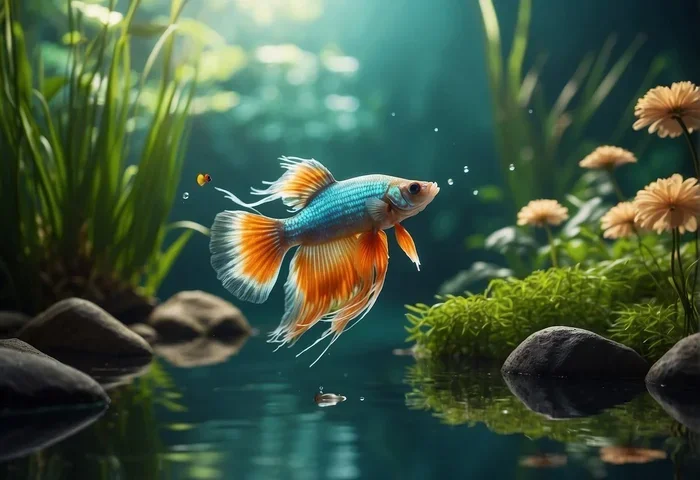
Before buying any equipment, it helps to understand the natural habits of betta fish. In the wild, these fish live in slow-moving streams, rice paddies, and shallow ponds. They prefer calm water with plenty of cover. Replicating these conditions in your aquarium reduces stress and encourages natural behaviors. When you ask what to put in a betta fish tank, the first answer is always a stable, clean environment that mimics their native habitat.
Water quality stands as the most critical factor. Tap water often contains chlorine, chloramines, and heavy metals that harm fish gills and skin. You must treat every drop before it enters the tank. A good water conditioner neutralizes these toxins instantly. Many beginners overlook this step, but it forms the foundation of every successful aquarium. Once your water is safe, you can focus on temperature, filtration, and enrichment items.
Choosing the Right Water Source
Not all water works equally well for bettas. Tap water remains the most practical choice for most owners, provided you condition it properly. You might also consider spring water or purified water, but each option has trade-offs. Spring water sometimes lacks consistent mineral content, while purified water strips away beneficial electrolytes. If you want to explore different water types, you can read more about using purified water in a betta fish tank to see if it fits your setup.
Whatever source you choose, test the pH and hardness regularly. Bettas prefer slightly acidic to neutral water, usually between 6.5 and 7.5. Sudden swings in chemistry stress fish and weaken their immune systems. Keep a simple test kit on hand and record your readings weekly. Consistency matters more than perfection.
Temperature and Heating Requirements
Bettas are tropical fish that thrive in warm water. The ideal range sits between 78 and 80 degrees Fahrenheit. Cooler temperatures slow their metabolism, reduce appetite, and make them prone to illness. A reliable adjustable heater keeps your tank stable throughout the day and night. Look for a heater rated for your tank size and pair it with a separate thermometer for accuracy.
Place the heater near a filter output or water flow path. This helps distribute warmth evenly and prevents hot spots. Avoid placing the tank near windows, vents, or drafty doors. Temperature fluctuations confuse fish and force them to expend extra energy staying comfortable. A steady environment lets your betta focus on exploring and displaying natural colors.
Essential Filtration and Water Movement
Many people assume bettas hate filters because they dislike strong currents. That idea is only half true. Bettas do prefer calm water, but they still need filtration to remove waste and support beneficial bacteria. The key is choosing a system that moves water gently. When deciding what to put in a betta fish tank, a soft filter ranks high on the list.
Sponge filters work wonderfully for bettas. They provide mechanical and biological filtration while creating minimal surface disturbance. Hang-on-back filters with adjustable flow also suit larger tanks. You can baffle the output with a piece of sponge or a plastic bottle to slow the current. The goal is clear water and steady oxygen exchange without pushing your fish around.
Why Filtration Matters for Betta Fish
Filters host colonies of helpful bacteria that break down ammonia and nitrites. These compounds rise from fish waste, uneaten food, and decaying plants. Without filtration, toxins build up quickly and harm your betta. A well-functioning filter keeps the nitrogen cycle balanced and reduces the frequency of water changes. You still need to perform regular maintenance, but a filter makes the job much easier.
Some owners worry that filters create too much noise or bubbling. Modern sponge filters and quiet hang-on-back models run smoothly with little sound. If you notice strong currents, adjust the flow or add a baffle. Your betta should swim comfortably in all parts of the tank without fighting the water movement.
Comparing Filter Options for Betta Tanks
Different filters serve different tank sizes and owner preferences. The table below compares common choices so you can pick the best fit.
| Filter Type | Best For | Flow Level | Maintenance |
|---|---|---|---|
| Sponge Filter | Small to medium tanks | Very gentle | Easy rinse during water changes |
| Hang-On-Back Filter | Medium tanks | Moderate, adjustable | Replace cartridges monthly |
| Internal Filter | Compact setups | Moderate | Clean intake and media regularly |
| Canister Filter | Large tanks | Customizable, often strong | More involved cleaning routine |
For most betta setups, a sponge filter or a low-flow hang-on-back unit offers the best balance. You can learn more about using a filter in a betta fish tank to match your choice with your tank size and layout.
Safe Decorations and Hiding Spots
Bettas feel secure when they have places to rest and explore. In the wild, they slip between roots, leaves, and shallow vegetation. Your aquarium should offer similar cover. When you think about what to put in a betta fish tank, smooth decorations and live plants top the list. These items reduce stress and encourage natural swimming patterns.
Avoid sharp plastic ornaments with jagged edges. Betta fins tear easily on rough surfaces. Instead, choose soft silk plants, smooth resin caves, or rounded driftwood. Always run your fingers over new decor before placing it in the tank. If it feels rough or prickly, leave it out. Your fish will thank you with intact fins and confident movement.
Live Plants That Thrive With Bettas
Live plants do more than look attractive. They absorb nitrates, release oxygen, and give bettas shaded areas to relax. Several easy species adapt well to beginner tanks. Java fern attaches to wood or rocks and requires minimal light. Anubias grows slowly and tolerates a wide range of conditions. Amazon swords add lush greenery but need more root space and nutrients.
Plant stems can also work well in larger setups. If you want to experiment with stem plants, review guidance on placing plant stems in a large betta fish tank to ensure proper growth and spacing. Live plants create a natural feel and give your betta a richer environment to explore.
Decorations to Avoid
Some items look charming but cause problems. Metal objects rust and alter water chemistry. Painted toys may flake and release toxins. Crystals and gemstones sometimes leach minerals that shift pH unexpectedly. If you wonder about adding crystals to a betta fish tank, it is best to research each stone carefully before dropping it in. Stick to aquarium-safe materials labeled specifically for fish use.
Also avoid small openings that trap fish. Some ornamental caves have narrow entrances that snag fins or trap bettas inside. Choose items with wide openings and smooth interiors. Your betta should enter and leave hiding spots without hesitation.
Substrate Choices and Tank Bottom Setup
The substrate forms the foundation of your aquarium. Gravel and sand both work well for bettas, but each offers different benefits. Gravel comes in many colors and sizes, and its rough surface helps beneficial bacteria cling to it. Sand creates a smooth bottom that some bettas enjoy sifting through. It also looks natural and makes planted tanks appear seamless.
Rinse your substrate thoroughly before adding it to the tank. Dust and fine particles cloud the water and make filtration harder. Add a layer about one to two inches deep for gravel, or a slightly thinner layer for sand. This depth supports plant roots and gives bacteria enough surface area to thrive.
How Substrate Affects Water Quality
A clean substrate traps waste before it floats freely in the water column. During water changes, use a gravel vacuum to remove debris from the bottom. This simple habit prevents ammonia spikes and keeps the tank fresh. If you keep live plants, choose a substrate that supports root growth or add a nutrient layer beneath the top gravel.
Some owners ask whether certain minerals help bettas. Calcium and other trace elements can influence water hardness, but most tap water already contains adequate levels. If you want to explore mineral adjustments, you can read about adding calcium to water with a betta fish to understand when it might help. In most cases, stable conditioned tap water works perfectly.
Plants, Ornaments, and Enrichment Items
A betta tank should feel alive and interesting. Enrichment keeps fish mentally engaged and reduces boredom. You can add safe ornaments, floating logs, leaf hammocks, and live or artificial plants. Leaf hammocks give bettas a place to rest near the surface, which many fish enjoy during rest periods. Floating plants like frogbit or salvinia provide shade and soften surface movement.
Some owners like to add terrestrial plants that extend above the water. Lucky bamboo and certain ivy varieties can work if kept properly. If you consider adding lucky bamboo to a betta fish tank, make sure the roots stay submerged while stems remain above water. Always verify that any plant you introduce does not leak chemicals or rot underwater.
Creating a Natural Layout
Arrange your tank with open swimming space and covered resting areas. Place taller plants or ornaments at the back and shorter items near the front. This layout gives your betta clear sightlines and plenty of room to patrol. Leave a few gaps between decor so the fish can slip through easily. A well-planned tank looks beautiful and supports natural behavior.
Rotate decorations occasionally if your betta seems uninterested. Changing the layout slightly can spark curiosity and encourage exploration. Just avoid major rearrangements too often, since bettas prefer familiar surroundings. Small updates keep the environment fresh without causing stress.
Common Mistakes to Avoid
Even well-meaning owners make errors when setting up a new tank. Learning what to avoid saves your fish from unnecessary harm. Here are some frequent mistakes and how to fix them.
- Using untreated tap water: Always condition water before adding it to the tank.
- Choosing sharp decorations: Smooth every item before placing it in the aquarium.
- Skipping the heater: Warm, stable water keeps bettas active and healthy.
- Overcrowding the tank: Give your betta enough space and avoid adding aggressive tank mates.
- Ignoring water testing: Test weekly and adjust care based on real readings.
- Cleaning with soap: Never use soap or detergent on tank items. Check guidance on using soap to clean a betta fish tank to see why this harms your setup.
- Adding fish too quickly: Cycle your tank first and introduce new residents slowly.
These simple habits prevent most beginner problems. A careful setup pays off with clearer water, healthier fish, and fewer emergencies.
Expert Tips for a Thriving Betta Setup
Experienced keepers focus on consistency and observation. Watch your betta daily and note changes in appetite, color, and swimming style. Healthy fish explore confidently and rest without hiding constantly. If you see clamped fins, lethargy, or rapid breathing, check water parameters first. Most issues trace back to water quality or temperature swings.
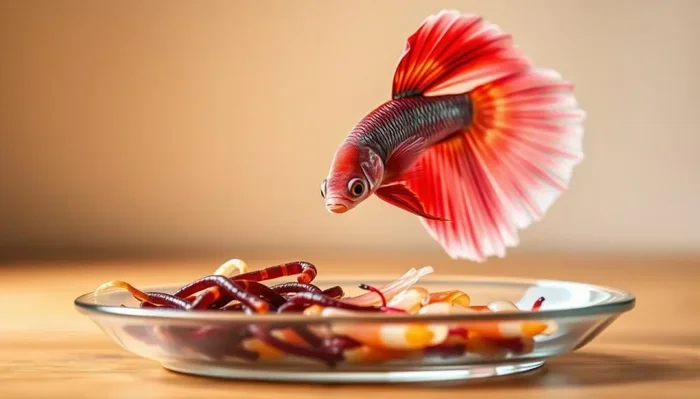
Feed a varied diet in small portions. Betta pellets, frozen bloodworms, and occasional brine shrimp offer balanced nutrition. Overfeeding clouds the water and stresses the filter. Remove uneaten food after a few minutes. A clean tank with a well-fed fish creates a stable environment that supports long-term health.
Also consider the tank size and future plans. Some owners wonder whether placing a betta in a big tank works well. Larger tanks often stabilize faster and give you room for plants and gentle decor. Just ensure the water flow stays mild and the heater reaches all areas evenly.
Quick Tips for Ongoing Care
- Perform partial water changes every week or two.
- Rinse filter media in removed tank water, not tap water.
- Keep a thermometer visible and check it daily.
- Trim plants when they grow too dense.
- Observe your betta at feeding time for early signs of trouble.
Conclusion
Creating a wonderful home for your betta fish comes down to choosing the right elements from the start. When you think carefully about what to put in a betta fish tank, you set the stage for clear water, calm currents, safe hiding spots, and a comfortable temperature. Conditioned water, a gentle filter, live plants, smooth decorations, and a proper substrate work together to support your fish every day.
Take your time during setup and test your water often. Watch how your betta responds to each change and adjust as needed. With a thoughtful layout and consistent care, your tank will become a vibrant, low-stress habitat that lets your betta shine. The effort you invest now leads to a healthier, happier fish and a more rewarding experience for you.
Frequently Asked Questions
What water should I put in a betta fish tank?
Conditioned tap water works best for most betta tanks because it contains stable minerals and is easy to treat. You can also use spring water or purified water, but always test pH and hardness first. Learn more about using sink water in a betta fish tank if you want to compare water sources.
Can I put live plants in a betta fish tank?
Yes, live plants improve water quality and give bettas shelter. Java fern, anubias, and floating plants are excellent beginner choices. They grow well with moderate light and help absorb nitrates from the water.
Do betta fish need a filter in their tank?
Bettas benefit from a gentle filter that removes waste and supports beneficial bacteria. A sponge filter or low-flow hang-on-back unit works well. You can read more about whether betta fish can live in a filtered tank to choose the right option.
What decorations are safe for a betta fish tank?
Smooth silk plants, rounded resin ornaments, and soft driftwood are safe choices. Avoid sharp edges, metal items, and untested crystals that may alter water chemistry. Always inspect decor before adding it to the aquarium.
Can I put two betta fish in the same tank?
Male bettas should not share a tank because they fight aggressively. Female bettas can sometimes live in groups, but careful monitoring is required. If you want details, check whether you can put two betta fish in a tank together before making a decision.
How often should I clean the substrate in a betta fish tank?
Clean the substrate during regular water changes using a gravel vacuum. Remove debris and uneaten food from the bottom to prevent ammonia buildup. Rinse filter media in old tank water to protect beneficial bacteria.