If you’ve noticed your betta fish looking a little “peel-y” lately, you’re not alone. Many new betta owners wonder, can betta fish shed? The short answer is no — betta fish do not naturally shed their scales or skin the way snakes or some other animals do. If you’re seeing something that looks like shedding, it’s usually a sign of an underlying health issue that needs attention. In this article, we’ll break down exactly what’s happening, what to look for, and how to keep your betta healthy and happy.
Key Takeaways
- Betta fish do not naturally shed: Unlike reptiles, betta fish are not designed to shed their scales or skin as part of a normal biological process.
- Visible peeling or flaking is a warning sign: If you notice your betta appears to be shedding, it’s likely a symptom of disease, poor water quality, or physical damage.
- Common causes include fungal infections, ich, and fin rot: These conditions can cause the slime coat or scales to appear flaky, peeling, or damaged.
- Water quality is the #1 factor: Poor water conditions stress your betta and make them far more susceptible to skin and scale problems.
- Healthy bettas have vibrant, intact scales: A healthy betta should have smooth, shiny scales with no signs of peeling, white patches, or discoloration.
- Early treatment is critical: Most shedding-related illnesses are treatable if caught early, but can become fatal if ignored.
- Prevention is always better than cure: Regular water changes, proper tank size, and a balanced diet go a long way in keeping your betta’s skin and scales healthy.
📑 Table of Contents
- Can Betta Fish Shed? Here’s What You Need to Know
- Do Betta Fish Naturally Shed Their Scales or Skin?
- Common Conditions That Look Like Shedding
- How to Tell If Your Betta Is Healthy
- What to Do If Your Betta Appears to Be Shedding
- Preventing Skin and Scale Problems in Betta Fish
- When to See a Vet
- Conclusion
Can Betta Fish Shed? Here’s What You Need to Know
You’re staring into your betta fish tank, admiring those gorgeous flowing fins and iridescent scales, when suddenly you notice something strange. There are little flakes or translucent pieces floating near your fish. Maybe your betta looks a bit dull, or its skin appears to be peeling. Your first thought? Can betta fish shed?
It’s a surprisingly common question, and honestly, it’s a good one. The sight of something that looks like shedding can be alarming — especially if you’re a new betta owner. The good news is that understanding what’s normal and what’s not can make all the difference for your fish’s health. Let’s dive deep into this topic so you know exactly what to look for and what to do.
First things first — let’s set the record straight. Betta fish are not like snakes, lizards, or even some other fish species that go through natural shedding cycles. If something looks like shedding is happening with your betta, it’s almost always a symptom of something else going on. But don’t panic just yet. By the end of this guide, you’ll know how to identify the problem, treat it, and prevent it from happening again.
Do Betta Fish Naturally Shed Their Scales or Skin?
The Biology Behind Betta Fish Scales
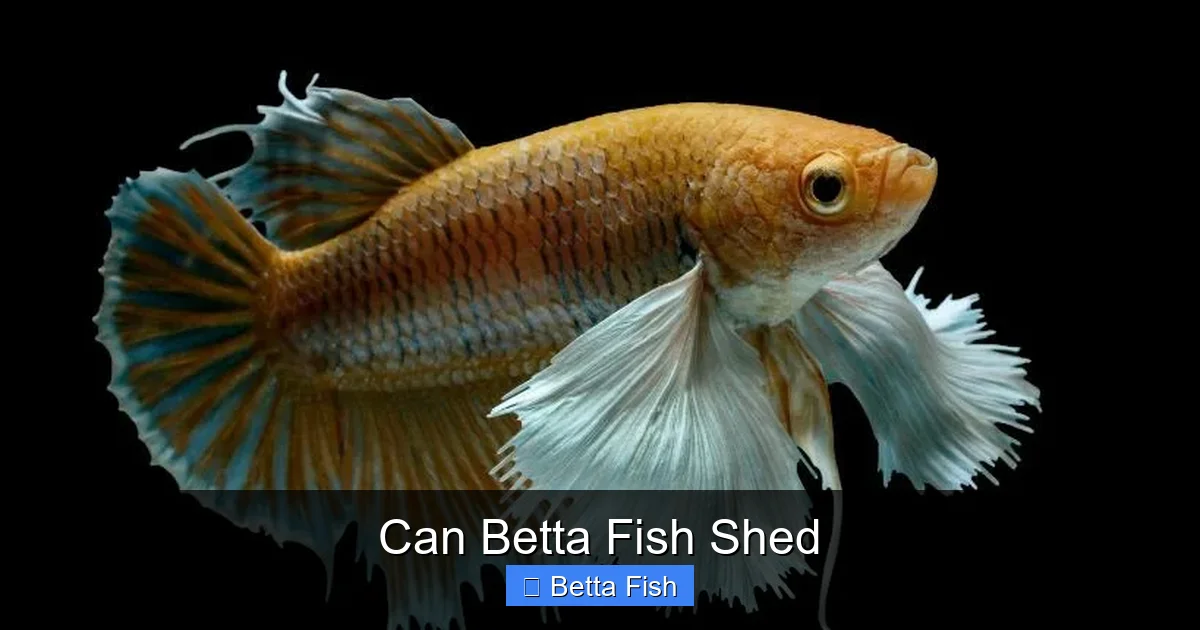
To understand why betta fish don’t shed, it helps to know a little about how their scales work. Betta fish are covered in tiny, overlapping scales that form a protective layer over their bodies. These scales are made of a bony substance and are covered by a thin layer of skin that produces mucus — also known as the slime coat. This slime coat is incredibly important. It protects your betta from bacteria, parasites, and fungal infections.
Visual guide about Can Betta Fish Shed
Image source: tinyfishtank.com
As your betta grows, new scales develop underneath the existing ones, and the fish gradually gets larger. But this is very different from “shedding” in the way we typically think about it. There’s no molting process, no peeling skin, and no seasonal scale loss. A healthy betta’s scales should remain intact and firmly attached throughout its life.
What “Shedding” Usually Means in Betta Fish
So if betta fish don’t shed, why does it sometimes look like they do? The answer is usually one of several health-related issues. When you see flakes, peeling, or patches on your betta, it’s typically a sign that something has gone wrong. The most common culprits include:
- Fungal infections that cause the slime coat to overproduce or flake off
- Parasitic infections like ich (white spot disease)
- Bacterial infections affecting the skin or scales
- Physical injury from sharp tank decorations or aggressive tank mates
- Poor water quality causing slime coat deterioration
Think of it this way — if your betta looks like it’s shedding, it’s actually sending you a distress signal. Your job is to figure out what’s causing the problem and fix it quickly.
Common Conditions That Look Like Shedding
Fungal Infections
Fungal infections are one of the most common reasons betta owners think their fish is shedding. When a betta develops a fungus, it often appears as white, cotton-like growths on the body, fins, or mouth. In the early stages, though, it can look like white flakes or patches that might be mistaken for shedding skin.

Visual guide about Can Betta Fish Shed
Image source: tinyfishtank.com
Fungal infections usually happen when a betta’s immune system is weakened — often due to stress, injury, or poor water conditions. If you notice fuzzy white patches or what looks like peeling white film on your betta, a fungal infection is a likely culprit. Treatment typically involves antifungal medications and improving water quality.
Ich (White Spot Disease)
Ich is caused by a parasite called Ichthyophthirius multifiliis, and it’s one of the most well-known fish diseases in the aquarium hobby. When a betta has ich, you’ll see tiny white spots scattered across its body and fins — almost like someone sprinkled salt on your fish. These spots can sometimes look like the fish is shedding or losing small pieces of its scales.
Ich is highly contagious, so if you have other fish in the tank, you’ll need to treat the entire aquarium. The good news is that ich is very treatable with over-the-counter medications and by gradually raising the water temperature to speed up the parasite’s life cycle. If you’re keeping your betta with other species, you might want to check out our guide on what other fish can live with betta fish to understand compatibility and disease risks.
Fin Rot
Fin rot is a bacterial infection that causes the edges of your betta’s fins to look ragged, torn, or disintegrating. In severe cases, it can look like the fins are literally falling apart — which some owners mistake for shedding. While fin rot primarily affects the fins, in advanced cases it can spread to the body and cause scale damage as well.
Fin rot is almost always linked to poor water quality. If your betta’s tank isn’t clean, harmful bacteria thrive and attack your fish’s delicate fin tissue. Treatment involves clean water, aquarium salt, and sometimes antibiotics for more severe cases. You can learn more about this in our article on whether betta fish fins can grow back.
Slime Coat Issues
Your betta’s slime coat is its first line of defense against disease. When this mucus layer becomes damaged or overproduced, it can appear as a whitish, filmy substance on your betta’s body. Some owners see this excess slime and think their fish is shedding skin.
Slime coat problems are usually triggered by stress, sudden water changes, or exposure to toxins like ammonia. The best treatment is to identify and remove the stressor, perform gentle water changes, and consider adding a slime coat supplement to the water.
How to Tell If Your Betta Is Healthy
Signs of a Healthy Betta
Knowing what a healthy betta looks like is the best way to spot problems early. Here’s what to look for:
Visual guide about Can Betta Fish Shed
Image source: bettasource.com
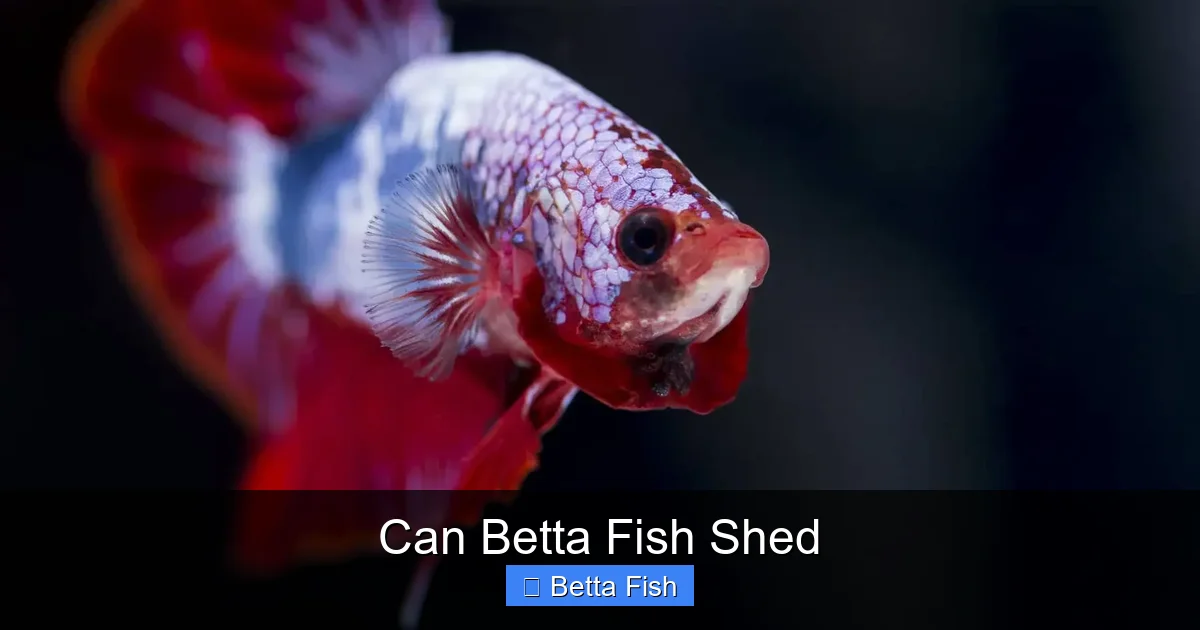
- Vibrant color: A healthy betta has rich, vivid coloration. Dull or faded colors can indicate stress or illness.
- Smooth, intact scales: The scales should lie flat and smooth against the body with no gaps, raised areas, or missing patches.
- Clear eyes: Eyes should be bright and clear, not cloudy or bulging.
- Active swimming: While bettas do rest, a healthy betta should be responsive and swim actively when awake.
- Good appetite: A healthy betta will eat eagerly. Loss of appetite is often one of the first signs of illness.
- Intact fins: Fins should be whole, not torn, clamped, or disintegrating.
Red Flags to Watch For
On the flip side, here are signs that something might be wrong:
- White spots, patches, or fuzzy growths on the body
- Flakes or film floating off the fish
- Rubbing against tank decorations (flashing)
- Lethargy or sitting at the bottom of the tank
- Loss of color or unusual darkening
- Raised scales (which can indicate dropsy)
- Refusing to eat for more than a couple of days
If you notice any of these signs, don’t wait. Early intervention is the key to successful treatment.
What to Do If Your Betta Appears to Be Shedding
Step 1: Test Your Water
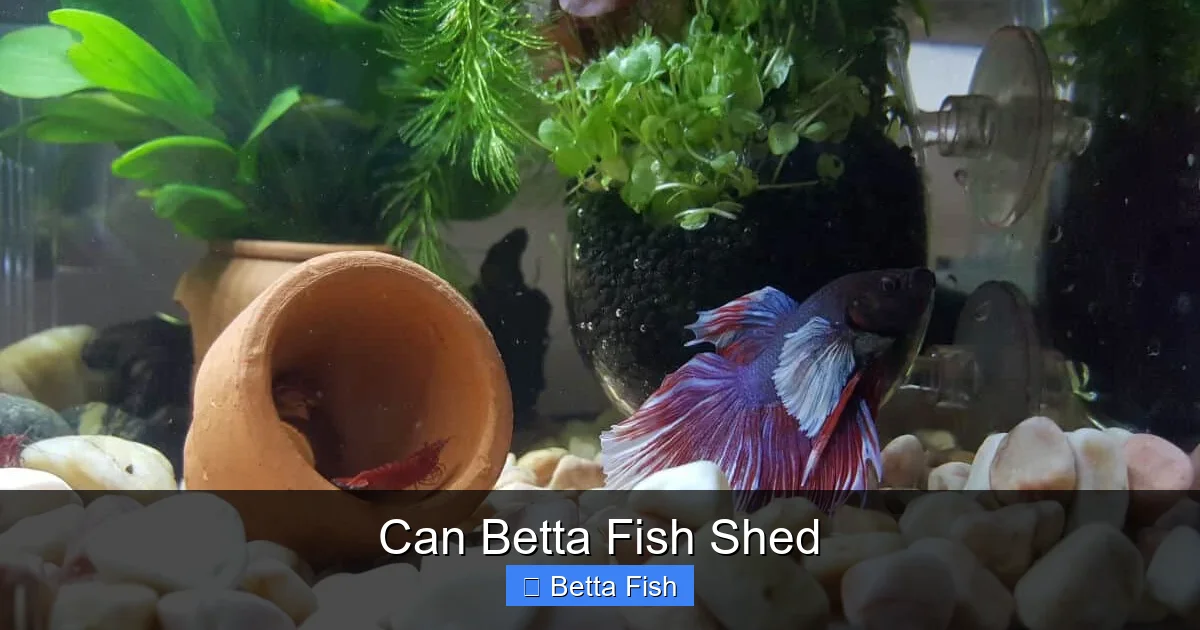
The very first thing you should do is test your water parameters. Get a reliable aquarium test kit and check for ammonia, nitrite, nitrate, and pH levels. Ammonia and nitrite should always be at 0 ppm, nitrate should be below 20 ppm, and pH should be between 6.5 and 7.5 for bettas.
Visual guide about Can Betta Fish Shed
Image source: articles.hepper.com
Poor water quality is the root cause of most betta health problems. If your parameters are off, perform a 25-50% water change immediately and figure out what’s causing the imbalance. Overfeeding, overstocking, and infrequent water changes are the most common causes.
Step 2: Observe and Identify the Problem
Take a close look at your betta and try to identify what you’re seeing. Are there white spots? Fuzzy patches? Ragged fins? Floating flakes? Each symptom points to a different condition, and accurate identification is crucial for proper treatment.
If you’re not sure what you’re dealing with, take a clear photo and consult with a knowledgeable aquarium store employee or an online betta fish community. Many experienced hobbyists can help you identify the problem just from a picture.
Step 3: Begin Appropriate Treatment
Once you’ve identified the likely cause, start treatment right away. Here are some general guidelines:
- For fungal infections: Use an antifungal medication like methylene blue or a commercial fungus treatment. Follow the dosage instructions carefully.
- For ich: Raise the water temperature gradually to 82-86°F and use an ich medication containing malachite green or copper.
- For fin rot: Improve water quality immediately, add aquarium salt (1 teaspoon per gallon), and consider antibacterial medication for severe cases.
- For slime coat issues: Reduce stress, perform small daily water changes, and add a slime coat supplement.
Always remove activated carbon from your filter before medicating, as it will absorb the medication and render it ineffective.
Step 4: Quarantine If Necessary
If your betta is housed with other fish and you suspect a contagious disease like ich or a bacterial infection, consider moving your betta to a quarantine tank for treatment. This protects your other fish and allows you to medicate without affecting your main tank’s beneficial bacteria.
Setting up a simple quarantine tank doesn’t have to be complicated. A 3-5 gallon tank with a heater and a sponge filter is all you need. Keep the water clean and monitor your betta closely during treatment.
Preventing Skin and Scale Problems in Betta Fish
Maintain Excellent Water Quality
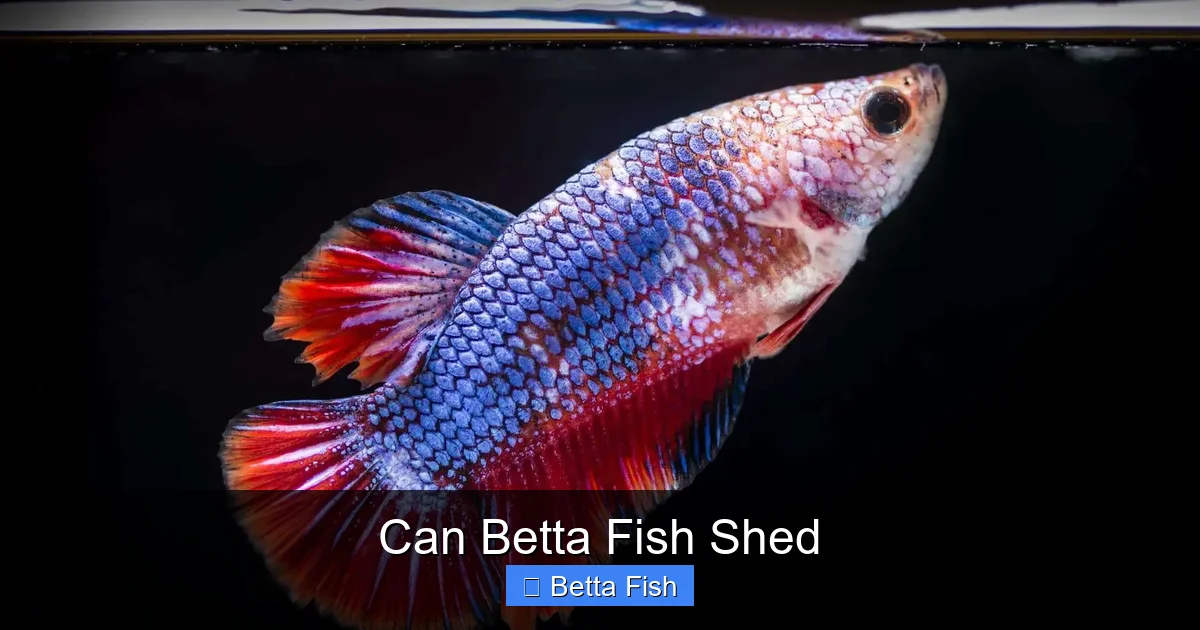
This cannot be stressed enough — clean water is the single most important factor in betta fish health. Here’s a simple maintenance routine:
Visual guide about Can Betta Fish Shed
Image source: bettasource.com
- Perform 25% water changes weekly for tanks 5 gallons and larger
- Use a water conditioner to remove chlorine and chloramines
- Test your water parameters weekly
- Don’t overfeed — remove uneaten food after 5 minutes
- Vacuum the gravel during water changes to remove waste buildup
If you’re keeping your betta in a small bowl, you’re making your life much harder — and your betta’s life much shorter. Small volumes of water become toxic very quickly. For the health of your fish, a minimum of 5 gallons with a filter and heater is strongly recommended. Our article on whether you can keep betta fish in a small bowl goes into more detail on why tank size matters so much.
Feed a Balanced Diet
Nutrition plays a huge role in your betta’s overall health, including the condition of its skin and scales. Bettas are carnivores and need a protein-rich diet. High-quality betta pellets should be the staple, supplemented with frozen or live foods like bloodworms, brine shrimp, and daphnia.
Avoid overfeeding — bettas have tiny stomachs (about the size of their eye). Feed 2-3 pellets twice a day, and consider one fasting day per week to aid digestion. For more feeding tips, check out our guide on what betta fish can eat.
Reduce Stress
Stress weakens your betta’s immune system and makes it more vulnerable to all kinds of health problems, including those that look like shedding. Common stressors include:
- Tank mates that are too aggressive or too active
- Bright lighting with no hiding spots
- Strong water current from an overpowered filter
- Sudden temperature changes
- Loud noises or vibrations near the tank
Provide plenty of hiding spots with live or silk plants, keep the tank in a quiet area, and make sure the water temperature stays stable between 76-82°F. If you’re considering adding tank mates, research compatibility carefully — not all fish make good betta companions.
Choose Tank Decorations Carefully
Sharp plastic plants and rough decorations can tear your betta’s delicate fins and damage its scales. Always opt for silk plants or live plants instead of plastic ones. If you’re not sure if a decoration is safe, run a pair of pantyhose over it — if the hose snags or tears, it’ll do the same to your betta’s fins.
Smooth rocks, driftwood, and betta hammocks are all great additions that won’t harm your fish. A well-decorated tank also gives your betta places to explore and hide, which reduces stress and promotes natural behavior.
When to See a Vet
Most betta fish health issues can be treated at home with the right knowledge and products. However, there are times when professional help is needed. Consider consulting an aquatic veterinarian if:
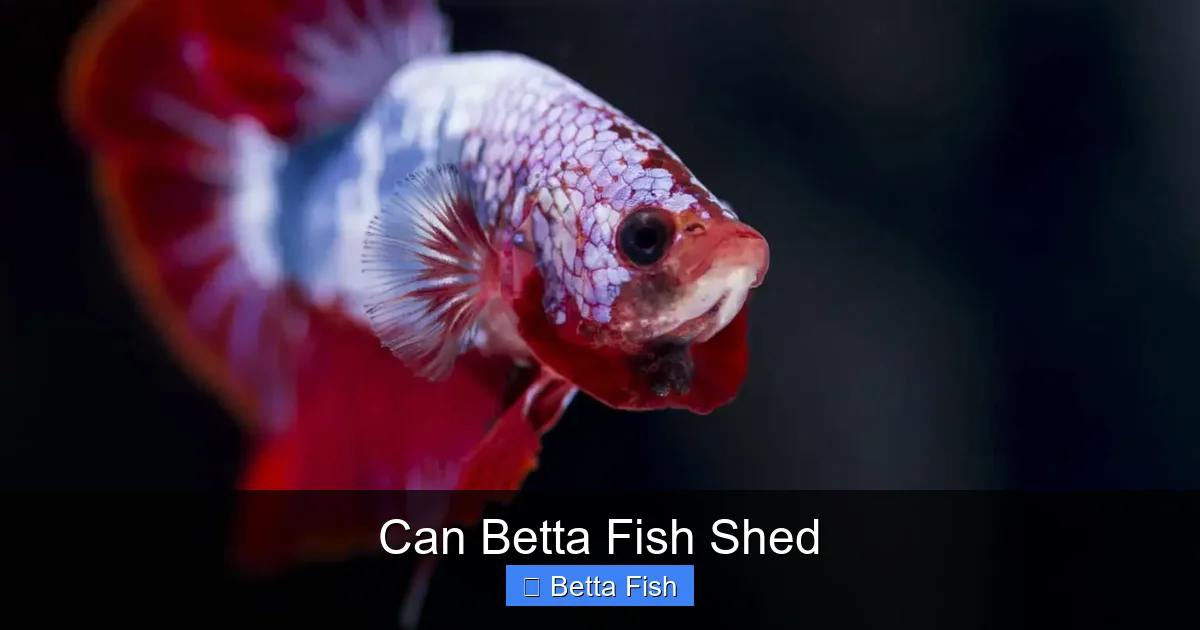
Visual guide about Can Betta Fish Shed
Image source: bettasource.com
- Your betta’s condition doesn’t improve after a week of treatment
- Multiple symptoms appear at once (e.g., bloating plus raised scales plus lethargy)
- Your betta stops eating entirely for more than 3-4 days
- You notice rapid breathing, gasping at the surface, or other signs of severe distress
- You’re unsure of the diagnosis and home treatments aren’t working
Finding a vet who specializes in fish can be challenging, but they do exist. A quick online search for “aquatic veterinarian near me” or a call to your local aquarium society can point you in the right direction. Some vets even offer telemedicine consultations for fish, which can be incredibly helpful.
Conclusion
So, can betta fish shed? The answer is a clear no — betta fish do not naturally shed their scales or skin. If you’re seeing something that looks like shedding, it’s almost always a sign of an underlying health issue that needs your attention. Whether it’s a fungal infection, ich, fin rot, slime coat damage, or simply poor water quality, the key is to act quickly and address the root cause.
The best thing you can do for your betta is to provide a clean, properly sized tank with stable water parameters, feed a nutritious diet, and keep stress to a minimum. Regular observation of your fish will help you catch problems early, when they’re easiest to treat. Remember, a healthy betta is a beautiful betta — with smooth, shiny scales and flowing fins that make these fish so beloved by aquarium enthusiasts around the world.
Your betta depends on you for everything. By staying informed and proactive, you can enjoy many happy years with your colorful, charismatic little friend. And if you ever have doubts about what you’re seeing, don’t hesitate to reach out to the betta fish community — there are thousands of experienced keepers who are happy to help.
Frequently Asked Questions
Do betta fish shed their skin like snakes?
No, betta fish do not shed their skin or scales the way snakes do. If you notice peeling, flaking, or what looks like shedding on your betta, it’s a sign of a health issue such as a fungal infection, ich, or poor water quality that needs to be addressed.
Why does my betta fish have white flakes on it?
White flakes on a betta fish can indicate several conditions, including fungal infections, ich (white spot disease), or excess slime coat production. Test your water parameters first, then observe your betta closely to determine the exact cause and begin appropriate treatment.
Can betta fish lose scales?
Betta fish can lose scales due to physical injury, aggressive tank mates, or severe infections, but this is not a natural process. Lost scales can sometimes regrow, but the underlying cause must be treated to prevent further damage and infection.
How do I know if my betta fish is healthy?
A healthy betta has vibrant color, smooth and intact scales, clear eyes, active swimming behavior, a good appetite, and undamaged fins. Any deviation from these signs — such as dull color, white spots, lethargy, or loss of appetite — could indicate a health problem.
What should I do if my betta looks like it’s shedding?
First, test your water parameters and perform a water change if needed. Then, closely observe your betta to identify the specific symptoms. Based on what you see, begin appropriate treatment — whether that’s antifungal medication, ich treatment, or simply improving water conditions.
Can poor water quality cause my betta to shed?
Poor water quality doesn’t cause true shedding, but it can lead to conditions that look like it — such as slime coat overproduction, fungal infections, and bacterial issues. Maintaining clean water with regular changes is the best way to prevent these problems.

