What Brand of Spring Water Is Best for Betta Fish
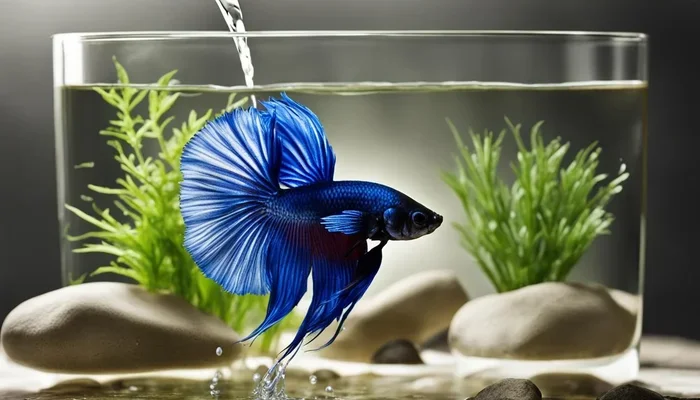
Not all spring water is safe for betta fish. The best brand depends on mineral content, pH levels, and whether the water has been purified. Choosing the right spring water can improve your betta’s color, energy, and lifespan. In this guide, you will learn which brands top the list and how to pick the perfect water for your betta tank.
Every betta fish owner wants the same thing: a happy, healthy fish that displays vibrant colors and lively behavior. One of the biggest factors that determines how well your betta thrives is the water you put in the tank. Not all water is created equal, and this is where the debate about spring water comes in. If you have ever wondered about the best water for your betta, you are not alone. This topic comes up constantly in betta care communities.
So, what brand of spring water is best for betta fish? The answer is not as simple as picking the first bottle off the shelf. Different brands have different mineral profiles, pH levels, and treatment processes. Some spring waters are excellent for bettas, while others can cause problems. In this article, we will break down the top brands, explain what to look for, and give you practical tips to keep your betta fish in the best possible condition. By the end, you will feel confident choosing the right spring water for your aquarium.
Let us dive in and explore everything you need to know about spring water and betta fish care.
Key Takeaways
- Spring water can be great for betta fish when it has the right mineral balance and pH level.
- Top brands like Crystal Geyser and Poland Spring are popular choices among betta owners.
- Always check the label for mineral content, sodium levels, and additives before using any spring water.
- Spring water is not a substitute for proper tank maintenance and regular water changes.
- Avoid distilled and tap water without treatment, as they can harm your betta’s delicate system.
- Test your water parameters regularly to ensure a safe and thriving environment for your fish.
📑 Table of Contents
- Why Spring Water Matters for Betta Fish
- Top Spring Water Brands for Betta Fish
- What to Look for in Spring Water for Betta Fish
- Spring Water vs Other Water Types for Betta Fish
- How to Prepare Spring Water for Your Betta Tank
- Common Mistakes to Avoid When Using Spring Water for Betta Fish
- Final Thoughts
Why Spring Water Matters for Betta Fish
Betta fish, also known as Siamese fighting fish, originate from the warm, slow-moving waters of Southeast Asia. In the wild, they live in rice paddies, shallow ponds, and slow rivers. These natural habitats have specific water conditions that bettas have adapted to over thousands of years. Replicating these conditions in a home aquarium is essential for their health and well-being.
The water you use in your betta tank directly affects every aspect of your fish’s life. This includes their immune system, digestion, coloration, and even their mood. Poor water quality can lead to stress, disease, and a shortened lifespan. On the other hand, clean, well-balanced water promotes active behavior and brilliant fin displays.
This is why choosing the right water source matters so much. Tap water often contains chlorine and chloramine, which are harmful to fish. Distilled water lacks essential minerals that bettas need. Spring water sits in a sweet spot between these extremes, offering natural minerals without the harsh chemicals found in treated municipal water.
Many experienced betta keepers agree that what kind of water is best for betta fish depends on the specific needs of your individual fish. Some bettas are more sensitive than others. Understanding your water source is the first step toward creating a thriving betta habitat. Learn more about the best water for betta fish.
The Role of Minerals in Betta Health
Spring water contains naturally occurring minerals like calcium, magnesium, and potassium. These minerals play a vital role in your betta’s overall health. Calcium supports bone and fin development. Magnesium aids in muscle function. Potassium helps with heart health and nerve signals.
However, too much of certain minerals can be harmful. High levels of sodium or chloride can stress your betta. This is why reading the label on your spring water bottle is so important. You want a balanced mineral profile, not an overload of any single element.
The mineral content of spring water varies widely from brand to brand. Some brands are known for higher mineral counts, while others are more purified. This is why comparing brands is essential before making a choice for your aquarium. The right balance of minerals supports healthy gill function, strong fins, and a robust immune system.
Top Spring Water Brands for Betta Fish
Not all spring water brands are created equal. Some are better suited for betta fish than others. Here is a closer look at some of the most popular options that betta owners frequently use.
Crystal Geyser Spring Water
Crystal Geyser is a favorite among many betta fish keepers. It is sourced from natural springs and goes through minimal processing. This means it retains beneficial minerals that bettas need. The pH level of Crystal Geyser typically falls in the neutral to slightly alkaline range, which suits most bettas well.
One thing to keep in mind is that Crystal Geyser can vary slightly depending on the bottling location. Some batches may have slightly higher mineral content than others. This is normal for natural spring water and generally not a cause for concern. Many betta owners report that their fish show improved color and energy when switched to Crystal Geyser.
Poland Spring Water
Poland Spring is another widely available brand that betta owners often consider. It is sourced from natural springs in Maine and has a well-balanced mineral profile. The pH level tends to be slightly acidic to neutral, which works well for most betta fish.
Poland Spring is easy to find in most grocery stores and comes in various sizes. This makes it a convenient option for regular water changes. Some betta keepers prefer Poland Spring because it has a consistent quality from batch to batch. If you are looking for a reliable, accessible option, Poland Spring is worth trying.
Arrowhead Spring Water
Arrowhead is sourced from mountain springs in California and has a reputation for purity. It contains a good balance of minerals and has a neutral pH. Many betta owners find that Arrowhead works well for their tanks without any additional adjustments.
One advantage of Arrowhead is that it is widely available in the western United States. If you live in that region, it can be an easy and affordable choice for your betta care routine. The mineral content is moderate, which reduces the risk of overloading your tank with unnecessary elements.
Fiji Natural Artesian Water
Fiji Water is a premium option that many betta owners consider. It is sourced from an underground aquifer in Fiji and goes through a natural filtration process. The mineral content is well-balanced, and the pH is slightly alkaline.
Fiji Water is more expensive than other brands, which may not be practical for large tanks or frequent water changes. However, for smaller betta tanks or quarantine setups, it can be an excellent choice. The purity and mineral balance of Fiji Water make it a top-tier option for sensitive bettas.
What to Look for in Spring Water for Betta Fish
Choosing the right spring water is not just about picking a popular brand. There are specific water parameters you should check before adding any spring water to your betta tank. Here are the key factors to consider.
pH Level
The ideal pH level for betta fish is between 6.5 and 7.5. Most spring water brands fall within this range, but there can be variation. Always check the label or contact the manufacturer if the pH is not listed. Water that is too acidic or too alkaline can cause serious health problems for your betta. Maintaining the correct pH level for betta fish is one of the most important aspects of aquarium care.
Testing your spring water with a reliable pH test kit is a smart habit. This gives you peace of mind and helps you catch any issues before they affect your fish. Maintaining stable pH is just as important as hitting the right number. Sudden pH swings can be just as dangerous as a consistently wrong pH.
Mineral Content and Hardness
Spring water gets its name from the minerals it picks up as it flows through rock and soil. These minerals are measured as total dissolved solids (TDS) and water hardness. For betta fish, a TDS level between 150 and 300 ppm is generally ideal.
Water that is too hard (high TDS) can lead to mineral buildup in your tank. Water that is too soft (low TDS) may lack essential nutrients. The goal is to find a spring water with a balanced mineral profile that supports your betta without causing water quality issues. Test strips and liquid test kits are affordable tools that make this easy.
Sodium and Additives
Some spring water brands add minerals or electrolytes for human consumption. These additives are not necessarily harmful to bettas, but they can alter your tank water chemistry unexpectedly. Sodium is a particular concern because bettas are sensitive to high salt levels.
Always read the ingredient list on the bottle. Look for spring water that is as natural and unaltered as possible. If the label lists added minerals or electrolytes, you may want to choose a different brand. Pure spring water without additives is the safest choice for your betta fish.
Spring Water vs Other Water Types for Betta Fish
To understand why spring water is a popular choice, it helps to compare it with other common water sources. Each option has its pros and cons, and knowing the differences empowers you to make the best decision for your betta.
| Water Type | Pros | Cons |
|---|---|---|
| Spring Water | Natural minerals, balanced pH, no added chemicals | Varies by brand, may need testing |
| Tap Water | Free, easy to access | Contains chlorine and chloramine, needs conditioning |
| Distilled Water | Pure, no contaminants | Lacks essential minerals, can lower pH |
| RO Water | Very pure, customizable mineral content | Requires remineralization, more effort |
| Bottled Spring Water | Convenient, natural minerals | Cost adds up, quality varies |
As you can see, spring water offers a nice balance of convenience and quality. It is one of the best options for betta fish when chosen carefully. If you are considering alternatives, you may want to learn more about spring or distilled water for betta fish to understand the trade-offs between these two popular choices.
Tap water is the most common water source, but it requires a water conditioner to remove harmful chemicals. Distilled water is pure but lacks minerals. RO (reverse osmosis) water is very pure but needs remineralization. Spring water naturally contains the minerals bettas need without the harsh chemicals found in tap water.
How to Prepare Spring Water for Your Betta Tank
Once you have chosen the right spring water brand, there are a few steps you should take before adding it to your betta tank. Proper preparation ensures the water is safe and ready for your fish.
Step 1: Let the Water Sit
After opening the bottle, let the spring water sit in an open container for at least 24 hours. This allows any dissolved gases to dissipate and the water temperature to reach room temperature. Betta fish are sensitive to sudden temperature changes, so matching the tank temperature is crucial.
Step 2: Test the Water Parameters
Before adding the spring water to your tank, test the pH, TDS, and temperature. Use a reliable aquarium test kit for accurate readings. This step takes just a few minutes but can save you from serious water quality issues down the road. Testing is the foundation of good aquarium maintenance.
Step 3: Acclimate Your Betta
When you do a water change, gradually mix the new spring water with the existing tank water. This gives your betta time to adjust to the new water chemistry. A slow drip method works well for this. Sudden water changes can shock your fish and lead to stress or illness.
Step 4: Monitor After the Water Change
After adding the spring water, watch your betta closely for the next 24 hours. Look for signs of stress such as clamped fins, loss of appetite, or erratic swimming. If your betta behaves normally, you have likely chosen a good water source. If you notice any issues, test the water parameters again and consider trying a different brand.
Common Mistakes to Avoid When Using Spring Water for Betta Fish
Even with the best intentions, betta owners can make mistakes when it comes to water selection. Here are some common pitfalls to avoid.
Mistake 1: Assuming all spring water is the same. As we discussed, mineral content and pH vary by brand. Always check the label and do your research before committing to a brand. Not every bottle of spring water is created for aquarium use.
Mistake 2: Skipping water testing. Even if a brand is generally well-regarded, every batch can differ slightly. Testing your water regularly is a cornerstone of good betta care. It helps you catch problems early and maintain a stable tank environment.
Mistake 3: Using spring water as a substitute for tank maintenance. Spring water is a great water source, but it does not replace regular tank cleaning, filter maintenance, and water changes. A healthy betta tank requires consistent care and attention. Water quality is a ongoing commitment, not a one-time fix.
Mistake 4: Ignoring temperature. Betta fish are tropical fish and need warm water between 76 and 82 degrees Fahrenheit. Spring water that comes straight from a cool store shelf can lower your tank temperature. Always let it reach room temperature or use a heater to adjust it before adding it to the tank.
Mistake 5: Overlooking the importance of diet. Water quality is only one piece of the puzzle. Feeding your betta the right food is equally important for their health and longevity. A balanced diet of high-quality pellets and occasional treats supports overall well-being alongside clean, properly balanced spring water.
Final Thoughts
Choosing the right spring water for your betta fish is one of the simplest yet most impactful decisions you can make as a fish owner. The best brand of spring water for betta fish depends on your specific tank setup, your betta’s sensitivity, and the water parameters you are aiming for. Brands like Crystal Geyser, Poland Spring, Arrowhead, and Fiji Water all offer excellent options with natural mineral profiles that suit betta fish well.
Remember to always check the pH level, mineral content, and any additives before using any spring water in your aquarium. Testing your water regularly and monitoring your betta’s behavior will help you fine-tune your water choices over time. With the right spring water and proper tank maintenance, your betta fish can thrive and bring you years of enjoyment.
The goal is to create a safe, comfortable environment that mimics your betta’s natural habitat. Spring water, when chosen and prepared correctly, gets you one step closer to that goal. Start with the tips in this guide, experiment with different brands, and watch your betta flourish. Your fish will thank you with vibrant colors and lively energy every single day.
Frequently Asked Questions
Can I use any brand of spring water for my betta fish?
Not all spring water brands are suitable for betta fish. You should check the pH level, mineral content, and whether any additives are present. Brands like Crystal Geyser, Poland Spring, and Arrowhead are popular choices, but always test the water before adding it to your tank.
Is spring water better than tap water for betta fish?
Yes, spring water is generally better than untreated tap water because it does not contain chlorine or chloramine. Tap water requires a water conditioner to be safe for bettas, while quality spring water is often ready to use with minimal preparation.
How often should I use spring water for my betta tank?
You can use spring water for regular water changes, typically once a week or every two weeks depending on your tank size and filtration setup. Always match the temperature and test the parameters before adding it to your betta tank.
Do I need to boil spring water before using it for betta fish?
Boiling is not necessary for most spring water brands. However, letting the water sit in an open container for 24 hours helps dissipate dissolved gases and brings it to room temperature. This simple step makes the water safer and more comfortable for your betta.
What is the ideal pH of spring water for betta fish?
The ideal pH for betta fish is between 6.5 and 7.5. Most quality spring water brands fall within this range, but it is always best to test the water with a reliable pH test kit before adding it to your aquarium.
Can I mix spring water with tap water for my betta fish?
Yes, you can mix spring water with tap water, but make sure to treat the tap water with a water conditioner first to remove chlorine and chloramine. Mixing can help dilute any impurities while still benefiting from the natural minerals in spring water.