Do Betta Fish Need a Filter Tank for Clean Water
Yes, betta fish need a filter tank to maintain clean, safe water. While they can survive briefly without one, a proper filtration system removes harmful waste, balances beneficial bacteria, and creates a stable environment. Clean water means a healthier, longer-lived betta with vibrant colors and active behavior.
This is a comprehensive guide about do betta fish need a filter tank.
Key Takeaways
- Filtration is essential: A filter tank keeps water clean by removing waste and toxins.
- Bettas breathe air: They need surface access, so choose gentle flow filters.
- Beneficial bacteria matter: Filters host bacteria that break down dangerous ammonia.
- Low flow is best: Strong currents stress bettas; adjust or baffle your filter.
- Regular maintenance required: Clean filter media in tank water to preserve bacteria.
- Tank size influences choice: Larger tanks need stronger filtration than small bowls.
- Live plants help: They complement filtration by absorbing excess nutrients.
[FEATURED_IMAGE_PLACEHOLDER]
Do Betta Fish Need a Filter Tank for Clean Water?
Many new betta owners ask a simple question: do betta fish need a filter tank? The short answer is yes. A filter tank gives your betta a much better chance to thrive. Clean water is the foundation of good fish health. Without filtration, waste builds up fast. That waste turns into toxins that hurt your fish.
This guide explains why filtration matters. You will learn how filters work, which types suit bettas best, and how to set up a safe tank. We keep things simple and practical. You do not need fancy gear to start. You just need the right setup and a little routine care.
By the end, you will know exactly what to look for. You will also learn common mistakes to avoid. Let us dive in and make your betta tank a healthy home.
Why Filtration Matters for Betta Health
Bettas produce waste like every other fish. That waste breaks down into ammonia. Ammonia is toxic. Even small amounts can stress your fish. Over time, ammonia burns gills and weakens the immune system. A filter helps prevent this problem.
A good filter does three important jobs. First, it moves water around. Stagnant water allows harmful bacteria to grow. Second, it traps solid waste like uneaten food and debris. Third, it provides surface area for beneficial bacteria. These bacteria convert ammonia into less harmful substances. This process is called the nitrogen cycle.
Many beginners wonder, can betta fish live in a tank without a filter? They can for a short time, but the water quality will drop quickly. Frequent water changes become necessary. That is a lot of work and still risky. A filter makes care easier and safer.
Here is a quick look at what filtration prevents:
- Ammonia spikes from fish waste and decaying food
- Nitrite buildup that reduces oxygen in the blood
- Cloudy water caused by bacterial blooms
- Foul odors from rotting organic matter
- Stress and disease from poor water conditions
If you want a healthy betta, think of filtration as a daily helper. It works around the clock. You still need water changes, but the filter does the heavy lifting.
Choosing the Right Filter for Your Betta Tank
Not all filters are equal. Bettas prefer calm water. Strong currents tire them out. They are not fast swimmers. They also like to rest near the surface. So, the best filter moves water gently. You want clear water without a washing machine effect.
Here are common filter types and how they fit betta tanks:
- Sponge filters: Gentle, affordable, and great for beneficial bacteria. Ideal for small tanks and breeding setups.
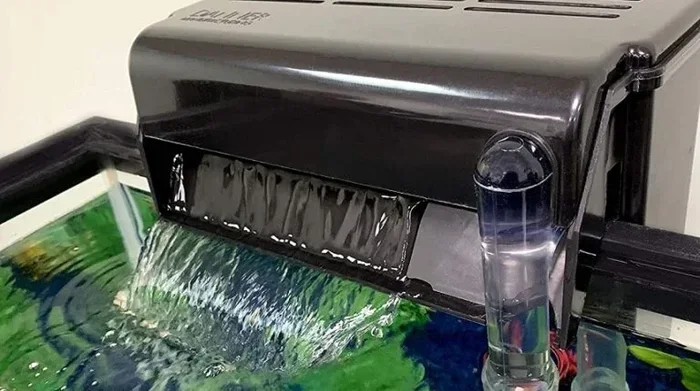
- Hang-on-back filters: Easy to maintain and good for medium tanks. Use a baffle to soften the outflow.
- Internal filters: Compact and adjustable. Good for tanks with limited space.
- Canister filters: Powerful and quiet. Best for larger tanks, but may be too strong without flow control.
When people ask, can you use a filter with betta fish, the answer is yes. You just need to match the flow to your fish. A sponge filter is a favorite for many keepers. It provides gentle aeration and strong biological filtration. If you use a hang-on-back filter, add a baffle. A simple piece of sponge or plastic bottle can reduce the current.
Size matters too. A filter should turn over the tank volume about four to five times per hour. For a 5-gallon tank, that means roughly 20 to 25 gallons per hour. Going too high creates strong flow. Going too low slows waste removal. Balance is key.
Quick tip: If your betta struggles to swim or constantly battles the current, reduce the flow. Your fish should glide, not fight the water.
Setting Up a Filter Tank the Right Way
Setting up a filter tank is simple when you follow a few steps. Start with a clean tank. Rinse the substrate and decorations with water only. Never use soap. Soap leaves residues that harm fish. If you are unsure about cleaning products, review safe practices for cleaning a betta fish tank.
Next, place the filter where it works best. For hang-on-back filters, attach them to the rear rim. For sponge filters, position the air pump outside the tank and route the tube in. For internal filters, secure them inside with the outflow angled to spread water gently.
Add your media. Many filters come with a coarse sponge, a fine filter pad, and a biological compartment. Do not replace all media at once. Beneficial bacteria live on these surfaces. If you clean or change everything at once, you risk a bacterial crash. Instead, rinse media in old tank water during water changes.
Then fill the tank with water. If you plan to use tap water, treat it with a dechlorinator. Chlorine and chloramine hurt fish and bacteria. If you want to compare water options, see our guide on using tap water in a betta fish tank.
Turn on the filter and check the flow. Watch your betta. The fish should be able to rest at the surface and swim without effort. Adjust the output if needed. Add a thermometer to monitor temperature. Bettas prefer warm water, so learn whether betta fish bowls need a heater to keep conditions stable.
Finally, add simple decorations and live plants. Plants help absorb nitrates and give your betta cover. Smooth decorations prevent tears to delicate fins. Avoid sharp plastic plants if your betta has long fins.
Cycling Your Tank Before Adding a Betta
A new filter needs time to grow beneficial bacteria. This is called cycling. During cycling, bacteria colonize the filter media and substrate. They convert ammonia into nitrite, then into nitrate. This process usually takes a few weeks. You can speed it up with bottled bacteria or used media from an established tank.
Test your water often. Ammonia and nitrite should reach zero before you add your betta. Nitrate will remain, but at low levels it is manageable. Regular water changes keep nitrate in check. Cycling is the smartest step you can take. It protects your fish from the start.
Maintaining Water Quality With Filtration
A filter is not a set-and-forget tool. It needs care. Maintenance keeps water clear and bacteria healthy. The goal is simple: remove waste without destroying the beneficial colony.
Here is a practical maintenance routine:
- Weekly water changes: Replace about 20 to 30 percent of the water. Use treated water at a similar temperature.
- Rinse filter media: Swish sponge or pads in removed tank water. Never use tap water directly on media.
- Trim plants and remove debris: Keep the tank tidy to reduce decaying matter.
- Vacuum the substrate gently: Lift waste from the bottom without disturbing the entire bed.
- Test water regularly: Check ammonia, nitrite, nitrate, and pH. Catching issues early prevents problems.
Some keepers ask, can you use a filter in a betta fish tank and still do water changes? Absolutely. In fact, water changes work better with a filter. The filter handles daily waste, and water changes reset nutrients and replenish minerals. Together, they create a stable environment.
Watch for signs of trouble. Cloudy water, foul smell, or a betta hanging near the surface can signal issues. If your betta hangs at the top of the tank, check oxygen, temperature, and water quality. Our article on betta fish hanging at the top of the tank explains what to look for.
Also, remember that overfeeding creates extra waste. Feed small portions. Remove uneaten food after a few minutes. Less waste means less work for the filter and cleaner water for your betta.
Common Mistakes When Using a Filter Tank
Even experienced keepers make mistakes. Avoiding these common errors helps your betta stay healthy and active.
Mistake 1: Too much flow. Strong currents stress bettas. They waste energy swimming and may hide often. Reduce flow or add a baffle.
Mistake 2: Cleaning filter media with tap water. Chlorine kills beneficial bacteria. Always rinse media in old tank water.
Mistake 3: Replacing all media at once. This removes the bacteria that keep water safe. Change one part at a time.
Mistake 4: Overfeeding. Extra food decays and spikes ammonia. Feed only what your betta eats quickly.
Mistake 5: Skipping the cycle. Adding a betta to a fresh tank without cycling risks toxic exposure. Cycle first for safety.
Mistake 6: Ignoring temperature. Warm, stable water supports immunity and metabolism. If your setup uses a bowl, check whether betta fish bowls need a heater to stay safe.
Mistake 7: Overcrowding or wrong tank size. A cramped tank pollutes faster. If you wonder whether your betta would enjoy more room, read about whether betta fish like a lot of space. A larger, filtered tank often makes care easier.
These mistakes are easy to fix. Small adjustments create a big difference. Your betta will show its appreciation through brighter colors and more natural behavior.
Do Bettas Really Need a Filter Tank? Final Thoughts
So, do betta fish need a filter tank? Yes, for the best care, they do. A filter keeps water clean, supports beneficial bacteria, and reduces stress. It also makes maintenance more manageable. You still need water changes, but the filter handles the daily burden of waste and toxins.
Choose a gentle filter that matches your tank size. Sponge filters and adjusted hang-on-back filters work well for many setups. Cycle your tank before adding fish. Maintain the filter media carefully. Feed sparingly and test water often. These steps create a stable home where your betta can flourish.
If you are comparing setups, you may also want to explore whether betta fish can live in a tank without a filter and why filtration is still the better choice. Clean water is the single biggest factor in betta health. A filter helps you provide that every day.
Take your time, keep things simple, and watch your betta thrive. A well-filtered tank is one of the best gifts you can give your fish.
Key Takeaways
- Filtration keeps water safe: A filter removes waste and supports beneficial bacteria.
- Gentle flow wins: Bettas prefer calm water, so adjust or baffle strong currents.
- Cycle before adding fish: Let bacteria establish to prevent toxic spikes.
- Maintain media carefully: Rinse in tank water and replace parts gradually.
- Combine filter and water changes: Both work together for stable water quality.
- Feed less to reduce waste: Small portions keep the tank cleaner.
- Test water often: Early detection prevents bigger problems later.
Frequently Asked Questions
Do betta fish need a filter tank to survive?
Bettas can survive briefly without a filter, but a filter tank is strongly recommended for long-term health. Filtration keeps water clean, reduces toxins, and makes care much easier.
Can you use a filter with a betta fish without stressing it?
Yes, you can use a filter with a betta fish as long as the flow is gentle. Sponge filters and baffled hang-on-back filters are great choices because they move water without creating a strong current.
How often should I clean the filter in a betta tank?
Rinse filter media every week or two during water changes, using old tank water instead of tap water. This preserves beneficial bacteria while removing excess debris and keeping water clear.
Can betta fish live in a tank without a filter if I change water often?
They can, but frequent water changes are still risky and labor-intensive. A filter provides steady biological filtration that helps prevent ammonia spikes between changes.
What kind of filter is best for a small betta tank?
A sponge filter is often best for small tanks because it offers gentle flow and strong biological filtration. A hang-on-back filter with a baffle also works well if you want easier maintenance.
Do live plants replace the need for a filter in a betta tank?
Live plants help absorb nitrates and improve water quality, but they do not fully replace filtration. A filter still removes waste, moves water, and hosts beneficial bacteria for a stable tank.