Can Betta Fish Shed Scales
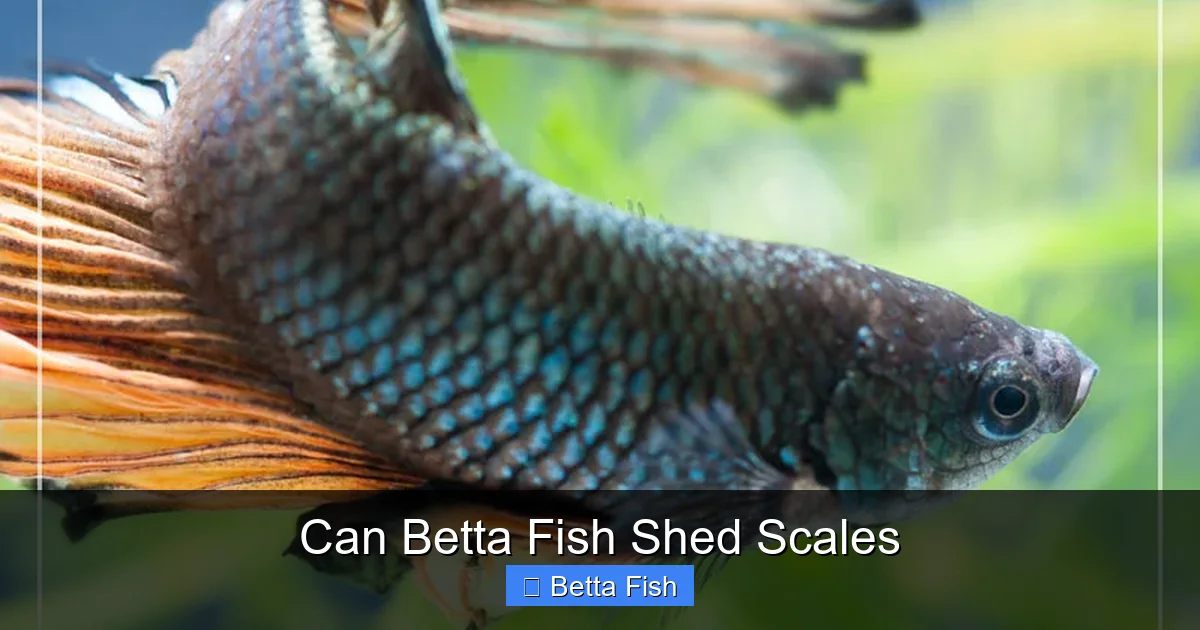
Betta fish do not naturally shed scales like snakes or lizards. If you notice missing scales on your betta, it is usually a sign of injury, disease, or poor water conditions. Understanding the causes and taking quick action can help your betta heal and prevent further damage.
Key Takeaways
- Betta fish do not naturally shed scales. Unlike reptiles, betta fish do not go through a shedding process. Scale loss is always a sign of an underlying issue.
- Common causes include physical injury, fungal infections, and poor water quality. Sharp tank decorations, aggressive tank mates, and dirty water are frequent culprits.
- Scale loss can lead to serious health problems. Open wounds from missing scales make your betta vulnerable to bacterial and fungal infections.
- Proper tank setup is essential for prevention. Smooth decorations, appropriate tank mates, and a well-maintained environment reduce the risk of scale damage.
- Water quality plays a critical role. Regular water changes and proper filtration help keep your betta’s skin and scales healthy.
- Most scale damage can heal over time. With clean water and proper care, betta fish can regenerate lost scales within a few weeks.
- Early detection is key to recovery. Regularly inspecting your betta helps you catch scale loss early before infections develop.
📑 Table of Contents
- Can Betta Fish Shed Scales? What Every Owner Needs to Know
- Do Betta Fish Naturally Shed Their Scales?
- Common Causes of Scale Loss in Betta Fish
- How to Treat a Betta Fish That Has Lost Scales
- How Long Does It Take for Betta Scales to Grow Back?
- How to Prevent Scale Loss in Betta Fish
- When to See a Veterinarian
- Conclusion
Can Betta Fish Shed Scales? What Every Owner Needs to Know
If you have ever noticed a missing patch of scales on your betta fish, you probably panicked. It is one of those moments that makes any fish owner’s heart skip a beat. You might have even wondered, “Can betta fish shed scales naturally?” The short answer is no. Betta fish do not shed their scales the way snakes shed their skin. If your betta is losing scales, something is wrong, and it is up to you to figure out what.
Scale loss in betta fish is more common than you might think. It can happen to beginners and experienced fish keepers alike. The good news is that in most cases, the problem is treatable. Your betta can recover fully if you act quickly and address the root cause. In this article, we will walk you through everything you need to know about betta fish scale loss, including the causes, treatments, and prevention tips to keep your fish healthy and happy.
Understanding why betta fish lose their scales is the first step toward solving the problem. Let’s dive into the details so you can give your betta the best care possible.
Do Betta Fish Naturally Shed Their Scales?
The Truth About Scale Shedding
Let’s clear up a common misconception right away. Betta fish do not shed their scales as part of their natural growth cycle. Fish scales are not like reptile skin. They are firmly attached to the fish’s body and serve as a protective barrier against infections, parasites, and physical damage. A healthy betta fish will keep its scales for its entire life unless something causes them to come off.

Visual guide about Can Betta Fish Shed Scales
Image source: bettafishworld.com
Some fish owners mistake normal color changes or fin regeneration for scale shedding. Bettas can change color due to stress, age, or genetics. Their fins can tear and then grow back. If you are curious about that process, you can read more about whether betta fish fins can grow back. But scales are a different story entirely. When scales come off, it is almost always due to an external factor.
What Healthy Betta Scales Look Like
A healthy betta fish has smooth, shiny scales that lie flat against its body. The scales should be uniform in appearance with no gaps, tears, or discoloration. Depending on your betta’s color variety, the scales may appear iridescent, metallic, or solid. Run your eyes along your betta’s body during feeding time. This is a great habit to develop because it helps you spot any changes early.
If you notice even a single missing scale, pay attention. One missing scale might not seem like a big deal, but it can be the first sign of a larger problem. Catching scale loss early gives you the best chance of treating the issue before it gets worse.
Common Causes of Scale Loss in Betta Fish
Physical Injury and Tank Hazards
The most common reason betta fish lose scales is physical injury. Bettas are active swimmers, and they can easily scrape themselves against sharp or rough objects in their tank. Plastic plants with jagged edges, rough gravel, and decorative ornaments with pointed features are all common culprits. Even the intake valve of a strong filter can suck a betta’s tail or body against it, causing scale damage.

Visual guide about Can Betta Fish Shed Scales
Image source: fishkeepingacademy.com
To prevent injuries, always choose silk plants or live plants over plastic ones. If you prefer plastic plants, run a pantyhose over them. If the pantyhose snags, the plant is too sharp for your betta. Smooth gravel or sand substrates are also much safer than rough, jagged gravel. Take a close look at every item in your tank and ask yourself, “Could this hurt my betta?”
Aggressive Tank Mates
Bettas are known for their territorial and sometimes aggressive nature. If you keep your betta with other fish, there is a chance of fighting. Nipping, chasing, and direct attacks can all result in scale loss. Even fish that are generally peaceful may bother a betta, especially in a small tank where there is nowhere to hide.
Before adding any tank mates, research carefully. Some species are more compatible with bettas than others. If you are wondering what other fish can live with betta fish, there are several peaceful options that tend to do well. Always monitor new additions closely for the first few weeks and be ready to separate fish if aggression occurs.
Fungal and Bacterial Infections
Infections are another major cause of scale loss in betta fish. Fungal infections can cause the scales to loosen and fall off. Bacterial infections, such as columnaris or fin rot that spreads to the body, can also damage scales. These infections often start small but can progress rapidly if left untreated.
Signs of infection include white or cotton-like patches on the body, redness around the affected area, lethargy, and loss of appetite. If you see any of these symptoms along with scale loss, you need to act fast. Treating the infection early with the appropriate medication is crucial for your betta’s recovery.
Poor Water Quality
Water quality is the foundation of betta fish health. When ammonia, nitrite, or nitrate levels are too high, your betta’s skin and scales can become damaged. High ammonia levels, in particular, can cause chemical burns that lead to scale loss. This is one of the most preventable causes of scale damage, yet it is also one of the most common.
Regular water changes are essential. For a betta in a 5-gallon tank, a 25 to 30 percent water change once a week is a good starting point. Always use a water conditioner to remove chlorine and chloramines from tap water. Test your water parameters regularly with a liquid test kit to make sure everything is in the safe range.
Parasites
External parasites like ich (white spot disease) and velvet can also cause scale loss. These parasites attach to the betta’s body and feed on its tissue, causing irritation, inflammation, and eventually scale detachment. Ich appears as small white dots that look like grains of salt, while velvet gives the fish a dusty, goldish appearance.
Parasitic infections are highly contagious. If you have other fish in the tank, they are likely affected too. Treating the entire tank with a parasite medication and raising the water temperature slightly can help eliminate these pests. Quarantining new fish before adding them to your main tank is the best way to prevent parasite outbreaks.
How to Treat a Betta Fish That Has Lost Scales
Step One: Identify the Cause
Before you start treatment, you need to figure out why your betta lost its scales. Look at the tank setup. Are there sharp objects? Check the water parameters. Are ammonia or nitrite levels elevated? Observe your betta’s behavior. Is it lethargic, rubbing against objects, or showing signs of infection? The treatment depends entirely on the cause.
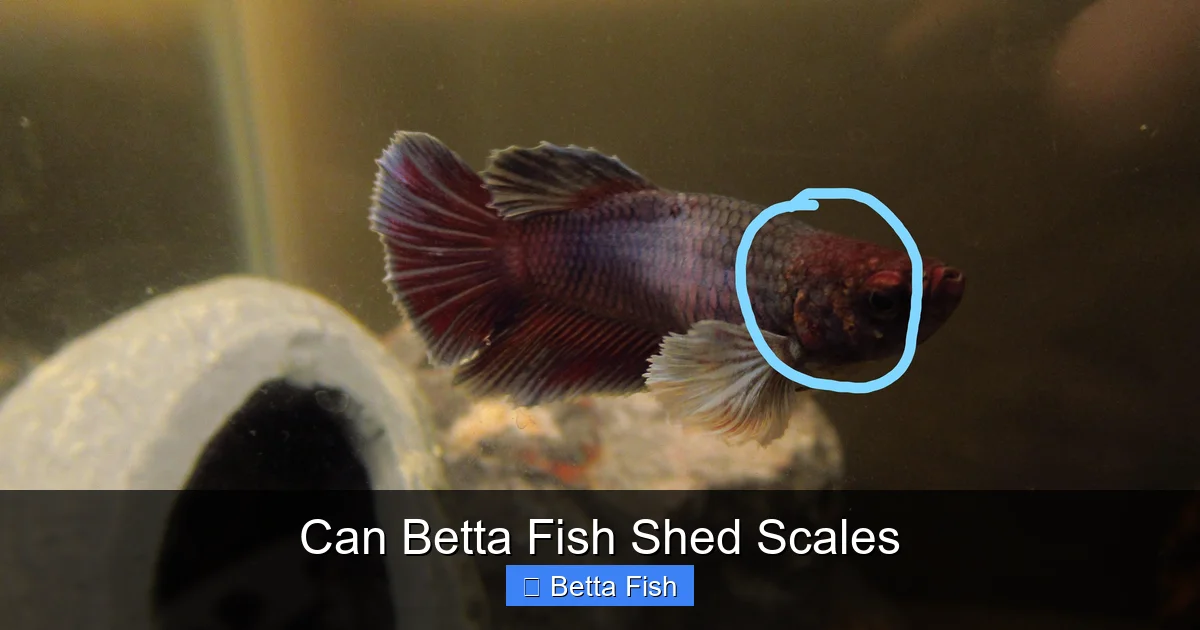
Visual guide about Can Betta Fish Shed Scales
Image source: i.redd.it
Step Two: Improve Water Conditions
Regardless of the cause, improving water quality should always be your first action. Perform a 25 to 50 percent water change immediately. Make sure the new water is dechlorinated and matches the temperature of the tank water. Clean the gravel with a vacuum to remove any debris or waste. If your filter is due for maintenance, take care of that too.
Clean water promotes healing. It reduces the risk of secondary infections and gives your betta the best environment to regenerate its scales. Continue with more frequent water changes until the scales start to grow back and any signs of infection have cleared.
Step Three: Treat Infections or Parasites
If you suspect an infection or parasite, you will need to medicate your betta. For bacterial infections, antibiotics like erythromycin or kanamycin are effective. For fungal treatments, antifungal medications containing methylene blue or malachite green work well. For parasites, products containing copper or formalin are commonly used.
Always follow the dosage instructions on the medication carefully. Overmedicating can stress your betta and make things worse. Remove activated carbon from your filter during treatment because it will absorb the medication and render it ineffective.
Step Four: Remove Hazards from the Tank
While your betta is healing, remove any sharp or rough objects from the tank. Replace plastic plants with silk or live ones. Smooth out any rough edges on decorations. If your betta has tank mates and you suspect they caused the injury, consider separating them. A hospital tank is a great option for an injured betta that needs a quiet, stress-free environment to recover.
Step Five: Support Recovery with Proper Nutrition
A healthy diet supports the healing process. Feed your betta high-quality pellets as a staple food, and supplement with frozen or live foods like bloodworms, daphnia, or brine shrimp. These protein-rich foods provide the nutrients your betta needs to regenerate scales and repair tissue. Learn more about what betta fish can eat to make sure you are providing a balanced diet.
Avoid overfeeding during recovery. Bettas have tiny stomachs, and uneaten food will decay and pollute the water. Feed small portions once or twice a day, and remove any food that is not eaten within a few minutes.
How Long Does It Take for Betta Scales to Grow Back?
The Regeneration Timeline
One of the most common questions betta owners ask is how long it takes for scales to grow back. The answer depends on the severity of the damage and the overall health of your fish. In mild cases where only a few scales are missing, you may see regrowth within two to three weeks. More extensive scale loss can take four to six weeks or longer.

Visual guide about Can Betta Fish Shed Scales
Image source: aquarevolt.com
New scales often look slightly different from the original ones. They may be a different color or have a slightly different texture. Over time, they usually blend in with the surrounding scales. Be patient and consistent with your care, and your betta should make a full recovery.
Factors That Affect Healing Speed
Several factors influence how quickly your betta’s scales grow back. Water quality is the most important. Clean, warm water with the right parameters speeds up the healing process. Temperature matters too. Bettas are tropical fish and thrive in water between 76 and 82 degrees Fahrenheit. Keeping the water at the higher end of this range can boost your betta’s metabolism and immune system.
Age also plays a role. Younger bettas tend to heal faster than older ones. Stress is another factor. A stressed betta will have a harder time recovering, so keep the tank environment calm and quiet. Dim lighting, minimal disturbances, and a consistent routine all help reduce stress.
How to Prevent Scale Loss in Betta Fish
Choose the Right Tank Setup
Prevention is always better than treatment. Start with a tank that is at least 5 gallons. Larger tanks are more stable and give your betta plenty of room to swim without bumping into things. Use a gentle filter that won’t create a strong current. Sponge filters are an excellent choice for betta tanks because they provide filtration without the risk of injury.

Visual guide about Can Betta Fish Shed Scales
Image source: bettacarefishguide.com
Decorate your tank with smooth, betta-safe items. Silk plants, smooth rocks, and driftwood with sanded edges are all great options. Avoid anything with sharp points or rough surfaces. If you are unsure about a decoration, do the pantyhose test before putting it in the tank.
Maintain Excellent Water Quality
We cannot stress this enough. Good water quality prevents a huge range of betta health problems, including scale loss. Invest in a reliable water test kit and check your parameters weekly. Keep ammonia and nitrite at 0 ppm and nitrate below 20 ppm. Perform regular water changes and clean the filter media monthly.
If you are keeping your betta in a small bowl, consider upgrading. Bowls are difficult to maintain and often lead to poor water conditions. Read more about whether you can keep betta fish in a small bowl to understand the risks involved.
Be Careful with Tank Mates
If you want to keep your betta with other fish, choose tank mates carefully. Avoid fin nippers, aggressive species, and fish that are similar in appearance to bettas. Snails and shrimp can make good companions, but even they can sometimes trigger a betta’s hunting instincts. Always have a backup plan in case the arrangement does not work out.
When introducing new fish, use a quarantine tank for at least two weeks. This helps prevent the spread of diseases and gives you time to observe the new fish for any signs of illness. A little patience during the introduction process can save you a lot of trouble down the road.
Regular Health Checks
Make it a habit to observe your betta daily. Look for changes in color, behavior, appetite, and physical appearance. Early detection of any problem, including scale loss, gives you the best chance of a quick recovery. If something seems off, do not wait. Test the water, check for signs of disease, and take action immediately.
When to See a Veterinarian
Signs That Require Professional Help
Most cases of scale loss can be treated at home with improved water quality and basic medications. However, there are situations where you should consult a veterinarian who specializes in fish. If your betta’s condition does not improve after a week of treatment, or if it gets worse, professional help is needed.

Visual guide about Can Betta Fish Shed Scales
Image source: bettacarefishguide.com
Other signs that warrant a vet visit include severe scale loss covering a large portion of the body, open wounds that are not healing, extreme lethargy, refusal to eat for more than a few days, and rapid breathing. A fish vet can perform a more thorough examination and prescribe stronger medications if necessary.
Finding a Fish Veterinarian
Not all veterinarians treat fish, so you may need to do some searching. Look for an exotic animal vet or an aquatic veterinarian in your area. Online directories and fish keeping communities can be helpful resources. Some vets even offer telemedicine consultations for fish, which can be a convenient option if there are no specialists nearby.
Conclusion
So, can betta fish shed scales? The answer is a clear no. Betta fish do not naturally shed their scales, and any scale loss is a sign that something needs your attention. Whether it is a physical injury, an infection, poor water quality, or aggressive tank mates, identifying the cause is the first step toward helping your betta recover.
The good news is that with proper care, most betta fish can regenerate lost scales and return to full health. Focus on maintaining clean water, providing a safe tank environment, feeding a nutritious diet, and monitoring your betta regularly. These simple steps go a long way in preventing scale loss and keeping your betta thriving for years to come.
Your betta depends on you for its well-being. By staying informed and proactive, you can ensure your colorful companion lives a long, healthy, and happy life. If you ever notice something unusual, do not panic. Assess the situation, take action, and remember that most betta health issues are treatable when caught early.
Frequently Asked Questions
Do betta fish shed scales naturally?
No, betta fish do not naturally shed their scales. If you notice missing scales, it is usually caused by injury, infection, poor water quality, or parasites. Always investigate the cause and take appropriate action.
How long does it take for betta fish scales to grow back?
Scales typically grow back within two to six weeks, depending on the severity of the damage. Clean water, proper nutrition, and a stress-free environment will speed up the healing process.
Can a betta fish die from losing scales?
Scale loss itself is rarely fatal, but the underlying cause can be serious. Open wounds from missing scales make bettas vulnerable to infections, which can become life-threatening if left untreated. Always address scale loss promptly.
What does scale loss look like on a betta fish?
Scale loss appears as bare patches on the betta’s body where the skin is visible. The affected area may look lighter, red, or inflamed. In some cases, you may see the missing scales floating in the tank or resting on the substrate.
Can stress cause a betta fish to lose scales?
Stress does not directly cause scale loss, but it weakens the immune system and makes bettas more susceptible to infections and parasites that can lead to scale damage. Reducing stress through proper tank conditions is important for overall health.
Should I separate my betta if it loses scales?
If you have tank mates and suspect they caused the injury, yes, you should separate your betta. A hospital tank provides a safe, quiet environment for recovery. Even without tank mates, a separate treatment tank can make medicating easier.