Is My Betta Fish Sick or Old
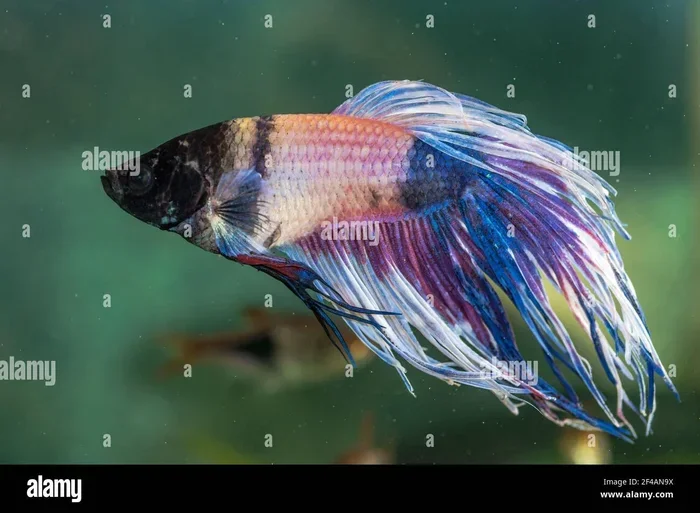
Figuring out if your betta fish is sick or old can be tricky, but understanding the warning signs makes all the difference. Lethargy, loss of appetite, color fading, and slow movement can point to either aging or illness. This guide walks you through the key differences so you can take the right action quickly.
You stare at your betta tank and notice something feels off. Your colorful fish is barely moving. It skipped breakfast again. Maybe it is hiding more than usual. Your mind races with one big question: is my betta fish sick or old?
This is a worry every betta owner faces at some point. The truth is, the signs of a sick betta and an aging betta can look surprisingly similar. A lethargic fish, a fish that stops eating, or one that loses its bright color could be dealing with illness or simply entering its senior years. Figuring out which one it is matters a lot, because the steps you take depend entirely on the cause.
In this article, we break down the differences between sickness and aging in betta fish. You will learn how to spot the warning signs of each, what to check first, and exactly what you can do to help your fish feel better. Whether your betta is young or aging, this guide gives you the answers you need.
Key Takeaways
- Sick vs. Old: Sudden behavior changes often signal illness, while gradual decline usually points to aging.
- Watch for appetite changes: Both sickness and old age can cause your betta to stop eating.
- Color fading is a clue: A dulling of vibrant colors may indicate either stress, disease, or old age.
- Check water conditions first: Poor tank water can mimic sickness symptoms and should always be ruled out.
- Act fast: Early detection of illness gives your betta the best chance of recovery.
- Age matters: Bettas typically live 3 to 5 years, and senior fish need special care adjustments.
📑 Table of Contents
Understanding the Betta Fish Lifespan
Before you can decide if your fish is sick or just getting older, you need to know what a normal betta lifespan looks like. Bettas typically live between 3 and 5 years in captivity. Some lucky owners even get their fish to 6 or 7 years with excellent care.
A betta under 1 year old is considered young. Between 1 and 3 years, your fish is in its prime. After 3 years, you may start noticing subtle changes. By year 4 or 5, your betta is entering its senior phase. Knowing where your fish falls on this timeline helps you interpret its behavior more accurately.
Signs of a Healthy Young Betta
A healthy young betta should display certain traits consistently. Look for these positive signs:
- Bright, vibrant colors like deep blues, reds, or greens
- Active swimming around the tank throughout the day
- Good appetite and eagerness to eat at feeding time
- Smooth, intact fins without tearing or fraying
- Alert response when you approach the tank
If your young betta suddenly stops showing these traits, illness is more likely than old age. A sudden change in behavior is often the first red flag.
Common Signs That Your Betta Fish Is Sick
Illness in betta fish can show up in many ways. Some signs are obvious, while others are easy to miss. The key is to watch for clusters of symptoms that appear together, rather than a single isolated issue.
Loss of Appetite
A betta that refuses food is a betta that needs attention. While a temporary skip in meals can happen, consistently refusing food over several days is a serious warning sign. Sick bettas often lose interest in even their favorite foods like brine shrimp or bloodworms.
If your fish is not eating, check the water temperature and quality first. Dirty water or cold temperatures can suppress appetite. But if those factors are normal, a loss of appetite usually points to illness. You can learn more about this specific symptom in our article on why your betta fish is not eating or moving.
Lethargy and Low Energy
Bettas are naturally curious fish. They explore their tank, build bubble nests, and respond to movement outside the glass. When a betta becomes unusually still or lethargic, something is wrong.
Sick bettas often lie at the bottom of the tank for long periods. They may float sideways or rest on the substrate. This kind of extreme inactivity is different from the slow, relaxed movements of an aging fish. A sick lethargic betta looks weak and unresponsive.
Faded or Changing Colors
One of the most visible signs of illness is a change in color. A vibrant betta that suddenly looks pale, washed out, or develops white patches is likely unwell. Color fading can also happen with aging, but the timing and pattern differ.
Illness-related color changes tend to happen quickly, sometimes overnight. Aging-related fading is gradual and happens over months. If you notice a sudden color shift, investigate illness first. You can find detailed information about color changes in our guide on why your betta fish is changing colour.
Fins Clamped Close to the Body
Healthy bettas swim with their fins spread wide. A sick betta often clamps its fins tightly against its body. This is a classic sign of discomfort and stress. Clamped fins can indicate bacterial infections, fin rot, or internal parasites.
If you see this behavior, check your water parameters immediately. High ammonia or nitrite levels are common culprits. Regular water testing is one of the best ways to prevent these issues.
Unusual Swimming Patterns
Watch how your betta moves through the water. A sick fish may swim erratically, tilt to one side, or struggle to stay upright. These movement problems can signal swim bladder disease, a very common betta illness.
Some sick fish also rub against decorations or gravel, trying to relieve itching from parasites or irritation. This behavior is called flashing and is almost always a sign of something wrong.
Signs That Your Betta Fish Is Simply Getting Old
Aging is a natural process, and senior bettas show their age in gentle, gradual ways. Understanding these normal aging signs helps you avoid unnecessary worry while still providing the best care for your older fish.
Gradual Color Fading
As bettas age, their colors naturally dull. This happens slowly over many months, not days. An older betta might look a little paler than it did a year ago, but the change is subtle and consistent. This is very different from the sudden color loss caused by illness.
Some aging bettas also develop a slightly translucent quality in their fins. This is normal and not a cause for concern. It simply means the fish is getting older and its cells are renewing more slowly.
Slower Movement and More Rest
Just like humans slow down with age, older bettas become less active. Your senior fish might prefer to rest near plants or decorations rather than swimming around the whole tank. It may take longer to respond when you approach the tank.
This kind of slow, relaxed behavior is perfectly normal for an aging betta. It is not the same as the weak, limp lethargy of a sick fish. An old betta still shows interest in food and its surroundings, even if it moves more slowly. You can read more about reduced activity in our article on why your betta fish is not active.
Reduced Appetite Over Time
Older bettas naturally eat less than younger ones. Their metabolism slows down, and they need fewer calories. If your fish has been gradually eating smaller portions over several months, this could simply be a sign of aging.
However, a sudden refusal to eat is almost never a normal part of aging. Always treat a sudden appetite loss as a potential illness and investigate further.
Slightly Curved or Hunched Body
Aging bettas sometimes develop a gentle curve in their spine. This is a slow, natural change that happens over years. It should not be confused with a sudden body curve caused by infection or injury.
If your older betta has a slightly curved back but is still eating and swimming normally, this is likely just a normal part of getting older. For more information on body shape changes, check our article on why your betta fish body is curved.
How to Tell the Difference: Sick vs. Old
The biggest challenge betta owners face is telling the difference between sickness and aging. Both conditions share similar symptoms, which is why many owners feel confused and anxious. Here is a simple way to think about it.
The Timeline Matters Most
The single most important factor is how quickly the symptoms appeared. Illness shows up fast, often within hours or days. Aging develops slowly over weeks and months.
Ask yourself these questions:
- Did my betta seem fine yesterday but look different today?
- Have the symptoms appeared suddenly or gradually?
- Is my betta still interested in food, just eating less?
- Are there other fish in the tank showing similar symptoms?
If the changes happened quickly, lean toward sickness. If they developed slowly over time, aging is more likely.
Comparison Table: Sick Betta vs. Old Betta
| Symptom | Sick Betta | Old Betta |
|---|---|---|
| Appetite Loss | Sudden and complete refusal | Gradual decrease over months |
| Energy Level | Very low, unresponsive, weak | Slower but still alert and interested |
| Color Change | Sudden fading or white patches | Slow, gradual dulling |
| Swimming Pattern | Erratic, tilting, struggling | Slow, relaxed, steady |
| Fins | Clamped, torn, or rotting | Slightly translucent but intact |
| Body Shape | Sudden bloating or curving | Gentle, slow curve over years |
| Response to Food | Ignores food completely | Eats slowly but still eats |
Use this table as a starting point, but remember that every fish is different. Trust your observations and combine them with other information about your specific betta.
When in Doubt, Check Water Conditions
One of the easiest mistakes to make is blaming age or illness when the real problem is poor water quality. Dirty tank water causes stress, which weakens the immune system and mimics sickness symptoms. Before you assume anything, test your water for ammonia, nitrite, nitrate, and pH levels.
Keep the tank temperature between 76 and 82 degrees Fahrenheit. Perform regular water changes of about 25 percent every week. Clean gravel and remove any uneaten food. These simple steps can prevent many common health problems and keep your betta feeling young and vibrant.
What You Can Do to Help Your Betta
Once you have a better idea of whether your betta is sick or aging, you can take targeted action. Here are practical steps for both situations.
If Your Betta Is Sick
Act quickly when you suspect illness. The faster you respond, the better the chances of recovery.
- Isolate the fish: Move your sick betta to a quarantine tank if possible. This prevents the spread of disease and reduces stress.
- Test the water: Check ammonia, nitrite, and nitrate levels immediately. Do a partial water change if any levels are off.
- Raise the temperature slightly: Warming the water to about 80 degrees Fahrenheit can help boost your betta’s immune response.
- Look for visible symptoms: Check for white spots, fin rot, bloating, or unusual discharge. These clues help you identify the specific illness.
- Consider treatment options: Salt baths, aquarium salt, or over-the-counter medications can help treat common betta diseases. Always follow dosing instructions carefully.
If you are unsure what is wrong, our article on how to tell if your betta fish is sick provides a detailed walkthrough of common symptoms and their causes.
If Your Betta Is Aging
Senior bettas need a little extra love and attention. Here is how you can support an older fish:
- Offer soft, easy-to-eat food: Soak dry pellets before feeding. Old bettas may have trouble with hard food.
- Feed smaller portions more often: Two to three small meals per day work better than one large feeding for aging fish.
- Keep the tank environment calm: Avoid loud noises and sudden movements near the tank. Older bettas are more sensitive to stress.
- Maintain pristine water: Aging fish have weaker immune systems. Clean water becomes even more important for senior bettas.
- Add gentle tank mates or decorations: Soft plants and smooth decorations give your old betta places to rest and explore without risk of injury.
Want to learn more about caring for an aging betta? Our guide on can you tell how old a betta fish is offers helpful tips for estimating your fish’s age and adjusting care accordingly.
Prevention: Keeping Your Betta Healthy at Every Age
The best way to handle the sick-versus-old question is to prevent problems before they start. Good husbandry keeps your betta healthy for longer and makes it easier to spot real problems when they do appear.
Start with a proper tank setup. A minimum of 5 gallons is recommended for a single betta. Larger tanks are even better because they provide more stable water conditions. Add a gentle filter and a heater to maintain consistent temperature.
Feed a balanced diet of high-quality pellets, frozen bloodworms, and brine shrimp. Avoid overfeeding, which can cause bloating and water quality issues. Remove any uneaten food within a few minutes of feeding.
Perform regular maintenance. Weekly water changes, gravel vacuuming, and filter cleaning keep the tank environment healthy. Test water parameters at least once a month to catch problems early.
Finally, observe your betta daily. Spending a few minutes each day watching your fish helps you notice changes quickly. The earlier you catch a problem, the easier it is to address.
Conclusion
So, is your betta fish sick or old? The answer depends on the timeline of symptoms, the pattern of behavior changes, and the overall health of your fish. Sudden changes usually mean illness, while slow, gradual shifts often signal natural aging. By paying close attention to your betta’s appetite, energy level, color, and movement, you can make a much more informed judgment.
Always start by ruling out water quality issues, and do not hesitate to take action if you suspect illness. For aging fish, gentle care adjustments and a stress-free environment go a long way. Your betta fish depends on you for its well-being, and the effort you put in truly makes a difference. Stay observant, stay proactive, and give your betta the best life possible at every stage.
Frequently Asked Questions
How can I tell if my betta fish is sick or just tired?
A tired betta will still respond to food and show interest in its surroundings. A sick betta appears weak, unresponsive, and may float or lie at the bottom of the tank for long periods. If the behavior change happened suddenly, illness is the more likely cause. Check your water parameters and look for additional symptoms like clamped fins or color fading to be sure.
What age is a betta fish considered old?
Most bettas are considered senior after about 3 to 4 years of age. By this time, you may notice gradual changes like slower movement, slightly faded colors, and a reduced appetite. These signs develop slowly over months, which is the key difference from illness symptoms that appear suddenly.
Can a sick betta fish recover on its own?
Mild cases of stress or poor water conditions sometimes improve once the environment is corrected. However, most illnesses require targeted treatment such as medication, salt baths, or water changes. The sooner you identify and address the problem, the better the chances of a full recovery.
Why is my old betta fish not eating as much?
Aging bettas naturally have slower metabolisms and need fewer calories. If the decrease in appetite happens gradually over months, it is likely a normal part of aging. However, if your old betta suddenly stops eating completely, this could signal illness and should be investigated right away.
Is it normal for betta fish colors to fade with age?
Yes, gradual color fading is a normal part of the aging process for betta fish. The change happens slowly over many months or even years. Sudden color loss or the appearance of white patches, on the other hand, usually indicates illness or stress and should be addressed promptly.
What water temperature is best for a sick or old betta fish?
Keep the water temperature between 76 and 82 degrees Fahrenheit for both sick and aging bettas. Slightly warmer water around 80 degrees can help boost the immune system of a sick fish. Consistent temperature is equally important for older bettas, as they are more sensitive to fluctuations and stress.