Where to Buy Live Food for Betta Fish
Feeding your betta fish live food is one of the absolute best things you can do for its health, color, and natural behavior. However, knowing where to buy live food for betta fish that is both high-quality and safe is the critical challenge. This guide cuts through the noise, providing a detailed roadmap to reputable online breeders, local aquarium clubs, and essential tips to avoid contaminated or low-nutrition cultures, ensuring your beloved betta gets only the best.
Let’s be honest for a moment. That beautiful, curious betta fish swimming in your tank is more than just a pet. It’s a personality. A little warrior with a splash of vibrant color. And you, as its caretaker, want nothing but the best for it. You’ve heard the whispers in the betta-keeping community: live food. It’s the gold standard. The secret sauce for intense colors, energetic flares, and a truly captivating display. But then comes the big, intimidating question: where to buy live food for betta fish? The moment you start searching, you’re met with a dizzying array of options, mixed reviews, and the looming fear of introducing disease into your pristine aquarium. It feels like a minefield. That’s exactly why this guide exists. We’re going to walk through this together, like two friends chatting over a tank, and turn that confusion into confidence. By the end, you’ll know exactly where to look, what to look for, and how to successfully integrate these wriggly, nutritious treats into your betta’s diet.
Key Takeaways
- Prioritize Reputable Sources: Buy from specialized live food breeders or established aquarium companies, not general pet stores with questionable stock.
- Local vs. Online Trade-Offs: Local clubs offer instant, often cheaper food but limited variety; online vendors provide consistent, shipped-starter cultures with more species options.
- Inspect Cultures Carefully: Healthy live food (like brine shrimp) should be active, clean-smelling, and free of foul odors or excessive debris.
- Start Small: Begin with a small culture of one staple, like daphnia or microworms, before expanding to multiple types to avoid being overwhelmed.
- Quarantine New Cultures: Always rinse and isolate new live food batches for 24 hours before feeding to remove potential pathogens from shipping water.
- Consider Gut-Loading: Nutritiously feed your live food (e.g., spirulina for brine shrimp) 12-24 hours before offering it to your betta to massively increase its nutritional value.
- Have a Backup Plan: Never rely on a single live food source; maintain a small backup culture or have high-quality frozen/freeze-dried alternatives ready.
[FEATURED_IMAGE_PLACEHOLDER]
📑 Table of Contents
- The “Why” Before the “Where”: Understanding Live Food Value
- Primary Sourcing Avenues: Local vs. Online Ecosystems
- Evaluating a Live Food Source: The Hobbyist’s Checklist
- A Guide to Common Betta Live Foods & Their Best Sources
- From Purchase to Plate: Safe Handling & Culturing Basics
- Common Pitfalls & How to Avoid Them
- Conclusion: Your Journey to a Healthier, Happier Betta
The “Why” Before the “Where”: Understanding Live Food Value
Before we dive into vendors and local clubs, we need a quick, clear lesson on why we’re jumping through these hoops. Live food isn’t just a fancy snack. It’s a biological catalyst for your betta’s wellbeing. Unlike processed pellets or even frozen foods, live prey offers three unmatched benefits.
Unmatched Nutritional Completeness
Live foods like brine shrimp nauplii or microworms are essentially whole, living nutrient packages. They contain optimal levels of proteins, essential fatty acids (like HUFAs), vitamins, and minerals in their most bioavailable forms. When you feed a high-quality pellet, you’re trusting the manufacturer’s formulation. When you feed a gut-loaded daphnia, you’re providing a verified, natural powerhouse. This completeness directly translates to stronger immune systems, faster growth in juveniles, and more vibrant, stable coloration in adults.
The Critical “Hunt” Stimulus
Betta splendens, for all their captive breeding, are still hunters. Their labyrinth organ and upturned mouths are designed for surface hunting. Watching a betta stalk, chase, and devour a tiny piece of live food is one of the most rewarding sights in the hobby. This hunting behavior provides crucial mental stimulation, reducing boredom, stress, and lethargy. A betta that actively hunts its food is a happier, healthier, and more instinctively fulfilled fish. It’s enrichment in its purest form.
Digestive Enzyme Activation
Here’s a fascinating biological perk. The act of consuming live, moving prey triggers a stronger digestive response in fish. The movement stimulates the release of digestive enzymes, leading to more efficient breakdown and absorption of nutrients. This can mean less waste in your tank and better overall health for your betta. It’s a natural process that static foods simply cannot replicate.
Primary Sourcing Avenues: Local vs. Online Ecosystems
Now, to the heart of your question. The sources generally split into two distinct ecosystems: your local aquatic community and the vast digital marketplace. Each has a unique profile of advantages and challenges.

Visual guide about Where to Buy Live Food for Betta Fish
Image source: buyaquariumfish.com
The Local Advantage: Clubs, Shows, and Fellow Hobbyists
There is something profoundly satisfying about buying a culture of live food from someone you can meet, see their tanks, and ask questions face-to-face. This is the realm of local aquarium clubs, fish shows, and dedicated hobbyist forums in your city or region.
- Pros: Zero shipping cost and stress on the organisms. You can inspect the culture with your own eyes—are the brine shrimp swimming vigorously? Is the daphnia culture clear and green, not cloudy and decaying? You often get invaluable, hands-on advice from the seller about culturing techniques specific to your local water conditions. Prices are frequently lower as there are no shipping fees or corporate overhead.
- Cons: Availability is sporadic. You’re dependent on someone else having a surplus and being willing to sell. Selection is usually limited to the most common staples (brine shrimp, daphnia, maybe microworms). You must build a relationship and network, which takes time. There’s also a smaller risk of buying a culture already on the decline if the seller isn’t experienced.
- How to Find Them: Search for “[Your City/State] aquarium society” or “[Your City] fish club.” Check Facebook Groups for local fishkeepers. Attend any local fish shows or swap meets. Post in local hobby forums asking if anyone cultures live food.
The Online Realm: Specialized Breeders & Aquarium Companies
The internet has democratized access to high-quality live food. A person in a landlocked state can now get pristine, marine-origin brine shrimp cysts from a reputable vendor. This is where the majority of betta keepers will source their food.
- Pros: Unparalleled convenience and consistency. You can order a starter culture of microworms or a pure strain of daphnia magna anytime. Selection is vast—from blackworms and grindal worms for larger predators to infusoria for fry. Reputable online breeders focus on genetic purity and disease-free lines, which is critical for sensitive fish like bettas. Reviews and community feedback are readily available to vet sellers.
- Cons: Shipping is a major variable. Live organisms can be damaged by extreme heat or cold, delayed postal transit, or rough handling. Shipping costs add up. There’s a trust factor—you’re relying on a photo and description until the package arrives. You must be prepared to receive a culture that needs immediate TLC upon arrival.
- How to Vet Vendors: Look for companies that specialize in live foods (e.g., _Invertebrates Inc._, _LiveAquaria_ for certain items, niche breeders on Etsy or dedicated forums). Read recent reviews specifically about live food viability. Avoid general pet supply giants for live cultures; their turnover may be low, leading to old or weak stock. Ask the seller direct questions: “How old is this culture?” “What do you feed the culture?” “What is your policy on DOA (Dead On Arrival) shipments?”
Evaluating a Live Food Source: The Hobbyist’s Checklist
Whether you’re handing cash to a club member or clicking “buy” on a website, you need a mental checklist. This is your filter for quality and safety.

Visual guide about Where to Buy Live Food for Betta Fish
Image source: buyaquariumfish.com
Signs of a Healthy, Vigorous Culture
This is your first and most important line of defense. A healthy culture is a thriving, self-sustaining ecosystem.
- For Brine Shrimp (Artemia): You should see a cloud of actively swimming, pinkish-orange nauplii. They should not be sluggish or sinking to the bottom immediately. The water should be slightly salty (if marine species) and clear, not murky or foul-smelling.
- For Daphnia: A healthy culture looks like a faint, greenish cloud in the water. Individual daphnia should be actively hopping. The water should smell clean and earthy, like a pond, not rotten. A green water culture (feed with spirulina or yeast) is ideal.
- For Microworms & Grindal Worms: These are cultured on a substrate (like oatmeal or yeast paste). The surface should be crawling with tiny, white worms. There should be no mold, fuzz, or sour smell. The culture container should be moist but not waterlogged.
- For Blackworms: These are larger. You should see thick, reddish-brown worms burrowing and moving through the substrate. They should be kept in very clean, cold, dechlorinated water with a substrate of leaves or peat. Any dead, discolored worms or a foul odor is a major red flag.
The Importance of “Clean” Cultures & Disease Risk
This cannot be stressed enough. A live food culture is a potential vector for pathogens—bacteria, parasites, fungi—that can devastate your betta. A reputable seller will take steps to minimize this risk.
- Ask About Quarantine: Do they quarantine new starter cultures before adding them to their main production tanks?
- Ask About Water Source: What water do they use? Reverse Osmosis (RO) water reconstituted with minerals is ideal, as it eliminates chances of introducing local tap water pathogens or chemicals.
- Inspect Upon Arrival: When you receive a shipped culture, immediately inspect it. Does it smell normal? Is the activity level as described? If anything seems off, do not introduce it to your main tank. Rinse the live food in a clean container with your tank water (or treated water) and consider a brief (15-30 min) dip in a mild hydrogen peroxide solution (1-3 ml per gallon) or a formalin dip, followed by several rinses, before offering. This is a controversial but practiced safety step for high-value fish.
A Guide to Common Betta Live Foods & Their Best Sources
Not all live food is created equal, and different life stages have different needs. Here’s a breakdown of the most common types and where to find them.
Staple & Fry Food: Brine Shrimp (Artemia) & Daphnia
These are the undisputed kings of betta live food. Brine shrimp nauplii are perfect for fry and small bettas. Daphnia (water fleas) are slightly larger, excellent for adults, and act as a natural laxative due to their chitinous shells.
- Where to Buy: For the absolute best quality, buy cysts (eggs) from a reputable marine supply company (e.g., _San Francisco Bay Brand_, _Brine Shrimp Direct_). Hatching your own ensures 100% control and freshness. For ready-to-feed cultures, seek out online daphnia specialists or local club members. Avoid “hatch kits” from big-box stores; the cysts are often old and hatch rates are poor.
High-Protein Boosters: Microworms & Grindal Worms
These tiny, white, soil-dwelling nematodes are a phenomenal, protein-rich food that stays on the water surface, making them perfect for bettas. They’re easy to culture at home once started.
- Where to Buy: These are almost exclusively bought as starter cultures from other hobbyists. Search Etsy, dedicated fish forums (like Fishlore, BettaFish.com), or local clubs. A small vial or container of active worms will cost $5-$15 and is enough to start your own colony on a simple oatmeal/yeast medium.
The “Powerhouse” (For Experts): Blackworms & Whiteworms
These are larger, fatty, nutrient-dense worms beloved by large, predatory fish. They are a fantastic conditioning food but are more challenging to keep long-term due to their need for cooler temperatures and pristine water.
- Where to Buy: Source these from highly reputable local vendors or specialized online worm farmers. The risk of contamination is higher with these, so a trusted personal recommendation is invaluable. They are less common for bettas specifically but can be an excellent occasional treat for a large, older fish.
From Purchase to Plate: Safe Handling & Culturing Basics
You’ve successfully acquired a culture. Now what? Improper handling can negate all the benefits and introduce risk.
Visual guide about Where to Buy Live Food for Betta Fish
Image source: bettasource.com
The Mandatory Rinse & Quarantine
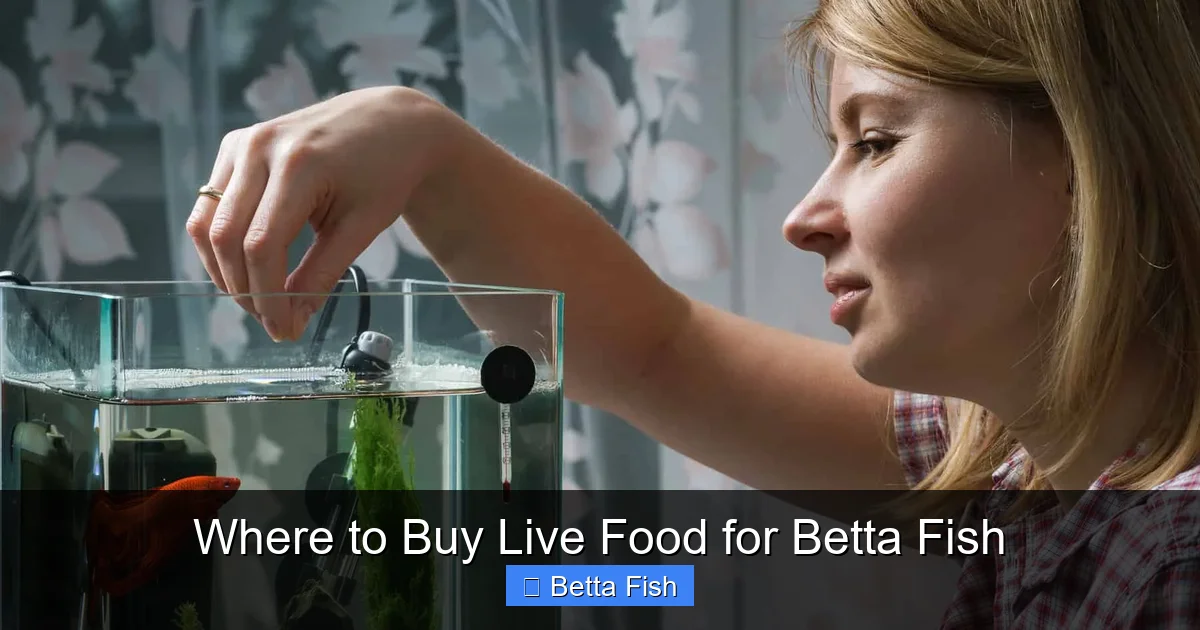
Never, ever dump the shipping water from an online purchase directly into your display tank or even your culture container. This water could contain metabolites from the stressed organisms or pathogens from the shipping bag. Always:
- Open the package and gently pour the contents (live food + water) into a fine-mesh brine shrimp net or a very fine sieve.
- Rinse the live food thoroughly with clean, dechlorinated water or (preferably) reverse osmosis water.
- Transfer the rinsed live food to a clean holding container with your prepared culture medium or clean tank water for observation for 1-2 hours.
- Only after this rinse and brief observation should you offer a small test portion to your betta.
Starting Your Own Culture: The Self-Sufficiency Goal
The ultimate goal is to become self-sufficient. Once you have a starter culture of daphnia or microworms, maintaining it is often cheaper and safer than constant re-ordering.
- Daphnia: Use a large, clean plastic container. Fill with dechlorinated water. Add a small amount of spirulina powder, active dry yeast, or a few drops of liquid fry food daily. Keep in bright, indirect light. Harvest with a fine net. Top off with fresh water weekly.
- Microworms: Use a plastic shoebox or similar. Poke small air holes in the lid. Add a 1-2 inch layer of a medium like instant potato flakes, oatmeal, or a commercial microworm medium. Moisten with water until damp but not wet. Add your starter culture. Feed a tiny pinch of active dry yeast on the surface every few days. Harvest by scraping the sides or using a small paintbrush.
Remember: Always have a backup. Cultures can crash. Have a container of frozen daphnia or high-quality brine shrimp on hand for emergencies.
Common Pitfalls & How to Avoid Them
Even with the best sources, things can go wrong. Here’s how to navigate the most common issues.
The “Shipping Shock” Culture
You open the box and the culture is barely moving. Shipping stress is real. Solution: Upon arrival, place the sealed container in a quiet, room-temperature spot out of direct sunlight for 1-2 hours to acclimate. Then perform the mandatory rinse. Gently aerate the new culture container with a small air stone set to a very gentle bubble. Feed it a tiny amount of its appropriate food (yeast for microworms, spirulina for daphnia) to give it an energy boost. Often, a shocked culture will recover within 12-24 hours if given stable conditions.
Overfeeding & Culture Crash
It’s tempting to feed your live food culture heavily to make it explode. This is the #1 cause of crashes. Excess food decays, fouling the water and killing the culture. Solution: Follow the “less is more” rule. Feed your daphnia or microworm culture only what they can consume in 24 hours. For daphnia, a light green tint to the water is good; a thick, soupy green is overfeeding. For microworms, a thin layer of yeast on the medium surface is sufficient.
Contamination from Tank Water
Using dirty tank water to culture daphnia or rinse worms can introduce planaria, hydra, or parasite eggs into your culture and eventually your betta tank. Solution: Always use clean, dechlorinated water or RO water for your cultures. If you must use old tank water for a water change in a blackworm culture, ensure it’s from a healthy, disease-free system and has been aged/treated.
Conclusion: Your Journey to a Healthier, Happier Betta
So, where does this leave us? The question of where to buy live food for betta fish is no longer a source of anxiety, but a pathway to a deeper connection with your aquatic companion. Start by exploring your local aquarium club—there’s no substitute for seeing a culture with your own eyes and learning from an experienced mentor. If that’s not an option, carefully vet online specialists, starting with a single, easy-to-culture item like daphnia or microworms. Treat every new culture as a potential biohazard until proven otherwise with a rinse and observation. Embrace the process of culturing; the tiny ecosystem you maintain on your countertop is as much a part of the hobby as the showcase tank itself. The moment you see your betta, that little puddle-jumper with a heart of gold, explode with instinctual vigor as it chases a wriggling daphnia, you’ll understand. The effort was worth it. You’re not just feeding a fish; you’re honoring its wild spirit, one nutritious, lively meal at a time.
Frequently Asked Questions
Is it safe to feed my betta live food from a pet store?
Generally, no. Live foods in large pet stores (like feeder guppies or generic “live brine shrimp”) are often kept in poor conditions with high stock turnover, making them vectors for disease. They are not recommended for sensitive, high-value fish like bettas. Always seek specialized, reputable sources.
Can I hatch my own brine shrimp cysts? Is it worth it?
Absolutely, and it’s highly recommended. Hatching your own brine shrimp from high-quality cysts gives you complete control over the process, ensures maximum freshness and nutritional value (especially if you gut-load them), and is far more economical in the long run than buying ready-to-use nauplii.
What is the easiest live food for a beginner to culture?
Daphnia is the undisputed champion for beginners. They are incredibly hardy, reproduce quickly in simple containers with clean water and light feeding, and are a perfect size and nutritional profile for most bettas. Microworms are a close second, requiring only a simple medium and a small starter culture.
How often should I feed my betta live food?
Live food should be a supplement, not a sole diet. Offer live food 2-3 times per week as a “treat” or meal replacement. On other days, feed a high-quality, varied pellet diet. This prevents nutritional imbalances and over-reliance on a single food type.
My daphnia culture crashed. What went wrong?
The most common cause is overfeeding. A daphnia culture needs very little food. If the water turns thick and soupy green, you’ve fed too much. Other causes include using chlorinated tap water, extreme temperature changes, or a lack of oxygen. Start a new culture with a clean container, dechlorinated water, and a tiny pinch of spirulina or yeast.
Are there any live foods I should NEVER give my betta?
Avoid any live food that is too large for your betta to consume in one or two bites. This includes most feeder fish (goldfish, guppies), large earthworms, or adult blackworms for a small betta. These can cause injury, impaction, or introduce parasites. Also, never collect live food from natural ponds or lakes due to the extreme risk of parasites and pollutants.