Can Betta Fish Live with Other Animals
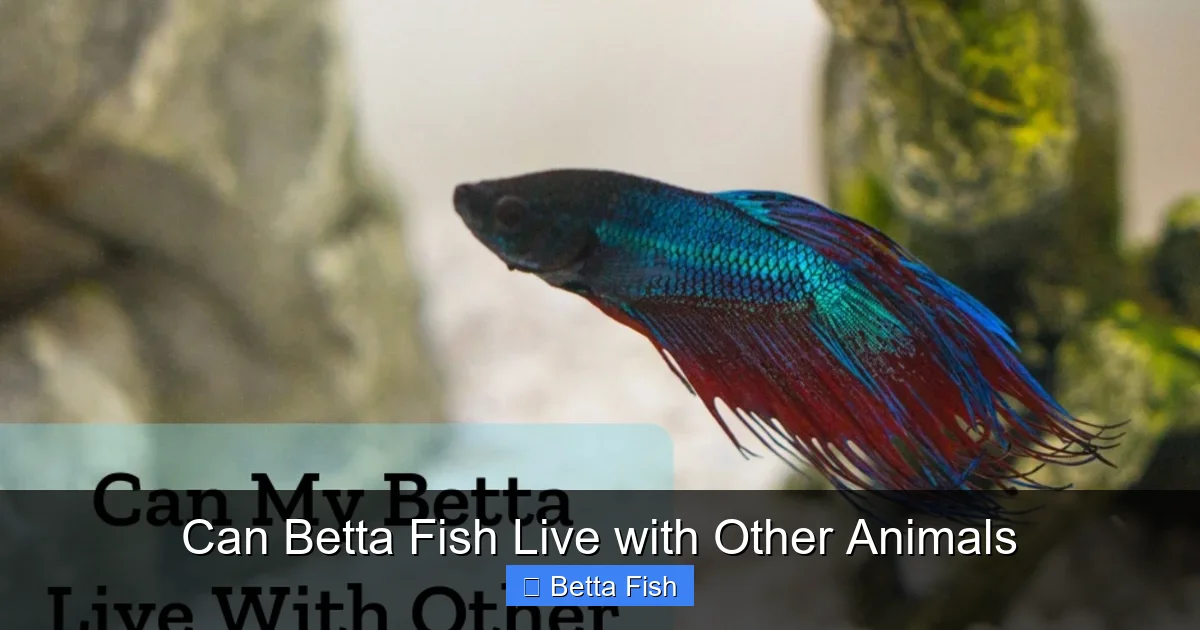
Betta fish can live with certain other animals, but success depends on choosing the right tank mates and providing enough space. While bettas are territorial and aggressive toward similar-looking fish, many peaceful invertebrates and calm species can coexist with them. Understanding betta behavior is the key to building a thriving, stress-free community tank.
[FEATURED IMAGE_PLACEHOLDER]
Key Takeaways
- Bettas are territorial: Male bettas especially will attack fish that look similar or invade their space, so tank mate selection is critical.
- Peaceful invertebrates work well: Snails and shrimp are among the safest companions for betta fish in a community setup.
- Not all fish are compatible: Fin-nippers, aggressive species, and fish with long flowing fins should be avoided entirely.
- Tank size matters a lot: A minimum of 10 gallons is recommended when housing bettas with other animals to reduce territorial stress.
- Individual temperament varies: Some bettas are more aggressive than others, so always monitor behavior when introducing new tank mates.
- Female bettas can form sororities: Groups of 4-6 female bettas can sometimes coexist in larger, heavily planted tanks with careful planning.
- Water parameters must align: Any animal you add must share the same temperature, pH, and water quality requirements as your betta.
📑 Table of Contents
- Understanding Betta Fish Behavior Before Adding Tank Mates
- Can Betta Fish Live With Other Fish?
- Can Betta Fish Live With Other Betta Fish?
- Can Betta Fish Live With Invertebrates?
- Can Betta Fish Live With Frogs and Other Amphibians?
- Setting Up a Community Tank for Your Betta
- Signs Your Betta Is Stressed or Aggressive
- Feeding Considerations in a Community Tank
- Conclusion
Understanding Betta Fish Behavior Before Adding Tank Mates
So you have a beautiful betta fish swimming around in a tank, and now you are thinking about giving it some company. That is a natural impulse. A lively, diverse aquarium is far more interesting than a single fish in a bare tank. But here is the thing: betta fish are not your typical community fish. Before you start adding other animals to your betta’s home, you need to understand what makes these fascinating creatures tick.
Betta fish, also known as Siamese fighting fish, were originally bred in Thailand for fighting. Yes, you read that right. For centuries, they were selectively bred to be aggressive toward other bettas. That heritage still lives in every pet store betta today. Male bettas in particular have a strong territorial instinct. They will flare their gills, spread their fins, and attack anything they perceive as a rival. This includes other male bettas, fish with similar body shapes, and even fish with bright, flowing fins.
But does that mean your betta has to live alone forever? Not necessarily. Many betta owners successfully keep their fish with other animals. The trick is knowing which companions work and which ones will end in disaster. Let us dive deep into everything you need to know about whether betta fish can live with other fish and other aquatic creatures.
Why Bettas Are So Territorial
Male bettas claim a territory and defend it fiercely. In the wild, this territory might be a small patch of shallow, slow-moving water. In an aquarium, the entire tank becomes their domain. When another fish enters that space, the betta sees it as an intruder. This is why simply dropping a new fish into your betta’s tank without planning can lead to stress, injury, or even death for the newcomer.
Female bettas tend to be less aggressive, but they can still show territorial behavior, especially in smaller tanks. Understanding this natural behavior is the first step toward making smart decisions about tank mates.
Can Betta Fish Live With Other Fish?
This is the question most betta owners ask first. The answer is yes, but with very important caveats. Not every fish makes a good companion for a betta. You need to consider size, temperament, fin type, and swimming level when choosing potential tank mates.
Fish That Can Work With Bettas
Some species tend to do well alongside bettas because they occupy different areas of the tank, have calm temperaments, and do not resemble bettas in appearance. Here are some commonly recommended options:
- Corydoras catfish: These peaceful bottom-dwellers are excellent tank mates. They stay near the substrate, mind their own business, and come in many species. A group of 4-6 corydoras in a 10+ gallon tank works beautifully.
- Harlequin rasboras: These small, schooling fish are fast enough to avoid a betta’s aggression and peaceful enough not to provoke one. Keep them in groups of at least six.
- Kuhli loaches: These eel-like bottom-dwellers are shy and nocturnal. They hide during the day and come out at night, making them virtually invisible to your betta.
- Ember tetras: Small, peaceful, and fast-moving, ember tetras can work in larger tanks. Their tiny size and schooling behavior help them stay out of trouble.
- Otocinclus catfish: These tiny algae-eaters are peaceful and stay small. They do well in groups and rarely bother bettas.
Before adding any of these species, make sure your tank is large enough. Our detailed guide on what other fish can live with betta fish goes deeper into specific species recommendations and tank size requirements.
Fish You Should Never Keep With Bettas
Just as important as knowing which fish work is knowing which ones absolutely do not. Here are species to avoid at all costs:
- Other male bettas: This is the most obvious one. Two male bettas in the same tank will fight, often to the death. There is no way around this.
- Guppies: Despite their small size, guppies have bright, flowing fins that trigger a betta’s aggression. Male guppies are especially at risk.
- Goldfish: Goldfish require much cooler water than bettas and produce enormous amounts of waste. They are completely incompatible. Learn more in our article about whether a goldfish can live with a betta fish.
- Tiger barbs and other fin-nippers: These fish are notorious for nipping at long fins. A betta’s flowing fins are an irresistible target.
- African cichlids: These fish are aggressive and require very different water conditions. They will attack your betta without hesitation.
- Other labyrinth fish: Gouramis and paradise fish are closely related to bettas and will trigger territorial aggression.
Can Betta Fish Live With Other Betta Fish?
This is a tricky question with a nuanced answer. Male bettas should never, under any circumstances, be housed together. They will fight aggressively and one or both will likely die. This is not a matter of tank size or decoration. It is hardwired into their behavior.
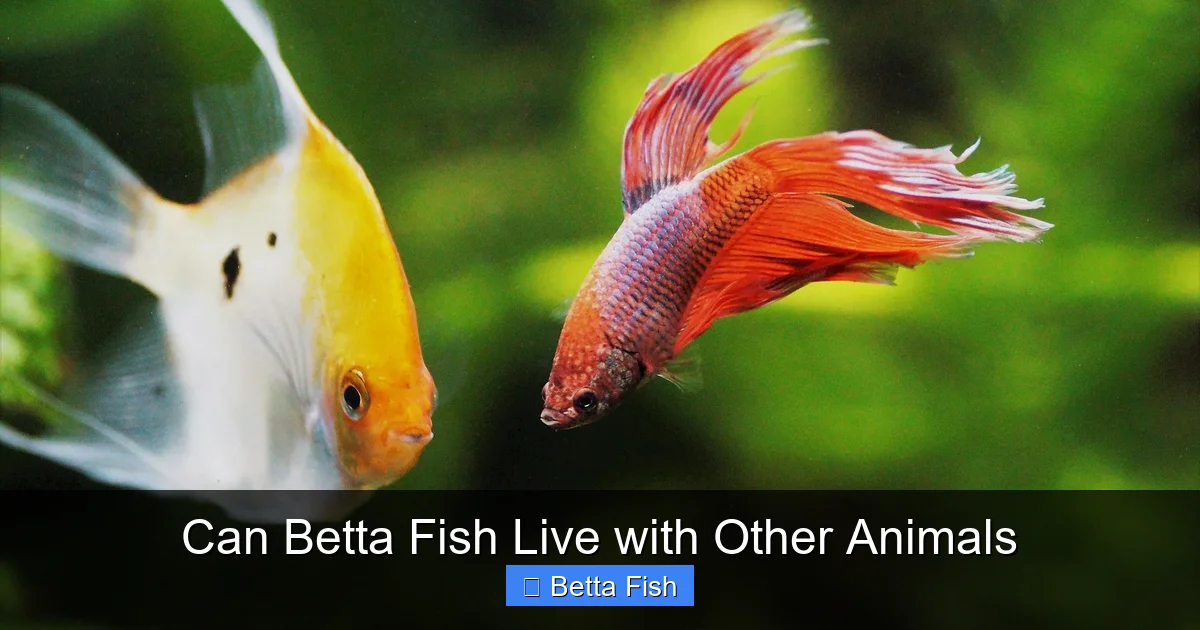
Visual guide about Can Betta Fish Live with Other Animals
Image source: peta.org
Female Betta Sororities
Female bettas are a different story. In some cases, groups of female bettas can coexist in what is called a “sorority tank.” However, this is not as simple as putting a few females together and hoping for the best. A successful sorority requires careful planning.
You need at least 4-6 female bettas to spread out aggression. Fewer than four often results in one female being singled out and bullied. The tank should be at least 20 gallons and heavily planted with plenty of hiding spots. Even with perfect conditions, sororities can fail. Some females are simply too aggressive to coexist with others. Always have a backup plan and separate tanks ready in case things go wrong.
For a more detailed look at this topic, check out our article on whether betta fish can live with other betta fish.
Can Betta Fish Live With Invertebrates?
This is where things get really exciting for betta owners. Invertebrates are often the safest and most reliable tank mates for betta fish. They do not trigger the same territorial aggression that fish do, and they serve practical purposes like cleaning algae and leftover food.
Snails as Betta Tank Mates
Snails are among the best companions for betta fish. They are peaceful, hardy, and come in many attractive varieties. Here are some popular choices:
- Nerite snails: These are the gold standard for betta tanks. They are excellent algae eaters, their shells are tough enough to withstand a curious betta, and they cannot reproduce in freshwater.
- Mystery snails: Larger and more active than nerites, mystery snails are fun to watch. Their larger size makes them less vulnerable to betta aggression.
- Ramshorn snails: These small, hardy snails are great cleaners. However, they reproduce quickly, so you may end up with more than you bargained for.
Most bettas will ignore snails entirely. Some may nip at a snail’s antennae out of curiosity, but this rarely causes serious harm. The snail simply retracts into its shell and goes about its business.
Shrimp as Betta Tank Mates
Shrimp are another popular choice, but they come with more risk than snails. A hungry or aggressive betta may see small shrimp as food rather than tank mates. Here is what you need to know:
- Amano shrimp: These are the largest commonly available freshwater shrimp, making them the safest choice. Their size makes them less likely to be eaten.
- Cherry shrimp: These small, colorful shrimp are more vulnerable. In a well-planted tank with lots of hiding spots, they may survive and even breed. But a determined betta will hunt them down.
- Ghost shrimp: These inexpensive shrimp are often used as feeders, which tells you something about their vulnerability. They can work as tank mates in heavily planted tanks, but expect some losses.
The key to keeping shrimp with bettas is providing plenty of cover. Dense plants like java moss, floating plants, and shrimp hides give them places to retreat when the betta comes around.
Can Betta Fish Live With Frogs and Other Amphibians?
Some betta owners wonder about housing their fish with aquatic frogs or other amphibians. The most common candidate is the African dwarf frog. Let us look at whether this pairing works.
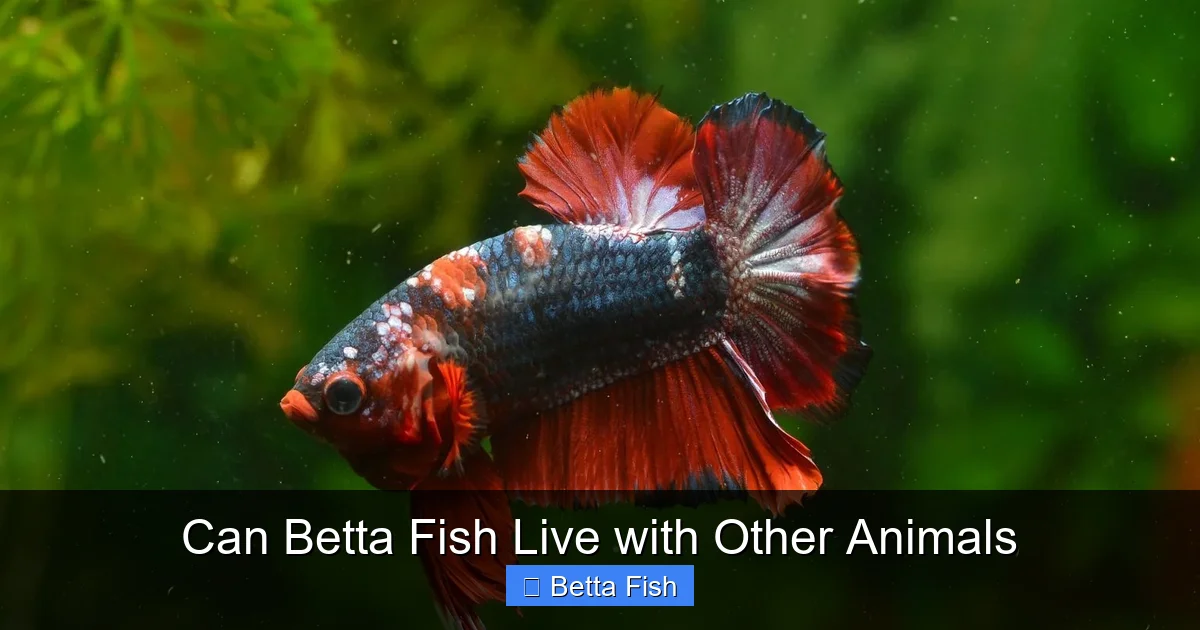
Visual guide about Can Betta Fish Live with Other Animals
Image source: fishkeepingadvice.com
African Dwarf Frogs
African dwarf frogs are small, fully aquatic amphibians that can sometimes coexist with bettas. However, there are several important considerations. Both species prefer similar water temperatures, which is a plus. But African dwarf frogs are slow, clumsy eaters that compete with bettas for food. A betta will almost always eat faster, leaving the frog underfed.
There is also the risk of the betta nipping at the frog’s delicate skin, or the frog accidentally grabbing the betta’s fins while hunting for food. While some keepers have successfully housed these species together, it requires careful feeding strategies and close monitoring.
Other Amphibians to Avoid
Axolotls, newts, and salamanders should never be kept with bettas. Axolotls have very different temperature requirements and may try to eat a betta. Newts and salamanders often produce toxins that can harm fish in a closed aquarium system.
Setting Up a Community Tank for Your Betta
If you have decided to house your betta with other animals, proper tank setup is absolutely critical. A poorly planned community tank is a recipe for stress, aggression, and dead fish. Here is how to do it right.
Choosing the Right Tank Size
The single most important factor in a successful community tank is size. A 5-gallon tank is fine for a single betta, but it is too small for tank mates. For a betta with other animals, you should have at least 10 gallons, and 20 gallons is even better. More water volume means more territory, which reduces aggression. It also provides more stable water parameters, which benefits all inhabitants.
Creating Hiding Spots and Visual Barriers
A well-decorated tank is essential for community success. Use live plants, driftwood, rocks, and commercial decorations to create visual barriers and hiding spots. When a betta cannot see the entire tank at once, it is less likely to claim the whole thing as its territory. Plants like java fern, anubias, and floating plants are excellent choices. They provide cover, improve water quality, and make the tank look natural.
Establishing the Betta Last
Here is a pro tip that many experienced aquarists swear by: add your betta to the tank last. Set up the tank, cycle it, and add the other animals first. This way, the other residents establish themselves before the betta arrives. When the betta is introduced, it is the newcomer, which can reduce its territorial behavior. The existing tank mates will already feel at home and be less intimidated.
Monitoring and Having a Backup Plan
Even with perfect planning, things can go wrong. Some bettas are simply too aggressive to live with any tank mates, no matter how carefully you choose them. Always watch for signs of aggression like flaring, chasing, nipped fins, or a tank mate hiding constantly. If aggression occurs, you need to be ready to separate the animals immediately. Keep a spare tank or large container on hand for emergencies.
Signs Your Betta Is Stressed or Aggressive
Knowing how to read your betta’s behavior is essential when keeping them with other animals. Here are the warning signs you should never ignore:
- Constant flaring: Occasional flaring is normal, but if your betta is constantly spreading its gills and fins at tank mates, it is highly stressed.
- Chasing: Persistent chasing of other animals is a clear sign of aggression and will lead to injuries.
- Loss of appetite: A stressed betta may refuse to eat. This is a red flag that something is wrong in the tank.
- Faded color: Stress can cause a betta to lose its vibrant coloration. A pale, washed-out betta is an unhappy betta.
- Hiding constantly: If your betta is always hiding, it may be getting bullied by tank mates. Yes, bettas can be the victim too.
- Damaged fins: Torn or shredded fins indicate that your betta is either attacking others or being attacked itself.
If you notice any of these signs, assess the situation immediately. Sometimes removing the aggressor or the victim is the only solution. Our guide on whether betta fish can live with other species covers more about managing mixed-species tanks.
Feeding Considerations in a Community Tank
Feeding a community tank with a betta requires some strategy. Bettas are surface feeders that prefer live or frozen foods like bloodworms and brine shrimp. Many tank mates eat different foods at different water levels. Make sure every animal in your tank is getting adequate nutrition.
Use a variety of foods including sinking pellets for bottom-dwellers, floating pellets for your betta, and frozen treats for everyone. Feed in multiple locations to prevent the betta from guarding all the food. If your betta is particularly aggressive at feeding time, consider using a feeding ring or feeding the betta on one side of the tank while feeding the others on the opposite side.
Conclusion
So, can betta fish live with other animals? The answer is a qualified yes. With the right tank mates, adequate space, proper setup, and careful monitoring, you can create a beautiful community aquarium centered around your betta. Peaceful invertebrates like snails and Amano shrimp are the safest bets. Small, calm fish like corydoras and harlequin rasboras can also work in larger tanks.
However, you must always respect your betta’s territorial nature. Not every betta is suited for community life, and that is perfectly okay. A single betta in a well-decorated, properly maintained tank can live a long, healthy, and happy life. If you do decide to add tank mates, take your time, do your research, and always have a backup plan. Your fish will thank you for it.
Frequently Asked Questions
Can betta fish live with snails?
Yes, snails are one of the safest tank mates for betta fish. Nerite snails and mystery snails are particularly good choices because their hard shells protect them from any curious nipping. Most bettas completely ignore snails.
Can betta fish live with shrimp?
Shrimp can live with bettas, but there is some risk. Larger shrimp like Amano shrimp are safer because they are too big to be eaten. Smaller shrimp like cherry shrimp may be hunted by aggressive bettas, so a heavily planted tank with lots of hiding spots is essential.
Can two male betta fish live together?
No, two male bettas should never be housed together. They are extremely territorial and will fight aggressively, often resulting in serious injury or death. This is true regardless of tank size.
What is the minimum tank size for a betta with tank mates?
For a betta with other animals, you should have at least a 10-gallon tank, though 20 gallons is strongly recommended. More space reduces territorial aggression and provides stable water conditions for all inhabitants.
Can female bettas live together?
Female bettas can sometimes live together in groups of 4-6, known as a sorority. This requires a large, heavily planted tank of at least 20 gallons and careful monitoring. Even with ideal conditions, some females may be too aggressive to coexist peacefully.
Can betta fish live with goldfish?
No, bettas and goldfish are completely incompatible. Goldfish require much cooler water temperatures, produce enormous amounts of waste, and need far more space than a typical betta tank. Housing them together will stress both animals and likely lead to health problems.