Can Betta Fish Live with Other
Can betta fish live with other fish? Yes, but only with careful planning. Bettas are territorial and often aggressive, yet many keepers successfully house them with peaceful, non-nippy species in a properly sized tank. This guide covers safe tank mates, setup tips, and common mistakes to avoid.
Key Takeaways
- Bettas are naturally territorial: They often flare, chase, or nip at fish they perceive as rivals, especially males.
- Male bettas should never live together: Two males in the same tank will usually fight, often to the death.
- Some fish can live with bettas: Small, peaceful, non-nippy species like certain tetras, corydoras, and rasboras often do well.
- Invertebrates can be tank mates: Snails and some shrimp may work, but results depend on your betta’s personality.
- Tank size and layout matter: A 20-gallon or larger tank with plants and hiding spots reduces stress and aggression.
- Always monitor behavior: Even “compatible” fish can clash; watch for torn fins, hiding, or constant chasing.
- Have a backup plan: Keep a separate tank or divider ready in case aggression suddenly appears.
📑 Table of Contents
- Can Betta Fish Live With Other Fish? Understanding Their Temperament
- Why Bettas Behave Aggressively Toward Other Fish
- Can Betta Fish Live With Other Betta Fish?
- What Fish Can Live With a Betta? Safe Tank Mates
- Can Betta Fish Live With Invertebrates? Snails and Shrimp
- Fish to Avoid: Common Mistakes
- Setting Up a Community Tank for Your Betta
- Signs Your Betta Is Not Getting Along With Tank Mates
- Conclusion: Can Betta Fish Live With Other Fish?
Can Betta Fish Live With Other Fish? Understanding Their Temperament
If you have ever watched a betta flare its gills at its own reflection, you already know these fish have attitude. The big question many keepers ask is: can betta fish live with other fish in a community tank, or are they destined to live alone?
The honest answer is: sometimes yes, sometimes no. Bettas are naturally territorial, especially males. In the wild, they live in shallow but large areas of water and are used to defending their space. That instinct does not disappear in an aquarium. Yet many hobbyists successfully keep bettas with peaceful tank mates when the setup is right.
In this guide, we will walk through everything you need to know if you are thinking about adding friends to your betta’s tank. We will cover which fish tend to work, which ones usually fail, and how to set up your aquarium so everyone has room to thrive.
Why Bettas Behave Aggressively Toward Other Fish

Visual guide about Can Betta Fish Live with Other
Image source: aniimad.com
To understand whether betta fish can live with other tank mates, it helps to understand why they act the way they do in the first place.
Territorial Nature
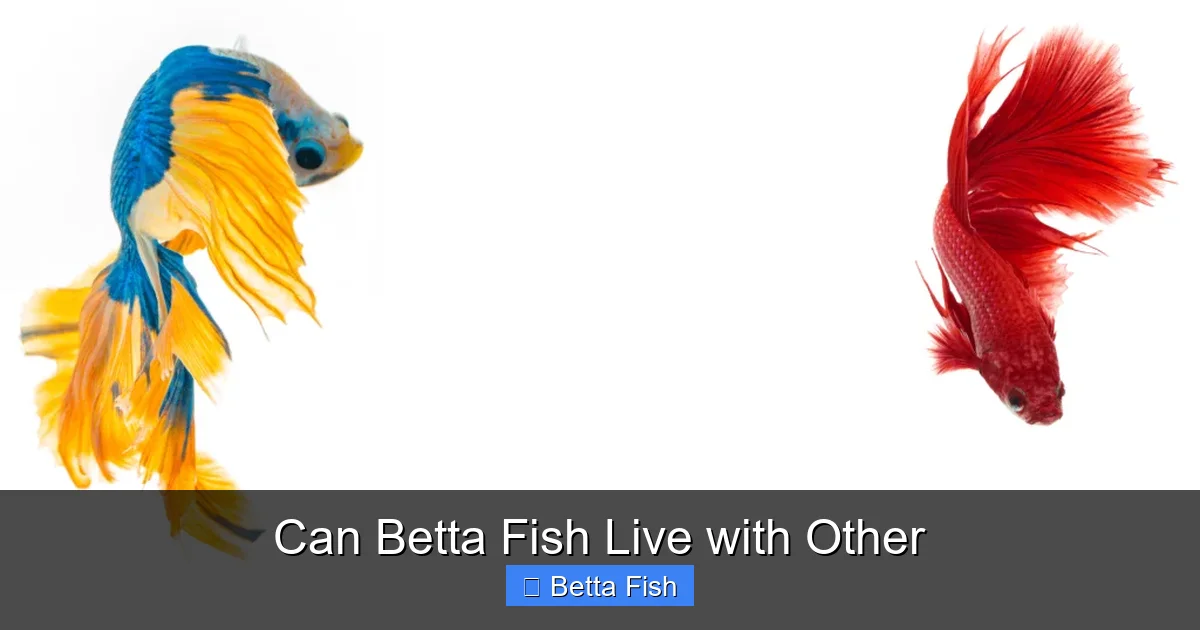
Bettas, particularly males, are highly territorial. In the wild, a male betta’s territory might include a small section of a rice paddy or slow-moving stream. Any other male betta that enters that space is seen as a rival for food, shelter, and breeding opportunities. That is why two male bettas in the same tank will almost always fight.
This territorial instinct can also extend to other fish, especially those with bright colors or long, flowing fins. To a betta, a male guppy with a big, colorful tail can look a lot like another betta, even though it is a completely different species.
Fin Nipping and Predatory Instincts
Some bettas are not just territorial; they are also predatory. In the wild, bettas eat insects and tiny crustaceans. Small fish or shrimp may trigger that hunting instinct. On the flip side, some other fish are known fin nippers. They see a betta’s long, flowing fins as something to bite and test.
This is why choosing tank mates is not just about picking “peaceful” fish. You need fish that are peaceful and unlikely to bother your betta, and your betta needs to be calm enough not to attack them.
Can Betta Fish Live With Other Betta Fish?

Visual guide about Can Betta Fish Live with Other
Image source: bettacarefishguide.com
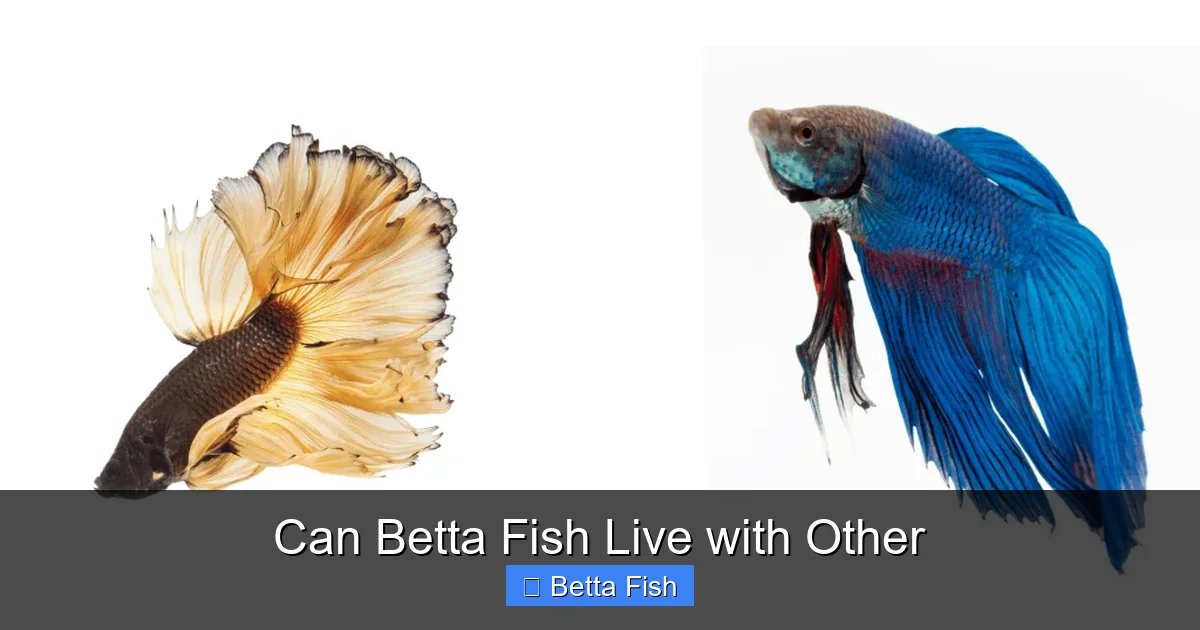
One of the most common questions new keepers ask is whether betta fish can live with other betta fish. The answer depends on the sex of the bettas and the size of the tank.
Male Bettas Together: A Bad Idea
Two male bettas should never share a tank. This is not a personality quirk; it is almost a guarantee of conflict. Male bettas are hardwired to fight other males. In a small aquarium, there is no way for one fish to escape the other’s territory. These fights can lead to severe fin damage, stress, and even death.
If you want to keep more than one betta, a divided tank is the safest option. Each side needs its own filtration and heating, but it allows two males to live in the same physical space without contact.
Female Bettas and Sororities
Female bettas are generally less aggressive than males, but they can still be territorial. Some keepers maintain “sororities,” which are groups of female bettas living together. This can work, but it is not as simple as dropping five females into a tank and hoping for the best.
A successful sorority usually requires:
- At least 5-6 females to spread aggression
- A tank of 20 gallons or larger
- Heavy planting and many hiding spots
- Close monitoring for bullying or stress
Even with perfect conditions, some females will never get along. For most keepers, especially beginners, keeping a single betta with other species is a safer and more predictable option. If you are curious about this topic, you can read more in our detailed guide on whether betta fish can live with other betta fish.
What Fish Can Live With a Betta? Safe Tank Mates
Visual guide about Can Betta Fish Live with Other
Image source: aniimad.com
So, can betta fish live with other species of fish? Yes, many can, as long as you choose carefully. The best tank mates are peaceful, not too small, and do not have long, flashy fins that might trigger aggression.
Bottom Dwellers: Corydoras and Loaches
Bottom-dwelling fish are often a great choice because they occupy a different part of the tank than your betta. Corydoras catfish, for example, are peaceful, social, and spend most of their time scavenging along the substrate. They are also hardy and easy to care for.
Small loaches, like kuhli loaches, can also work. They are shy, nocturnal, and like to hide in plants and decorations. Because they stay out of the betta’s way, conflicts are less likely.
Mid-Level Swimmers: Tetras and Rasboras
Small, schooling fish like ember tetras, harlequin rasboras, or glowlight tetras can make excellent tank mates. They are fast enough to avoid a curious betta, and their duller colors are less likely to trigger aggression than bright, flashy fish.
When choosing tetras or rasboras, aim for a group of at least six. Schooling fish feel safer in numbers, which reduces stress for them and for your betta.
Peaceful Livebearers: With Caution
Some keepers have success with livebearers like mollies or platies, but others run into problems. Guppies, in particular, are often a bad idea. Their bright colors and large, flowing tails can make them a target for a territorial betta. If you want to try livebearers, stick with short-finned, less colorful varieties and watch closely for any signs of aggression.
For a deeper dive into compatible species, check out our article on whether a male betta can live with other fish.
Can Betta Fish Live With Invertebrates? Snails and Shrimp

Visual guide about Can Betta Fish Live with Other
Image source: aniimad.com
Not all tank mates need to be fish. Invertebrates like snails and shrimp are popular choices for betta tanks. But do they actually get along?
Snails: Usually Safe
Nerite snails and mystery snails are generally safe with bettas. They are hardy, help clean algae, and do not bother fish. Some bettas may flare at a snail out of curiosity, but they rarely cause harm. Snails also have the advantage of being easy to remove if problems arise.
Shrimp: It Depends
Shrimp are trickier. Cherry shrimp and amano shrimp are often kept with bettas, but results vary. A hungry or aggressive betta may see small shrimp as food. Larger shrimp are safer, but even they can be at risk if the betta is particularly territorial. If you want to try shrimp, start with a few and see how your betta reacts before adding more.
Our guide on whether betta fish can live with shrimp covers this topic in more detail, including which species tend to work best.
Fish to Avoid: Common Mistakes
While some species can live peacefully with bettas, others are almost guaranteed to cause trouble. Here are some of the most common mistakes new keepers make.
Other Labyrinth Fish
Gouramis and paradise fish are closely related to betas and share similar territorial instincts. Putting them together often leads to constant fighting. It is best to avoid mixing bettas with other labyrinth fish entirely.
Aggressive or Fin-Nipping Species
Tiger barbs, some types of tetras (like serpae tetras), and certain cichlids are known fin nippers. They will often target a betta’s long fins, causing stress and injury. Even if your betta is calm, these fish can start harassment that never stops.
Goldfish
Goldfish are sometimes suggested as tank mates, but they are a poor choice. They produce a lot of waste, prefer cooler water, and can grow much larger than a betta. The temperature and water quality needs of goldfish and bettas are very different, making them incompatible in the long term.
Setting Up a Community Tank for Your Betta
Visual guide about Can Betta Fish Live with Other
Image source: tankofish.com
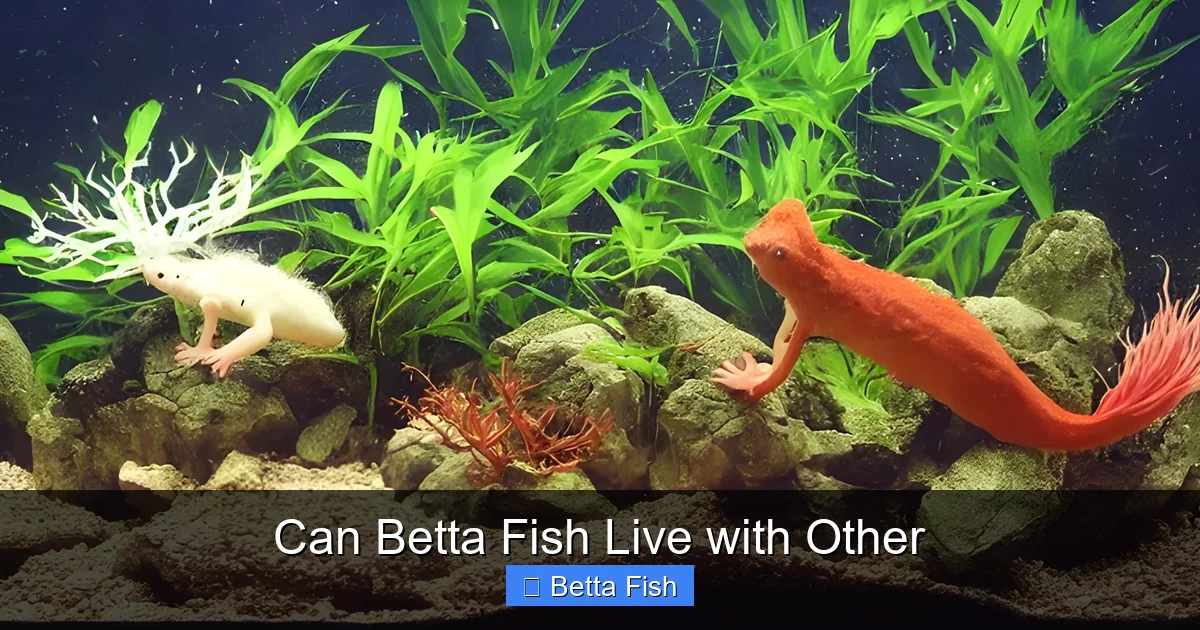
If you want your betta fish to live with other species, the setup of your tank is just as important as the choice of tank mates.
Tank Size and Shape
A 20-gallon long tank is a good starting point for a small community. It gives your betta enough territory while providing space for other fish to stay out of the way. A larger tank is even better, especially if you plan to keep more than one or two additional species.
Plants, Caves, and Hiding Spots
Live or silk plants, driftwood, and caves create visual barriers and hiding spots. This is crucial because it allows other fish to escape your betta’s line of sight. Without places to hide, a betta may constantly chase and stress its tank mates.
Water Parameters and Filtration
All fish in the community need similar water parameters. Bettas prefer warm water, around 76-82°F, and a gentle flow. Choose a filter that does not create too much current, as bettas are not strong swimmers. Regular water changes and testing are essential to keep everyone healthy.
Introducing New Fish
When adding new fish, do it slowly. Use a quarantine tank if possible to check for disease. Rearrange decorations before introducing new fish so the betta does not feel like its established territory is being invaded. Watch the tank closely for the first few days.
Signs Your Betta Is Not Getting Along With Tank Mates
Visual guide about Can Betta Fish Live with Other
Image source: fishkeepingadvice.com
Even with the best planning, things can go wrong. It is important to recognize the signs of trouble early.
Physical Damage
Torn or missing fins are a clear sign of aggression. If you notice your betta or other fish with damaged fins, separate them immediately. Fin damage can lead to infections if not treated.
Behavioral Changes
Constant hiding, refusal to eat, or frantic swimming can all indicate stress. A betta that is always flaring or chasing is not comfortable in its environment. Similarly, other fish that stay in one corner or gasp at the surface may be under attack when you are not looking.
What to Do If Aggression Occurs
If you see aggression, remove the aggressor or the victim, depending on who is causing the most harm. Sometimes, a simple tank rearrangement helps. Other times, the only solution is permanent separation. Always have a backup tank or a breeder box ready for emergencies.
Conclusion: Can Betta Fish Live With Other Fish?
So, can betta fish live with other fish? The answer is a cautious yes. With the right species, a properly sized tank, and careful monitoring, many keepers maintain beautiful community aquariums with a betta as the centerpiece.
The key is to respect your betta’s natural instincts. Choose peaceful, non-flashy tank mates. Provide plenty of space and hiding spots. And always be ready to separate fish if things go wrong.
If you are still unsure where to start, our comprehensive guide on whether betta fish can live with other fish offers more detailed advice and species-specific recommendations.
With patience and planning, you can create a thriving, peaceful tank that both you and your betta will enjoy for years to come.
Frequently Asked Questions
Can a male betta live with other fish?
Yes, a male betta can live with other fish if they are peaceful, not too small, and do not have long, flashy fins. Good options include corydoras, small tetras, and rasboras. Always monitor behavior closely.
Can betta fish live with guppies?
Guppies are often a poor choice because their bright colors and large tails can trigger aggression in bettas. Some keepers have success with short-finned or less colorful guppies, but it is risky.
Can betta fish live with snails?
Yes, snails like nerite and mystery snails are generally safe with bettas. They are hardy, help clean the tank, and rarely cause problems. Some bettas may flare at them out of curiosity.
Can two male bettas live together?
No, two male bettas should never live together. They are highly territorial and will almost always fight, often leading to serious injury or death. A divided tank is the only safe option.
What size tank is best for a betta with other fish?
A 20-gallon long tank is a good starting point for a betta community. Larger tanks are even better because they provide more territory and reduce the chance of aggression.
How do I introduce new fish to my betta?
Rearrange decorations before adding new fish so the betta does not feel its territory is being invaded. Add new fish slowly and watch for signs of aggression. Have a backup tank ready in case problems arise.